

Taken from Lynne’s weekly column ‘Green Scene’ for the Western Mail
10th August 2024

Think Drink
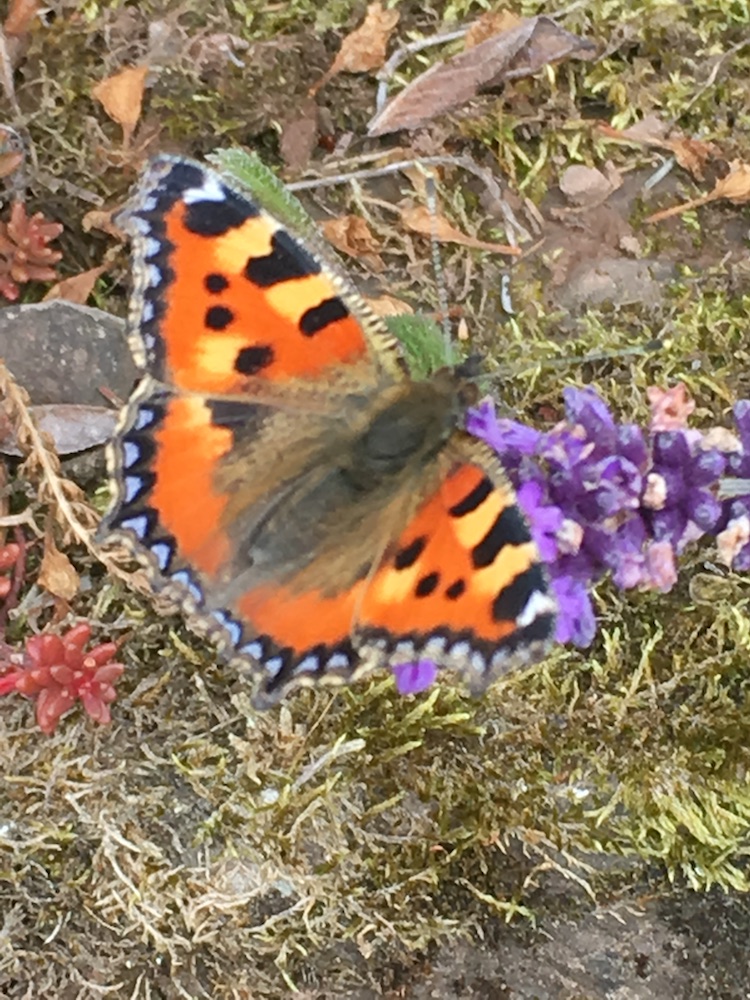
The recent hot weather reminded me to encourage people to make sure that they have water in their gardens for bees and butterflies – and of course, it’s the same if it’s overcast and humid. Basically if we don’t have rain then little drinking stations are very important. Other wildlife, like hedgehogs, will drink out of a pond but whether they go in of their own free will or by accident, please make sure they can get out safely if the pond has steep sides.
Bees and butterflies on the other hand, need very shallow water to drink from as the surface tension of deeper water won’t hold them. They normally drink out of puddles or even boggy ground but hot weather will quickly dry up these essential water sources. Putting saucers of water around the garden will help or even shallow containers of wet compost, but you will need to top them up regularly or they too will dry out. Putting stones or even marbles in a bowl of water will mean less filling up and the bees and butterflies will be able to stand on the stones or marbles to be able to drink. It makes a lovely focal point too – and is great to watch them come to drink.
Bee Saved
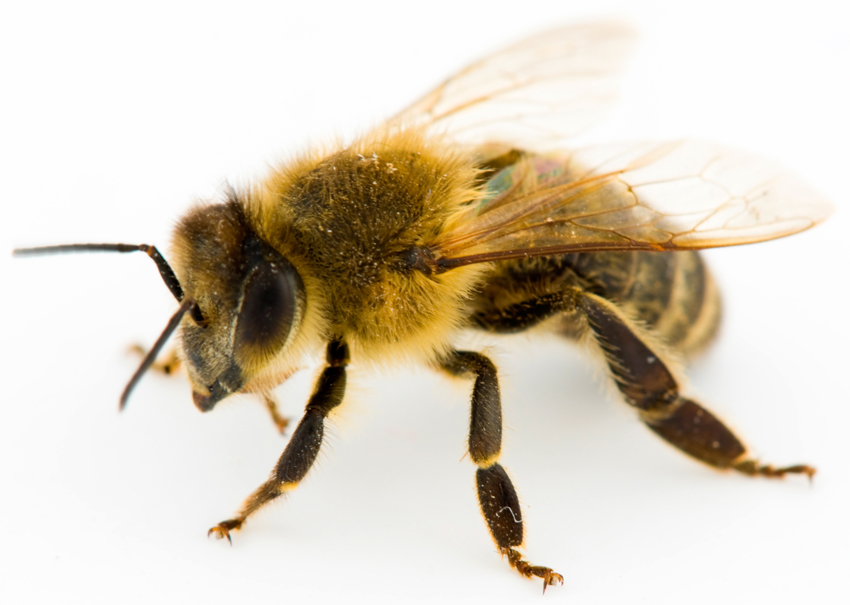
If they don’t have access to water, bees can quickly become exhausted and disorientated, and you will often see a weary bee resting somewhere that’s not ideal. A great way to revive them is to give them a tiny bit of sugar water if available – something I have done on an outdoor café table much to the amusement of onlookers. There is nothing more satisfying than watching them fly away – the bee not the onlooker.
As always, there is much controversy about this, as honey is often used – with cross contamination of disease being an issue, but I think it is preferable to save a life and it’s not as though the bees are going to become reliant on this free buffet – it is simply a life saver.
There is excellent advice on www.beevive.com/blogs/bee-blog/howtosaveatiredbee and also fabulous little Bee Revival Kit Key rings which would not only make a great present for the person who has everything but may also save a life, or two. Do please at least have a read of the ‘do’s and don’ts’ of saving bees and tell as many people as you can.
Top Idea (Not)
Staying with the water theme (tenuous link alert) I have recently noticed that the plastic tops of bottled water have become quite hazardous. Finding it harder to actually remove the bottle top cleanly – or at all – research shows that a new EU law mandates that the lids must now stay attached to the bottles, to encourage people to recycle both bits. And rather than set up two factory lines – one for EU and one for Brits – the new ‘nightmare bottle tops’ are on our shelves too.
Coffin Case
I adore reading and researching and am often ‘as pleased as punch’ with what I learn (like the bottle tops). This week I read about the recent death of Kenneth Grange. Most people won’t have heard of him but he designed lots of the everyday objects that we use, including the classic coin-operated parking meter, Kenwood food mixers, Wilkinson Sword razors, Kodak instamatic cameras, Parker pens, Imperial typewriters, Morphy Richards irons, Ronson cigarette lighters, bus shelters, black cabs, Royal Mail post boxes and even an ice cream scoop. He was a grafter who loved his work and believed the secret of his success was to work 80 hours a week, saying, “That way you don’t have to be very good to overtake the competition.”
One of his lesser-known inventions is the Really Useful Bookcase. First created in 2002 it is shaped like a person and doubles up as a coffin. Apparently Grange explained, “If I ever pop my clogs, it’ll be out with the books and in with me. With the lid fixed, it’s up to the great client in the sky.”
It’s a remarkable invention, I grant you but what strikes me as even more remarkable is that his quote suggests that he thought he might not actually ‘pop his clogs’ at all.
Broad (bean) Cure
 One of my favourite things about the late summer is harvesting runner beans and eating them in unapologetic, excessive amounts. My own runner beans are still sulky at the moment and will be very late to produce a crop – if they do at all. But my brother’s beans are prolific (no sibling rivalry to see here) and so I have been lucky enough to help him with his harvest. But whilst the humble runner bean definitely lifts my spirits, it is apparently the Broad bean that is the real smile-maker.
Shucking these beans never fail to make me smile as I gently prise the fat little beans from their snugly duvet pod, but now ‘bean boffin’, Nadia Mohd-Radzman from Cambridge University insists these serotonin-boosting beans could actually help alleviate low moods and anxiety. The lowly legume has been found to contain levodopa, a chemical which is used to treat a rare condition that makes sufferers unable to experience pleasure. Therefore levodopa, and now the legumes, are being linked to lasting improvements in mood and emotions.
Human Beans
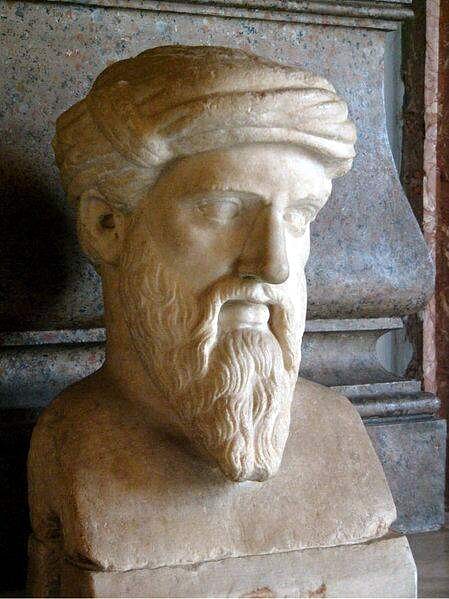 But research shows that broad beans didn’t do much for the health and well being of Pythagoras. Well known for his ‘Theory’, lesser known facts about the famous Greek philosopher and mathematician include those of his diet. Pythagoras believed that when you die your soul gets transferred into another animal and as a result, he stopped eating meat. A little surprisingly maybe, Pythagoras is actually considered to be the father of vegetarianism.
But his veg and fruit diet excluded beans, as he believed that bean seeds looked very much like human foetuses and therefore eating them would amount to cannibalism.
He also forbade his followers from eating them and believing beans could contain the souls of the dead, even refused to walk through bean fields, believing souls passed through the bean plants and roots on their way to the Underworld.
It was a little ironic then that Pythagoras met his demise after being chased by an angry mob to the edge of a bean field. He refused to enter the field and was therefore captured.
Leave a Reply