
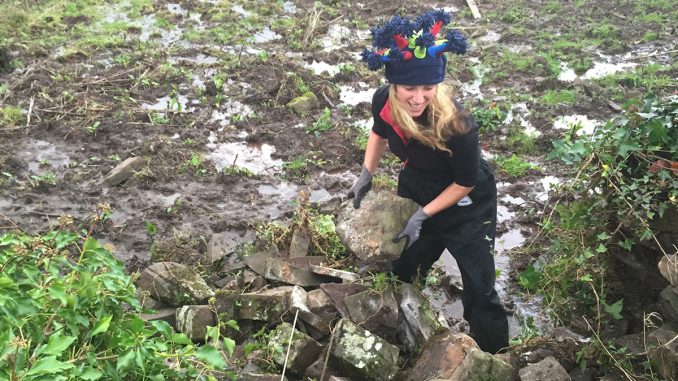
Taken from Lynne’s weekly column ‘Green Scene’ for the Western Mail
5th September 2026

Naked Ladies
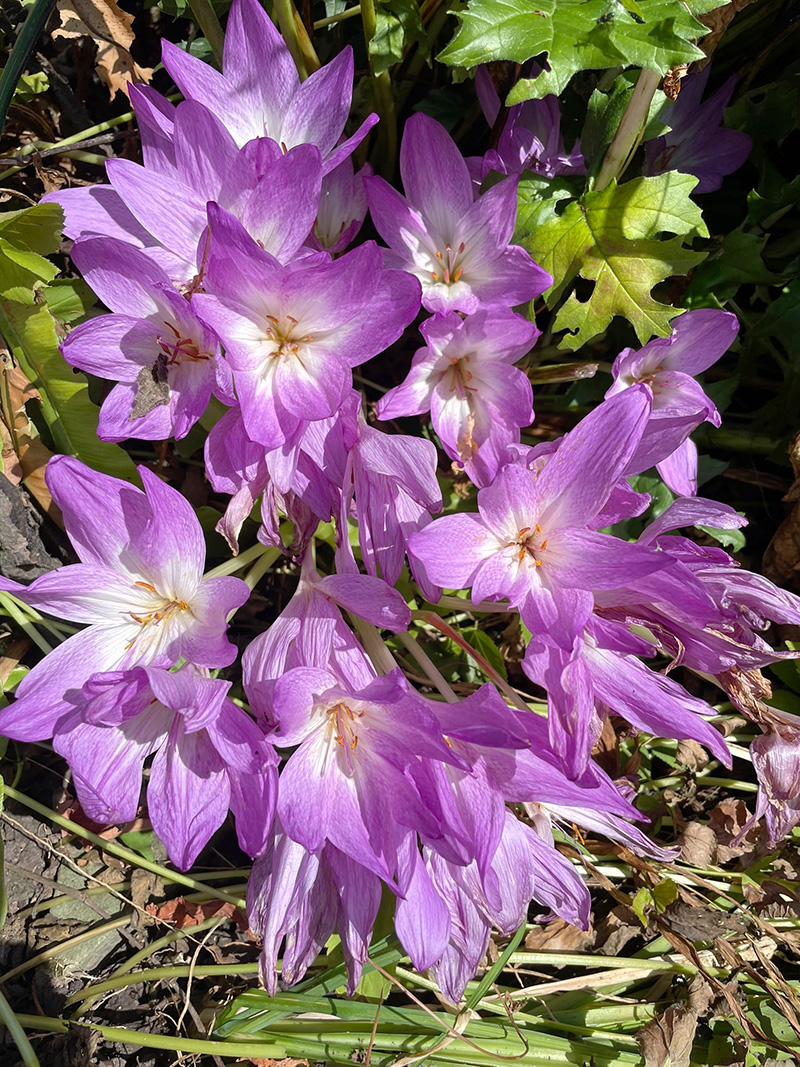
I’m still majorly impressed with anything in the garden that seems to have survived the hot summer with minimum fuss and attention. And that includes the ‘naked ladies’. Not women who are having hot flushes, ‘naked ladies’ are often confused with the autumn flowering crocuses. And are sometimes referred to as such. But they (Colchicum autumnale) have much larger goblet-shaped flowers and much larger clusters of leaves that appear in spring and dieback by late summer.
I have the purple varieties in my garden, which are adding a lovely splash of colour at the moment, but if I were to introduce more then I would definitely choose the ‘Alba’ variety with their large white flowers being very conspicuous in the borders or naturalised under trees. The older I get the more I love white flowers – I don’t know why, maybe because they just stand out more.
If you can source them, you could still get the ‘naked ladies’ in the ground for a display later this year. These bulbs often start producing shoots or flowers while dormant, which is normal due to their short rest period. Fragile growth may be damaged in transit but won’t affect the bulbs’ long-term health. Alternatively, you could probably buy them in pots in flower now and plant them after flowering to repeat-flower in the coming years. Although, do be warned that if you are looking for them on line, I recommend typing in Colchicum autumnale ‘Alba’, rather than ‘white naked ladies’.
If the bulbs have shoots, plant them carefully without breaking any growth. For bulbs already in flower, place them on a sunny windowsill to enjoy before planting them outside once blooms fade, but before foliage appears. Once established, colchicums reliably flower for many years.
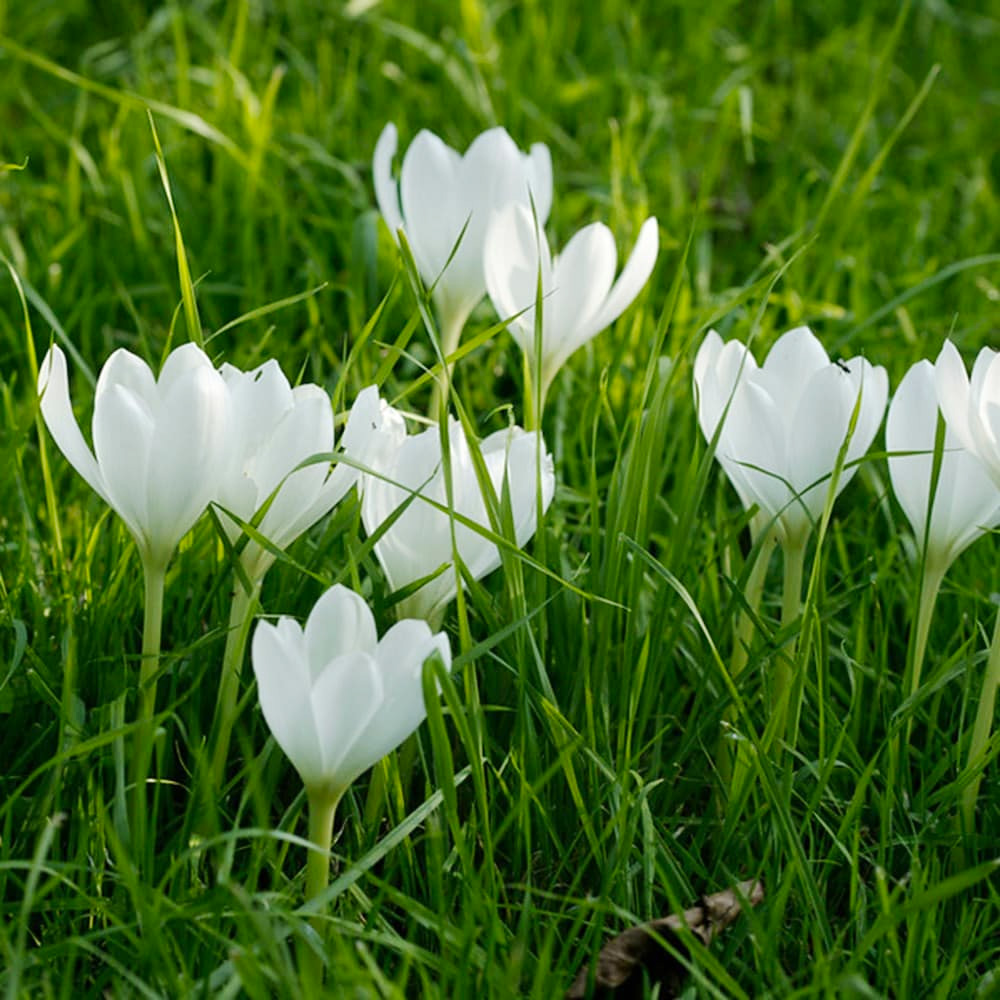 The ‘real’ autumn crocuses (Crocus speciosus) are also worth including in your garden for later colour. And last year, after a conversation with the owner of Red Indigo Restaurant in Crickhowell, who gave me some of the saffron threads that he had grown, I planted my own saffron crocuses (Crocus sativus). They were very successful last year and seem to be on track to bloom again in a couple of months.
You can still plant these corms too. The saffron will ready for harvesting just 40 days after planting, typically October or November time. Gently pluck the red stigmas using tweezers when the flowers open in the morning, then dry them on a paper towel for a few days. It’s a real novelty but remember that it takes over 100,000 flowers to yield just one kilogram of the spice.
Stone Ranger
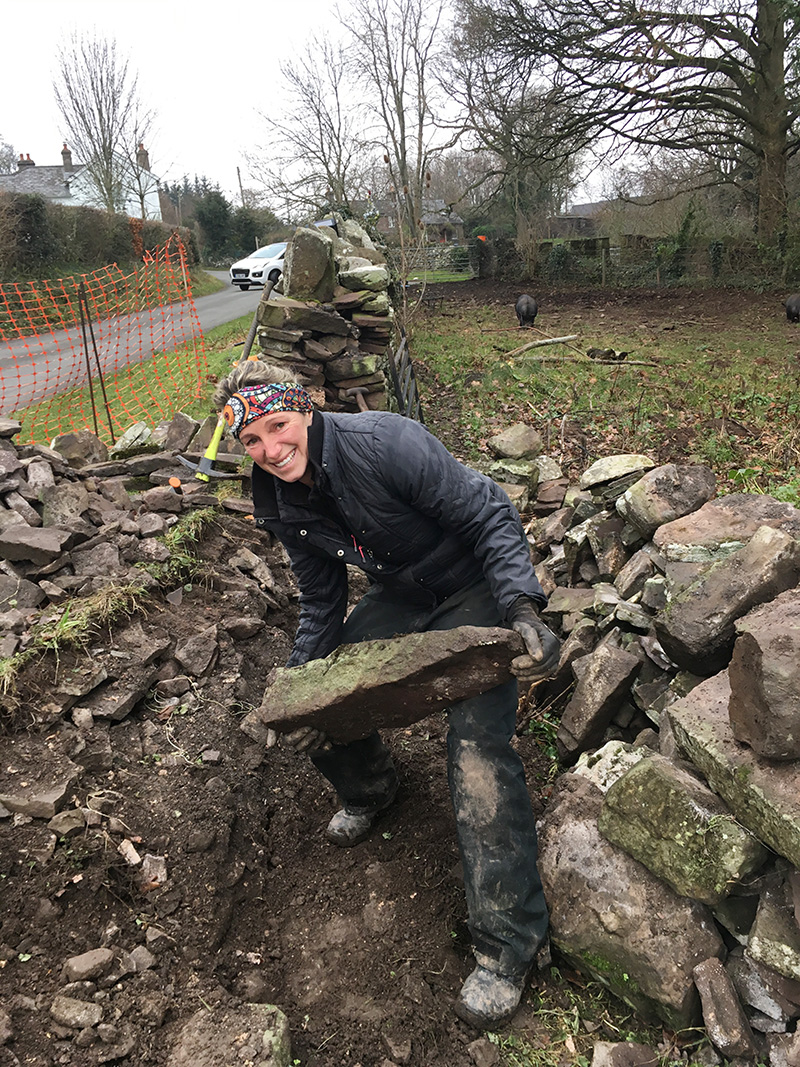 I’m thrilled to be getting more and more dry stone walling work. I am so passionate about it.
Whilst I always garden for 12 months of the year – whatever the weather – it is nice to get a bit of walling work to break things up a bit.
Despite a lot of the gardens I look after getting ‘put to bed’ for the winter, the larger ones always have something that needs doing, and it’s often an opportunity to catch up on some design, alterations and landscaping. Whilst more sensible outdoor workers look for a bit of indoor work for the winter months, I tend to stay outside.
And of course, dry stone walling can be done in any weather, as long as the waller can tolerate it. I have had over 40 years of tolerating whatever the weather throws at me, and still think a bad day outdoors beats a good day in an office.
And I’m really proud to have my name included on the Dry Stone Walling Association’s Professional Wallers webpage.
In Praise of Trees
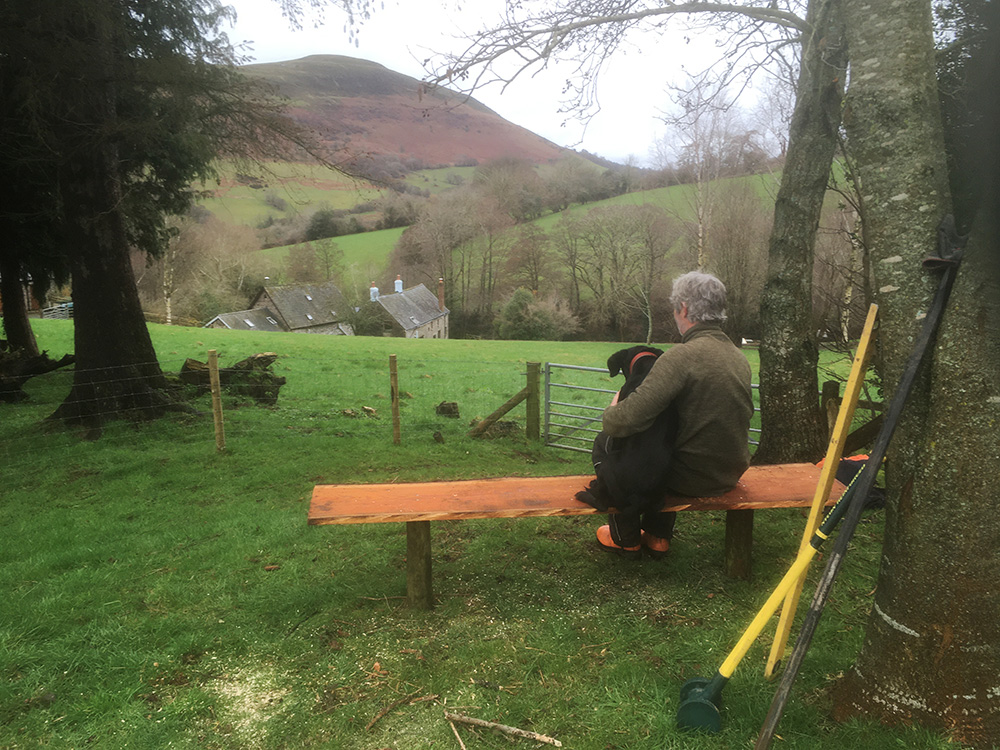 I recently read a great article championing the planting of more trees. In 2011 the Mayor of Colombia wanted to ‘go green’ by planting trees and plants ‘everywhere’ – up skyscrapers, in squares, on rooftops and overpasses, and even under bridges. Ten years later and the city has successfully introduced 880,000 new trees and 2.5 million smaller plants and shrubs. The results have been quite literally breathtaking and should be inspiring us all.
Apparently, streams have opened up, over 30 species of butterfly have been recorded, the elderly sit and chat in the shade of the trees and teenagers utilise outdoor park gyms at midday – and maybe vice versa. Rubbish on the streets has vastly diminished, mental health has improved and the number of people actually dying from acute respiratory infections fell significantly last year. So, what are we waiting for? Let’s get planting.
And I think it’s worth mentioning that alongside respiratory issues and the ‘inspirational’ antidote of planting more trees – the real irony is that the word ‘inspire’ can be traced back to the Latin ‘inspirare’, meaning ‘to breathe or blow into’.
Admittedly, we have since developed the meaning to include, ‘to influence, move, or guide through divine or supernatural agency or power, ’ but many of the early figurative senses of ‘inspire’ are also religious in nature, so it is not surprising to learn that the word also shares a connection with spirit or ‘spiritus’ which is the Latin word for ‘breath.’
The clues are there!
Sadly, in the UK we don’t have a great survival rate for planted saplings. And embarrassingly, that include here in Wales. As an example, a client has told me that recent reports indicate that of the 860,000 trees planted in 2020 along the A14, some 45% have failed, with poor planting being the main reason for the failures. Poor planting may indeed be an explanation, but it is absolutely no excuse.
During the recent summer, temperatures in direct sunshine in parks and open spaces reached as much as 43C but at the same time, under the canopy of our beloved but much maligned trees, in the same parks and on the perimeters of the open spaces, it was only 26C. A wonderful ‘tree expert’ at Chelsea Flower Show this year, explained that we need to diversify with regard to our tree species, as our natives are struggling to ‘perform’ and are battling the environment, disease and the ‘unprecedented’ weather patterns. Whilst, Oak, Ash, Beech and other favourites need the heat taken off them, the more drought–resilient species, such as small-leaved limes, figs, cypress, Turkish hazel and Mexican oak, could be imported (in a controlled manner obviously) and do some of the ‘heavy lifting’.
Many people are already pricing up various air conditioning units in the promise – or threat – of an even hotter year next year (air con units which pump hot air out of our homes and offices, into streets and gardens), but surely we should be looking at increasing the greener, more tree-mendously sustainable options.
And make sure they are planted and cared for properly.
Leave a Reply