
Taken from Lynne’s weekly column ‘Green Scene’ for the Western Mail
14th February 2026
Happy Valentine’s Day, readers.
I hope all you happy couples have the ‘romantic day’ you want – and if you’re single, don’t worry Pancake Day is only a few days away.


Rabbit, Rabbit
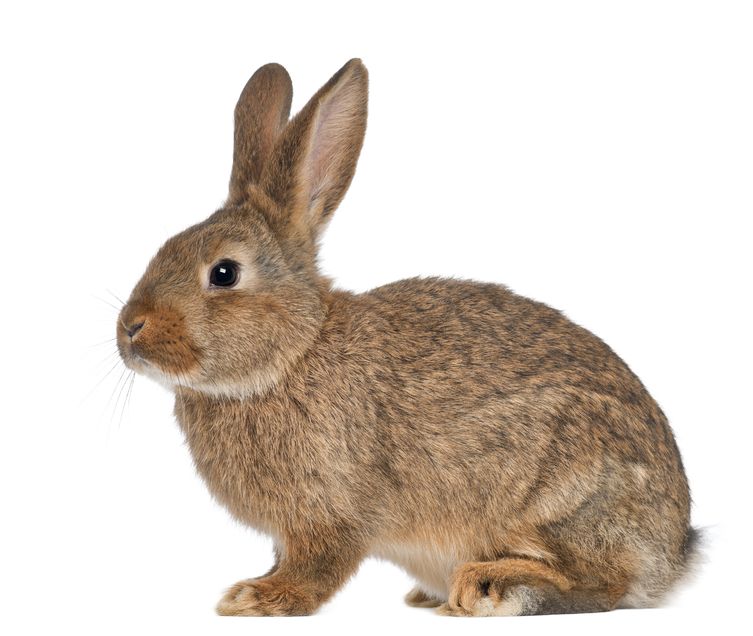
I am always thinking of ‘better’ ways to grow veg at home, and have had a huge variation in success over the last ten or fifteen years. It’s definitely getting harder though. The area I decided to develop and use at the cottage years ago, is south facing, on a steep slope and full of ground elder. It dries out really quickly (hard to imagine right now) and the ground elder is quite frankly a ‘bloody nuisance’. I also have to ‘share’ the plot with rabbits, mice, moles, voles and pigeons – oh, and now my free-ranging-further hens.
Rabbits were the biggest problem last year. It was like Watership Down here, but I like seeing them bounce about so had to try and work with them. I failed. Rabbits and hot, dry weather won handsomely.
This year I suspect the former won’t be a problem as we have had a severe outbreak of myxomatosis. It has to be the cruellest of diseases and yes, of course, – man made. The last couple of months have not only been agony for my ‘local’ rabbits but also for me, as I have found diseased and dying rabbits several times a week, either in my garden or in the adjacent lane. One morning I opened my front door to find one alive but motionless on the mat. It was as though he was there for help, and it just breaks my heart. Although it would be the kindest thing to do, I can’t dispatch them. I have to rely on a neighbour and when she’s not around I have been known to contact Phil from P & P Pest Control. It’s not my favourite thing to be writing about but he is just brilliant, ‘old school’, and is good with me too.
He is also a fountain of knowledge about all things ‘countryside’ and explained the myxomatosis cycle to me.
It originated in Australia as a method of controlling an exploding rabbit population. It was introduced to the UK for the same reason. It is carried by a flea which is immune to the disease, and which lays eggs in the warmth of a nest inside a burrow. These eggs hatch, the fleas hitch a ride on the rabbits and get spread by what rabbits are famous for. The eggs can stay dormant in a nest for years – until a rabbit moves in to have its young and then the cycle starts all over again. This explains the sporadic outbreak of myxomatosis when the rabbit population increases. As the rabbits multiply they are more likely to use a contaminated nest, and then go on to spread the infected fleas as they re-produce, sparking an ‘outbreak of myxomatosis.’
It is a savage way to die. I’ll spare you the details – if you know you know. If you don’t, let’s keep it that way. Phil was also explaining that there is a new rabbit-restricting disease on the block, supposedly introduced as there are no visible symptoms, making it less stressful for humans – which, unfortunately can’t be said for the rabbits.
The new disease, called Rabbit Haemorrhagic Disease (RHD), is a highly infectious and lethal form of viral hepatitis, with some viral strains also affecting hares. Most diseased or dead wild rabbits are never seen, as they die suddenly in their burrows.
The newer viral strain RHDV2 was first detected in Britain in 2014 and soon spread through wild rabbit population. Described as ‘more lethal than myxamotosis’, and with mortality rates generally ranging from 70 to 100 percent it’s not looking good for our wild rabbits.
Happy Hugelkulturing
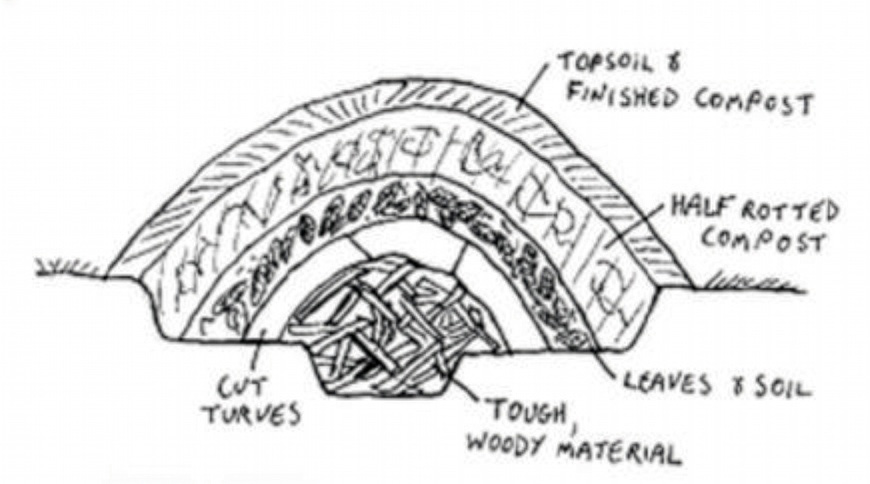 Back to my veg growing, a few years ago I constructed a Hugelkultur Bed for growing vegetables.
It’s a permaculture, no-dig bed-building technique which involves constructing raised beds from rotting logs, branches, leaves, soil and compost. By mimicking forest decomposition, these beds are said to provide long-term, self-fertilizing nutrients (for up to 20 years), excellent water retention, and improved soil warmth.
I was mostly inspired to build mine by being able to utilise a load of waste wood, and it was relatively successful, before the rabbit takeover.
Hugelkultur (pronounced HOO-gel-kul-tur, and meaning ‘mound culture’ in German) can take a bit of work to construct – it’s not just a quick way to get rid of rubbish.
Basically, the procedure involves creating a good foundation by laying large, partially rotted logs and thick branches at the base. As these decompose slowly they will produce nutrients and act as a moisture-retaining sponge.
Then you layer smaller brush, twigs, and green matter, like grass clippings or kitchen waste, to fill gaps and which will provide nitrogen. It is recommended to add some soil in the gaps at this level as the mound can dry out quite quickly otherwise.
The top of the mound is then covered with a thick layer of soil and compost for planting into. If you start by digging a trench for your woody base, you can use the soil you dig out to create the top layer.
Mounds should be 3 to 5 feet tall, with a minimum depth of 18–24 inches to be effective.
The woody core is supposed to store water from rain and release it during dry periods, potentially eliminating the need for irrigation after the first year. I’m not so sure it’s that effective, particularly in a summer like last year, but the decaying wood provides consistent, long-term nutrients and generates heat, which can extend the growing season for your veggies.
Use hardwoods for long-lasting beds, or softwoods for faster decomposition – or ideally, a mix of the two. Don’t use pressure-treated wood.
A Hugelkultur is suitable for growing a wide variety of vegetables, particularly deep-rooted, hungry crops, and can be topped up with compost and soils as it rots down and sinks.
Back Door Salads
 I’ve taken to growing my salad crops in large galvanised containers, which I got from a reclamation yard (it always reminds me of going to buy what your grandparents threw away) as they are just more manageable.
I have put them outside the back door so I can harvest salad leaves and herbs quickly and easily – it might sound obvious (or lazy, even) but often a barrier to picking and using your own veg is actually going to pick it, especially if it’s raining.
As my containers are quite sheltered by the back door, I have also been able to pick rocket and parsley right the way through the winter.
Full Nest Syndrome
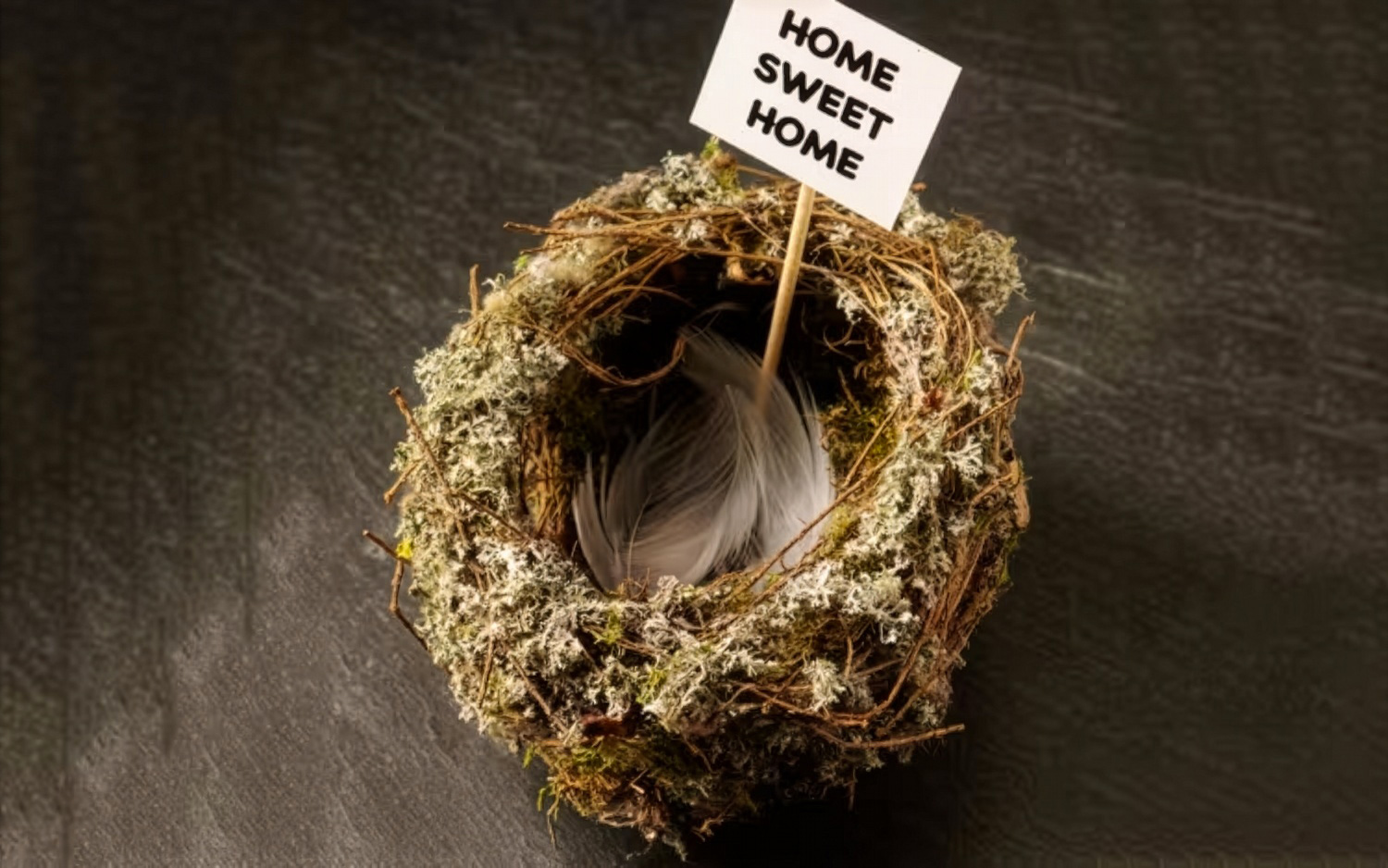 Next week is National Nest Box week. Started in 1997, providing homes for our garden birds has become more important than ever as our gardens, parks and woodland are neater and tidier than they used to be, depriving birds of natural habitats in which to find and build a home.
And to make matters worse there are fewer homely nooks and crannies in modern and renovated buildings, which also has a negative effect on the ‘housing market’ for our feathered friends.
The good news is that we can all do something to help – and our own garden or outdoor space (no matter how small) is a great place to start.
You can find all the information you need at www.nestboxweek.com and as well as providing a home for our garden birds, it is a fabulous way to boost our own wellness by being able to watch them set up home, raise a family and fly the nest. And all in a single season.
Leave a Reply