
Taken from Lynne’s weekly column ‘Green Scene’ for the Western Mail
6th May 2023

Coronation Rose
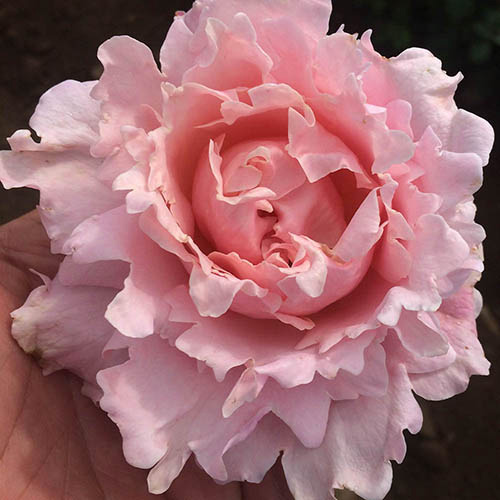 Not surprisingly, a rose has been named to celebrate today’s coronation. The ‘King Charles Coronation Rose’ is described as, ‘truly fit for a king’.
It is available from Harkness Roses, who have been breeding and growing over 200 varieties of exquisite British Roses for more than 140 years. They are obviously proud of their ‘regal rose’ describing it as, “A floribunda rose, it producing wave upon wave of striking clusters of medium-sized, double, baby pink blooms that contrast effortlessly against the bushy dark-green, glossy foliage. This truly is one of the most beautiful roses you can grow – each bloom has layer upon layer of pink petals with perfectly ruffled edges. Floribunda Roses produce clusters of flowers, creating a gorgeous result in your garden which guarantees to last over many seasons.
Make sure you plant the ‘King Charles Coronation Rose’ somewhere you can enjoy its lovely light fragrance that will keep going all summer, and well into the short nights of autumn. Along with being a memorable flower, the good news for new gardeners or those with very little time on their hands, is that this particular rose is also generally hardy, more robust and more disease resistant than other rose types. They really are one of the easiest types to grow and perfect for most garden situations, including containers for the more compact types. Supplied as a freshly potted, professional quality plant in a 5L pot, growing to a height of 1.2m. And priced at £29.99”
More details, and plenty more roses, from www.roses.co.uk
Coronation Chicken
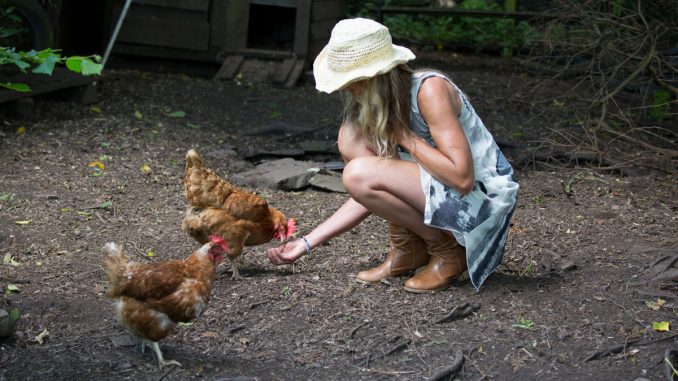
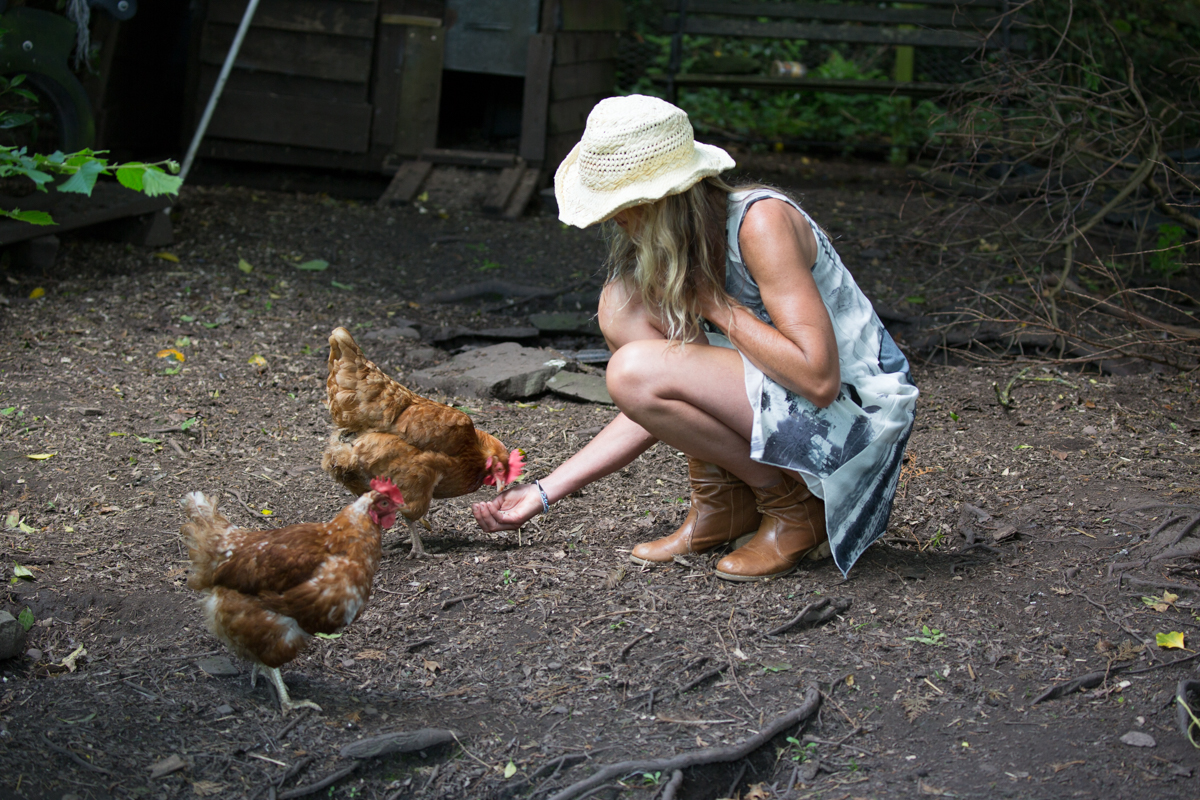 I hear there are several alternative coronation celebrations happening today. One reader suggested I took one of my friendly hens to the Forest of Dean.
Not for a day trip but to enter the competition for the most charming chicken. Cinderford Town Council will be holding the competition at today’s village fete with the Mayor deciding the pecking order. The winner will be crowned as the ‘coronation chicken’.
Ain’t No Sunshine
You won’t be surprised to read that we have just had the least amount of sunshine during March and April since 2004, but the most amount of rain in the same two months since 2001. It is often said that if it wasn’t for the weather most people would struggle to start a conversation but I think our ‘whacky weather’ has definitely been the number one topic so far this spring.
A damp cold April certainly hasn’t slowed the weeds down – with lots of Shepherd’s Purse already gone to seed and Speedwell proudly showing how it got it’s name.
However, one of the benefits of less sun is cloudier and warmer nights and no dig expert, Charles Dowding, is boldly predicting that the frost on the 20th April will be the last one this year. If he’s accurate, that indeed is another change in the weather as gardeners have traditionally been wary of damaging frosts right up until the end of May. Personally I will still be erring on the side of caution as vulnerable bedding and veg plugs are so expensive to replace now.
Unprecedented Resilience
 I mentioned the book ‘Resilient Gardening’ last week, which has some interesting ideas about how we should be changing our gardening habits to adapt to the more extreme weather conditions we are getting. It seems ‘resilient’ has taken over from ‘unprecedented’ in the ‘favourite-word race’ with the Royal Horticultural Society using National Gardening Week to broadcast that they want to rebrand ‘weeds’ as ‘resilient plants’.
Controversially, four of the 12 show gardens at this year’s Chelsea Flower Show will include the likes of brambles, thistles, nettles and knapweed. In their defence, Sheila Das, from RHS Wisley in Surrey, insists, “Weeds tell you what’s going on underground. Your weed is your adviser. It’s your friend. ”
Of course we are now in an era where we can only speak good of anything as not to offend, but try telling someone with a garden full of Japanese Knotweed or Mares Tail they are lucky to have such ‘persistent friends’.
There are many quotes around the perception of weeds including ‘a weed is only a plant in the wrong place’ and ‘all weeds are misunderstood flowers’. No matter how good the marketing, how weeds are perceived will of course depend on both the weed and the gardener.
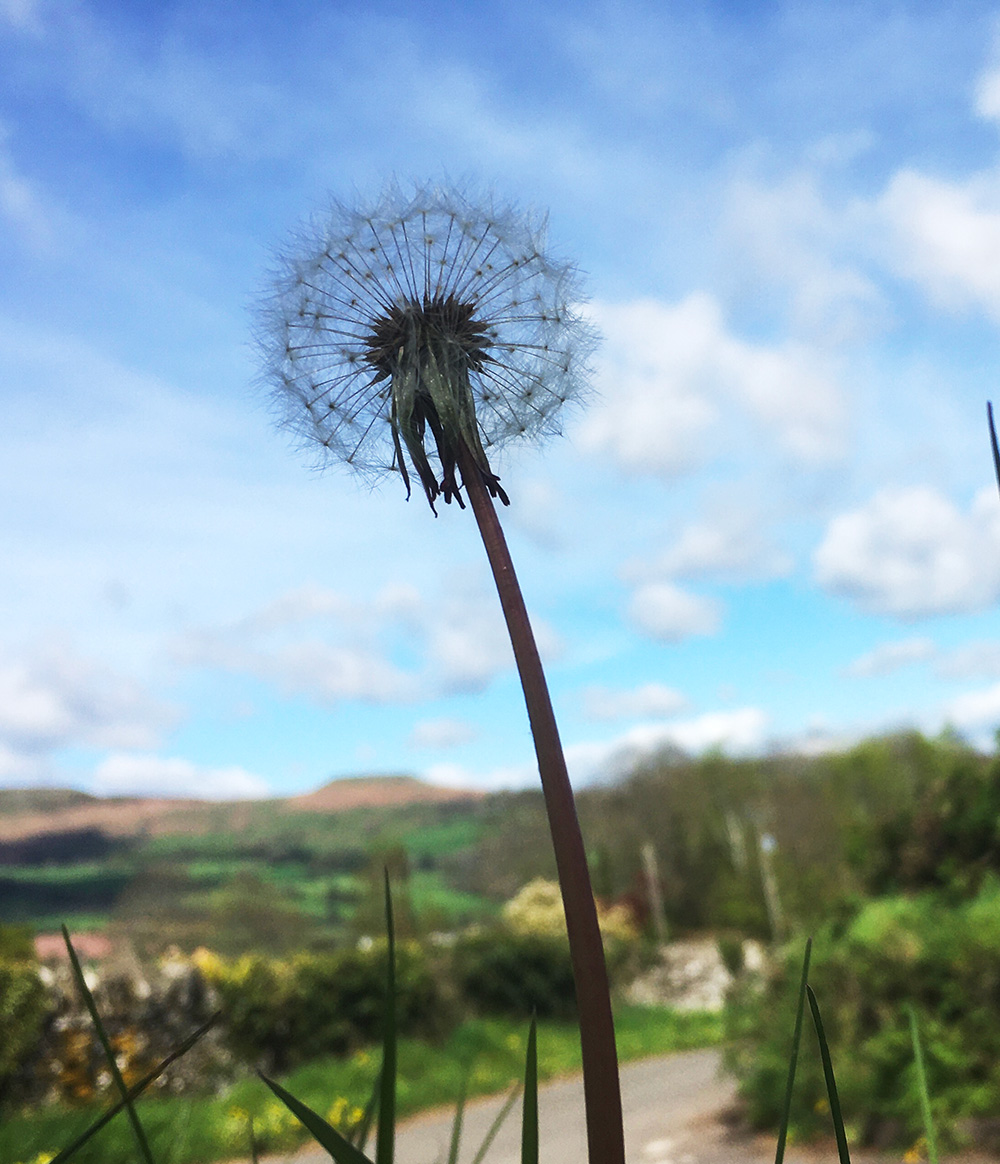
In one client’s garden I leave all the dandelions in the beds and borders for their tortoise to enjoy and I love the quote that shows a dandelion seed-head with the words, “Some see a weed, some see a wish’. And you can actually buy dandelions, which belong to the daisy family, as plants, plugs and seed, as I have mentioned in a previous column.
Geoffrey Hamilton always said, “Every garden will have its ‘challenging weed’. Here at my cottage it is ground elder. The first couple of years I battled with it, full of vigour and a desire for ‘weed-free borders’ but as it became obvious who was going to win, I have since learned to live with it and even grown to love it. I pick the young leaves and cook them like spinach and the tall, frothy, pollinator-friendly flower-heads are pretty in both the borders and in a vase indoors. And yes, you can actually buy the seed online too. The only thing I do in my own garden now is to keep the area around groups of herbaceous plans as free from ground elder as I can each spring, to make sure they are not suffocated. I have also discovered that ox eyed daisies will out-suffocate ground elder – so am slowly moving them into beds and borders.
But here’s the thing … to a lot of gardeners ox-eyed daisies are weeds. I think, as everything in life, you make your own choices, so ‘may all your weeds be wildflowers’.
Fascinating read again Lynne. Now I know that brambles and dandelions are there to be cultivated and not just eradicated, I wonder if my garden should be entered in the Chelsea flower show – it’s sure to get a silver at least!
Happy Sunday!