
Taken from Lynne’s weekly column ‘Green Scene’ for the Western Mail
13th November 2021

Tweet Treats
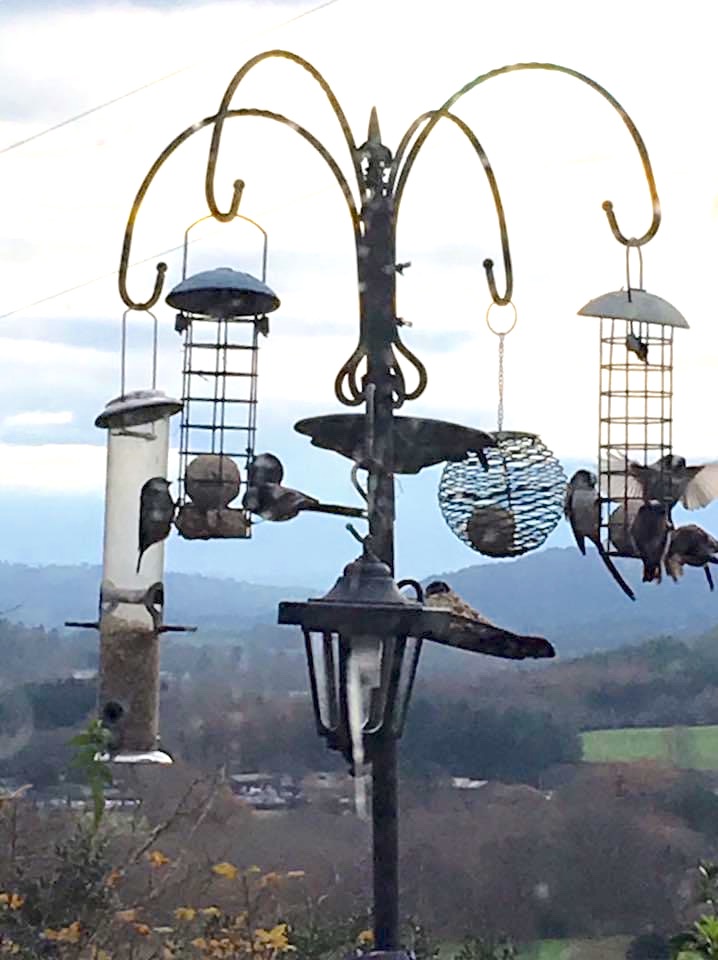
I adore watching the birds feed on my various bird feeders and am lucky enough to get a huge variety of visitors including blue tits, long tailed tits, robins, woodpeckers, bullfinches, and nuthatches – but I am a generous ‘feeder’ – and word obviously gets around.
Probably ‘tweeted’.
Even if you don’t feed the birds all the year round, please put out food for them during these winter months. It makes the world of difference. The long tailed tits for example, actually weigh less than a pound coin and during the winter find it really hard to maintain their energy supplies. They love fat balls and suet.
Recently I have spotted a few fieldfares, which will have arrived from Russia, Iceland and colder climes for the winter. They will love fallen apples and also cotoneaster and pyracantha berries. They are commonly known as ‘winter thrushes’ and if you haven’t got windfall apples in your garden, putting a few ‘shop-bought’ ones out for them regularly during the winter will be appreciated.
‘My birds’ are really enjoying the late berries on the Leycesteria formosa now. Also called Himalayan honeysuckle, its a useful shrub – a bit ‘oriental–looking’ and attracts a wealth of wildlife. Its other common name is Pheasant Berry as it used to be planted on large country estates as cover, food and shelter for the pheasants.
Be A Feeder
 As the days get colder, it’s critical for birds to find, handle and consume their food quickly. Some smaller species need to consume almost one third of their own body weight in food every day, just to get them through the frosty nights. Providing high-energy food for them has a very positive effect. Seeds and nuts, suet cakes and balls appeal to a wide range of birds and can help them survive the cold.
Different birds will appreciate different foods. Goldfinch and siskin enjoy smaller seeds like niger seeds; sparrows, woodpigeon and collared doves prefer large grains; woodpeckers, tits, and starlings will tuck into fat balls and peanuts whilst robins and thrushes love mealworms and live foods (which you can buy online). As mentioned, thrushes (and the ‘winter thrushes’) and blackbirds also love wind-fallen fruit.
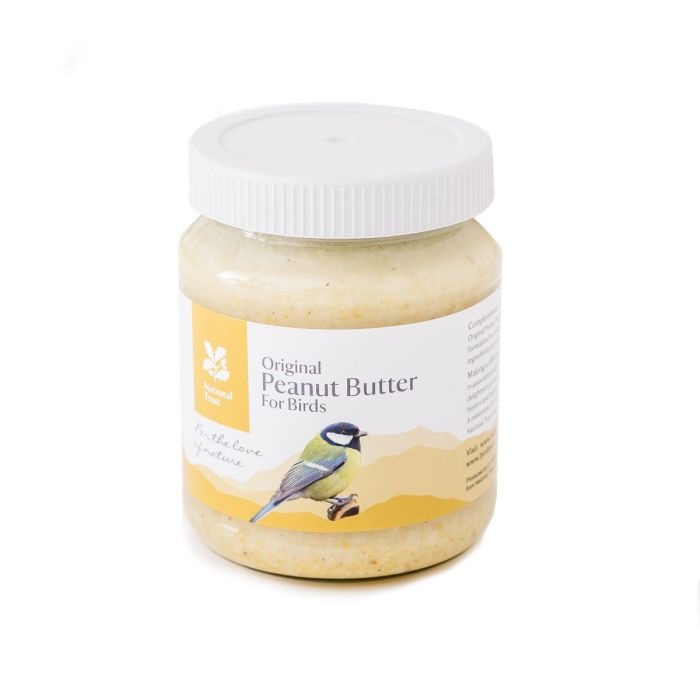
And not every bird enjoys eating in public – wrens are quite shy feeders and will avoid ‘crowded restaurants’. Put a bit of crumbled fat ball on the ground somewhere quiet for them. Although somewhere high is better if you know you have resident predators. And smear fat mixtures into the cracks and crevices of branches or bark for tree-creepers, nuthatches and woodpeckers. Peanut butter is also a great high energy food and is actually available especially for birds. www.reallywildbirdfood.co.uk/birdy-butter
Birdy Butter contains 29% fat and 14% protein, making it ideal food for our feathered friends. It is made of beef suet, wheat flour and peanut flour, dried mealworm, millet, linseed and rapeseed – so just be careful not to put it on your toast.
Nuts About Peanut Butter
 Believe it or not – November is Peanut Butter Month. And technically a peanut is not a nut, but is botanically classified as a legume (hence the name ‘pea’nut) and contains properties of both the bean/lentil and tree nuts. When I lived in the Caribbean, I was enthralled to learn that peanuts grew underground. And even more excited to harvest them.
While the origins of peanut butter can be traced back to the Aztecs and Incas, the modern history of it starts in 1884, when it was patented by a chemist by the name of Edson. His whole purpose in developing it was to ensure that those who had issue chewing hard foods would be able to have a delicious way to get the nutrition they needed.
Considering how flexible peanut butter is as an ingredient, Peanut Butter Month is a good time to check out recipes and ways of putting more of the ‘super-spread’ into your meals. It is a hugely versatile ingredient and capable of far more than adorning toast.
Try adding to pasta, to curries and even smoothies. It was Elvis who made the peanut butter, banana, and bacon sandwich famous and since then there have been even more weird and wonderful combinations concocted by peanut butter fans.
Try peanut butter and water melon, peanut butter and mayonnaise, peanut butter and apple and peanut butter and jelly, or even include it in a salad dressing or add it to homemade hummus instead of tahini.
Slightly stranger peanut butter facts include the word, ‘Arachibutyrophobia’ which is the fear of peanut butter sticking to the roof of your mouth and the fact that peanut butter is apparently excellent for removing gum from clothing and upholstery.
Waste peanut shells can be used to make kitty litter, kindling, and in America, in order to use the huge quantities of waste peanut shells, they are being made into briquettes. Definitely a case of waste ‘nut’, want ‘nut’.
Lots of Fun-gi
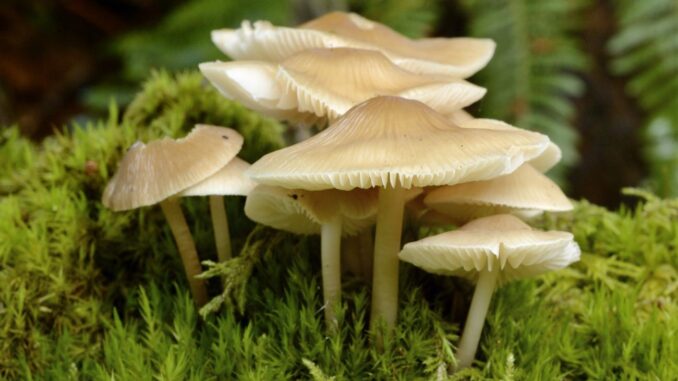
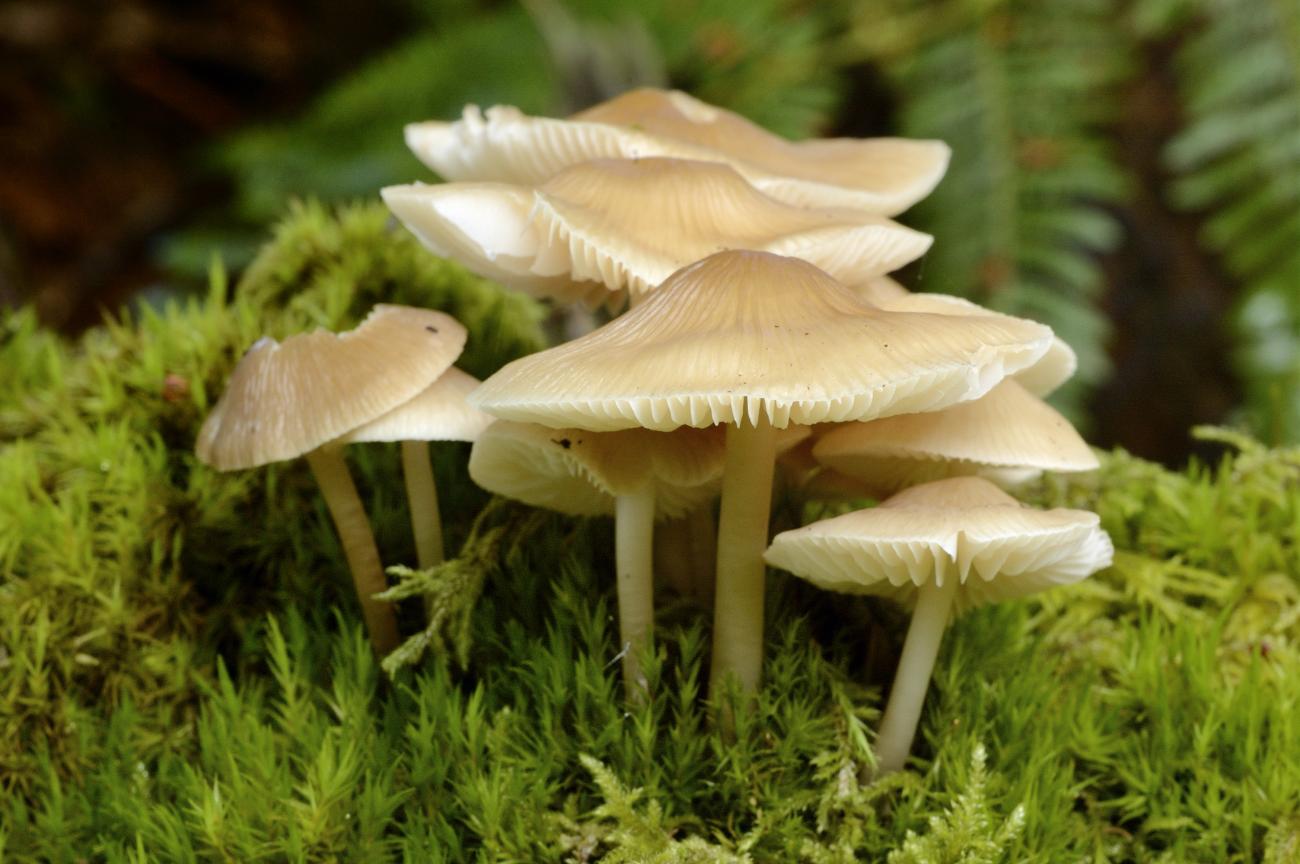 A few readers have been in touch to ask what they can do about the increasing number of toadstools on their lawns. The good news is that mushrooms and toadstools won’t grow in poor or nutrient-deprived soils, so they are an indicator of a healthy lawn and soil system.
You should never let your dog (or young children) eat them, so if that is a risk then it is best to pick them or mow them off, but other than that I would just leave them. They are prolific this year as it has been so mild and the ground is wet – their preferred conditions. Poor drainage will also provide mushrooms and toadstools with good growing conditions, so if they do bother you, you could try to aerate the ground to improve drainage. However, I’d be inclined to just leave them and they’ll die out once the weather gets colder. There is a chance that they will have sown spores by then, but that won’t necessarily mean you’ll be inundated next year, unless the conditions are perfect again.
Fungi grow in fascinating criss-cross formations both below the soil and sometimes across its surface (as you’ll notice in woodland), literally ‘eating up’ the decaying organic waste material such as fallen leaves, twigs, and old grass cuttings. In exchange it releases essential and beneficial nutrients into the soil assisting in other plant growth. Recycling at it’s most basic but absolute best.
Date For Your Diary
 On the 25th November I’ll be at Raglan Farm Estate who are organising and hosting ‘Lunch with Lynne’. It’s an informal event and I’ll be chatting about all the things I’m passionate about and holding a big question and answer session. It will be lovely to see you if you can make it. You can book at www.raglancountry.estate/lunchwithlynne or for more details, email events@raglancountry.estate or call 01291 691719.
Leave a Reply