
Taken from Lynne’s weekly column ‘Green Scene’ for the Western Mail
6th November 2021

St Martin’s Forecast
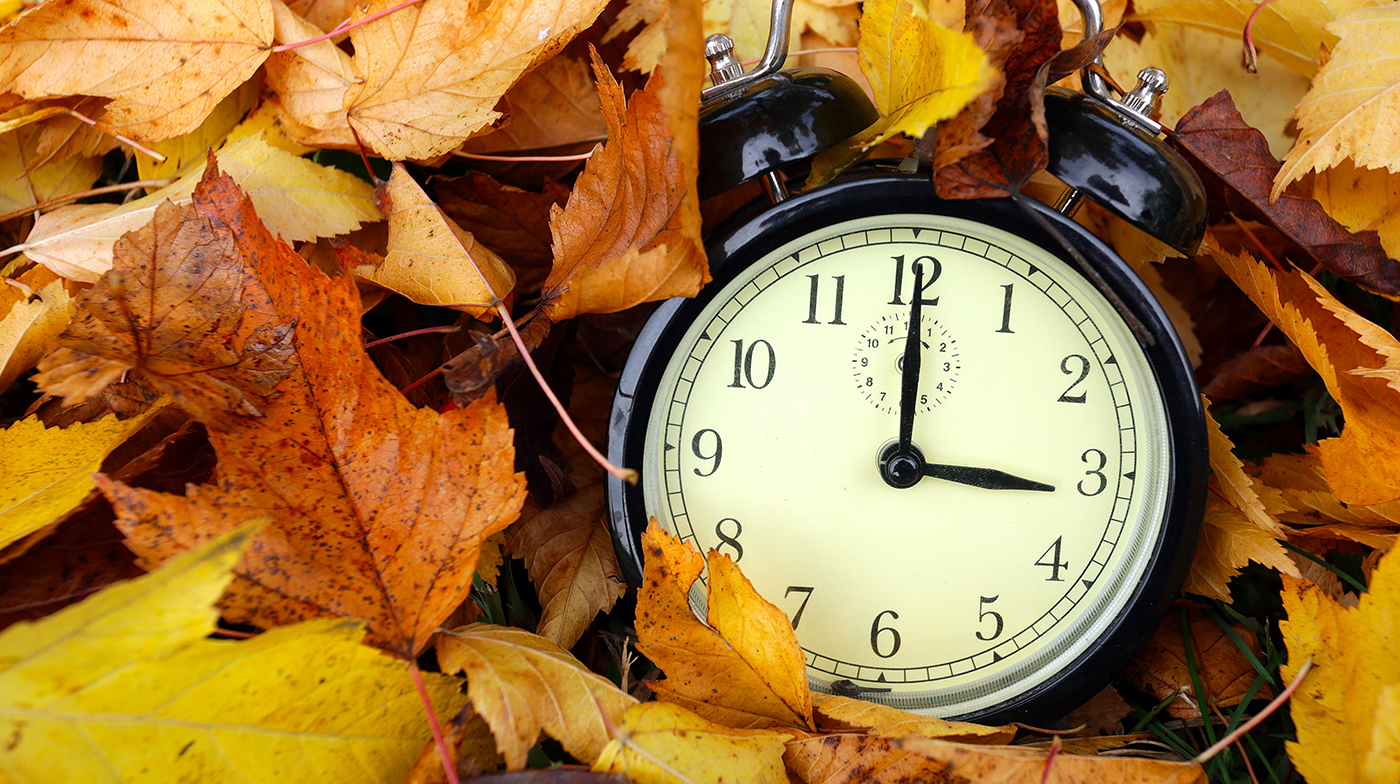
The clocks going back last weekend definitely make it feel more like winter, despite the lovely sunny days. It’s those sunny days that prompt anyone who spends a lot of time outdoors to utter, “It’s days like this that make the winter shorter.” I’m not sure it’s strictly true but you can’t fault a positive attitude.
I’ll be monitoring the weather on the 11th – St. Martin’s Day – as folklore says if it is fair, dry, and cold, the cold in winter will not last long. Similarly it is said that if the geese on St. Martin’s Day stand on ice, they will walk in mud on Christmas.
Poppy Points
 The Remembrance Poppy, which has been used since 1921 to commemorate military personnel who have died in war, represents a field poppy, Papaver rhoeas.
But whilst we are all familiar with the poignant little red flower, did you know that an infusion of petals applied to the skin is said to reduce wrinkles or that the seeds can be used in breads and baking?
Other common names for the field poppy include the common poppy, corn poppy, corn rose, Flanders poppy and red river poppy. The seed of this determined little field poppy can remain dormant in the ground for as long as 50 years when buried or kept in darkness by vegetation. The annual poppies germination is dependent upon ground being disturbed and exposing them to light. This is why you will see them adorning a new motorway embankment or popping up in imported topsoil.
I also adore the little yellow and orange Welsh poppies but despite their name, they aren’t really poppies at all, but a member of the Meconopsis genus, a group of flowering plants that have poppy-like characteristics. I love the way that they will only flourish where they want to and are particularly obstinate to bloom where you want them to. Mine insist on growing between the flagstones and have become wise to the fact I leave them there.
Suttons seeds are offering Field Poppy (Papaver rhoeas) seeds that include a donation to SSAFA. An average packet contains 2800 seeds and all proceeds from packs sold up to 11/11/18 will go to SSAFA, the Armed Forces charity. So you can just get an order in if you are quick after the 11th, for every pack sold, Suttons will donate 20p to SSAFA.
Lest We Forget The Animals
 Purple poppies are being seen more and more as they commemorate the animals that were injured and lost their lives in conflict. According to the Animals in War Memorial Fund, eight million horses died in the First World War. They were used to transport ammunition and supplies to the front line, but they weren’t the only animals involved during this period. Dogs were relied upon for duties including detecting mines and digging out bomb victims, while 100,000 pigeons were used to carry messages.
To honour these animals lost in service, stolen pet charity Murphy’s Army is encouraging members of the public to pay tribute to the many animals lost in service through its Purple Poppy Campaign.
The campaign began in 2016 and has grown each year as people want to show their respects for the animals lost in service over the years, and for those who serve us today.
This year the charity received over 2,700 knitted poppies made by volunteers around the UK, and due to the overwhelming response, they have already sold out
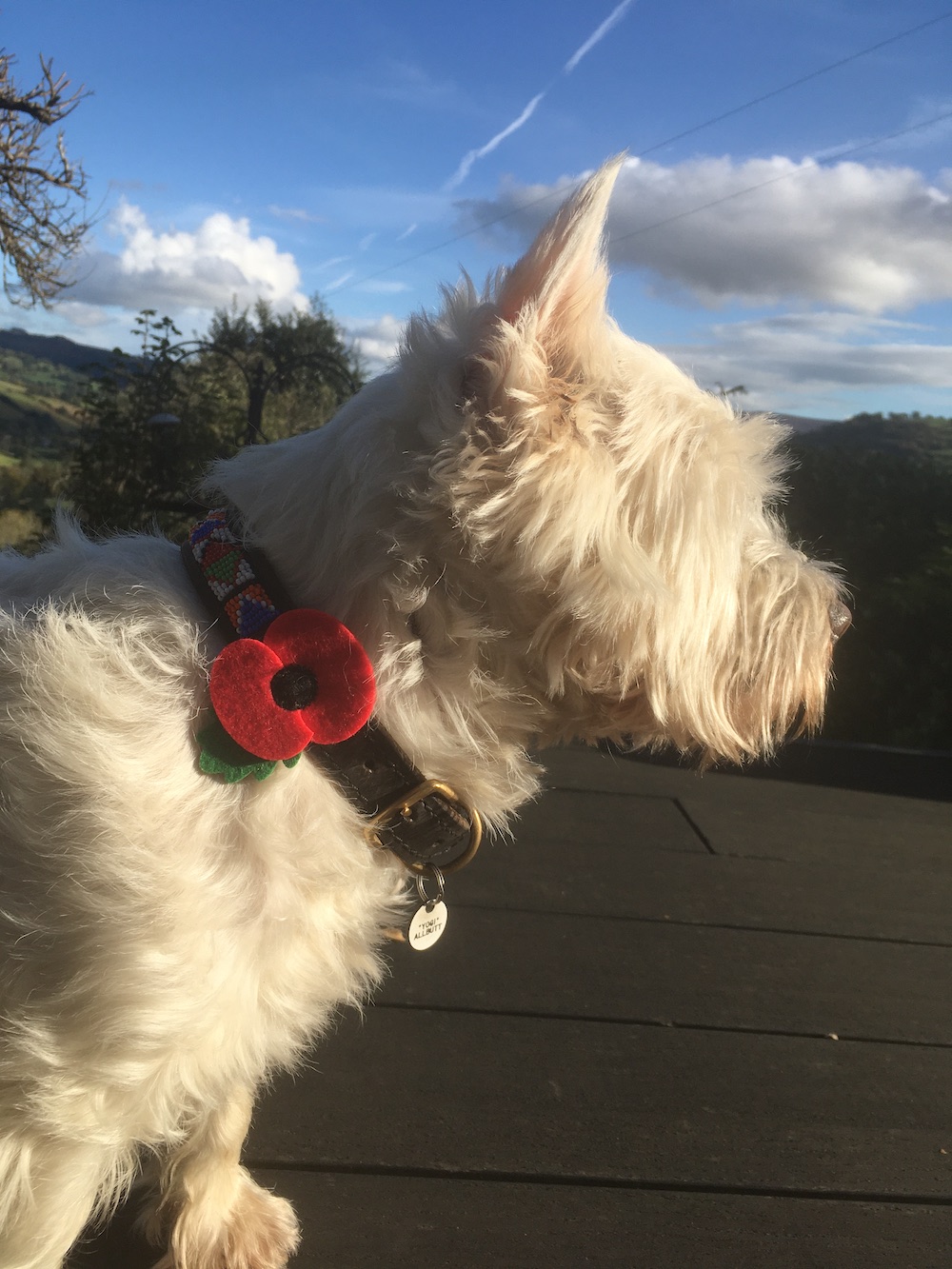
Yogi couldn’t get a purple poppy this year but is wearing her red one with pride. Pets at Home are selling the collar-poppies at their stores.
Silent Night (If Only ..)
 The irony of National Stress Awareness Day (4th November) being the day before Fireworks Night is never lost on me. It is such a stressful time for so many. And although it was the 5th yesterday, I’m sure the firework displays will continue for a few nights yet.
I don’t have to remind you about the stress and danger some animals and pets are put under through their fear of the loud explosions, but it’s not just our beloved pets that suffer. Studies show that the often-unexpected firework explosions affect wildlife, the elderly, PTSD sufferers and even children. Radio 2’s Zoe Ball recently admitted that her 11 year old daughter is still absolutely terrified of the noisy fireworks.
It has also been proven that birds have panic attacks, resulting in mass deaths, bees are disorientated and often leave their hives unable to return, and wild animals have abandoned their young; horses have run in panic through wire fences and dogs often escape and end up on dangerous roads, and have even had fear-based heart attacks.
It’s horrendous – I can’t think of anything else that causes such distress and destruction that is still seen as ‘celebratory’.
And that’s why I am still campaigning for Silent (or Low Noise/Quiet) Fireworks – please sign and share the petition here.
www.lynneallbutt.co.uk/your-story or simply go to my website and click on Silent Fireworks Campaign.
The Welsh Assembly Government has told me that I need over 10,000 signatures for it to be considered. They advised that it is actually probably more prudent to lobby local authorities to use silent/quiet fireworks for their displays and to encourage the public to do the same.
Wouldn’t it be fabulous to think Wales could be the first to lead the way with the silent or low-noise fireworks and show respect to our animals, wildlife, the elderly and veterans?
Leave a Reply