
Taken from Lynne’s weekly column ‘Green Scene’ for the Western Mail
27th July 2019
 The Nature of Nature
I’ve had a tricky week this week. Firstly I was stung by my own honey bees as I was picking peas from my own garden. They are bees which moved into an empty hive and have just got more and more bad tempered as the summer has gone on. So much for gratitude; I have obviously read them the Riot Act and told them that they can ‘buzz off’ unless they change their attitude. A week later I am still scratching two big red lumps and picking peas with a beekeeping suit on.
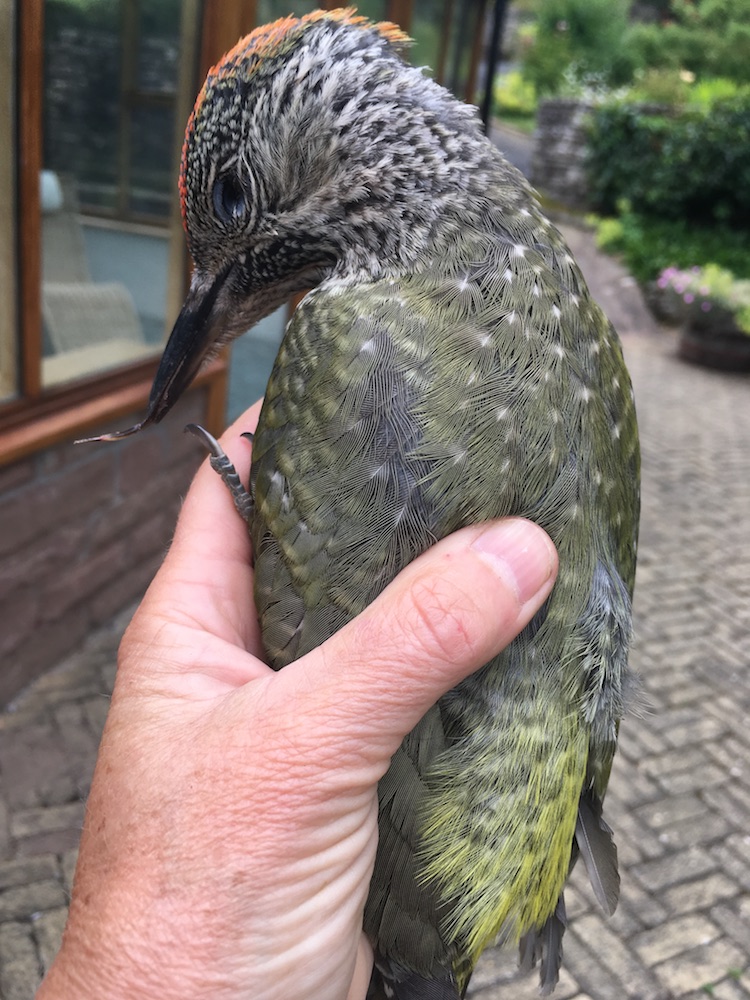
Then I found a dead juvenile green woodpecker, which had flown into a client’s conservatory window. Such a beautiful bird, and so sad to see. I have had a few juvenile birds fly into my patio windows at home, but thankfully they have been OK. The thud always makes my heart sink and it is such a relief to pop outside and not find a dead or dazed bird.
Then Yogi found a huge wasp’s nest and I had a terrifying time brushing angry wasps off of her before picking her up and running for safety! Thankfully she was okay but the stripy ones were not happy campers at all. It is the first wasp’s nest of the season for us but a good reminder to keep an eye out for them.
And two days later I watched helplessly as a bird of prey swooped above my head and took out a magpie in mid-flight.
The fun had gone out of the week for sure.
I have said before that people are inclined to think my life is a Walt Disney story, but honestly at times it’s more Stephen King! But it’s not all horror. I know nature can be cruel but I also know that she balances her books.
I have watched adult song birds teaching their young to feed on my bird feeder, the jasmine cwtching the cottage smells divine, and the borders are full of colour and bees and butterflies. And so all is well.
Get off your Glass
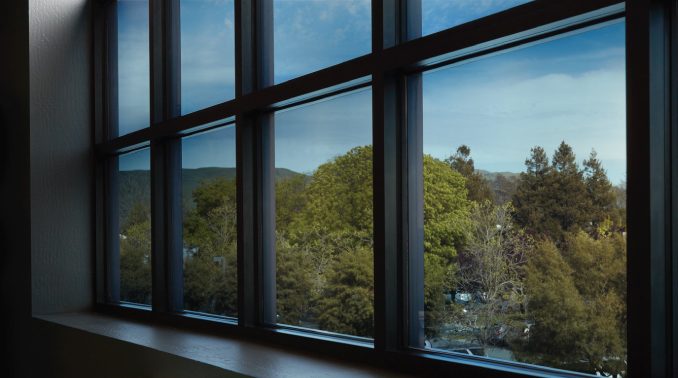
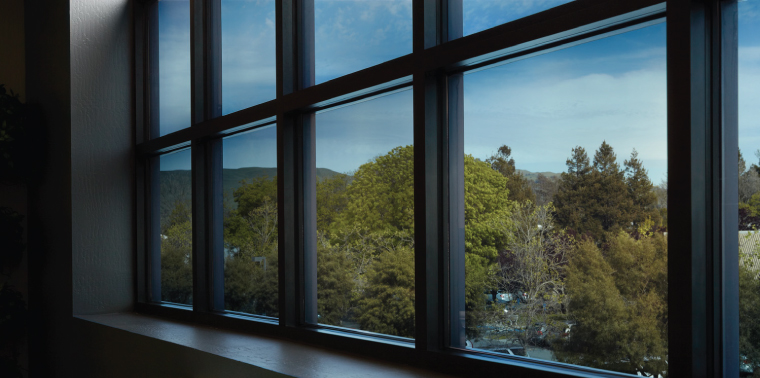 After finding the dead woodpecker, I researched to find something to prevent, or deter, birds from flying into windows and was shocked to see just how common it is. I hadn’t even thought about the amount of glass in buildings and offices in cities and even bus stops. It is heartbreaking to learn that millions of birds are killed each year by ‘window strikes’.
Daytime strikes occur because birds cannot perceive images reflected in glass as reflections, and therefore will fly into windows that they think are trees or sky. Clear glass also poses a danger as birds, like humans, have no natural sense designed to perceive clear glass as a solid object. Birds will strike clear glass while attempting to reach habitat and sky seen through corridors, windows positioned opposite each other in a room, ground floor lobbies, glass balconies or where glass walls meet at corners. And more and more glass is being used in buildings to ‘bring the outdoors indoor’. Ironically our ‘love of nature’ is killing a large part of it.
There are a number of ways to help to deter bird strikes, from stickers to decorative spinning spirals and drawing very fine lines onto the glass. Do have a look on the Internet for some ideas.
I was heartened to read that Toronto is dealing with this on a huge scale. Their missive is well worth a read. Can we do something like that here in Wales? Anyone?
https://web.toronto.ca/wp-content/uploads/2017/08/8cd7-Bird-Friendly-Development-Guidelines.pdf
Peas and Goodwill
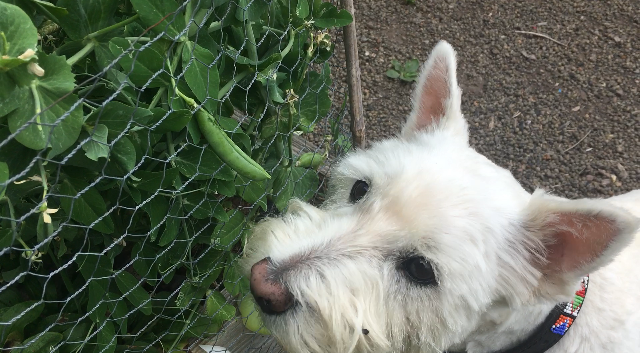 I may have to pick my peas in my beekeeping suit but it doesn’t take away from the pleasure they bring. Hardly any make it to the kitchen as me and Yogi pick a handful every evening and sit in a bee-free zone to eat them. Yogi picks her own in between, as the photo shows.
I always give the empty pods to the pigs (not much goes to waste here) but then I found this amazing recipe for pea pod soup. What a fabulous way to use the pods.
You will need:
- 2 tbsp olive oil
- 1 medium onion, roughly chopped
- 2 cloves garlic, minced
- 1 large mixing-bowl’s worth of pea pods
- 1 litre of veggie stock
- 1 handful of fresh thyme
- 1 lemon and zest and salt and pepper to taste
- Place a large soup pot over medium heat and warm a glug of oil in it.
- Sauté the onion until it begins to turn translucent (about 5 minutes).
- Stir in garlic and sauté another couple of minutes.
- Add pea pods to the pot and pour in the stock, which should just barely cover the pods (add a bit of water if the stock seems low.)
- Throw in the thyme, stems and all, cover and bring to a gentle simmer.
- Uncover the pot and allow the soup to simmer until the pea pods are very tender – about 45 minutes.
- Remove the soup from the heat and let it cool for a few minutes.
- Pick out the thyme stems.
- Transfer the soup to a blender and process for a few seconds (you’ll need to do this in batches). You’re not trying to purée the soup – the pods won’t ever break down that much– but to chop the pods up and release all their juices and soft flesh.
- Strain and squish the soup through a fine-mesh sieve, extracting as much liquid as possible.
- Stir lemon zest into the strained soup, and taste.
- Add as much salt and pepper as you like.
It’s ‘soopah’ hot or cold!
Leave a Reply