
Taken from Lynne’s weekly column ‘Green Scene’ for the Western Mail
9th January 2021

Take the First Step
Amid all the new year resolutions and the rapidly increasing frustration of watching them slip through your fingers, I offer you respite with the saying, “It’s commitment you need to start working toward a goal, not a date.” And another favourite, “If you wait for perfect conditions, you’ll never get anything done.”
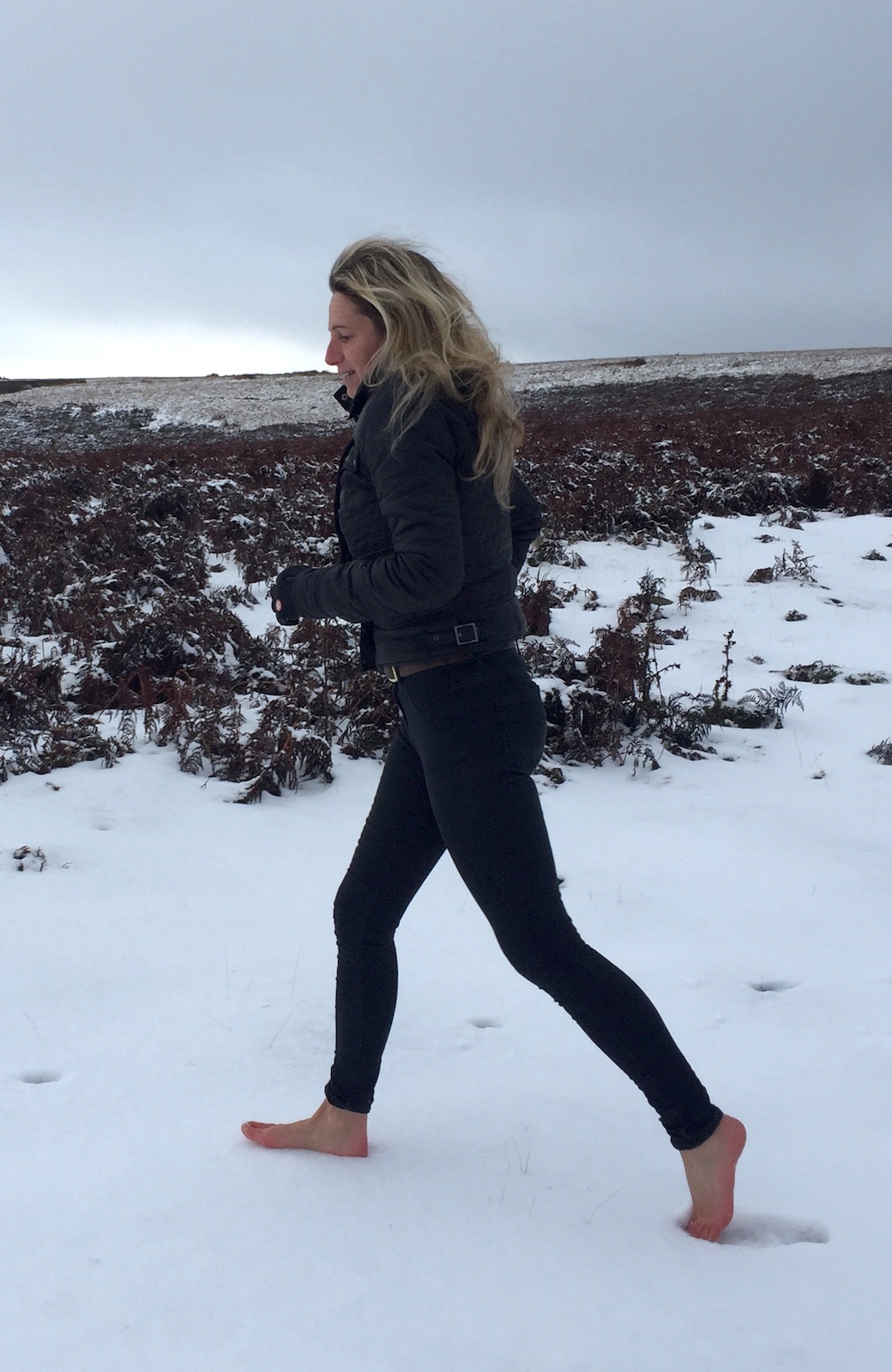
Two very relevant, and hopefully helpful, quotes particularly for this time of year. When I began my barefoot running training years ago, I remember fabricating all sorts of ‘excuses’ for not ‘starting today’ – I was too tired, too busy, the weather wasn’t right – even my gym kit wasn’t right (for what I’m not sure!). But I soon learned that the most important steps were not the ones racked up on the run itself, but the first couple out of the door.
It will have been a tough start to the new year for many people. Years ago, realising mood and morale often plummeted with the winter temperatures, a friend and university professor, Cliff Arnell (of Twixmas fame) devised a formula for ‘Blue Monday’. He suggested that the third Monday of January deserved this questionable accolade due to a combination of post-Christmas blues, cold dark days and the arrival of unpaid credit card bills – and that was without the added tiers, or tears, of a continuing pandemic.
The actual date was calculated by using many factors, including: weather conditions, debt level (the difference between debt accumulated and our ability to pay), time since Christmas, time since failing our new year’s resolutions, low motivational levels and feeling of a need to take action but not knowing where to start.
Due to COVID 19, the usual new year roller coaster has become more of a corona-coaster, as we are now unable to meet friends and family, go to the gym, the beach, and a number of other once-taken-for-granted activities that helped us overcome that January hump.
So keep staying safe, keep being kind and remember that winter will eventually turn into spring.
Watch the Birdie
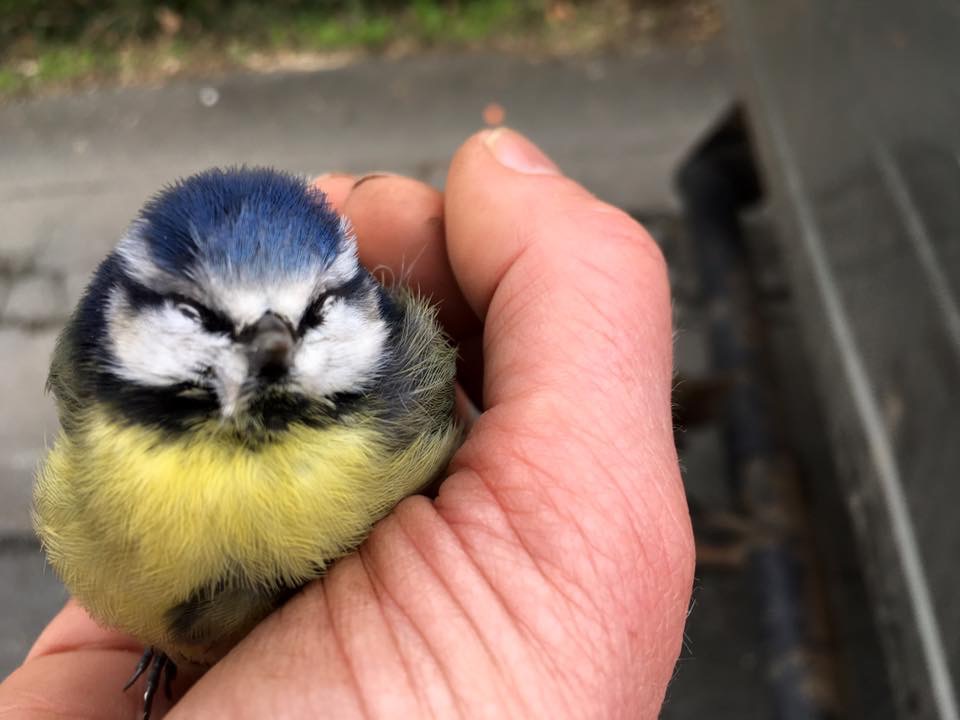 Something we can all join and take part in, is the Big Garden Bird Watch. It’s time for the RSPB’s annual, and the world’s largest, bird survey and we can all take part easily. Just choose an hour between 29th and 31stJanuary to count the birds that land in your garden or on your balcony, and simply submit your results.
I’m giving you a couple of weeks notice, so that you can download or order the printable bird ID sheets, guides and information packs and get yourselves sorted. Go to www.rspb.org.uk/get-involved/activities/birdwatch/ for all the details you need.
As a result of people contributing to the BGBW, the RSPB now has over 40 years of data which has helped to highlight the challenges faced by wildlife.
It was one of the first surveys to identify the decline of song thrushes in gardens. This species was a firm fixture in the top 10 in 1979. But by 2019, those numbers had declined by 76% – coming in at number 20. House sparrow sightings dropped by as much as 53% after the first Birdwatch in 1979, but in the past 10 years their numbers have grown by 10% showing that we are beginning to see some signs of recovery.
And you don’t have to limit your ‘twitching’ to the last weekend of January, as The British Trust for Ornithology are encouraging people to ‘stay connected to nature, learn about your garden wildlife and contribute to important scientific research without leaving your home’ by giving everyone free access to the BTO Garden BirdWatch during the COVID-19 lockdowns. More information at www.bto.org
No More Neat Freak
 A lot of work can still be done in the garden through the winter (something my bank manager is much happier about than I am), but it is important to remember that whilst a garden may be an extension of your home, it is actually home itself to a lot of wildlife. Please try to leave areas that may be offering solace to sleepy – or hungry – wildlife, undisturbed.
For years ‘putting gardens to bed for the winter’ was like an Olympic sport for me. It had to be done for every client, as well as my own. I sigh heavily now just thinking about it.
Obviously it will depend on the size and location of your garden as to just how many residents you will have, and their guise, but even a window box could be providing bed and board for beneficial bugs and beetles.
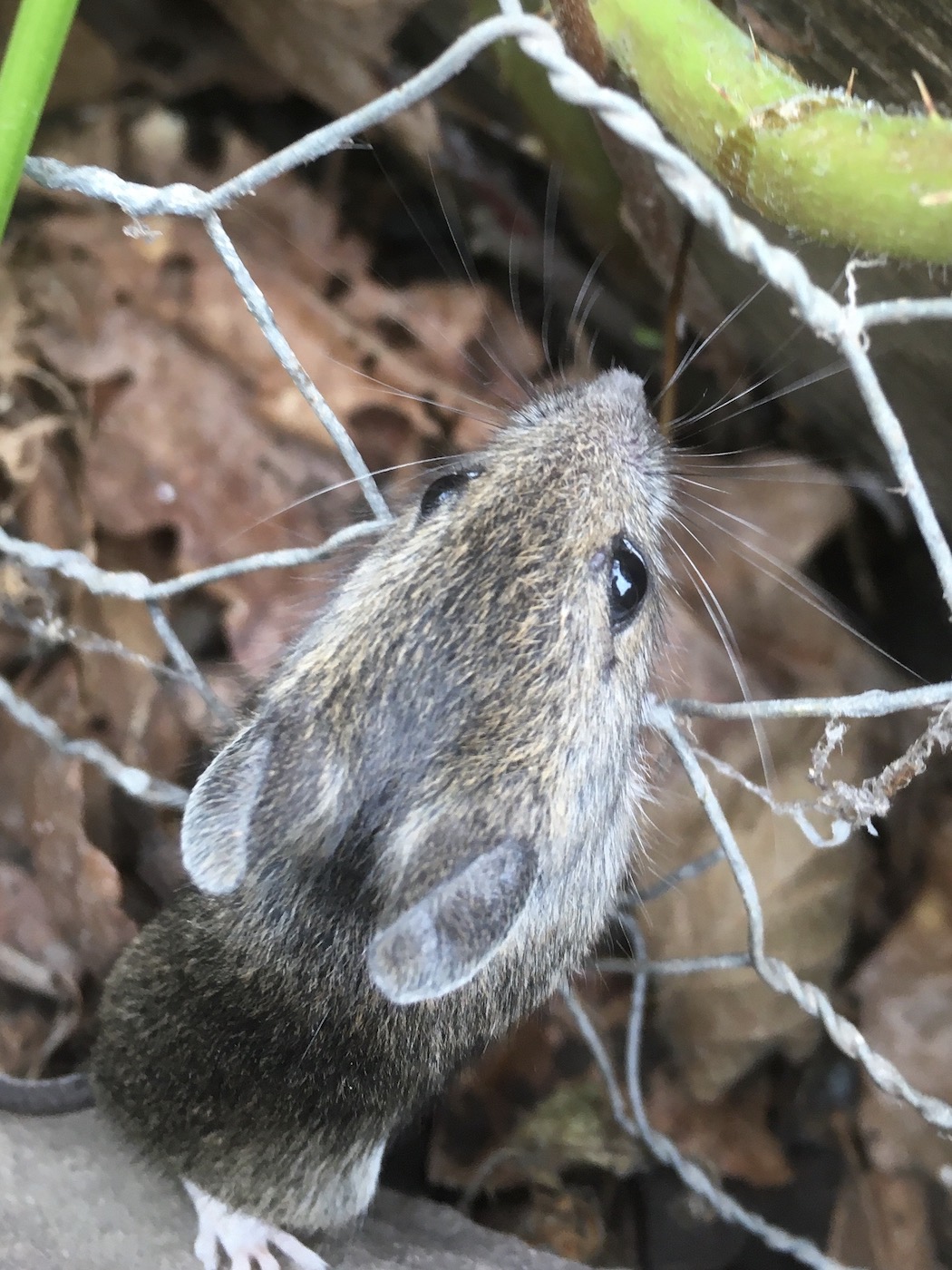
Other gardens may be offering lodgings for hibernating hedgehogs, frogs and toads, newts, as well as those creatures that are still busy foraging for food in the harsh winter months. I have just watched a rather tubby shrew scurry out of a dry stone wall and help himself to the fall out from the bird feeder, and I spot a healthy looking field mouse most days – and who doesn’t seem to mind the camera!
Whilst messy clumps of decaying Montbretia play havoc with my OCD streak through the winter, they will probably also play host to field or wood mice too. Inevitably if you do cut back the likes of these herbaceous ‘shelters’ you will find a neat little balled nest. And that is a lot more distressing than having to deactivate an OCD trigger.
Birds will continue to feed on berries and seeds through the winter, so hard pruning can deny them of their vital supplies too. Even the soggy, unappetising-looking berries of Hypericum can provide a meal for something furry or feathered at this time of year.
A reader recently emailed me to share her wrath after seeing the harsh pruning carried out in a city cemetery in late autumn last year, denying the resident robins their protective cover and food. Of course, private gardens are only a small part of the big picture. So for the record, I would (politely) be very happy to advise the local councils how they could ensure that the public spaces they are responsible for maintaining are user-friendly for wildlife as well as people. On the whole, the council workers do a great job of looking after highways and public spaces, but in times of ever-increasing financial cutbacks it might be worth revising which green cutbacks can be reviewed. Sometimes less is more.
Leave a Reply