

Taken from Lynne’s weekly column ‘Green Scene’ for the Western Mail
18th April 2026

Puppy Love
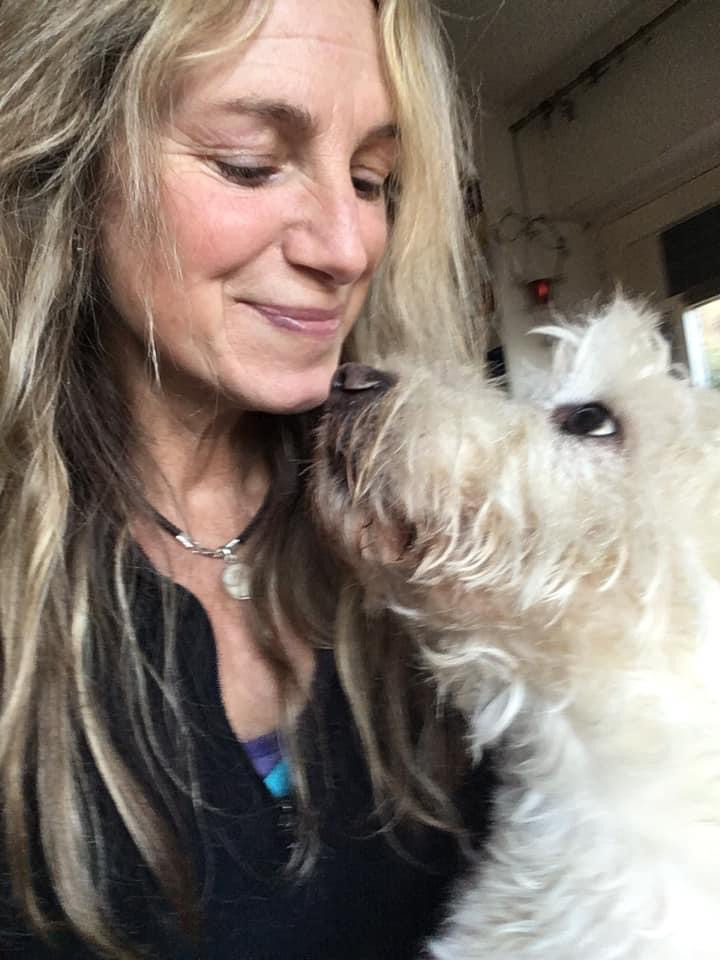
I read last week that a new report by leading UK pet charities and organisations, including PDSA, Dogs Trust, and UK Pet Food, has revealed that the UK dog population has increased by three million over the past five years. Dog ownership in the UK is now estimated at 15.5 million, with 41% of households having a dog.
The number of people who introduced a dog into their home rocketed during the pandemic and has since kept on increasing, particularly among the 25-34 year olds. Our canine companions remain the most popular pet and whilst most people who have a dog just have the one, a quarter of all dog parents have more than one.
And more 16-24 year olds are now realising the benefits of having a canine companion – there’s a reason they are called ‘man’s best friend’.
Whilst 55% of dog owners have a pedigree dog, 28% have a crossbreed, and the growing trend is for ‘specialist crossbreeds’, like Labradoodles, Cockerpoos and even Puggles (Pugs x Beagles). We were lucky to have grown up with dogs in the house, and apparently Sam, our sheepdog, taught me and my brother to walk, as we would hang on to him tightly whilst he patiently waited for us to use our own legs. All of our dogs were ‘crossbreeds’ which were then fondly known as ‘mongrels’ and usually the result of a clandestine coupling rather than a money making breeding programme. Even Sam, whilst looking like a sheepdog, was described as ‘having a bit of something else in him.’
The survey also shows that there is a slowing in dog ownership and signs that there is a return to pre-pandemic habits, including decreased home working and a rise in dogs left home alone for longer during the day.
The popularity of dog-friendly cities and urban areas also means that there is an increase in younger generation ‘paw-rents’ living in towns and cities, making good use of the safe parks and green spaces. And a lot of cafes and eateries are welcoming dogs now too. I had a very rare lunch out with friends recently and The Castle Hotel in Brecon actually has a Doggy Menu and snacks for your pooch. Needless to say, I bought Yogi a packet of treats by way of an apology for not including her. Although she would rather sleep in than eat out these days.
Doggy Days Out
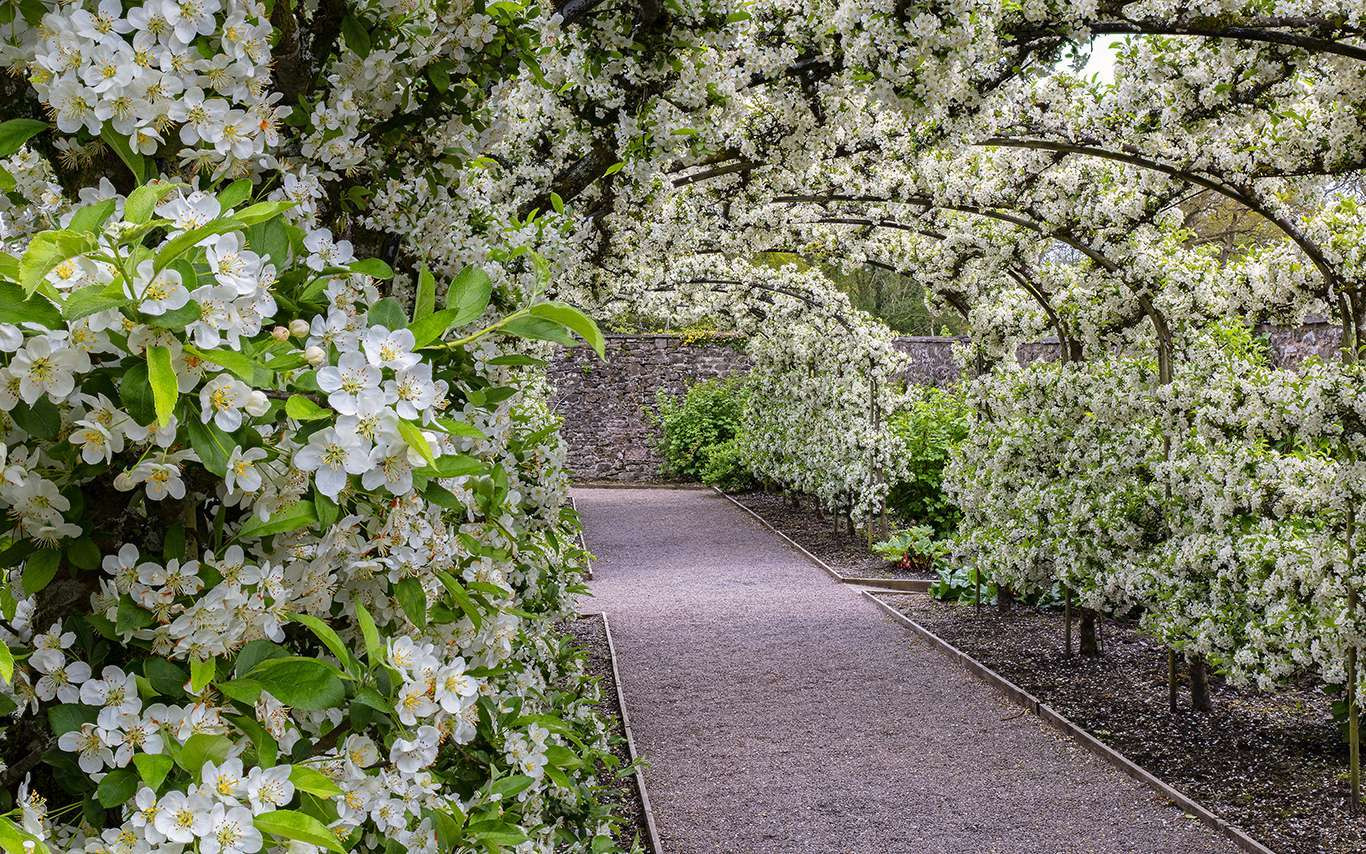 Aberglasney Gardens in Llangathen, Carmarthenshire now offer ‘Doggy Days’ when you are welcome to enjoy the gardens with your canine companion. Obviously there are a few rules – mostly based on common sense and respect for the garden and other visitors – which you can read at www.aberglasney.org/doggy-days prior to a visit.
The gardens are open from 10am – 6pm and the tearooms from 10:30am – 4.30pm. And as the tearoom is a small indoor space, they provide table service on the terrace for pooches and paw-rents.
There’s lots to see and enjoy this month – and every month – at Aberglasney. My ‘favourite flowers’ now are Camassias, and you can see those in all their glory at the Gardens along with bluebells carpets, tulips, alpines, magnolias, and the magnificent Malus arbour, as well as enjoying specific areas like the kitchen gardens, stream and sunken gardens. If you are going to see something in particular, I would always call first just to make sure it’s in bloom, as flowering periods can vary hugely even within a few miles.
There are also numerous events and exhibitions held at the Gardens throughout the year, with guided History Tours of the Garden every Friday, and Mansion Tours, offering guided tours of the unrestored upper floors of the Grade II* listed mansion, on the last Friday of the month.
You can even stay at one of Aberglasney’s two 5* holiday cottages, with the Gardens only footsteps away. The Daily Telegraph’s ‘Great Garden Sleepover’ feature named Aberglasney and these delightful cottages amongst the best UK gardens to stay in ‘for a taste of horticultural heaven’. All details are on their website.
Natural Bird Food
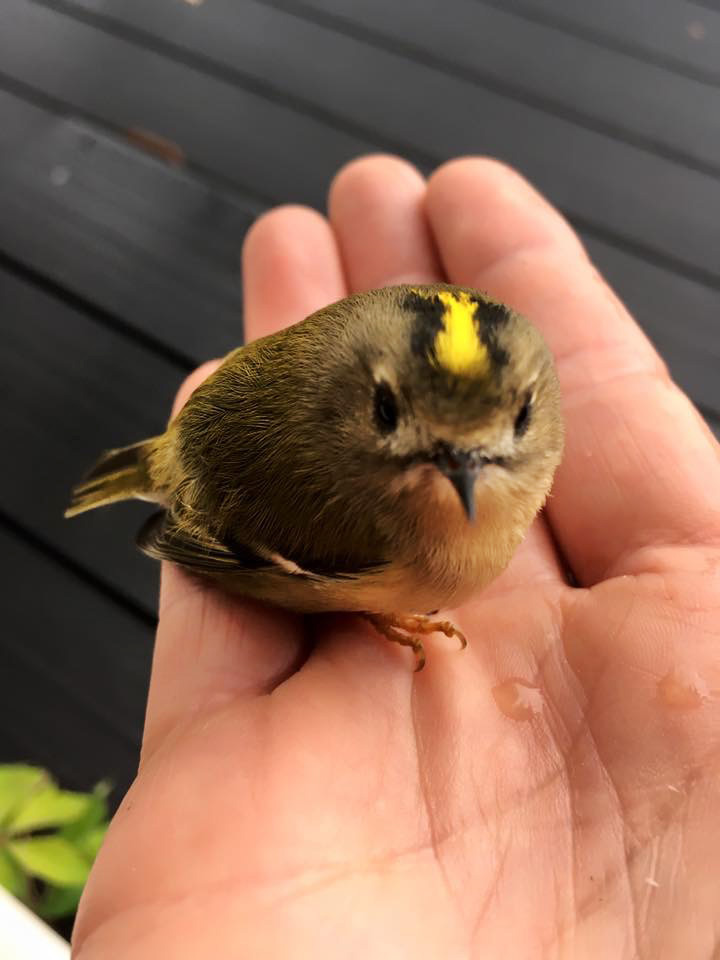 The Big Garden Birdwatch that takes place at the end of January each year has revealed a worrying decline in some of our much-loved garden birds due to a disease called trichomonosis, and demonstrates why such surveys are so important – so, well done if you took part. Trichomonosis is a highly contagious disease and therefore can be easily spread where birds gather in large numbers, such as at bird feeders.
Greenfinches have dropped by over 65% in the last three decades. When the Big Garden Birdwatch started in 1979 Greenfinches were at number seven in the top ten birds recorded. This year they were down to number 18. Interestingly, Wood Pigeons were top of the list with Blackbirds second, Crows third and Magpies fourth. Starlings were fifth and it was only at number 6 that a proper little garden bird made the list – the Sparrow. Then the Black-headed Gull and feral Pigeon were in positions 7 and 8, with the Robin and Blue Tit being at 9 and 10 respectively. Now don’t get me wrong, I like all birds but I am (secretly) disappointed and concerned at the lack of ‘little’ garden birds in the top ten.
The RSPB are warning that we are currently experiencing huge declines in the UK’s Greenfinch and Chaffinch populations, and we may also be seeing a rapid decline in Bullfinches – all caused by trichomonosis. To help slow the disease the RSPB are asking that we ‘feed the birds seasonally’, which means pausing bird feeding from now until November. We can still feed birds as normal through the winter months as the disease is halted by cold weather.
If you still want to watch the birds visit, then it is recommended to just put out small amounts of fat-balls and mealworms as finches aren’t keen on those but other birds will still benefit from a little help during the breeding season. To further reduce the risk of disease, please feed only small amounts, don’t use bird feeders with flat surfaces, keep your feeders clean, and change water for them to drink and bathe in, every day.
From April onwards, there are more natural foods available to birds in our gardens, such as flower seeds and insects, and it is good to encourage birds to feed themselves naturally. Goldfinches, for example, love dandelion seed.
You can obviously increase the amount of ‘natural’ bird food in your garden by growing plants like sunflowers and teasels, and even leaving ivy in situ to go to seed to provide extra bird food.
To make it even easier, the RSRPB offer Wildlife Attractor Seed Mixes on their website, not only for birds but for night pollinators and also bees and butterflies, as well as other mixes. Sutton Seeds have a Native British Wildflowers range too, which has been developed from research conducted by Butterfly Conservation, BBKA, RSPB and the Woodland Trust. Their Winter Bird Feeding Mix includes perennial, biennial and annual species in a mixture of tall and short plants. Designed to attract seed-eating garden birds, the seedheads also provide interest in the garden throughout the winter season.
You can sow them in flower beds, containers or large pots, and they will flower from June until December.
Chiltern Seeds provide a Feed the Bird Mix of annual seeds that can be sown now to provide natural bird food later in the year. The mix includes 12 different annuals including Cosmos, Helianthus, poppies, and cornflowers and will add a splash of colour to your garden as well as much appreciated food for our feathered friends.
If you’ve ever had a budgie, you’ve probably actually bought sprays of millet seed for them. It is also easy to grow in your own garden, with lots of different varieties, like `Purple Majesty’, to choose from. Millet is also much-loved by sparrows which will cling to the plants and peck out the seeds.
Sarah Raven (and other seed companies) offers Setaria italica ‘Red Jewel’, which is a millet with stunning crimson bottle brush ‘flowers’, and is one of the best garden bird food grasses you can grow. It also makes a fabulous cut flower and adds interest to flowerbeds and borders. It, and other varieties of millet, can be sown now for summer flowers followed by those all important seeds.
And of course don’t forget sunflowers – now available in a huge range of sizes, shapes and colours and loads of fun to grow. Choose from the dwarf, multi-headed ‘Teddy Bear’ variety to the giants – and aptly named – ‘Yellow Giant’ and lots in between.
Naturally grown seed ‘straight off the plant’ is so much healthier for birds too, as it still contains so much of the natural oils and good stuff. As Hippocrates said, ‘Let food be thy medicine and medicine be thy food’ (relevant to all species), and then there’s the more modern quote: ‘You are what you eat – so don’t be fast, cheap, easy, or fake’.
Either way, there really is no excuse for not feeding the birds naturally, so let’s make it this year’s project.
In what we have for a garden, we have sparrows, our summer blackbirds, pigeons, crows and the odd herring gull. Blackbirds, sparrows and pigeons nest in the garden. We used to see the occasional swifts and red kites flying overhead, but have not seen any for the last few years. Swallows are wonderful to watch as they soar and chase for insects, they’re our formula one birds!
I hope you and Yogi are keeping well. Clive