
Taken from Lynne’s weekly column ‘Green Scene’ for the Western Mail
15th October 2022

Prepare Pets
The clocks go back an hour on 30th October – not an advanced warning for readers but for their pets, especially for dogs that prefer a strict routine.
Dogs may not watch the clock but they have very effective and accurate internal body clocks, they know our routines and our cues, and will be used to them. An hour difference for meal times can be quite a lot for a dog, so the recommendation is to adjust your dog’s mealtime gradually over the next couple of weeks so they don’t notice the difference.
Dog walks may have to be in the dark soon, so stock up on batteries for your torch, (‘I think you’ll find most torches are rechargeable now’ pointed out my brother. Maybe – but mine aren’t) get a good head torch (rechargeable or otherwise) and just be considerate about your dog, and other pets, with regard to the changes.
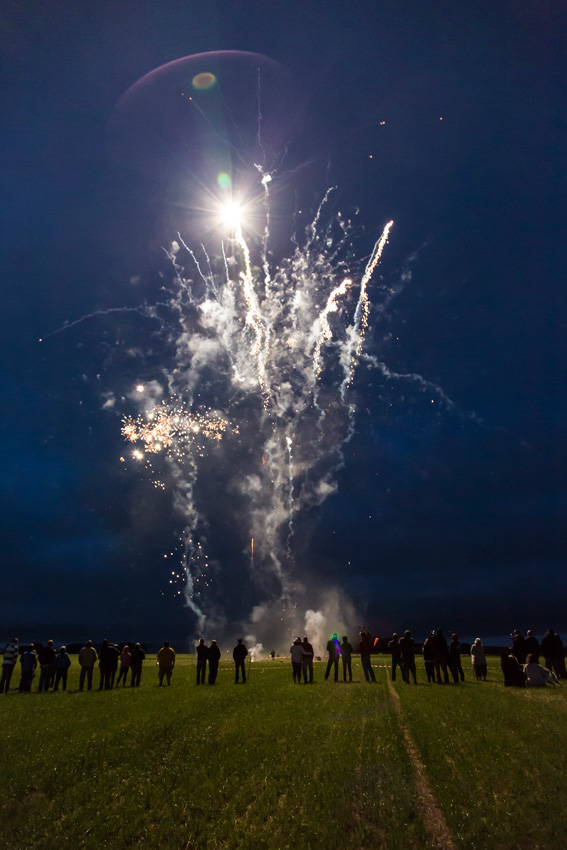
And my ‘pet hate’ – fireworks – are obviously not just restricted to the 5th of November. There is the very real risk of fireworks being let off during any evenings now. So it is always worth keeping your dog on a lead – and one where you still have control of your dog, rather than a retractable one, which can let them jump into the road if startled.
I am often accused of being ‘joyless’ about the whole firework issue but prevention is far better than cure, or disaster. I have campaigned for low noise/silent fireworks for years and am pleased to say they are definitely more readily available (Asda sells them apparently) now. If you are going to let fireworks off, please let your neighbours know too. The startling bangs and cracks not only upset a lot of animals but can also affect the elderly and people with PTSD, for example.
It’s not that I am anti-fireworks, I’m just pro-consideration.
Avoid Cut Backs
I have started cutting back herbaceous plants in beds and borders at the cottage and for clients. Years ago, along with most other gardeners, I would remove all the spent herbaceous growth to provide a neat and tidy border for the winter – the benefits being mostly cosmetic and the satisfaction of crossing a job off the ‘list of things to do’.
These days we are all far more aware of the importance of leaving natural habitats for all sorts of wildlife and I always leave sections of the border as a winter home for bugs and insects.
Many caterpillars and moths spend the winter as pupae in a protective cocoon or hard shelled chrysalis, and other insects reduce their bodily functions to a basic minimum level and hibernate during the cold months. The dead, hollow stems of some herbaceous plants will be used as winter homes, as will decaying foliage and seed heads.
Although I remember Granddad and my dad cutting back spent growth to the ground, I also remember the abundance of insects in the garden during my childhood. Drifts of butterflies and chirping grasshoppers and – a little less romantic – squished bugs on the windscreens of cars and visors of motorbike helmets.
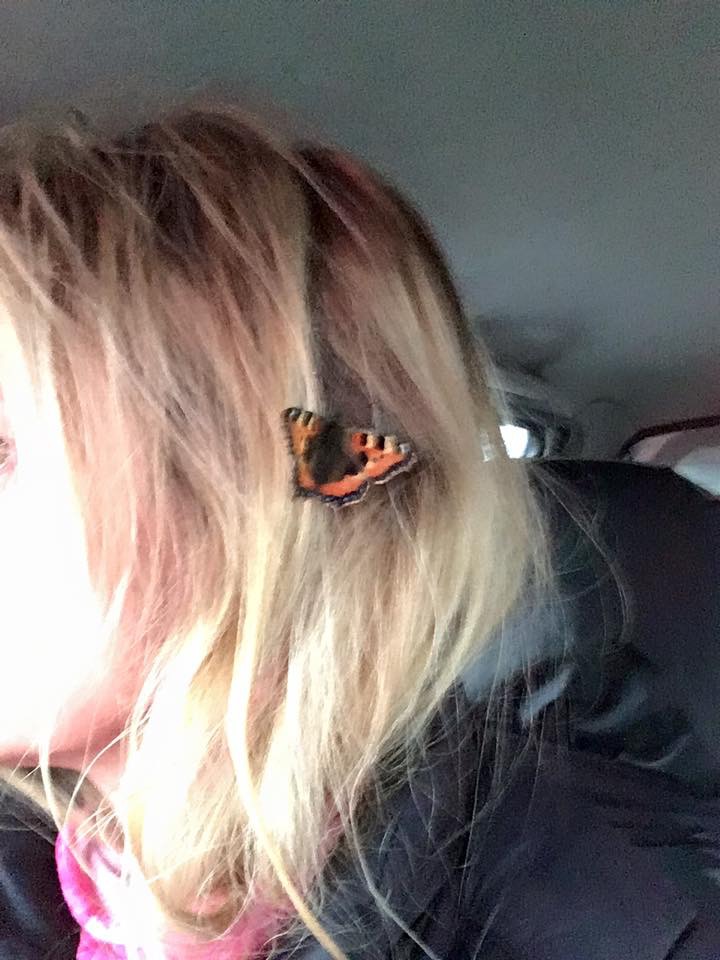 But the fact is that insects are in decline and their reduced numbers obviously affect the food chain at all levels. When people ask me why there are less butterflies, it’s important to realise that there are several different stages of a butterfly’s life that we don’t appreciate or even consider. If we are destroying the eggs, larvae and pupa, or removing the habitat they need to develop, then the result will be fewer butterflies.
If we were to see someone kill a butterfly most of us would be horrified, and yet we are mostly oblivious to the fact that we are often ‘murdering’ baby butterflies.
Central heating is also disastrous to hibernating butterflies, as it causes them to desiccate (great word, awful process). Often as the heating is raised, we will see a Red Admiral apparently appearing ‘from nowhere’ but it will have been woken up by the heat.
If possible, catch it gently and relocate it to a cold shed or garage where it can overwinter in peace. Don’t just tip it out into the garden – there won’t be any food for it and it will probably become food for a hungry bird.
Red Admirals have become a more common sight during the warmer winters we have had as they don’t actually hibernate, preferring ‘dormancy’. This means they often become active on warm days, but will still need protection when temperatures fall.
Nature As Teacher
 I have a page on Facebook called Nature as Teacher, where I encourage people to share inspirational photos based on or in nature. Seldom does a day go by where I don’t notice something that reminds me of nature’s tenacity, courage and incredible abilities.
Although I often smile when I remember my Townie friend’s take on nature, “Everything in nature is out to kill you – often by stealth.”
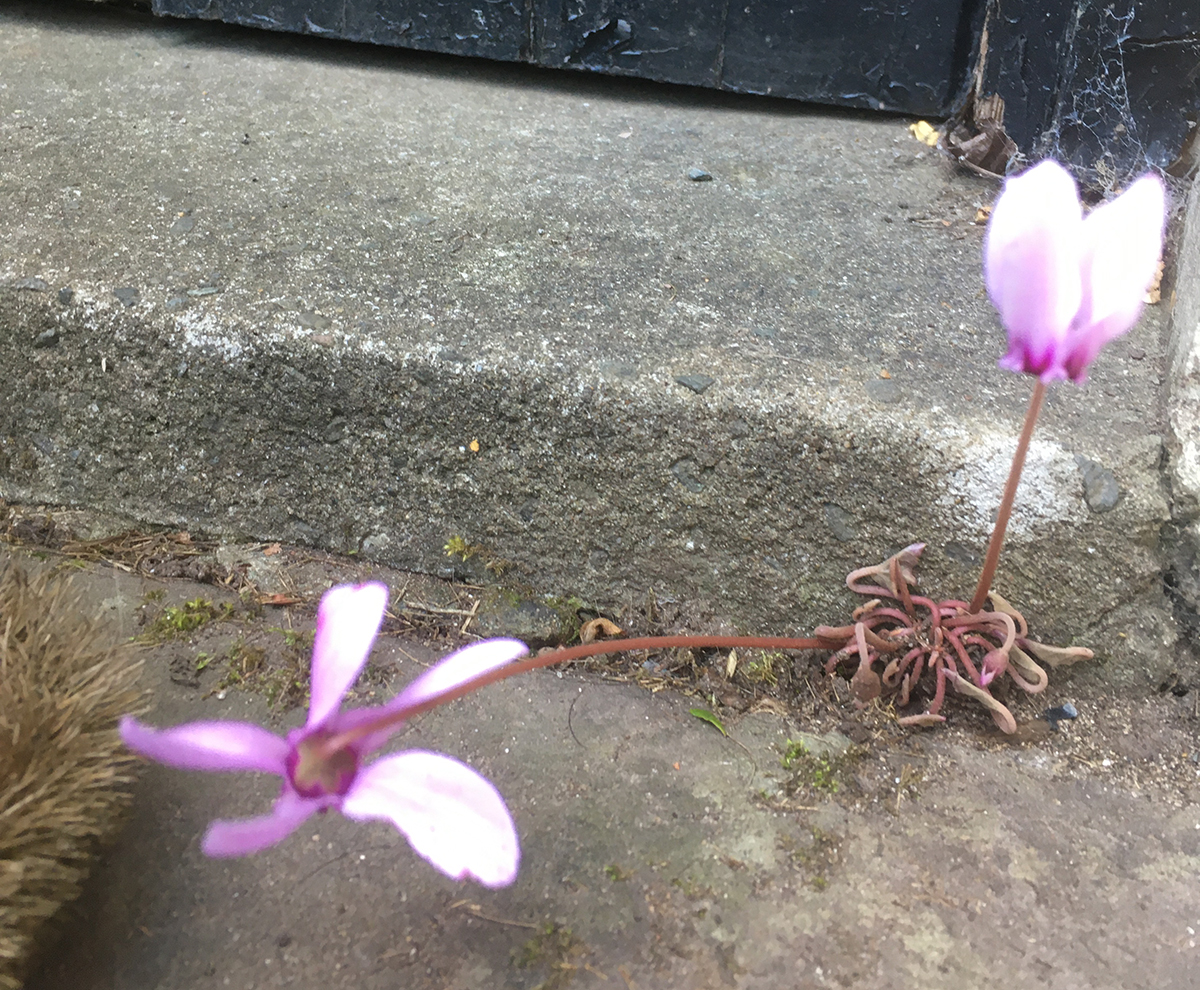
Yesterday I noticed these tiny little cyclamen growing at the base of a concrete step. Things like this always give me huge encouragement and reassurance to ‘keep on keeping on’.
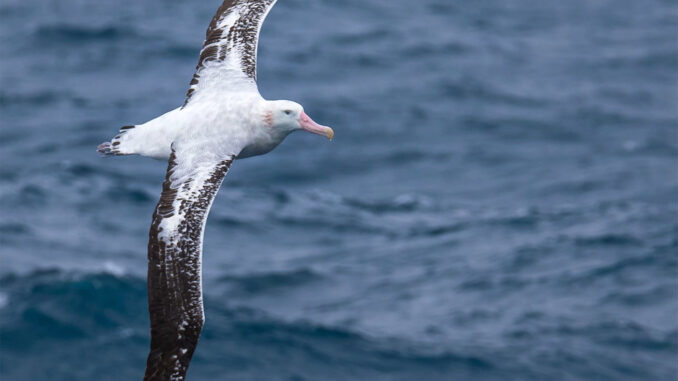
One of my clients has a large framed print in their office, of an albatross in flight with the caption, “The Great Albatross can only fly because it thinks it can.”
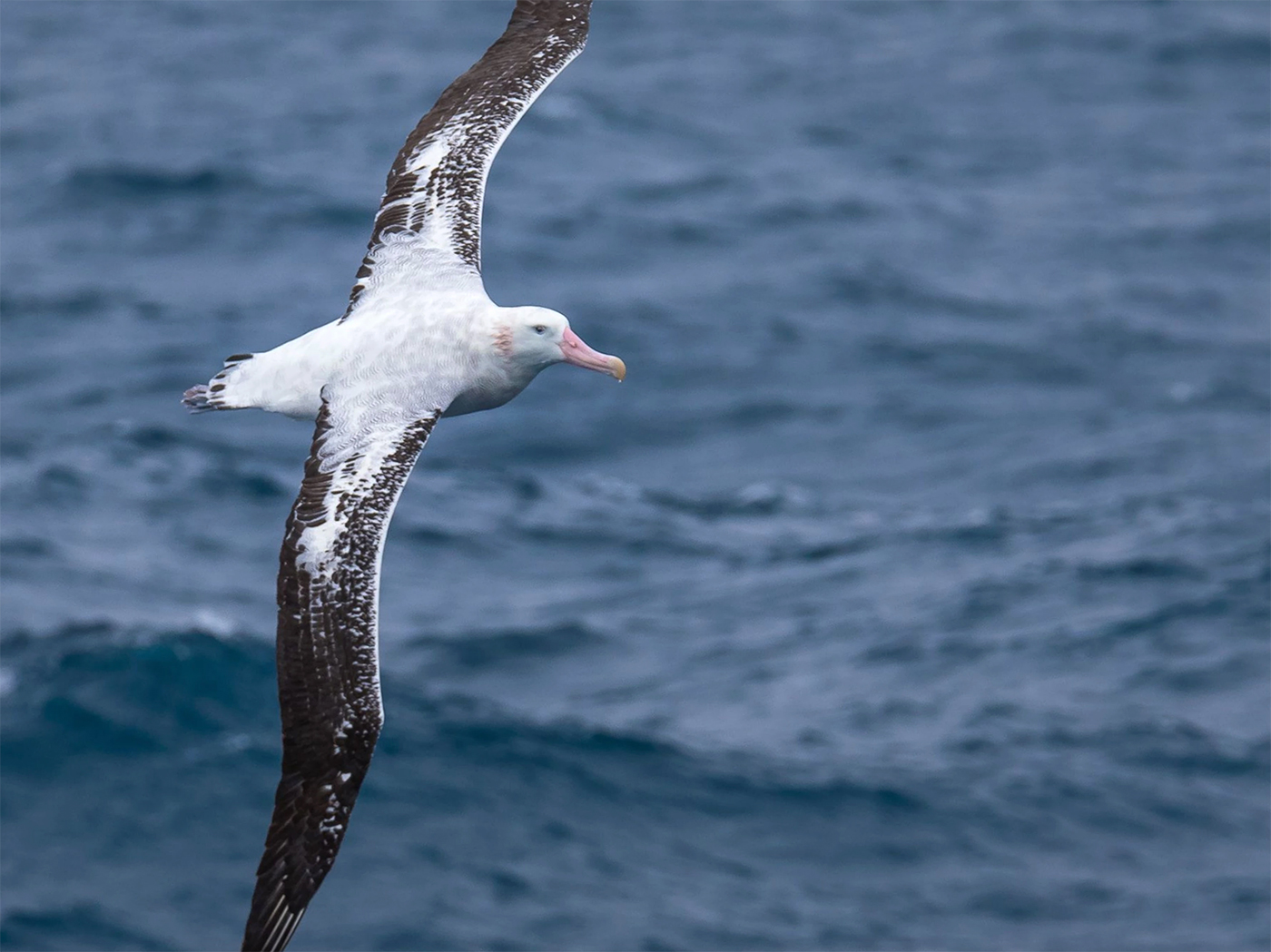 Not only are they the biggest bird in the world that can fly, they are renowned for their adroit flying. The Great Albatross is also known as the ‘wandering albatross’, as once in flight, they can remain in the sky for several years. Yes, you read that right. With its huge wingspan, it can stay in the sky for over six years without landing on the islands or ocean. It is therefore assumed that wandering albatrosses also sleep while flying.
The bird only lands while breeding and then chooses to live in colonies in remote islands where humans do not reside. Very wise, when you learn that they have been poached for several years for their feathers, used to make hats for women. Together with the longline fishing and pollution in the oceans and seas, according to the IUCN Red List, the bird has been listed as ‘vulnerable’, as the population of albatrosses is rapidly decreasing.
Now that does make me ‘joyless’!
More points to ponder for the weekend. Thank you.
Another interesting and informative read, thank you.