

Taken from Lynne’s weekly column ‘Green Scene’ for the Western Mail
6th June 2026

I feel slightly obligated to ‘announce’ the arrival of a new month in my columns now. We are nearly half way through the year and only two weeks away from the longest ‘day-light’ day of the year.
If you are not yet achieving what you set out to during 2026, I’d get a bit of a wiggle on if I were you. And another reason for heralding the start of a new month is that you can’t really tell by the weather any more. A fortnight ago we had summer and last week was autumn.
Baby Armadillos
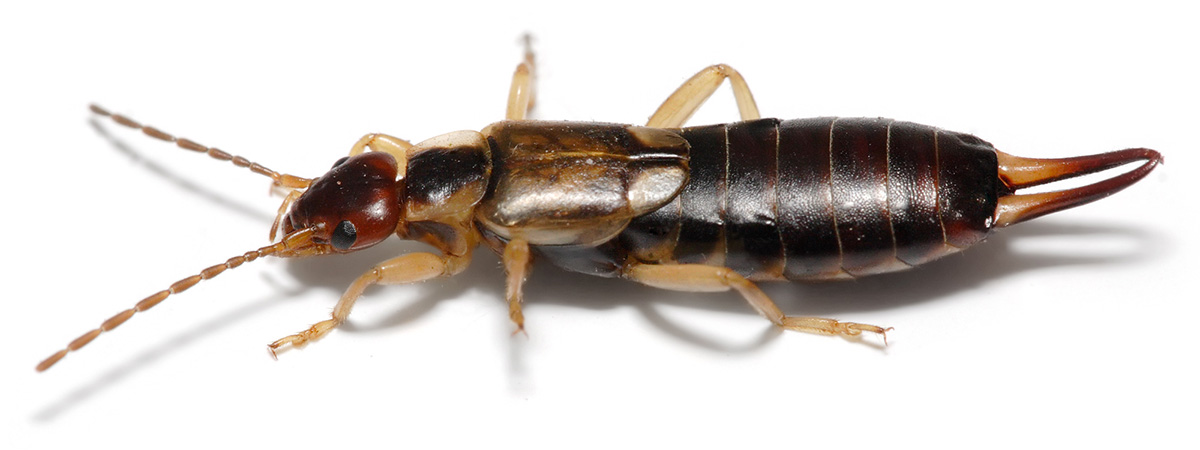
I saw my first earwig for years last week. It was only when I spotted it that I realised I haven’t seen one for such a long time. In my childhood they were everywhere and possibly made more noticeable by the fact that my granddad told us that they were called earwigs because they crept into your ear when you were asleep.
Earwigs are mostly nocturnal, often hiding in small, moist crevices during the day, and are active at night, feeding on a wide variety of insects, particularly aphids, which is why probably why granddad encouraged them in his garden.
Most people will easily recognise the insects by their pincers on their rear end – although less people would know that female earwigs usually have straight pincers whilst the males are curved. The pincers are harmless to humans although they may be raised in self-defence and are mainly used for protection from predators and during mating rituals.
 As a young kid I can remember getting earwigs mixed up with woodlice and I’m sure some adults used the names interchangeably. To make things easier, I insisted on calling woodlice ‘baby armadillos’ which seemed a much cooler name – as is their other common name of ‘wood pigs’. They fascinated me, as when they were touched, they rolled up into a tight ball as though they were shy. Interestingly, woodlice are not insects but ‘terrestrial crustaceans’ – also very cool – making them close relatives to crabs, shrimps and lobsters. They are great recyclers and essential for breaking down vital nutrients in the garden.
Woodlouse is the singular with woodlice being the plural, which gives me an ideal opportunity to share with you that this week, I read that ‘spaghetti’ is plural whilst a spaghetto is a single strand of pasta. I love words.
Porch Turbo
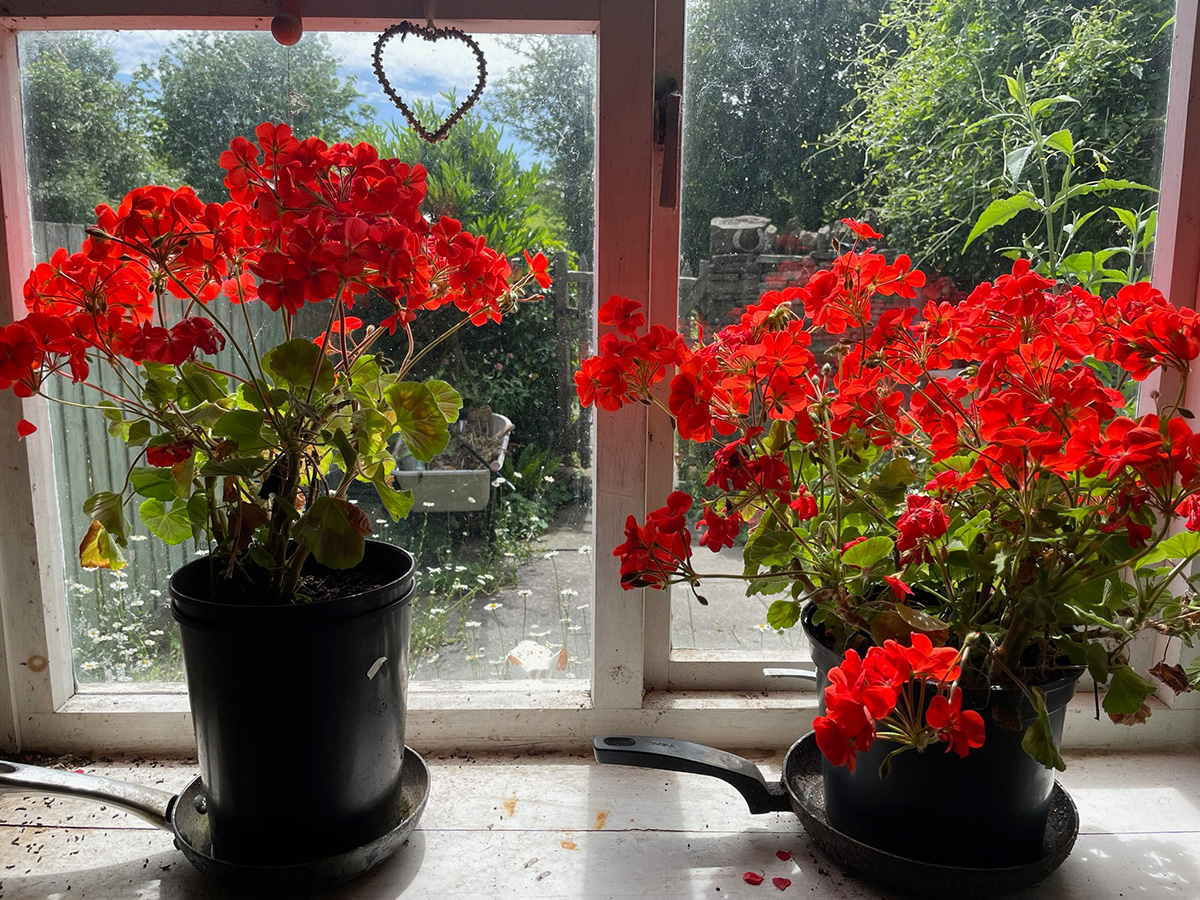 Going back to Granddad, I was recently reminded of him and Nan – and all their neighbours that I used to visit as a kid – because of the spectacular show my Pelargoniums (bedding geraniums) are putting on in my porch at the moment.
They were rescued from a client’s compost heap at the end of last year and have paid me back by flowering their little petals off.
Years ago everyone had these beauties in their porch to overwinter them, putting them out for summer displays and then ‘protecting’ them in the porch overwinter to be able to use them again the following year – and for many years.
The smell of them as I get to the front door takes me back 50 years in just a split second. I have since moved my lemon scented geraniums from the front room out to the porch with them and coming home is just ‘scent-sational’.
Special Trees
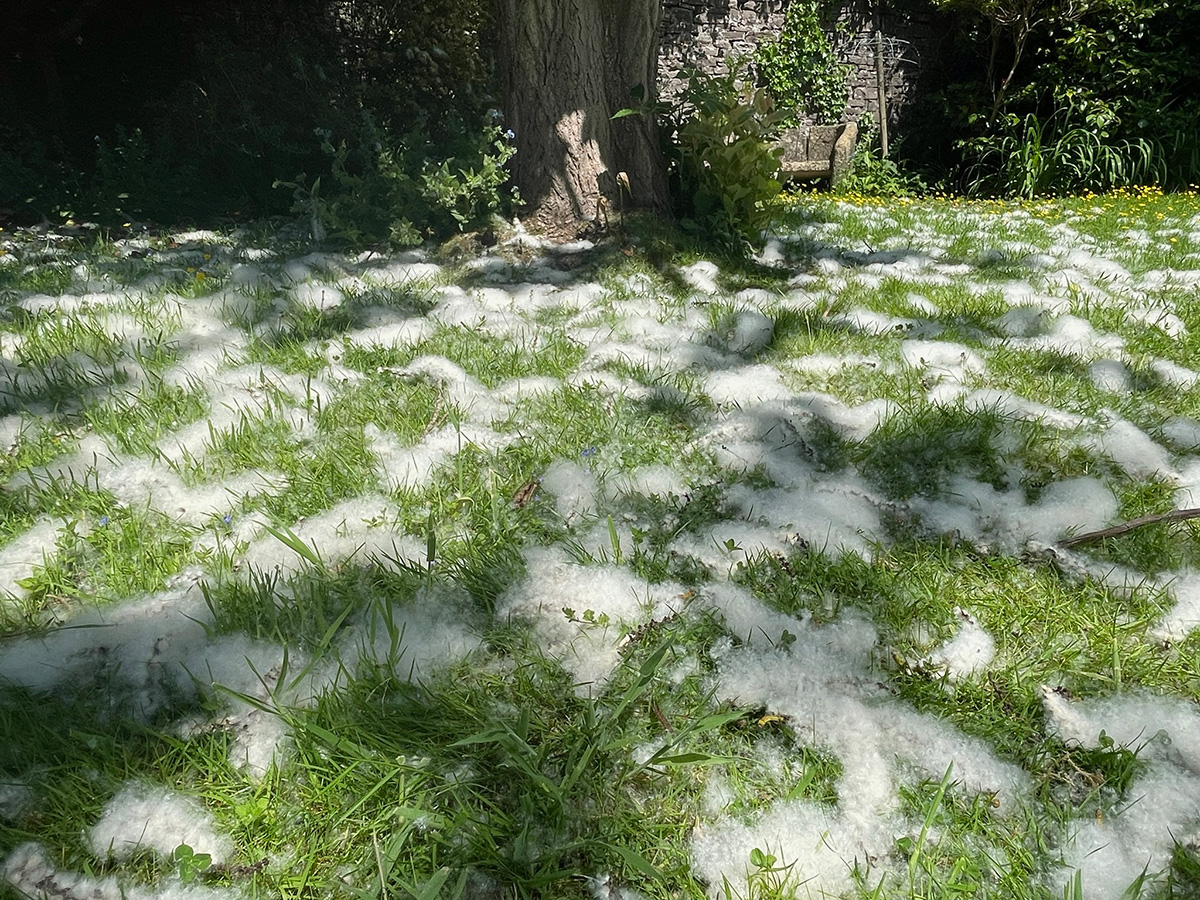 I was also reminded to tell you about the ‘woolly Ash’ last week, as all it’s ‘woolly’ seedheads were on the ground looking just like sheep’s wool.
Fraxinus chinensis var. tomentosa is commonly known as the Chinese Woolly Ash but is not commonly grown in gardens. I’m not sure why – unless it’s to do with the mess it makes. It’s a fast-growing, deciduous tree about 20m tall, with shoots, leaf stalks and flower stalks being conspicuously ‘downy’, or woolly. Even the dark green leaves are downy underneath, and then turn winey-purple in autumn. Panicles of sweetly-scented creamy petal-less flowers in mid-spring are followed by brownish-green winged fruits and winter buds are a conspicuous grey, and so it provides quite a bit of interest year-round.
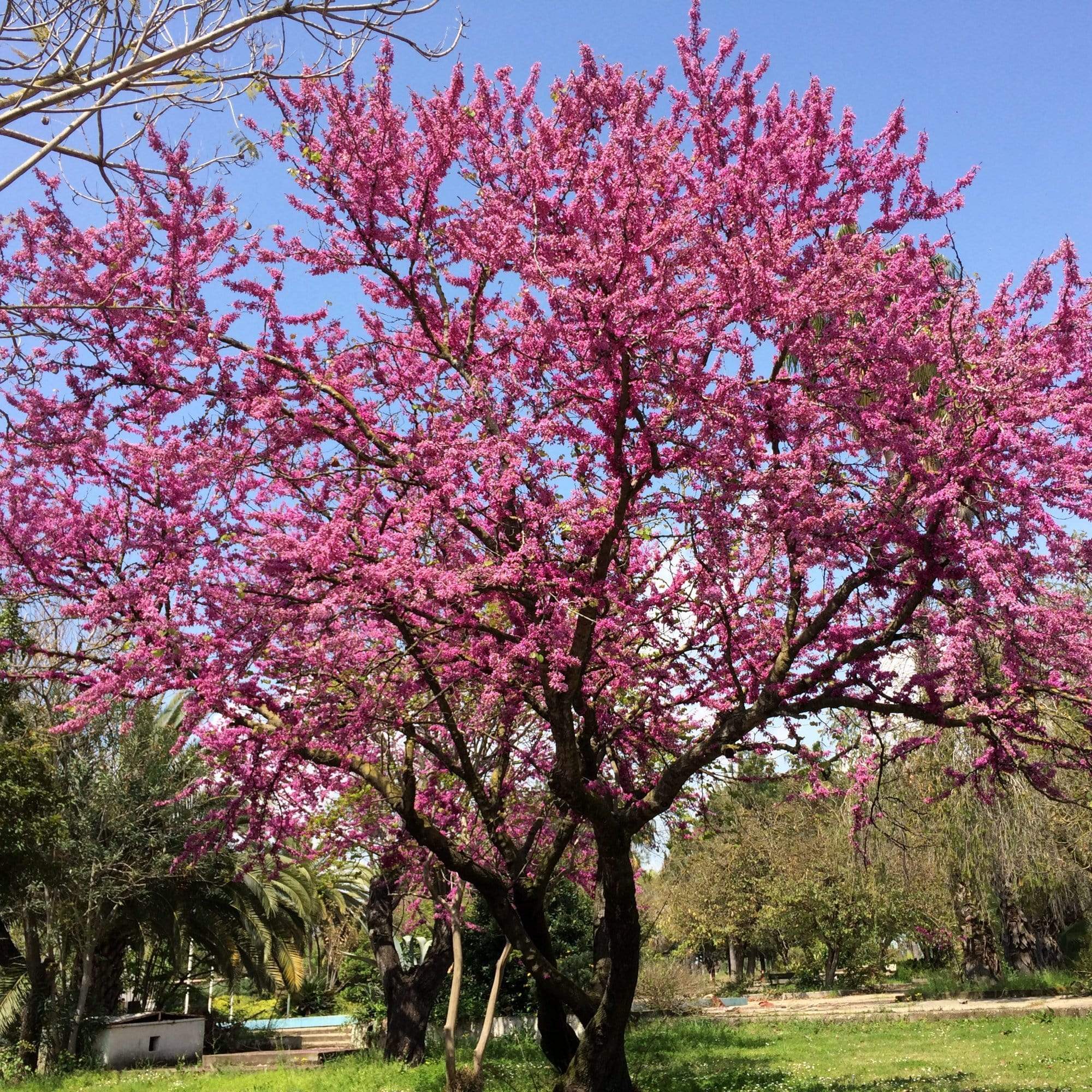 I have been asked numerous times this week if I saw the ‘stunning pink tree’, which Carol Kline was sitting under whilst talking about seeds on Gardener’s World last Friday evening. I did. It was a Cercis and is indeed stunning.
There are several varieties of Cercis to choose from, most of which display stunning pink blossoms on bare branches in spring before leafing up with it’s ‘famous’ heart shaped leaves.
Cercis siliquastrum is also known as the Judas Tree and whilst you may have seen it along avenues in sunnier climes abroad, is an undemanding, slow-growing deciduous tree which will boast spectacular display of deep pink/lilac pea-like flowers in April and May in the UK too.
Roses Grow On You
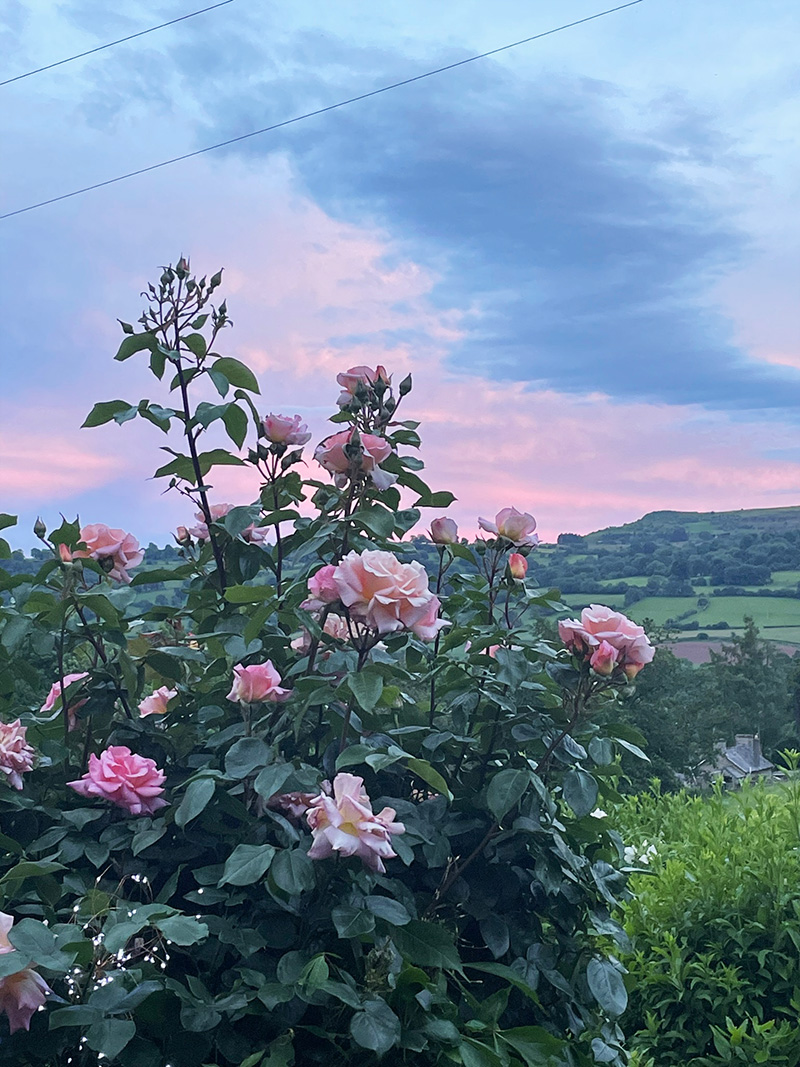 To quote Elvis Costello – ‘It’s been a good year for the roses’.
Roses of all varieties, shapes and sizes are blooming marvellous and laden with flowers. Experts say it is down to a hot summer last year, followed by a long winter and damp spring (allowing root systems to develop well) and then a recent heat wave has added to the ‘perfect conditions’ for perfect, and prolific blooms.
One client said this week that in all of her years gardening, she thinks roses are the absolute best value for money and the perfect ‘go to’ plant for any garden. So much so that we are going to plan and create a dedicated rose garden for her during the coming winter. Formal rose gardens used to be really popular, and I think possibly went out of fashion as people think they are high maintenance. I don’t think they are and hope more and more people will include them in their gardens – they don’t have to be formal – I much prefer ‘informal’.
There is literally a rose for every garden and every aspect, whether it’s up against a wall, as ground cover, in a tub or for the front, middle and back of a border. They also make great hedges (we planted a 50 yards long one for a client about 20 years ago and it’s still stunning.) And you can visit specialist rose gardens like Peter Beales and David Austin to have great fun choosing your rose. Or roses. David Austin Roses is in Albrighton, Wolverhampton and has six themed gardens, each telling its own story through fragrance, colour and form. With over four hundred varieties of English Roses, all available as potted plants throughout the year, you will definitely find a rose you love. They also have a restaurant and gift shop.
Peter Beales Roses is in Attleborough, Norfolk and has a two acre site full of blooming beautiful roses, displayed in every conceivable way. You can book a number of garden tours and dining options and both gardens are free to enter.
And one of my favourite rose quotes: “We can complain because rose bushes have thorns, or rejoice because thorn bushes have roses.”
Leave a Reply