

Taken from Lynne’s weekly column ‘Green Scene’ for the Western Mail
10th August 2019
 Highly Hen-oured
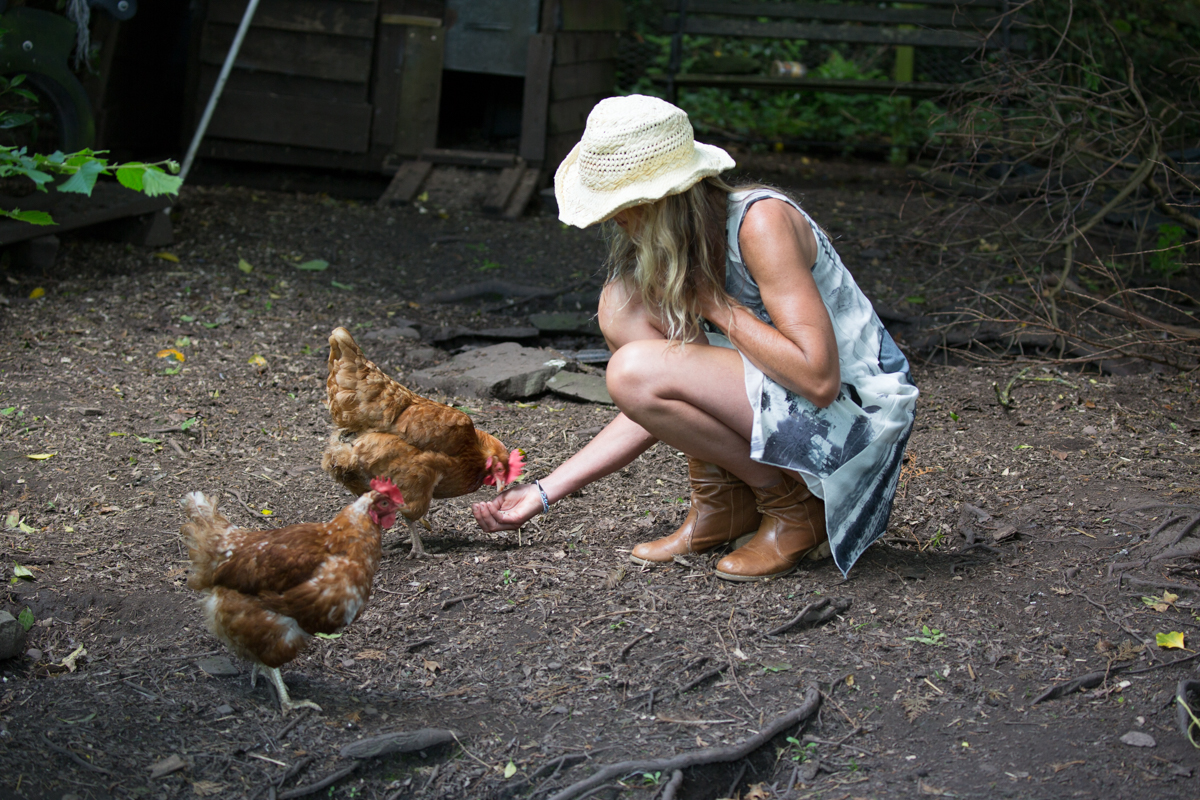
I was thrilled to be asked to write for Better Homes and Gardens in Australia last week. They asked for advice on keeping chickens (chooks) and how suitable they are as pets. In a nutshell the answer is, ‘very’, although I obviously gave a longer answer than that.
Chickens are very sociable, so much so that they are being used as therapy animals/birds throughout the country, to visit and cheer up the elderly, sick and children with learning disabilities.
Chickens just make you smile. Far from being ‘bird-brained’ they are intelligent, love human interaction and respond well to being handled.
A lot of elderly people who are now in care homes even used to keep chickens and it is lovely to see the memories being reawakened.
The ‘therapy hens’ are obviously chosen after being used to being handled from a very young age and are happy to sit on people’s laps and just be made a fuss off.
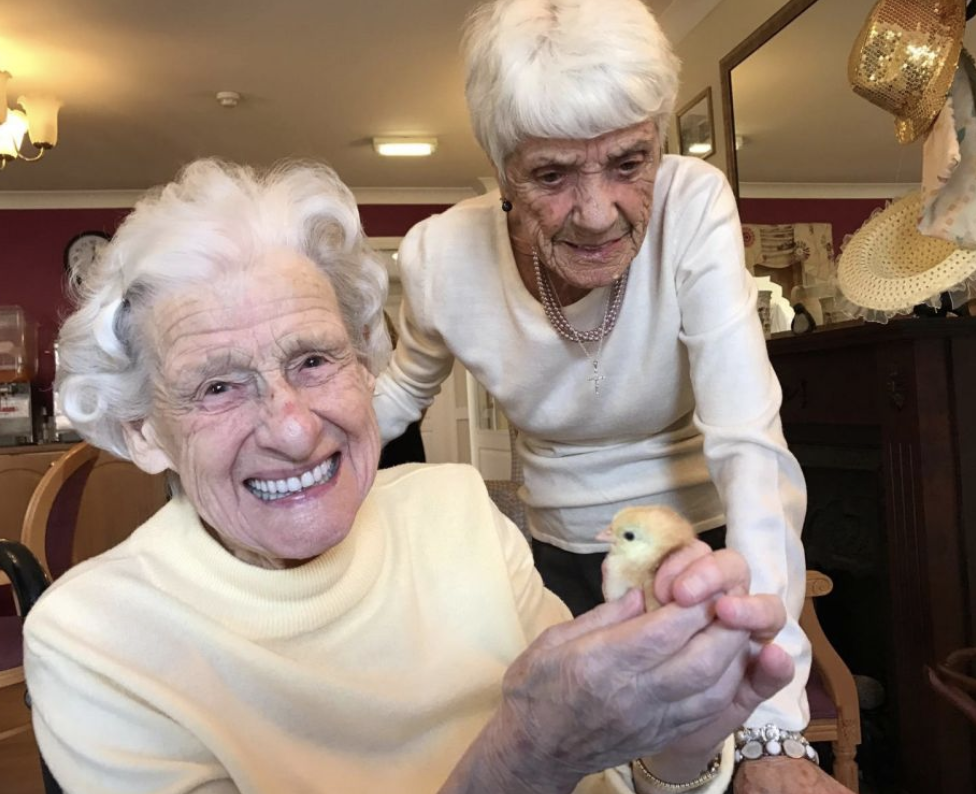 A charity called Henpower, set up in 2011 in the north of England, encourages hen-keeping as a way to combat loneliness and depression among older people. A study by Northumbria University showed that the hens helped to beat loneliness and depression, and also reduced the need for antipsychotic medication in care homes. Henpower encourages people to take full responsibility for therapy chickens, so they’re not just petting them. Participants have a lot of interaction with the project while learning about different aspects of chicken care. Volunteers take therapy chickens to schools, events, and care environments, where people enjoy the interaction and learn about the birds
Therapy hens also help those in nursing homes improve their mobility and have fun as residents are more inclined to go outdoors if they can interact with animals when they get there. This means people are motivated to push themselves to achieve greater mobility and independence. The therapy chickens make people laugh, and bring simple pleasures to people who face huge challenges with ill health, disabilities, or have serious mental health issues.
Ashworth Hospital in Merseyside, looks after dangerous criminals and uses therapy chickens to help them deal with a wide range of mental health issues. Several others prisons have therapy gardens with a flock of therapy chickens, which improve the mood of the prisoners who care for them and who have also built their coops and runs.
I have rescued ex- battery hens for 15 years and each hen has had a character all of her own. I had one a few years ago that used to negotiate quite a complex route out of the run every day and then back in again every evening. It just proved her ability to think and plan!
 They love treats – in the hot weather, I share out a tin of sweetcorn between compartments in a muffin tray, top up each one with water and freeze. I give a couple to the hens each day and they love pecking away at the ice block, to be rewarded with a cold kernel of corn, which helps keep them cool and happy.
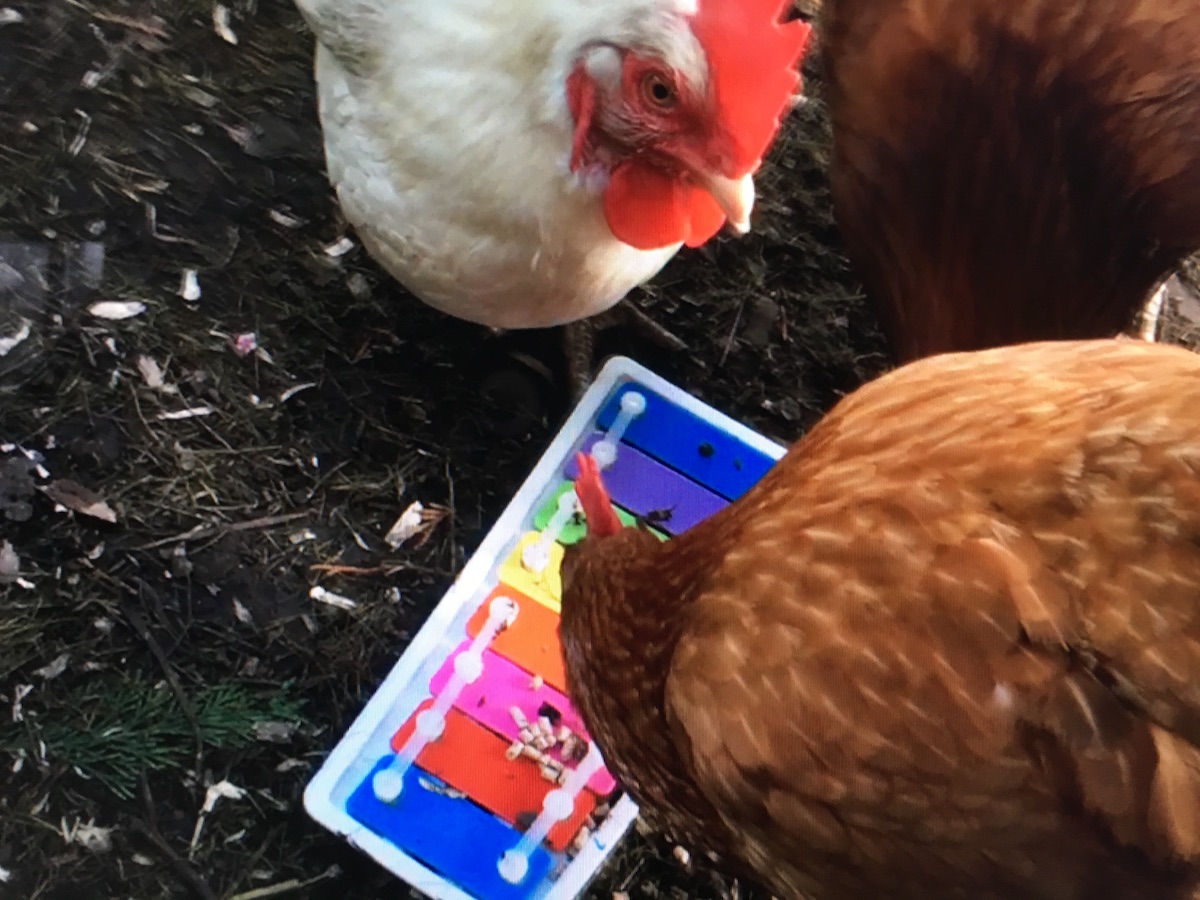
I also tie whole lettuces, cabbages, and the green carrot foliage from a low branch for them to peck at, and they adore cooked spaghetti, which I suppose must be like high-carb worms for them. I also sprinkle a few layers pellets onto a child’s xylophone and as they peck at the pellets they play the most fabulous little tunes – highly entertaining for me and them!
You can read my full articles here:
www.bhg.com.au/why-chickens-make-good-pets
www.bhg.com.au/everything-you-need-to-know-about-pet-chickens
Hen-credible Facts
- There are more chickens on earth than people – 25 billion. There are also more chickens than any other bird species.
- Chickens can remember over 100 different faces of people or animals, which is more than I can!
- The colour of the egg depends on the chicken’s earlobes. Red ear lobed chickens lay brown eggs, while white ear lobed chickens lay white eggs.
- The record for most egg yolks in one egg is 9 yolks.
- The fear of chickens is called Alektorophobia.
- Chickens can see and dream in full colour.
- The longest recorded chicken to live was named Matilda, who lived to be 16 years old – which is over twice as long as an average chicken lifespan.
- Chickens have their own unique language with over 30 different sounds used to communicate.
- If chickens listen to classical music, they can lay bigger and heavier eggs.
- Chickens can run up to 9 miles per hour.
Jelly Worms

 And how about this for a great idea for the kids on the summer holidays? Squirmy jelly worms.
Pack drinking straws into a cup and secure with an elastic band.
Pour in the strawberry jelly carefully.
Once the jelly is set, rinse with some warm water to ‘release’ the worms from their straws.
Thank you to reader Stella Thomas who emailed me in response to my article on bird window strikes.
Stella wrote, “I too have had birds flying into my windows – so distressing. Some are stunned and survive. Sadly a couple have not made it. I find that voile curtains have helped a lot – and kept intense heat out. I open them when the birds are quiet.”
Leave a Reply