
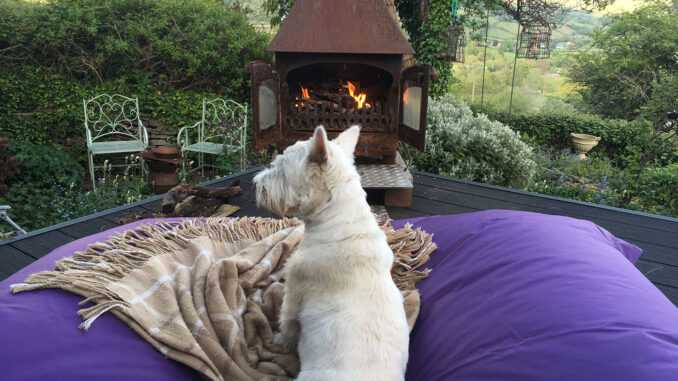
Taken from Lynne’s weekly column ‘Green Scene’ for the Western Mail
21st January 2023

Hibiscus Tea Treat
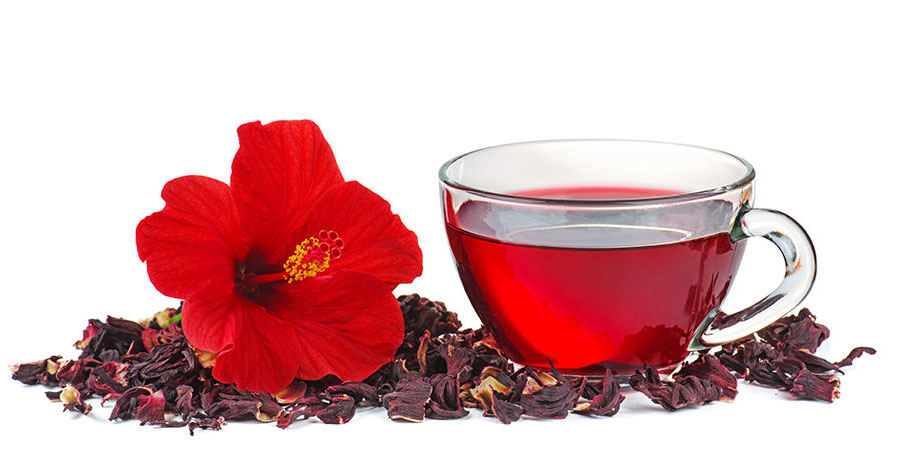
One of my favourite drinks is Hibiscus tea – I drink it hot at this time of year and cold in the summer. I have introduced many friends to this special beverage and always recommend they buy the whole flowers rather than the whole or crushed petals. Apart from a superior flavour, I think there is a bit of magic – or at least theatre – in using the whole flowers. They are just stunning. The taste is similar to cranberry, so can be a bit sharp for some people – if that’s the case, just add a little bit of honey to sweeten it up a little. After being used in your tea, the whole hibiscus flowers can also be used in granola, smoothies and even baking. My chickens love them too.
For work I just put a small handful of the dried flowers in a flask of hot water but if I’m at home then I let them steep in a glass teapot for a more ‘satisfactory experience’. If there’s any left, I either drink it cold or add it to my overnight oats for added flavour and also vitamins. Hibiscus flowers are packed with vitamin C and are excellent for strengthening the immune system. Studies show that hibiscus tea can reduce hot flushes and reduce blood pressure but obviously that’s only a good thing if it’s high to start with. As well as the benefits, there are, as always, some side effects so please do your own research before trying it.
Light my Fire
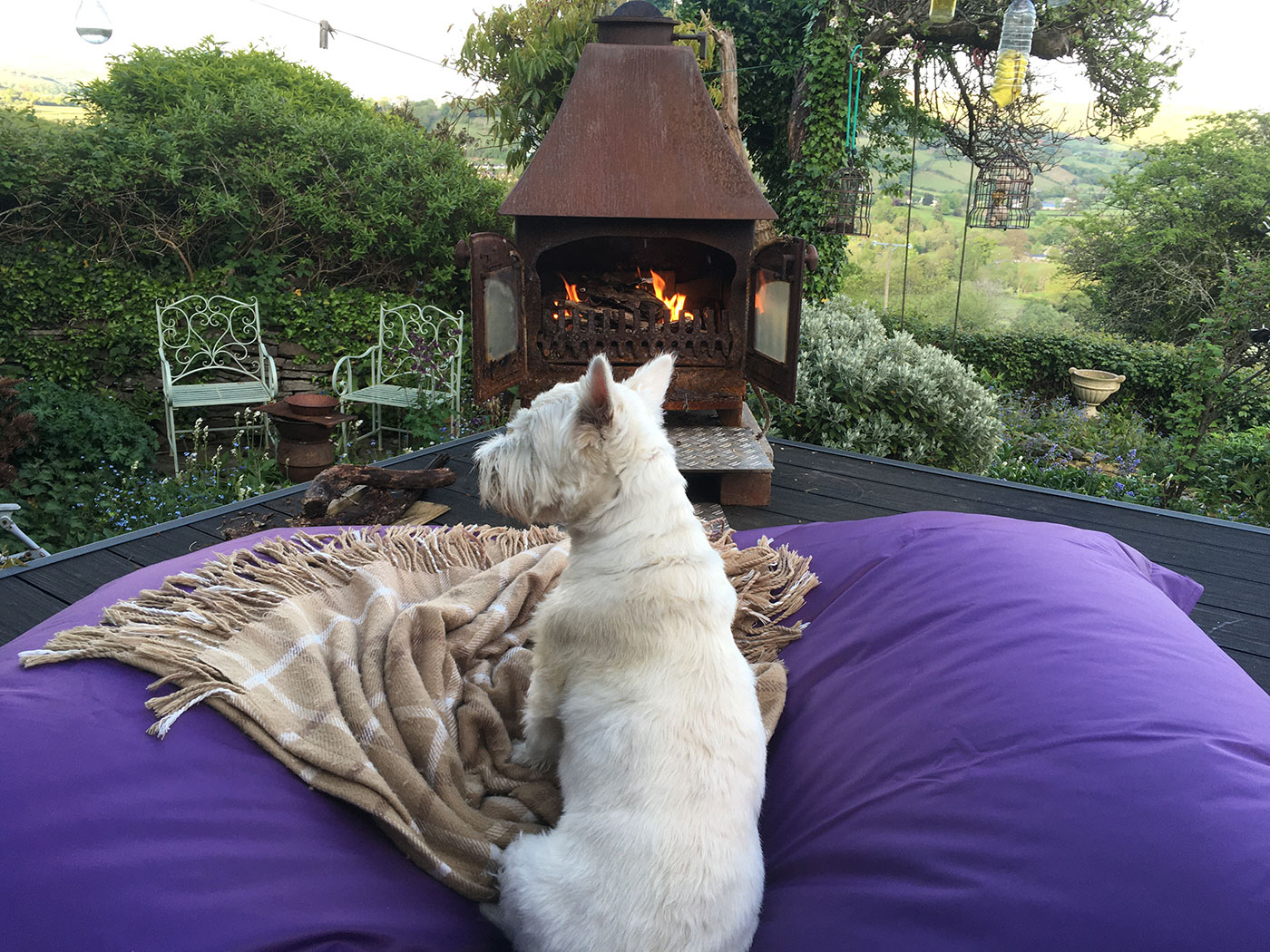 Wood burning stoves increased in popularity during COVID when people spent more time at home, and have continued in popularity due to the cost of living crisis.
My brother and I were brought up with open fires and wood burners and learned how to light them at a very young age. It is definitely a knack or skill, and I have often winced as I watched people – raised with central heating – trying to light a fire with damp wood and a whole box of firelighters. And it seems I’m not the only one as www.hetas.co.uk recently issued guidelines for lighting your wood burning stove.
They recommend, ‘Use firelighters or two tabloid-size pieces of newspaper crumpled into a loose ball about the size of a cricket ball, and place them in the combustion chamber. You may find firelighters easier to use than newspaper.’
I always use more newspaper than that and we were also taught to ‘roll and twist’ the newspaper sheets in to loose knots. Too tight and they won’t burn, too loose and they will burn out before the kindling catches. Both very frustrating as you have to re-lay and relight the fire.
HETAS continue, ‘Place small pieces of dried kindling into a triangular shape over the newspaper, allowing for air gaps. On larger appliances, place two smallish logs on either side of the kindling to allow for larger logs to be placed over the well alight kindling.’
My brother and I take kindling very seriously and always chop two sizes – skinny kindling that goes straight on top of the newspaper and then ‘middling kindling’ which goes on top of that. Not surprisingly, anything that’s ‘good for kindling’ – so that splits easily – is much prized. And then the logs – again, two sizes – little logs to start with and then bigger logs on top of those.
It is a real art. Believe me, when you get in from work cold and wet, you only want to light the woodburner once.
HETAS also describe a ‘top down’ or ‘Scandinavian method’ of fire lighting.
‘Place two small logs across the fire bed. Put five pieces of kindling across the two logs, then four pieces laid at a 90-degree angle across the bottom layer before finally placing two firelighters in between the gaps.
Add another five pieces of kindling, laid in the same direction as the bottom layer. Light the firelighters and close the door of the appliance.
One of the boys in work always uses this method, insisting that it’s much better than the conventional way as the flue gets warmer more quickly resulting in a better draw and less smoke.
Always ensure that the air controls are set to the manufacturer’s guidelines to make lighting as easy as possible and never use flammable liquids. Although I do remember my mum and Nan sprinkling sugar over the logs to coax a reluctant fire and – look away if you work in Health and Safety – holding a double broadsheet of newspaper across the hearth of an open (lit) fire to improve the draw. The trick was not to let the paper get sucked up the chimney and risk a chimney fire. I am also reminded of the absolute terror I felt each time I thought my mum and Nan might end up the chimney too.
Blocks-ing Clever
Years ago I made paper briquettes which, although were supposed to be suitable for burning like logs, were really only good for lighting my fire. After a bit of research I see things have moved on a bit and there are now ‘paper briquette makers’ that can utilise cardboard too. I imagine with all the home deliveries that are being made these days, involving copious amounts of cardboard, this might be a good idea. It would possibly be a great project for kids too.
There are a number of ‘briquette makers’ on the market and lots of positive reviews including that they burn for about an hour. But if you feel that paper briquettes aren’t suitable for your wood burner, apparently they work really well for cooking over, as they are a slow-burn steady heat source when placed on top of a nice bed of coals. I’m also sure they would be ideal for lighting a chiminea or fire-pit. Or an old repurposed wood burner used outdoors as a ‘fire pit, as I do. Yogi and I love it.
Leave a Reply