
Taken from Lynne’s weekly column ‘Green Scene’ for the Western Mail
28th January 2023

The Skeptist
Hooray, the end of January is in sight. I know February can be a petulant month weather-wise, but it is always thought of as a short month. It might only be by 48 hours but those two days can feel like a week to gardeners and outdoor workers.
And then it’ll be March. I’m not wishing my life away but I will be so relieved to be the other side of winter. And of course a relief to know my honeybees have made it through too.
I have (proudly) morphed into an extensive beekeeper – thanks to an informative lecture by ‘no-nonsense’ Nicola Bradbear, founder of Bees for Development.
Whilst learning to keep bees, I was taught that a good beekeeper will prevent swarming. It always evaded me and I became quite despondent, resigned to the fact I was to be a bee ‘landlady’, rather than a ‘keeper’. Nicola explained that in addition to maintaining crucial genetic fitness, swarming is an important part of the self-healing behaviour of honeybee colonies, ridding itself of pathogens. In an extensive system, the population increases through natural swarming. For this to work best, some colonies must also be left undisturbed (unharvested) as mother colonies.
In a single evening I went from a ‘bad beekeeper’ to an enthusiastic and extensive one.
In an interesting article on the Bees for Development website, Nicola and Janet Lowore explain how extensive and intensive beekeeping differ. “The least intensive methods differ little from how bees live in nature, while in the most intensive, many honey bee colonies are maintained in a single apiary, feeding and the application of medicines are the norm, queens are selected, bred and replaced annually, and bees are manipulated in various ways.”
Honeybee ecologist Professor Tom Seeley of Cornell University adds, “Extensive beekeepers rely on the natural ability of their bees and the process of natural selection to remain healthy, and there is increasing evidence to show that the ‘survival of the fittest’ approach also leads to Varroa tolerance.”
Sadly, many of the beekeeping techniques now benefit beekeepers rather than the bees. Mimicking the natural way bees live is a beneficial way of allowing bees to adapt and use their own defence and survival mechanisms.
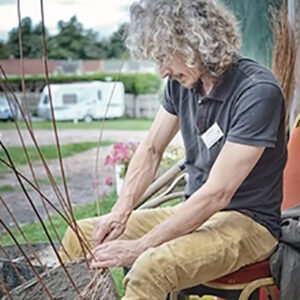
The earliest method of hiving bees used ‘skeps’, a sort of upturned straw or willow basket, often waterproofed with an outer layer of mud and cow dung, under which bees formed their honeycomb naturally. The word ‘skep’ is thought to originate from the Old Norse word for a basket or hamper.
Keen to learn more, I am looking forward to joining Chris Park on a willow skep making course on Saturday the 18th February at Ross on Wye. Chris is a highly skilled and experienced skep beekeeper, and all round interesting chap – there will be no shortage of interesting conversation.
There are several places still available. More details at www.beesfordevelopment.org/bee-involved/courses or call 01600 714848.
What a great reason to look forward to February.
Wilder Journeys
 One good thing about the winter is reading by the fire during the dark evenings. I’m currently reading Wilder Journeys – True Stories of Nature, Adventure and Connection, collated and edited by Laurie King and Miriam Lancewood.
It is an inspirational collection of real life accounts by people who have ‘had enough’ of the mainstream malarkey and decided to challenge themselves out in nature in some way. I think challenges like this always lead to a deep connection to nature and whilst the challenges involve an admirable amount of courage, like anything ‘life changing’ it is taking the first step that is the real breakthrough. It’s about realising things aren’t working for you and then doing something about it. You don’t have to walk around the world, as Angela Maxwell did, covering more than 20,000 miles across 14 countries (or even run barefoot across a country), but doing anything out of your comfort zone will teach you something. It is said that ‘the magic happens just outside of your comfort zone’, and I think this book will encourage you to explore that space for yourself.
Although I am a huge fan of connecting with nature, I think the ‘secret’ is connecting with yourself. Nature is a great facilitator for that, as is peace and quiet. Every story in Wilder Journeys involves a good helping of solitude – which is not surprising when you realise that misery loves company, but peace craves solitude.
Mindful Melting
After the recent icy conditions required lots of road salting, please be careful when walking your dogs and try to avoid any pink rock salt that is still covering country roads and pavements. It can make a dog’s paws very sore and dry and even ‘burn’ tender pads.
There is a great paw balm called 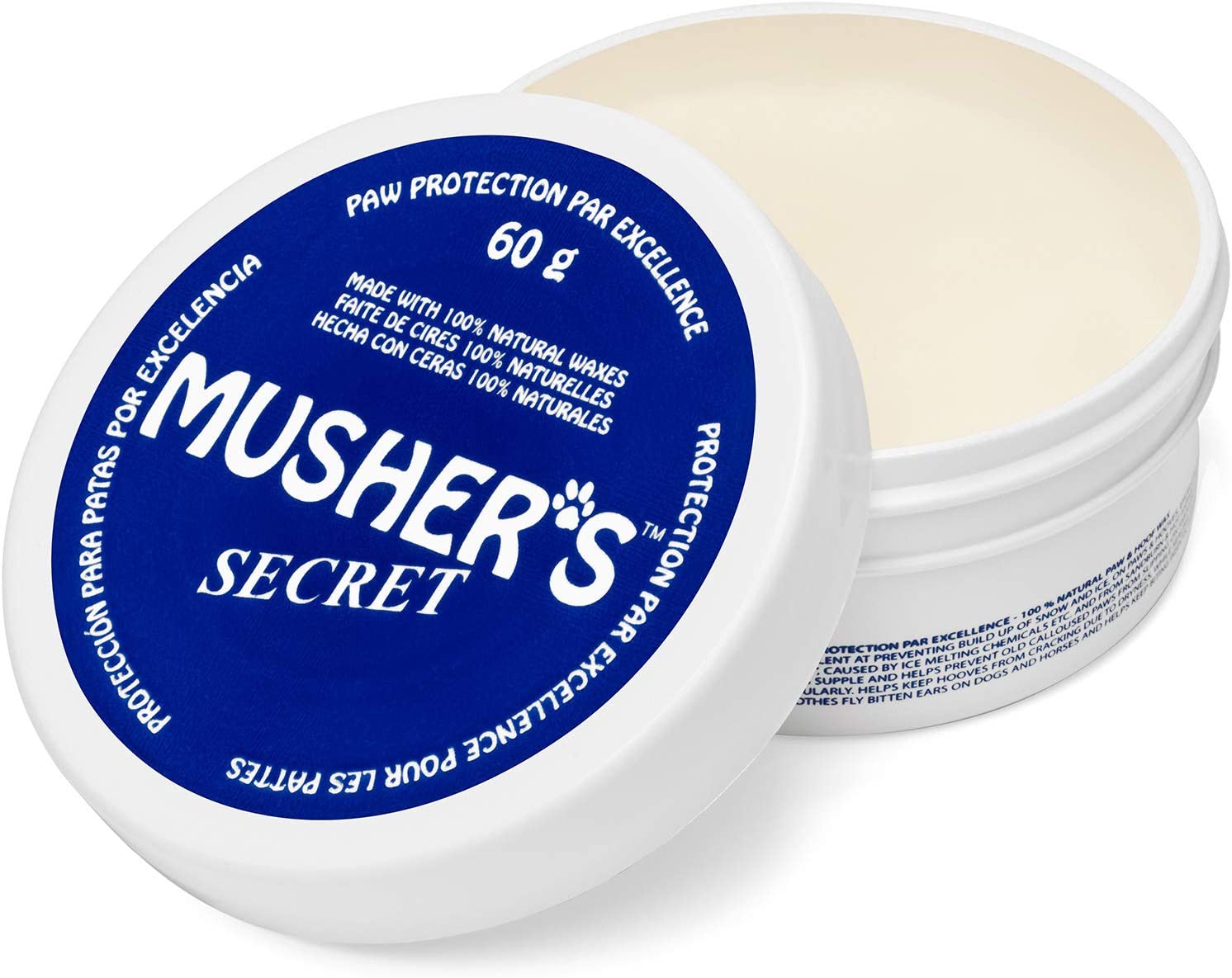 Musher’s Secret which when put on your dog’s pads before a walk, will prevent salt – and snow and ice – from hurting their paws and keep their pads hydrated. Vaseline is supposed to work in a similar way but I’ve not tried it.
It’s always wash your dog’s paws after a walk at this time of year –and their and tummy if they are a bit ‘low-slung’– it’s far better to be safe than sorry.
If they lick salt-covered paws or fur, the RSPCA warn, “Even a small amount of pure salt can be very dangerous to pets. Ingestion can result in a high blood sodium concentration, which can cause thirst, vomiting and lethargy, and in severe cases there is a risk of convulsions and kidney damage.”
Other ice-melting products you can buy for your driveway and paths also pose a threat as they are made from various salt mixtures like sodium, calcium, magnesium or potassium chlorides. I appreciate they may make our life safer but not always the lives of our four legged friends.
Warm Hands, Warm Heart
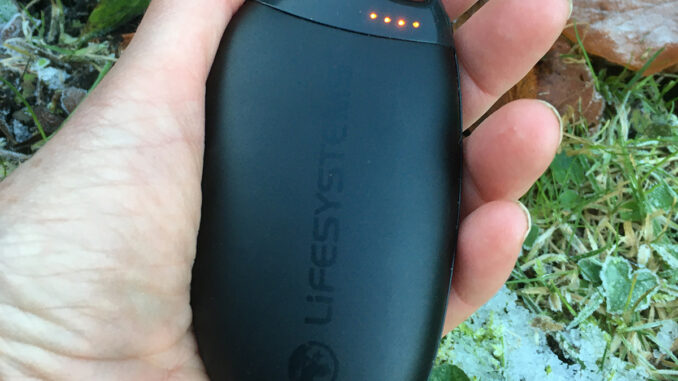
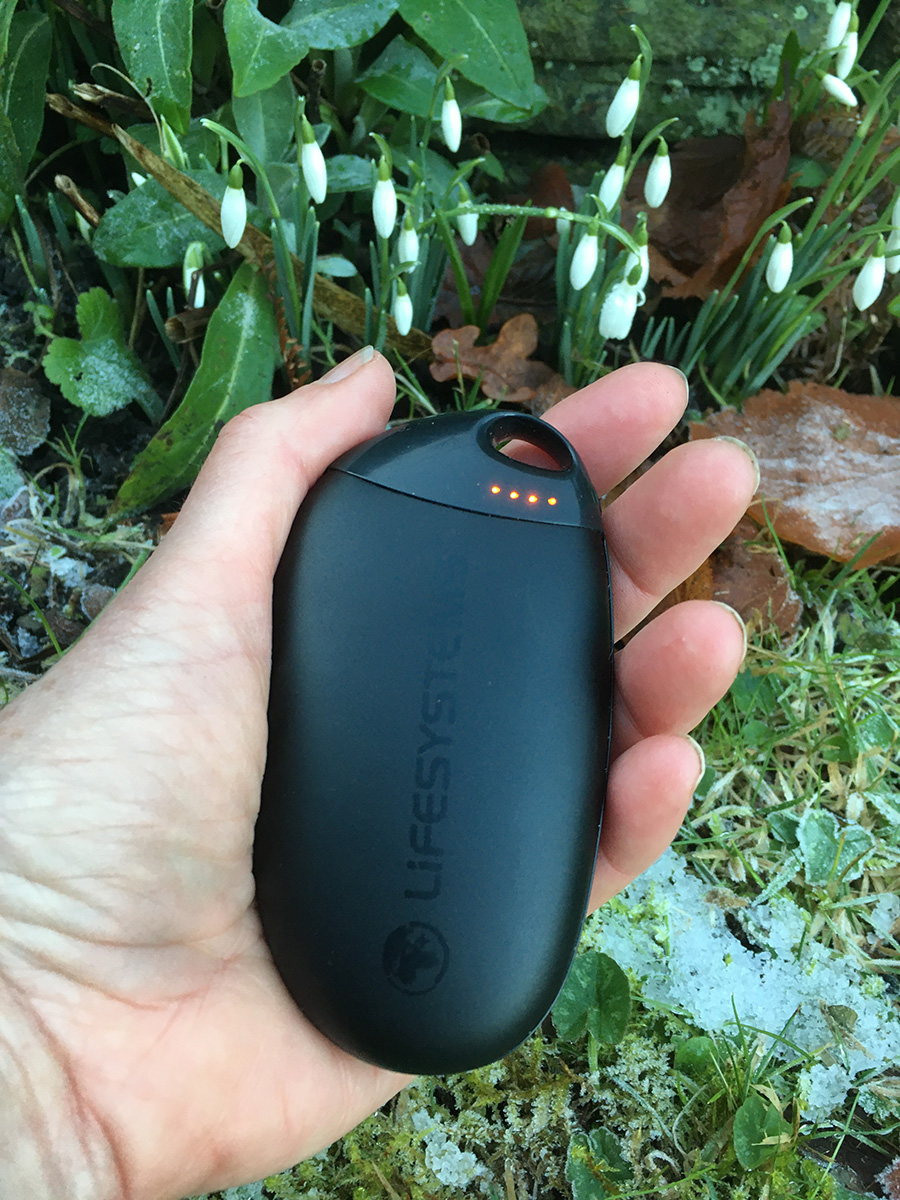 I must say a big thank you to my good friend Diana, for her thoughtful Christmas present, which has made the last week or ten days bearable in work.
The rechargeable hand warmer has been an absolute godsend by preventing those ‘I think I’m going to cry’ moments as your frozen fingers start to thaw.
Simply clutched gratefully for a couple of times through the below-freezing days, it has held its charge for nearly a week and is small enough to be kept in my pocket.
Forget anything with an engine or that makes a noise, my little rechargeable hard warmer has become the new ‘must have’ item on site.
Leave a Reply