
Taken from Lynne’s weekly column ‘Green Scene’ for the Western Mail
24th August 2019
 Fruit not Phone
Google Blackberry and guess what you’ll get … yup, everything you need to know (and lots that you don’t) about the mobile phone. Google Apple and guess what you’ll get … yeah, same thing.
Sigh. I don’t even understand why they have to use names from nature – they’re taken. Use another word, an original word. Apple and Blackberry were taken and meant something else already.
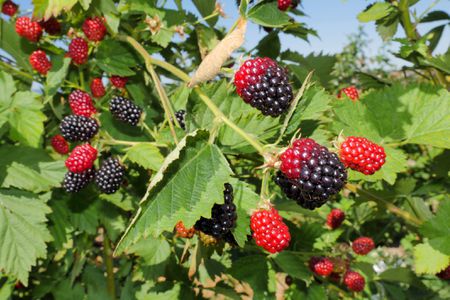
For those of us who appreciate the real definition of blackberry, the season is upon us. As I’ve written before, at this time of year, I am always reminded of blackberrying trips with my nan – always productive, usually humorous and never dull. Inevitably someone would end up in a bramble-camouflaged ditch, rubbing stingy nettle lumps with a dock leaf and tweezering thorns out of purple-stained fingers for a few days afterwards.
It was always worth it. The blackberry bounty would be swiftly turned into jam, jelly and tarts and another foray would begin.
Today there are more decadent recipes for the little berries on the Internet. Try blackberry and vanilla vodka, chocolate and blackberry jam, fermented blackberry soda, blackberry and cheese Danish Braid, blackberry BBQ sauce, blackberry and lavender or rosemary jelly, blackberry cream cheese spread and blackberry butter.
I’m not sure what nan would have made of those recipe ideas but it does go to show how versatile blackberries are. They do go well with cheese, some herbs and of course blackberry butter is just a one-stop spread for toast.
The little black berries are full of vitamins and minerals like C, K, and manganese, are high in fibre, low in calories. Recent studies have proven they boost brain health, and blackberry extract may help prevent and control gum disease and cavities.
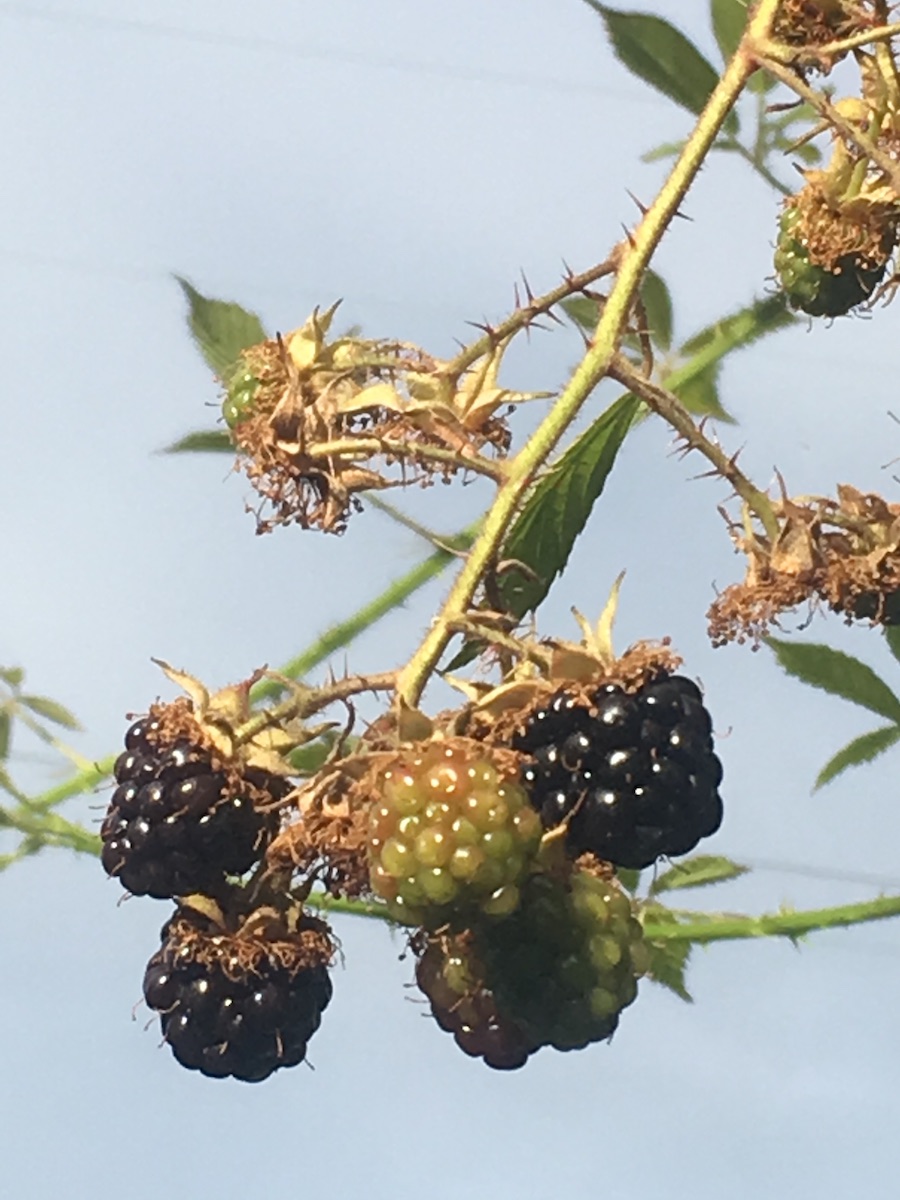
Technically the blackberry, despite what its name suggests, is not actually a berry but an aggregate fruit – formed of individual drupelets held together by fine hairs.
As they don’t ripen once picked, they must be harvested from the bramble when ripe and eaten fresh, (put them in smoothies, with muesli and even on top of a green salad), utilised in a recipe or frozen to preserve freshness.
Of course the irony is that despite the many benefits of blackberries, the blackberry bush, or ‘bramble’ is considered a weed by many due to its ability to grow thick and fast where it’s not wanted!
You can buy thornless varieties of blackberry bushes, with a good yield, for your garden. ‘Helen’ is relatively compact, with attractive, small black berries and obviously makes a great present for someone with the same name! ‘Loch Tay’ is also thornless, with semi-upright canes, and relatively compact growth making it suitable for smaller gardens. ‘Natchez’ is another thornless (but vigorous) variety, with bold ornamental foliage. It will reward you with heavy yields of large fruit with a pleasant flavour. And ‘Karaka Black’ is a thorny variety, but it’s compact with large tasty fruit and great autumn foliage colour.
Life may have been easier when Apple and Blackberry were just fruits, but I suppose at least now there is more choice of recipes and varieties!
Bat Crazy
 The Bat Conservation Trust, local bat groups, and bat enthusiasts are all celebrating everything ‘batty’ during this weekend. Although titled ‘International Bat Night’, since 1997 the last full weekend of August has been used to celebrate the little flying mammals.
You can download a free International Bat Night Pack from www.bats.org.uk/support-bats/international-bat-night. Inside you will find ideas on how to celebrate bats, help bat conservation, and lots of other interesting stuff.
More than 500 species of tropical plants are pollinated by nectar and pollen-eating bats, and have evolved special features to make their nectar and pollen attractive to the nocturnal flyers. Such plants are called chiropterophilous, and examples of harvests from bat-adapted plants include dates, vanilla, bananas, Iroko timber, Tequila and even chewing gum.
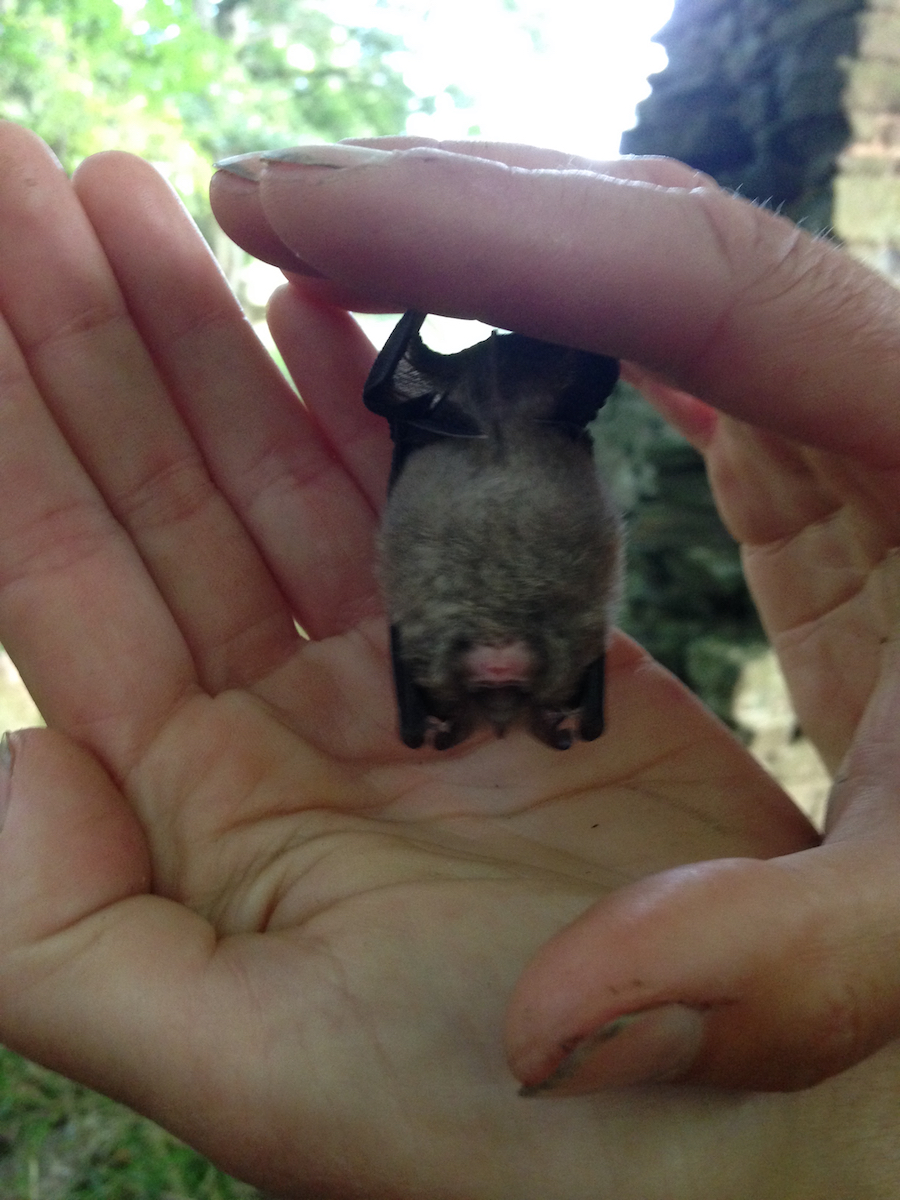
I have a couple of bats that roost in my porch and can always be seen flying around the garden at dusk picking off various insects. They are particularly busy at this time of year as I have a lot of Evening Primroses in the garden which are pollinated by night flying insects – dinner for the bats! The tiny pipistrelles can eat up to 3,000 insects in a night. I adore them but a lot of people are afraid of them, thinking they will fly into them in the dark. They’re not that stupid. Hundreds of years ago, people believed bats were blind because of their zigzagging flight patterns. Hence the saying, ‘As blind as a bat’.
In fact they can see almost as well as humans. However, at night when they are active, their ears are more important than their eyes as they use a special skill called echolocation. They make noises and wait for the sound waves to bounce back off objects as an echo. If it doesn’t bounce back then they can safely fly forward. They can also tell the distance of various objects by how quickly the sound waves bounce back to them which explains their erratic looking flight patterns.
“Are they doing ‘aero-bat-ics?’ Asked my quick witted brother.
Leave a Reply