
Taken from Lynne’s weekly column ‘Green Scene’ for the Western Mail
30th January 2021

For Candles?

We can touch February on the nose now then, and spring is creeping closer. Although folklore has it that if it is fine and frosty at the end of January and the start of February, then there is more winter ahead than behind.
It may only be a couple of days ‘short of a full month’, but in Welsh February is known as ‘y mis bach’ – the little month. Don’t underestimate it though, like lots of little things including terriers and mosquitoes, it can be fierce.
Whilst the Celts and the Romans considered February to be the start of spring, the ancient festival of Candlemas Day on the 2nd February was regarded to be the halfway mark of winter – halfway between the shortest day and the spring equinox.
Candlemas Day was so called as it was the day when all the candles that were to be used in church in the coming year were brought into the church and blessed.
Got On My Wick
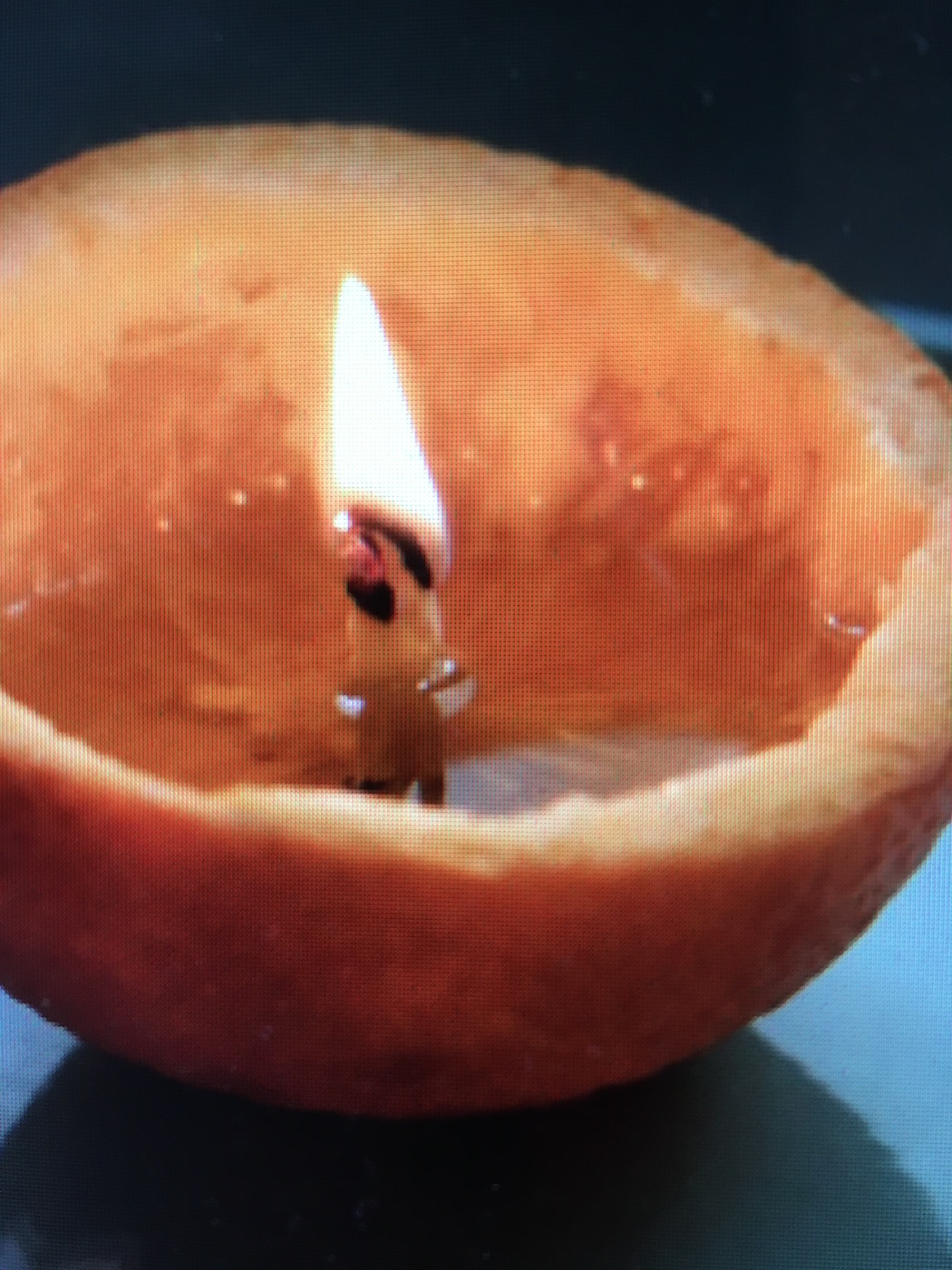 For those of you with a bit of spare time on your hands, you might like to try to make your own candle – out of an orange.
You’ll need aforementioned orange (apparently a lime, or a lemon work as well but I was too bored to try them after my orange episode), a knife, olive oil and a lighter – preferably one of those safety gas lighters.
Cut the orange in half and carefully separate the peel from the juicy fruit part to leave a ‘bowl’, making sure the white stem bit stays attached to the peel and that you don’t puncture the peel at all.
Sit your ‘orange bowl’ on a small dish and pour some olive oil into it and onto the stem bit.
Let your ‘orange candle’ soak up the oil for about half an hour. All you have to do then is light the stem, which is in theory the wick – and to be honest it’s this bit that might get on your wick as it takes ages. Once it is alight though it will burn for hours so it’s worth persevering. Like all candles, it’s best not to leave it unattended.
Make Your Bed
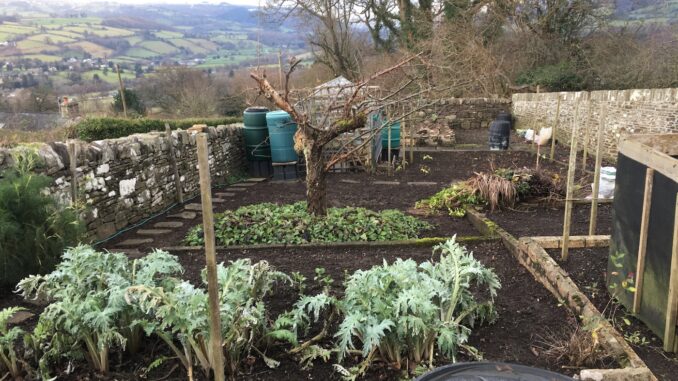
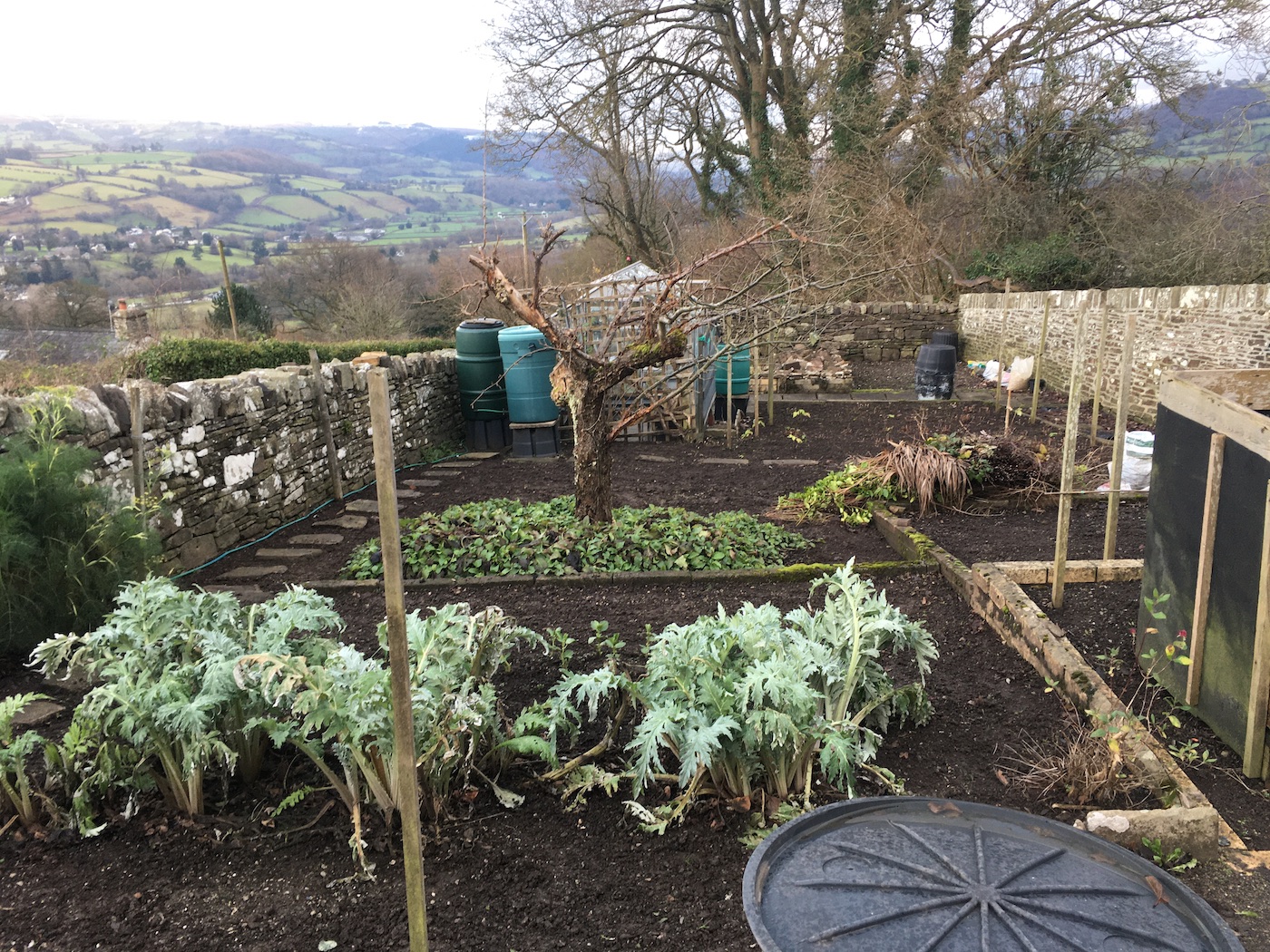 There are still lots of things you can do in your garden at this time of year, especially if you are planning to grow veggies. If you need to build raised beds, get on with it now and get them filled with soil and ready to ‘grow’ and if you already have your beds (raised or otherwise) in place, clean them up and add some well rotted manure or the contents of your (well rotted) compost heap when the weather allows.
Healthy soil will provide healthy crops and, in turn, healthy people! I think looking after the soil is a step a lot of gardeners miss out these days.
My granddad spent a lot of time working his soil and it is quite an art in itself. I’m a big fan or the ‘no-dig’ method and highly recommend checking out Charles Dowding’s books and videos at www.charlesdowding.co.uk. His own garden is just amazing and it’s worth visiting his website just to oooh and ahhh at the pictures. The ground elder at my cottage makes ‘no-dig’ a bit of a ‘no-gig’ but I’m persevering.
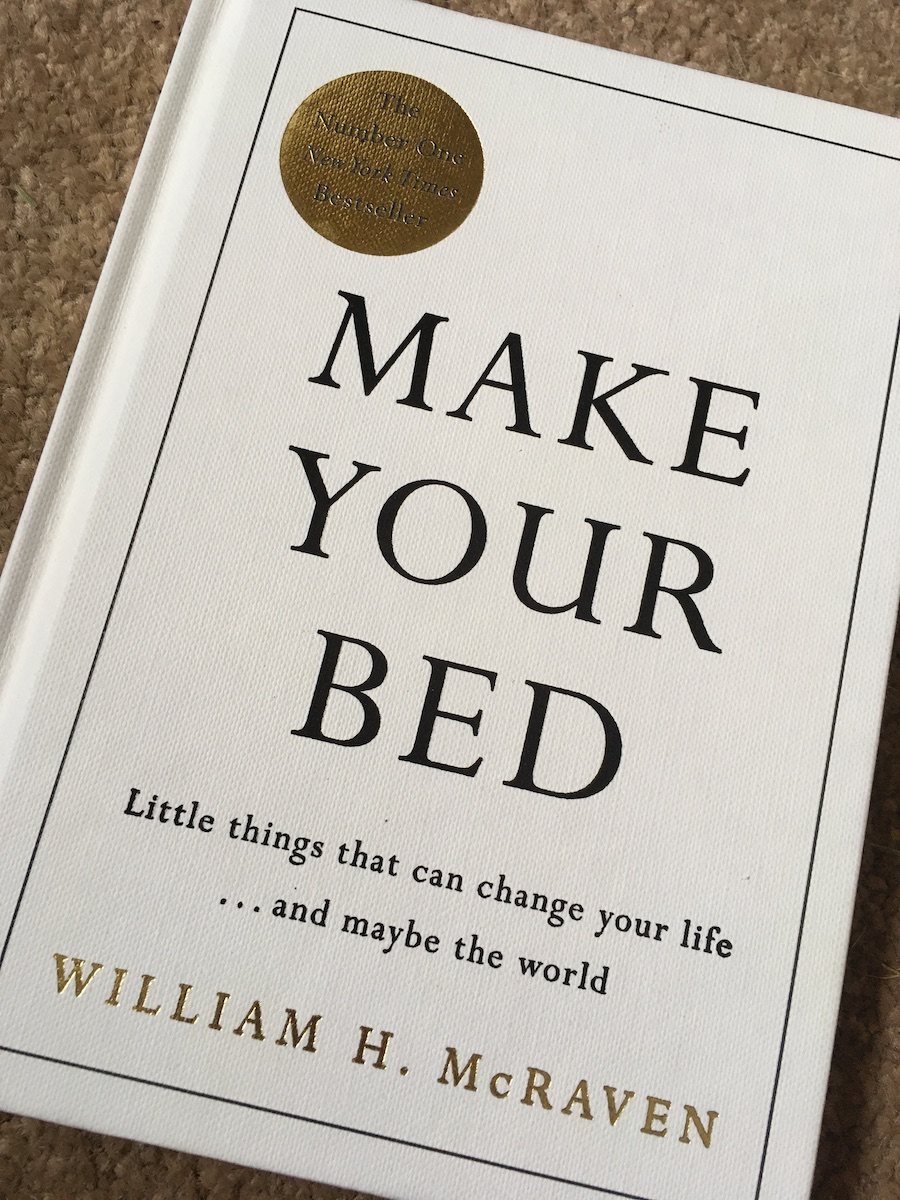 Typing the title of this section reminded me of a favourite little book, “Make Your Bed”, by William H McRaven.
The ex-Navy Seal shares ‘little things that can change your life … and maybe the world.’
It’s a short but inspiring read and one thing he recommends is to make your bed every morning.
Then, no matter how difficult the day gets, you have started your day with a task completed – and who knows, may make you more inclined to go out and replicate Charles Dowding’s veggie beds.
Miles for (Pet) Meals
Whatever the weather, if you need any motivation to get outside to get some exercise at the moment, please join Harringtons ‘Miles and Meals’ community at https://miles.harringtonspetfood.com/
The natural pet food company has set a goal of giving one million meals to animal shelters across the country and if you are a Strava user, you can help them achieve it. Simply sign up on their website, keep track of your miles through their Strava club and for every mile you walk, run or cycle they’ll donate a meal to a pet in need.
It’s a brilliant idea and the pawfect incentive to get out and move to make sure a homeless pet gets a meal.
Bootiful Nestboxes
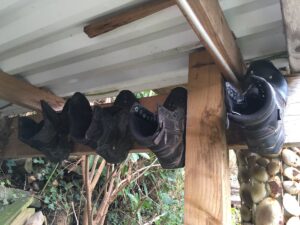
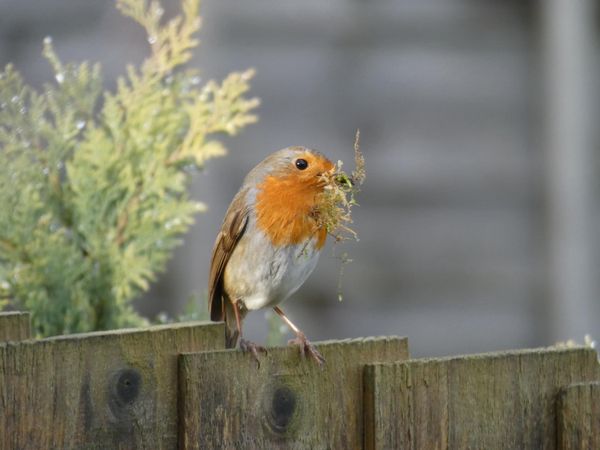 I’ve noticed the robins are already gathering material for nest building, and as I have been having a clear out in the cottage, I have repurposed a couple of old pairs of boots by nailing them to the beam in a shed, hoping they will make a good nesting site. Robins are famous for nesting in all kinds of unlikely locations, including sheds, kettles, boots, hanging baskets, in old machinery and even coat pockets, so fingers crossed my old boots will get a bit more use yet. I suspect they may not be private enough, but I’ll see what happens and if I don’t get any interested tenants, I’ll relocate them next year.
Nesting blue tits prefer a cosy cavity like old woodpecker nests, rotten holes in trees and cracks or crevices with cavities behind them. They may take up my boot offer though, as they are also the most likely garden bird to use a nesting box.
I’m lucky to have several wrens nesting in the garden every year, and often in the same locations. Their nests are beautiful and delicate sort of dome constructions consisting of moss, plant material, lichen, leaves and feathers, and located in a hollow or crevice in a tree, wall, bank or rock face behind climbing plants such as ivy. Nest boxes (and boots) may be used if you are lucky.
Don’t forget to take part in the Big Garden Birdwatch this weekend (30 – 31 January). Download forms from www.rspb.org.uk/get-involved/activities/birdwatch/
Leave a Reply