
Taken from Lynne’s weekly column ‘Green Scene’ for the Western Mail
25th March 2023

Clocks Spring Forward
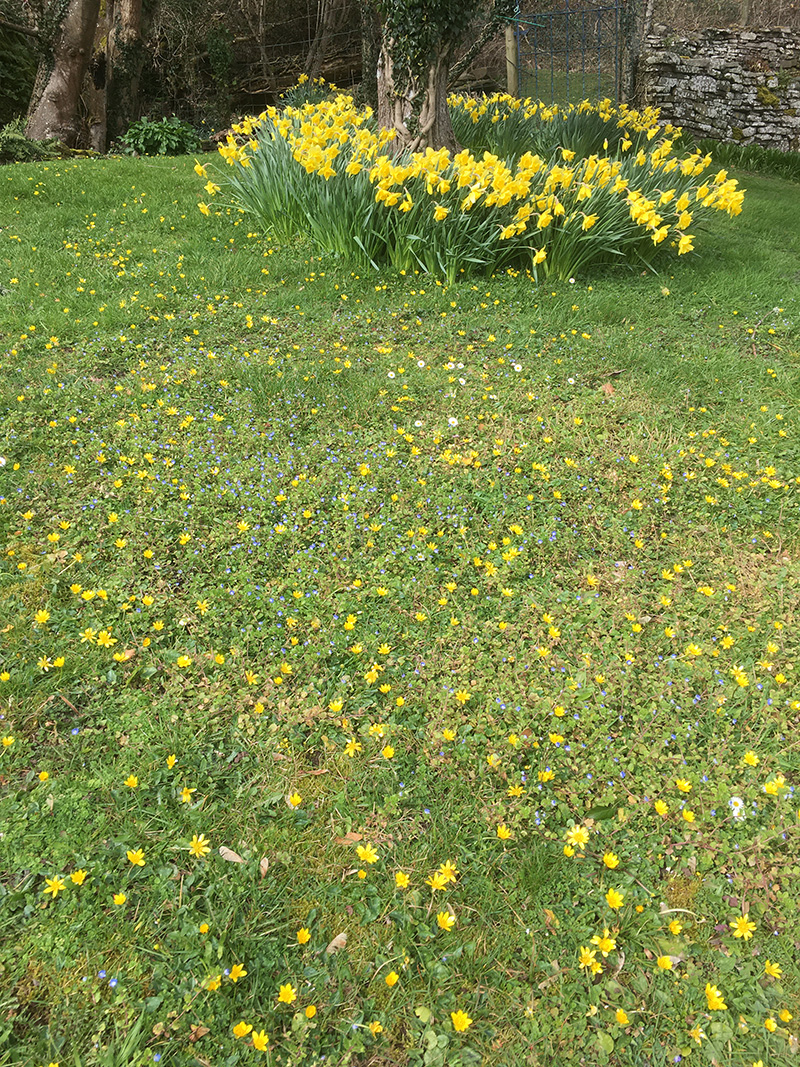
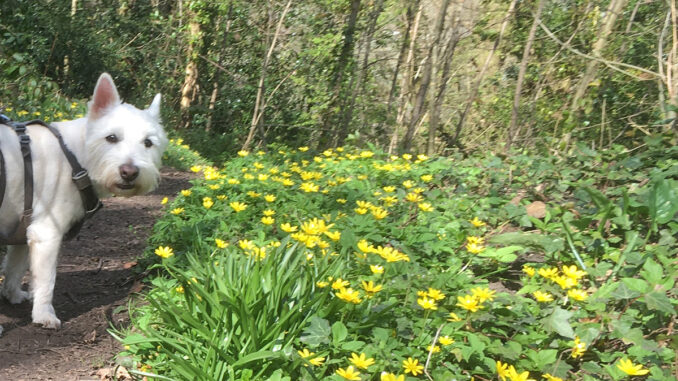
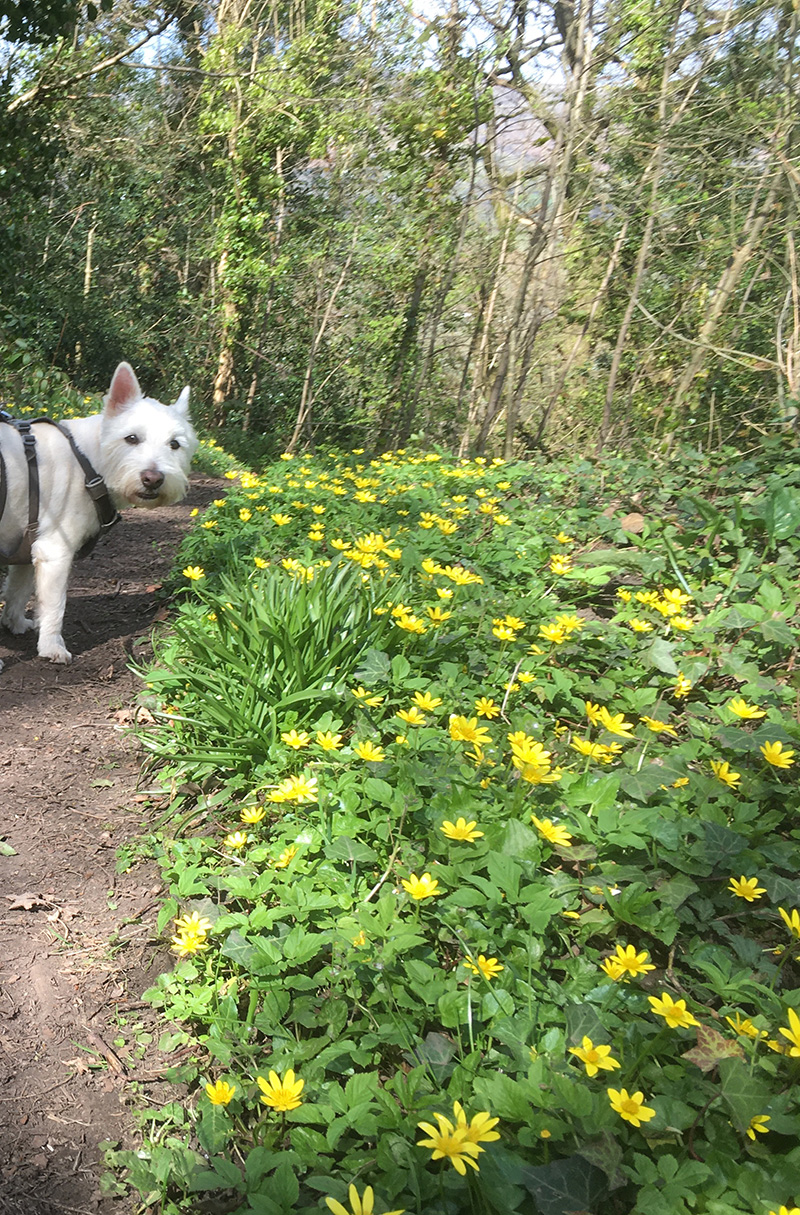
It’s that gorgeous ‘golden’ time of year. Not the subtle, subdued golden hues of autumn leaves, but the vibrant golden yellows of spring flowers. Daffodils, forsythia, dandelions, celandines and primroses are all contributing to the spring golden glow. It’s fabulous.
And swathes of the ‘sunny stuff’ are more than welcome this month, as apparently we are ‘enduring one of the dullest Marches on record’ with less than half the usual amount of spring sunshine and almost twice the amount of average rainfall. Wales in particular has only had a third of its usual sunshine and it has certainly felt like the April Showers arrived a month early and in earnest.
 Even if we don’t get more sunshine soon, we will at least have an extra hour of light at the end of the day as the clocks ‘spring’ forward this weekend.
An hour less in bed, dark when you (or I, at least) get up and most of Sunday referring to the fact that it’s ‘really’ an hour earlier than it actually is.
How It All Began
 Apparently in 1895, a New Zealand man named George Hudson came up with the idea of changing the clocks to give him more time for hobbies after work. The scientist suggested altering the clock by two hours, so he would be able to spend more time outside in the spring and summer evenings foraging for insects. It appears no one listened.
Later, in 1907 William Willett suggested a similar idea (but just a one hour change) to make the most of the natural light. He wanted more time to enjoy the outdoors in the evenings, and was disheartened by the fact that people were ‘wasting much of the summer light asleep’. He published and delivered a pamphlet, “The Waste of Daylight” to Parliament but died of flu a year before Daylight Saving Time became law, so never saw the fruits of his labour.
Although much earlier, in 1784, Benjamin Franklin also published an essay called ‘An Economical Project for Diminishing the Cost of Light’. In it he argued that if people got up with the sun and went to bed earlier at night we’d save on the cost of candles – something that, a little ironically, could be pertinent today.
In 2019, an EU-wide survey showed that the vast majority of people would prefer to scrap the changing clocks and so the European Parliament voted in favour of removing Daylight Saving Time permanently with effect from 2021. Member states would be able to choose whether to remain on ‘permanent summer’ or ‘permanent winter’ time.
The last-ever clock change was due to take place in spring 2021 but COVID 19 scuppered all that and currently the European Commission reports, ‘it does not plan to submit a new proposal on the matter to the Parliament.’
Whilst you may well be looking forward to your extra hour of evening light, it is worth remembering that there is a ‘noticeable increase’ in heart attacks, car accidents, and pedestrian accidents in the week that follows the clock changes.
On a lighter note, at this time of year a good friend always advises, “Time to put the clocks forward and time to change from red wine to white.’
Attention All Lawn Rangers
This week the Wildlife Trusts and Royal Horticultural Society launched their “Bring Your lawn to life’ campaign by asking gardeners to ‘reimagine’ their lawns for this mowing season.
Every year the RHS and The Wildlife Trusts lead a new campaign to inspire people to garden for wildlife. This year the charities are encouraging gardeners to experiment with a new look lawn for the benefit of wildlife and also the wider environment. Basically they are asking people to raise the blade on their mower and cut their grass less regularly to embrace daisies, dandelions, clovers and other naturally flowering plants.
 When grassed areas are allowed to grow longer, research shows those areas help to mitigate flooding by soaking up rainwater more effectively, to counter the effect of heat in urban areas through their cooling properties, and also to capture pollutants. They are also less likely to ‘burn off’ during dry spells than short grass owing to their longer and better-developed roots. This means that they will continue to benefit wildlife through the summer by providing an all-important habitat for a whole host of insects including ants, bees and butterflies.
You can ‘reimagine’ your lawn by reducing the frequency of mowing to once every three to four weeks to allow flowers such as dandelion and speedwell to bloom and help pollinators. That will also please the less-enthusiastic mowers amongst us, but do remember longer grass will put more of a strain on your mower – make sure it can cope before you let your grass ‘run wild’.
Do keep some areas short though – it is a nice contrast with longer grass and pathways should be cut shorter to keep them accessible. Shorter grass also provides foraging areas for worm-eating birds. Allowing some grassed areas to grow longer as a contrast, will offer shelter to grasshoppers and other insects, which in turn provide food for frogs, birds, and bats.
If you have a small lawn, consider alternatives to grass, like chamomile and creeping thyme and have a look at ‘tapestry lawns’. Described as, “a new, practically researched and timely development of the ornamental lawn format that integrates both horticultural practice and ecological science and re-determines the potential of a lawn. Mown barely a handful of times a year and with no need for fertilisers or scarifying, tapestry lawns are substantially richer in their diversity of plant and animal life compared to traditional grass-only lawns and see the return of flowers and colour to a format from which they are usually purposefully excluded.”
Whilst traditional gardeners may go ‘Tonto’, there are definitely new-style ‘Lawn Rangers’ in town. And the countryside.
Leave a Reply