
Taken from Lynne’s weekly column ‘Green Scene’ for the Western Mail
23rd July 2022

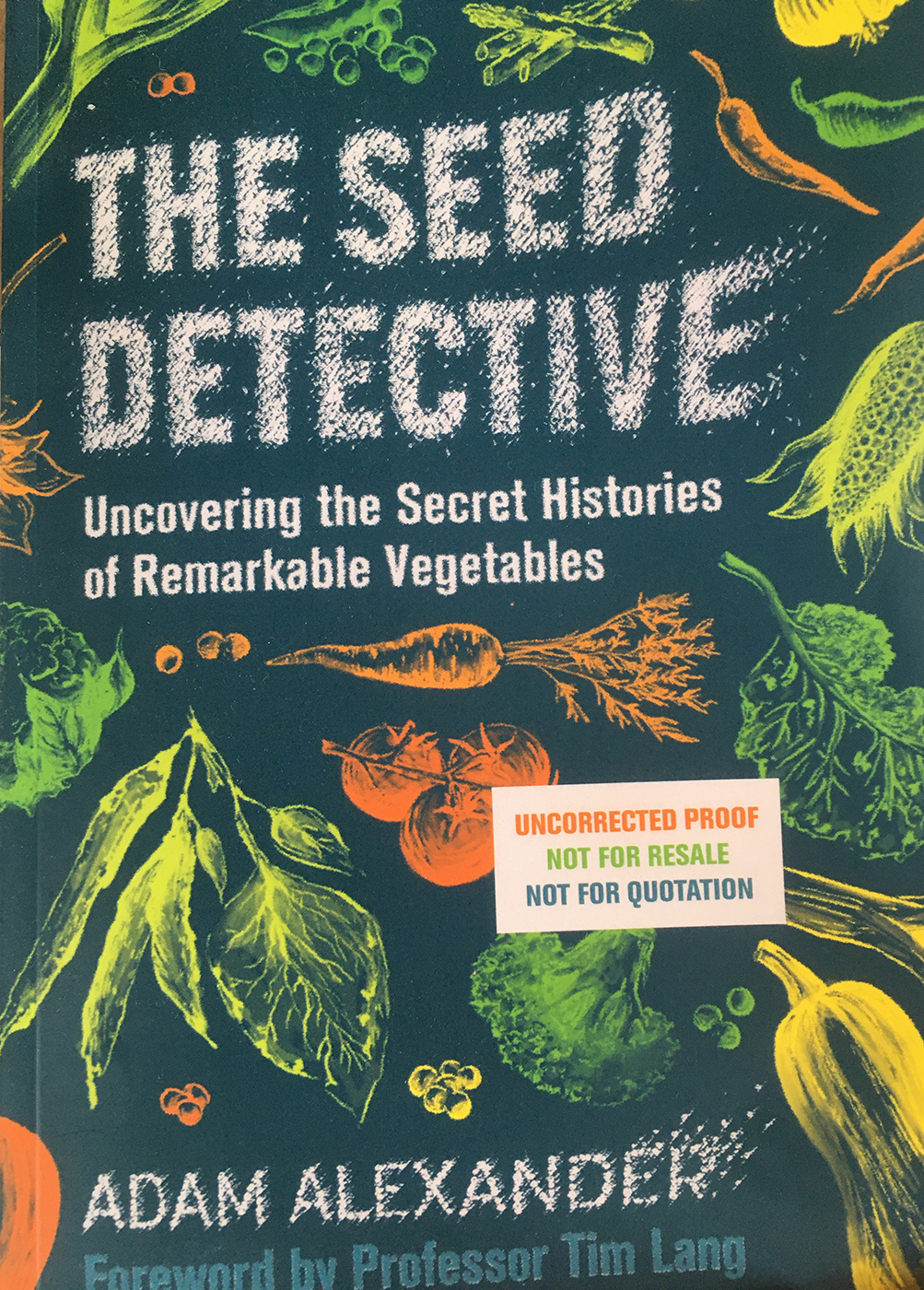
The Seed Detective
I was glad to have a new book to review last week as it meant that I could spend a bit of time sitting in the hammock, in the shade with Yogi.
Adam Alexander’s ‘The Seed Detective’ may sound like a bit of a niche read but it’s far from it. Gardener’s will obviously find it a very interesting and informative read but it’s also a book that will be enjoyed by anyone that has an interest in nature, food and history.
To be honest, I think it is actually a book that should be read by anyone who eats food. It is such a pertinent and timely reminder of where our food comes from. I can recall many people I have met not realising that the peas that come out of a pod are not just food but the next generation of peas.
It can get a bit confusing as so many varieties of vegetables have now been commercially bred for heavier yields, better disease resistance and to be less likely to bolt. These are called F1 hybrids and saving seeds from these will not produce seeds that ‘come true’ when they produce ‘next years’ vegetables. Commercial seed packets will state if the seeds are F1.
So why not have a go at saving your own seeds this year, making sure you only save seed from open-pollinated varieties (not F1s). These are often heirloom varieties that have naturally evolved over the years and been passed down through generations of gardeners. The importance of using heritage and heirloom seeds runs through Adam’s book like ground elder runs though my garden. It is the only way we can keep these tasty and trusted varieties ‘alive’ and is so, so important.
Easy plants to save seeds from include tomatoes, peppers, beans and peas. These plants have self-pollinating flowers and produce seeds that require little attention before storage. Granddad and Dad always used saved or ‘hand-me-down’ bean seed and any surplus seeds were like currency amongst gardening neighbours. I also remember tomato seeds drying out on blotting paper (there was always one sheet in the beginning of every writing pad – probably something some generations have never seen). The seeds and pulp would be scooped out of the tomato (and the rest used by Nan in the kitchen) put onto blotting paper and left to dry on a windowsill. The pulp would then be carefully removed from each seed and when the seeds were fully dried they would be stored in a (used) envelope.
The Seed Detective is a great entertaining, informative and inspiring read. It reads more like a novel than a how-to book and whilst it is not an obvious ‘gardening book’, I think it is possibly the most important and inspirational book about gardening that you’ll ever read.
Published at the end of September, it is available to pre-order on Adam’s website now and I have it on good authority that Adam will be speaking for Gavenny Gardening Club next year. I’ve booked my seat already.
Algae Alert
Sometimes I feel like this is the Column of Doom. I always seem to be pointing out the dangers of something or other, be it the perils of a lack of water for our wildlife, toxic plants, or hot hosepipes, and this week is no exception.
The recent hot spell will have encouraged the growth of blue-green algae, which is a term used to describe a group of bacteria, called cyanobacteria. And you’ve guessed it, this bacteria or ‘algae’ can be fatal to dogs. It can also make humans very poorly too, resulting in skin rashes, sickness, stomach pains, fever and headaches, and children are more affected than adults.
Unhelpfully, the bacteria cannot be seen with the naked eye until they start forming clumps. These clumps look like green flakes, greenish bundles or just brown dots in bodies of water.
When the algae blooms, it can look like a blue-green scum has appeared on the surface of the water, hence the name.
It is most common in non-flowing fresh water such as lakes and ponds during hot weather but can also occur in streams and rivers that are low and slow moving. My ‘piggy-vet’ has just sent out a newsletter warning that this algae can also be present in stagnant water in drinking troughs (and can affect cattle and horses).
The advice is to not let your dogs drink from or swim in water that could be affected. It is an absolute minefield and I do wonder what nature’s agenda is sometimes. At the very time where dogs are particularly drawn to ‘natural’ water to drink or cool off, nature goes and throws a low ball.
I remember a city-friend being horrified that I spend so much time outdoors as she warned that everything in nature is designed to ‘maim or kill you’. It seems she wasn’t far wrong according to Dan Riskin, author of fabulous book, “Mother Nature is Trying to Kill You.’
Described as ‘A Lively Tour Through the Dark Side of the Natural World’, I’m sure once I have finished reading it, I will be spreading more woeful warnings from the wild side.
For more information about blue-green algae pop into naturalresources.wales where you can also see photos of it – because now I’d rather share a photo of me and Yogi relaxing in our hammock!
54 Hours Under the Ground
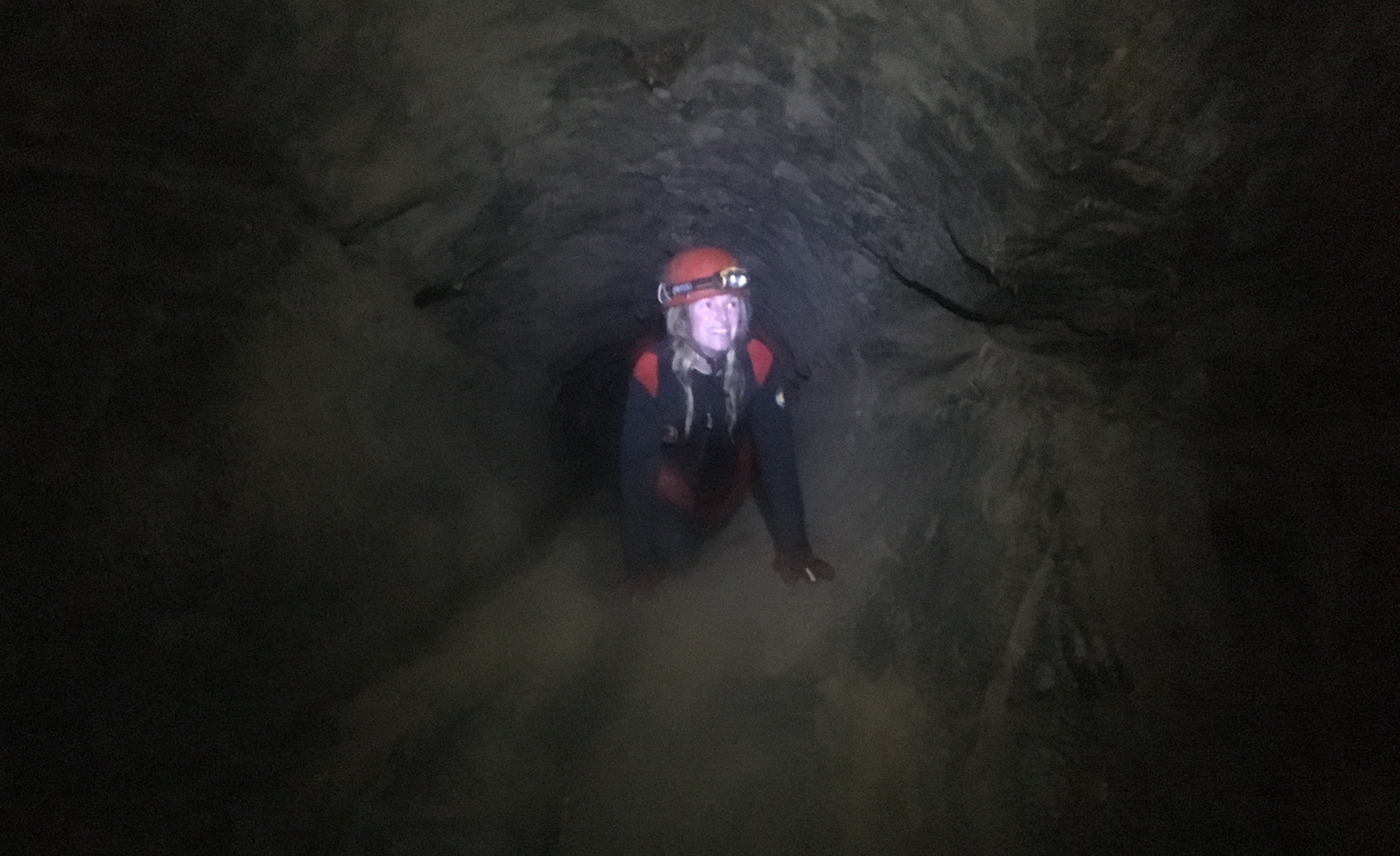 If you didn’t see the drama-documentary ‘The Rescue: 54 Hours Under the Ground’ last Monday evening, do try and watch it on iPlayer. It tells the true story of the longest and most extensive cave rescue in Britain’s history, deep under the Brecon Beacons, and how over 300 volunteers took part in the record breaking stretcher carry to save George Linnane’s life.
It is the most gripping, inspiring and humane heart-warming programme I have seen for years. It is the perfect antidote to all the chaos and fear in the world right now and shows how wonderful humans can be (not a sentence I thought I would be typing).
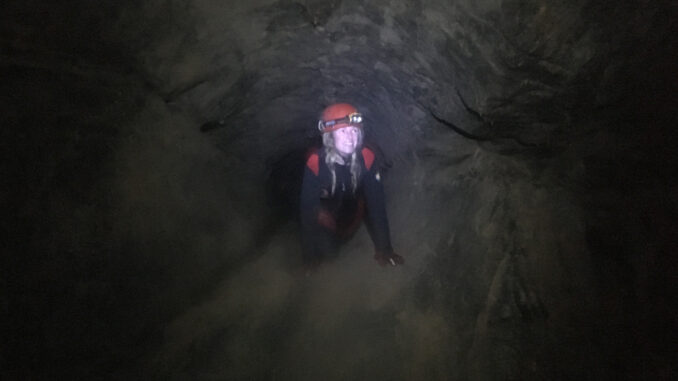
Caver and cameraman Steve Thomas was not only part of the rescue team but he also filmed a lot of the footage for the documentary. I have worked with Steve a lot on various projects and have also been underground with him several times, including a vertical descent of nearly 100m into Gaping Gill in North Yorkshire. It was memorable to say the least – just as Monday’s documentary was.
Huge respect to all involved – in the rescue and the production, and for giving so many of us an incredible glimpse into another world and the very best of the human race.
Leave a Reply