
Taken from Lynne’s weekly column ‘Green Scene’ for the Western Mail
23rd April 2022
 Be-leaf it or Not
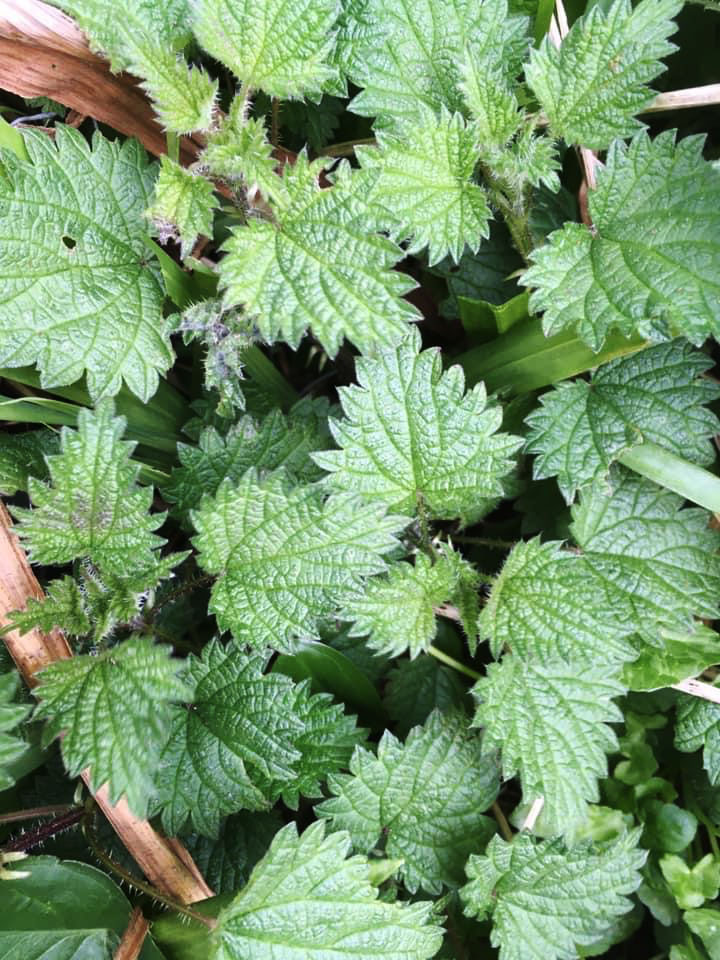
Tidying up in general around the garden over Easter weekend yielded a nice haul of nettle tops. They are absolutely delicious when fried until crispy and it makes having them in the wilder parts of the garden here, worthwhile. Whilst they are important for wildlife – a food source for caterpillars of the small tortoiseshell and peacock butterflies, ladybirds are attracted by the tasty aphids they host and they also provide autumn treats for seed-eating birds – it’s nice when I can benefit a bit from them too.
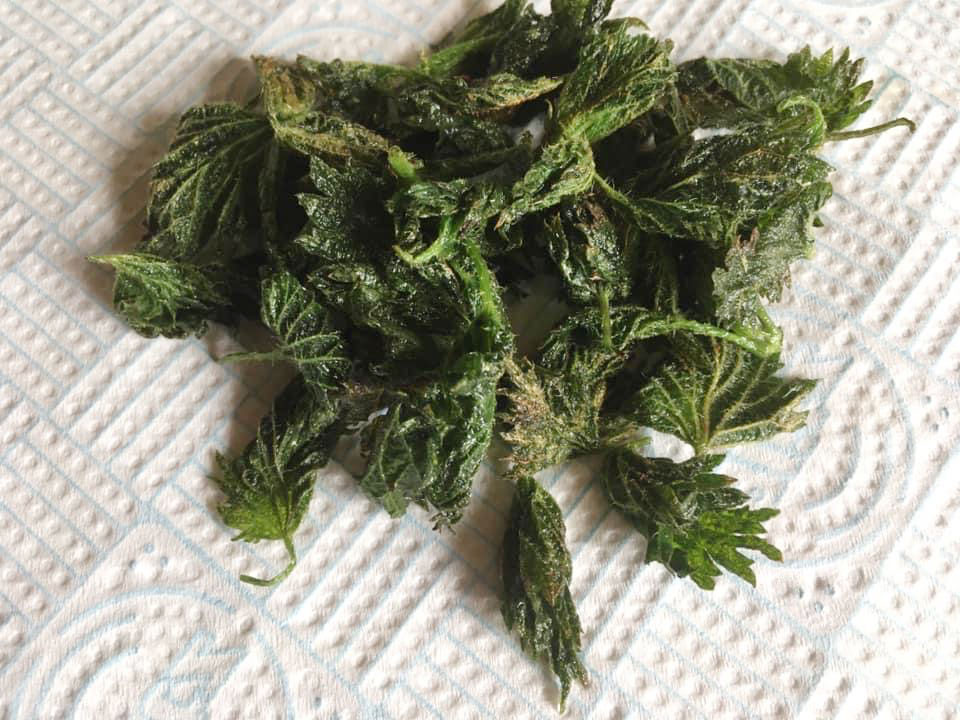
Just nip the young tops out and fry them in oil until crispy. Just be careful that they are ‘clean’ and free from pesticides and ‘peeing dogs’.
 Lots of young leaves can be eaten at this time of year. The young vibrant-green hawthorn leaves are known as ‘bread and cheese’ as they were used as a ‘cost-effective’ sandwich filling years ago.
Young ground elder leaves can be used like spinach – which is helpful as there’s no shortage of the stuff at the cottage. I have had to learn to live with it, as it is virtually impossible to eradicate when growing through other plants. Make the most of it – eat the leaves now and enjoy the frothy flowers a few weeks. It is actually enjoying a ‘rare bit’ of appreciation by being used in a lot of the ‘wild gardens’ at Chelsea Flower Show this year.
Leaf Them Alone
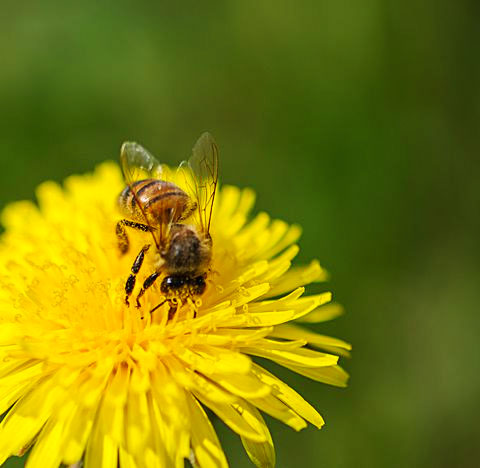 Whilst I tackled a huge amount of jobs around the cottage last weekend, you could mistakenly think that I have overlooked a few things – the dandelions in the borders and the lawn, for example. But I leave them deliberately as they are so good for the bees. Another reason to leave them in one particular clients garden is that her tortoise adores them too.
Along with a lot of ‘weeds’ they get a bad press. It’s all about perspective – some people look at dandelions and see weeds and some see wishes.
Dandelions are actually great soil improvers too, their roots are able to break down compacted soil, their leaves provide calcium for the soil, and many old fashioned gardeners believe that once the soil is in good condition then the dandelions will automatically disappear. It is thought that if the leaves are flat on the ground then the dandelion is still working hard for you but if the leaves are raised then the soil is much improved and the chances are the dandelions are on the retreat.
They are sensitive too – during the day if it’s warm, the flowers open and close again in the evening when it cools down. And if it’s not hot enough during the day they often won’t open at all.
And if you put a dandelion flower in water in a few days it closes and opens as the wish-inducing puff. It is said to ‘enthral’ young children but it still enthrals me too.
The dandelion flowers are the first food for many insects after hibernation and provide both pollen and nectar. Both the flowers and the leaves are edible for us too. Often referred to as ‘honey, or gold, of the poor′, the sweet flowers were used for jam, sauces or just added to salads. And of course used to make dandelion wine – possibly one of the most potent homemade wines I have tasted.
The leaves are bitter and are an ‘acquired’ taste – just add young leaves to salads or cook like spinach. Although best not to eat too many as they’re a diuretic, hence the common name ‘Pissabed’. The roots can be dried ands used as a coffee substitute.
And if your garden is devoid of them, you can actually buy dandelion seeds. I am always met with groans and eye-rolls from the audience if I speak about this, but there must be a market for them!
Water Great Can
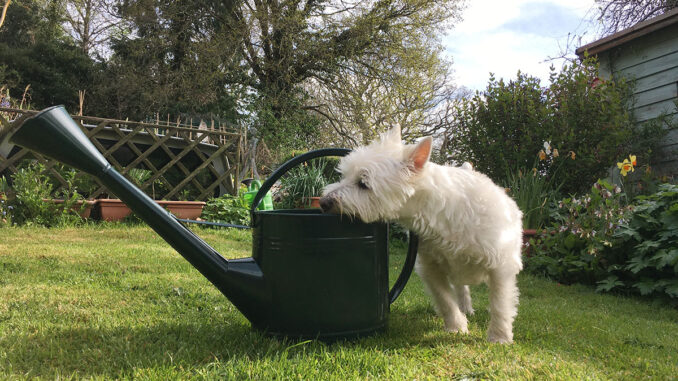
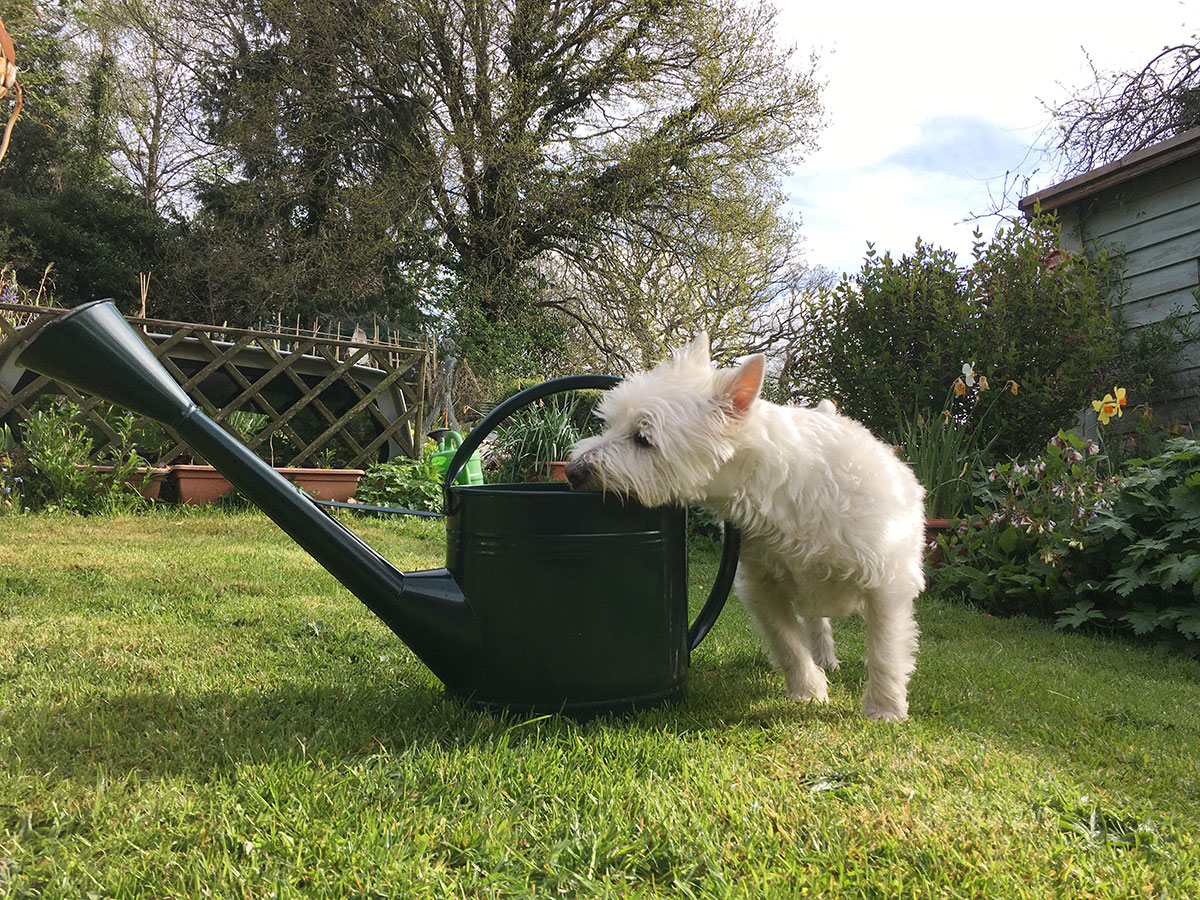 I have really enjoyed my new watering can from Burgon and Ball. It’s substantial, holding 9 litres (roughly 2 gallons) of water, and greatly reduces the trips to the water butt (or tap) – always a bonus. The ergonomic design means it’s easy to carry, despite the weight, and it’s ‘cleverly weighted to the spout for automatic pouring – with a little help from gravity! The emptier the can gets the further it tips, with the comfortable roll-edged handle sliding gently through the fingers with minimal effort from the gardener.’
Cleverly, the removable, screw-on rose gives a choice of fine or rapid watering – too clever for me, as I didn’t notice that straight away.
For years I used my granddad’s old galvanised watering can until it met with an unfortunate accident involving a 4×4. Burgon and Ball, true to form, have recognised the gardener’s appreciation for these beautiful ‘tools’. It’s one of those things that is just a pleasure to use. It feels nice and does what it’s supposed to.
It has a five year guarantee against manufacturing defects, and whilst the price is a little spicy, it’s a heavy duty can which will outlast hoards of the plastic ones that drive me nuts. There is also a smaller 5 litre size watering can available. Whatever size suits, I think they are a real investment piece for the garden – nice to look at, nice to hold and I’m sold (on it).
More information – and about other lovely garden tools – (Burgon & Ball stainless tools are officially endorsed by the Royal Horticultural Society, possibly the ultimate accolade in the gardening industry) at www.burgonandball.com
A lovely Sunday read once again and it’s so good to know you still have the child in you for dandelion flowers! Have a great day. x
Yes!! 100% there’s a market for dandelion seeds. I’ve bought them before now. I’m norse and in our culture dandelion is a great thing to use for things like visionary work and for health benefits. I have ones that I use and ones that are untouched for bees. I’ve even seen cakes decorated with them.