
Taken from Lynne’s weekly column ‘Green Scene’ for the Western Mail
25th July 2020

Veggin’ Out
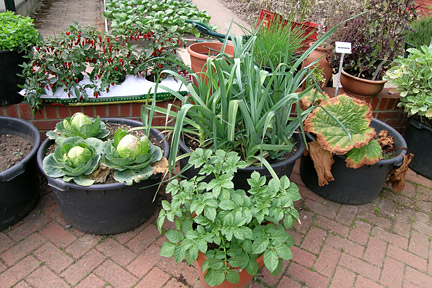 Lots of people are telling me that it’s been a ‘funny old year for (growing) veg’. I have to reply, ‘Every year is a funny old year for veg.’
It’s true. There are always some crops that will do well and some that will be reluctant to do anything, and obviously the ever-changing weather plays a huge part in a successful (or otherwise) harvest.
Most gardeners I know are continually experimenting. I have had far more success growing my sweet peas in big pots than in the ground this year. I know I have rabbits in the garden and their burrows are undermining a lot of my crops – including my rather infamous runner beans, which I have to keep heeling back in. I have to admit to enjoying watching the rabbits more than worrying about my beans. Most of my other veggie beds are rabbit-proofed, so my leafy salad crops have done well, especially the giant red mustard leaves which I love (and which were appalling last year) as did my early spuds, but my tomatoes and courgettes have taken a lot of tender loving care and persuasion to ‘rise and shine’ this year.
My runner beans have just started flowering and it looks like I may get a few meals, whereas a friend in the village has been picking hers for weeks. Hers are grown in large tubs and with a generous helping of her home made compost in the base. My dad and grandfather would turn in their graves at the thought, but ‘crops in pots’ do seem to be a far more reliable way of growing veg for a lot of people. I think it’s because we don’t have the same respect and understanding of the soil that older generations and dedicated growers had or have. I am the first to admit that I should feed my own veggie beds far more than I do – and the fact that I don’t, along with continual sabotage from various wildlife (and sheep), just doesn’t give crops grown in the ground the best of starts.
Pots and containers are more manageable, from feeding to just keeping safe from pilfering wildlife. And of course you are less likely to become overwhelmed by containers, in the same way that a veggie plot or allotment can make you feel very inadequate.
Keep Sowing
 However, I am managing to continue to make sowings of beetroot, carrots, lettuce and radishes – straight into the warm ground – as they should provide pickings late into the autumn.
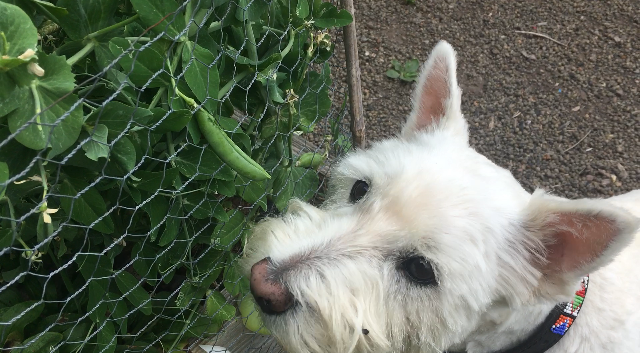
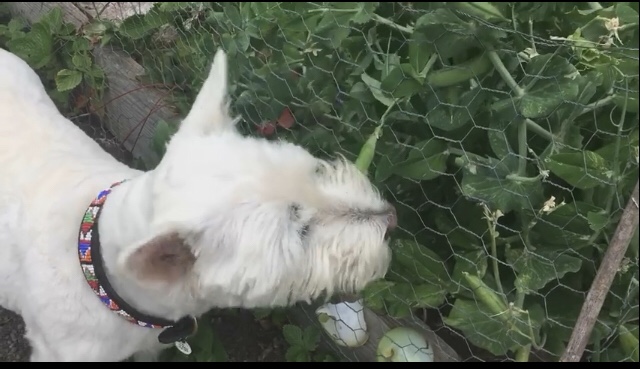
I have also sown another row of peas. You can never have enough fresh peas. Yogi agrees – she loves picking her own (see pic).
There is a tendency to run out of steam and enthusiasm for veg growing about now, especially as hedge cutting and strimming demands attention, but keep sowing (even in containers) and you’ll be reaping your rewards for longer.
Hogging the Limelight
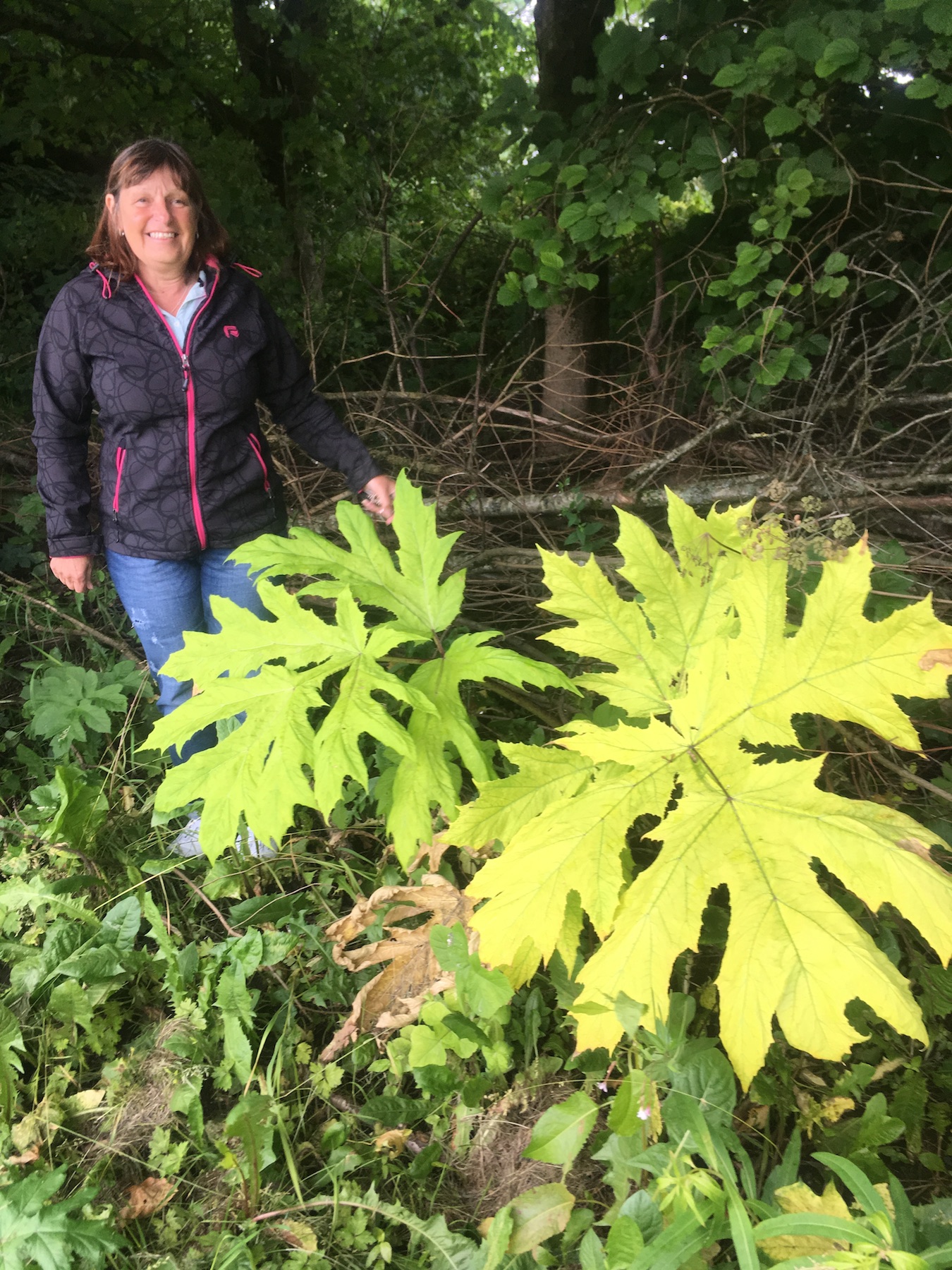 I have been sent a few photos and asked to identify what the reader thought was giant hogweed. I always say, “If you have to ask if it’s giant hogweed then it probably isn’t.”
The sap of giant hogweed is phytotoxic and can cause burns if it gets onto your skin, and exposed to sunlight. Blistering can recur over months and even years and is unfortunately far more common than it should be. Dogs can be affected too if they push through or past the plant. It is worth familiarizing yourself with it and once you have seen this ‘herculean hogweed’, you will realize just how much bigger, and less common than the common hogweed it is.
Aileen is kindly standing next to the leaves of giant hogweed for you to see the scale. Admittedly she’s ‘pocket-size’, but you can still see the enormity of the leaf size compared to the more common hogweed seen in gardens and hedgerows. Giant hogweed should always be reported to the local Council who will be able to deal with it accordingly and reported locations are marked on the www.planttracker.org.uk/map/giant-hogweed, which is a useful website/app.
Revenge of the Horse Flies
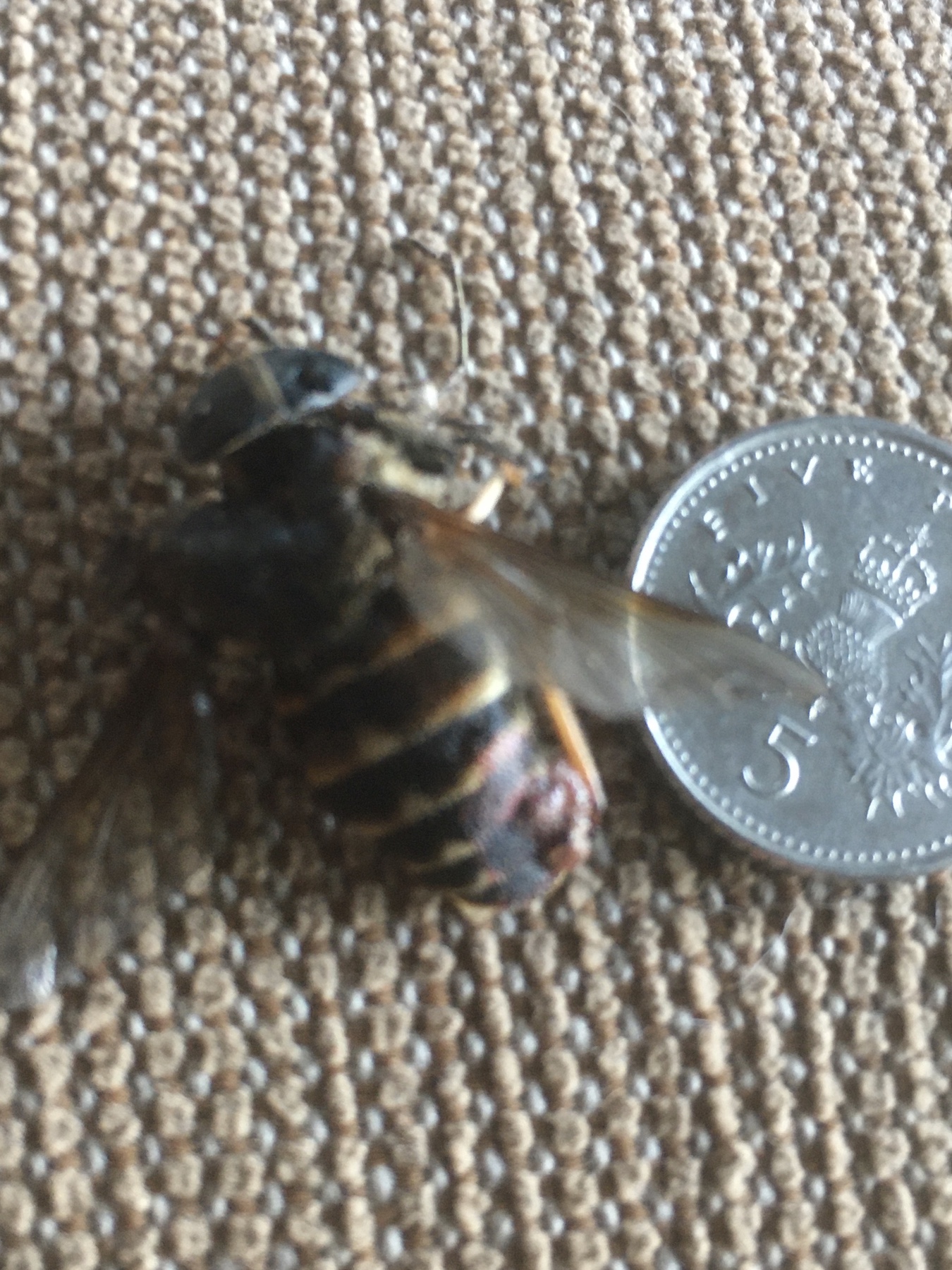 It is as though the horse fly fraternity read my column last week, declaring ‘war on horse flies’ and sent in the ‘heavies’. For the first time in 53 years I witnessed the dark giant horse fly. And it’s not pretty. About four times the size of the normal horse fly, two of them were feeding on Frank (my pet pig) last week and were full of blood by the time I found them and squished them. Honestly, they’re like something out of a Stephen King novel. Ach y fi …
They are apparently most prevalent during the third week of July and prefer to feed on cattle, horse and deer than humans, but will bite us if they can. Although a wildlife blogger thought that the chances of getting bitten by such a ‘clumsy noisy beast’ were very small, this was contradicted by a ranger from the New Forest who reports extreme swelling when bitten and claims, ”Be very careful around them, they land ever so gently and you don’t feel them until it’s too late. The bite can cause a systemic reaction, which in severe cases can include anaphylactic shock and hospitalization or even death.”
Flying Flowers
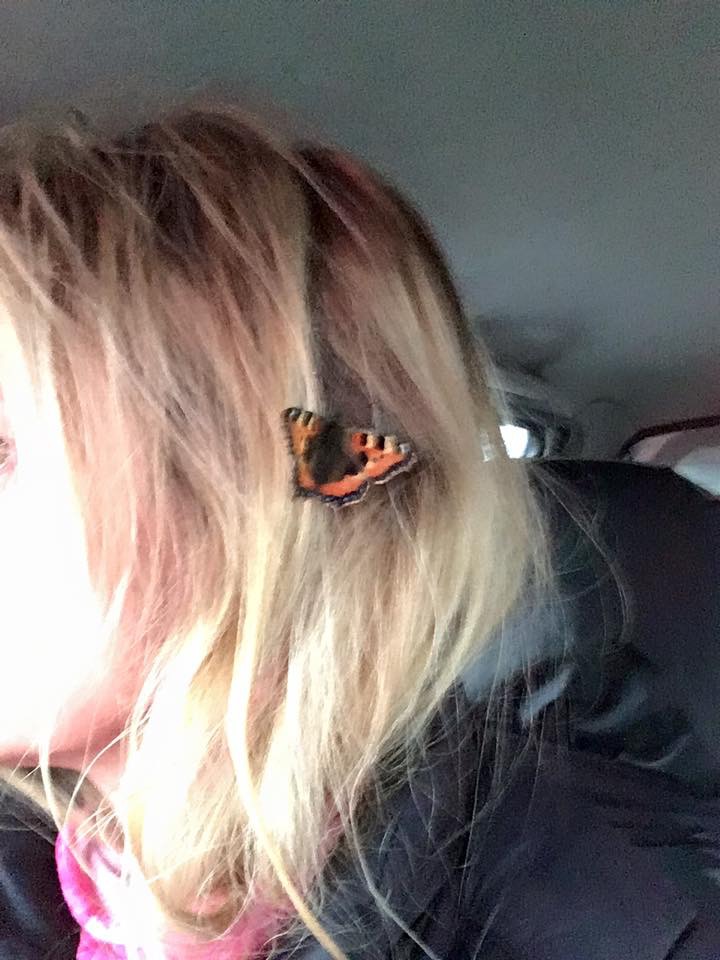 Finally, to more beautiful flying insects. Thankfully, I seem to attract butterflies rather than horse flies. Could I ask a favour please; the Butterfly Conservation is encouraging people to use their chart to spot and record 18 species of common butterflies and two day-flying moths during the next three weeks.
So could you download a free butterfly chart (or a free app) from www.bigbutterflycount.butterfly-conservation.org and then when you are sitting outside in the sun with your cup of coffee (or gin and tonic) could you spend just 15 minutes counting the butterflies you see and then submit your sightings online.
One of the more random things that Prince Charles told me during a brief chat years ago was that he sees butterflies as ‘flying flowers’. I haven’t been able to see a butterfly since without thinking of that – and now you probably won’t either!
Leave a Reply