
Taken from Lynne’s weekly column ‘Green Scene’ for the Western Mail
18th January 2020

Life and Soil
Gosh – as I typed the date in for this column, I had to check – we are already the other side of the backbone of January.
Thankfully, despite the wet weather, the evenings are drawing out noticeably and it’s just the mornings that need to have a word with themselves now.
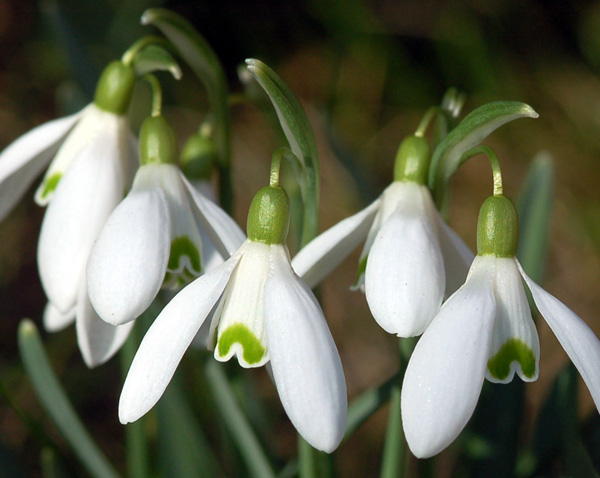
Snow drops are up and out in some places and daffodil leaves are well above ground – all very welcomed signs that spring is on it’s way. Of course there is time for some proper wintery weather in between but just to get this far without it is a relief.
You don’t have to be a professional gardener to make the most of any clement weather at this time of year. We have had the odd dry day amid the biblical rain and damaging winds. Any jobs that you can do in the garden at this time of year will get you off to a good head-start when things begin to grow in earnest.
Construction jobs are especially useful to do now (you may have a few repair jobs to do after Storm Brendon!). I have just made some new compost bins out of pallets and re-rabbit-proofed my veggie beds in preparation for spring.
And I will be getting a load of composted soil improver from Abergavenny Green Waste Centre for the veggie beds. 100% peat free and made from recycled green waste, it’s a must for growing healthy veg, as the copious amounts of rain we have had will have washed the nutrients out of the soil. The soil improver is also a healthy quick-fill option for containers and raised beds and can be bought bagged or loose if you have a truck or trailer.
I first discovered it when judging Blaenau Gwent in Bloom where one of the schools had conducted an experiment with a couple of raised beds being filled with the Green-2-Earth compost and topsoil. The difference in growth of the veggies in those beds compared to the control group was staggering and enough to convert me into a ‘believer of the black stuff’.
Contact 07811414718 or 01873 857410 for details, including possible delivery options (and/or you can collect from Abergavenny Garden Centre). And if you aren’t local to Abergavenny, don’t worry they can also let you know where to find Green 2 Earth composted soil improver and topsoil supply outlets local to you.
I’ll gloss over my brother’s quip (and notorious eye roll) about me being the ‘life and soil of a party’, but it’s worth remembering that the quality of your soil is the difference between healthy crops and major flops!
Tree-mendMoss Idea
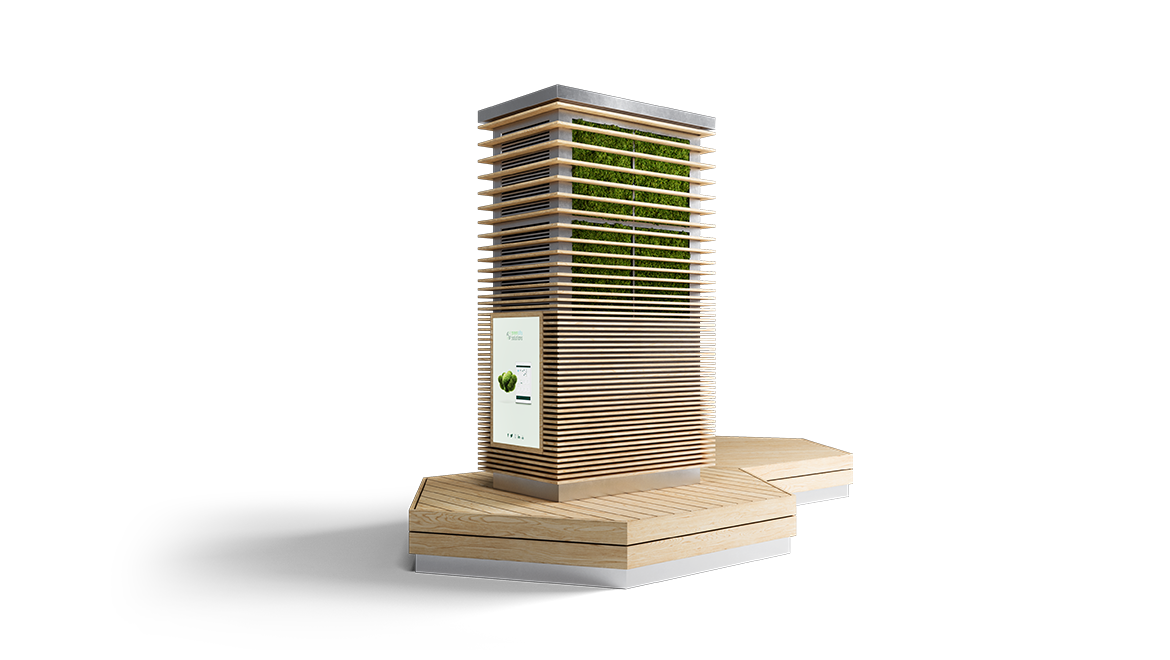 Three new City Trees have just been installed in London but your tree-spotter guide won’t have them listed, as they’re actually towers filled with different types of moss, which eat up particulates and nitrogen oxides whilst simultaneously producing oxygen. More CO2-filtering structures than trees, but useful nonetheless.
Each moss tower has the air-cleaning capability of 275 regular trees, making them an extremely powerful tool for improving air quality, especially in polluted areas where it wouldn’t be possible to plant such a large number of trees. Another handy benefit – especially given the scorching July we had last year – comes from the mosses’ ability to store large amounts of moisture, which keeps the surrounding air cooler.
You’ll find the City Trees outside Leytonstone tube station and on Leytonstone High Road, which are pollution hotspots within the borough of Waltham Forest. As Cardiff has recently been ranked worse than London for air pollution – the fourth-worse City in the UK, with London being the 75th – maybe the Welsh powers-that-be should take a note of the details here: www.greencitysolutions.de/en
Splitting the Difference
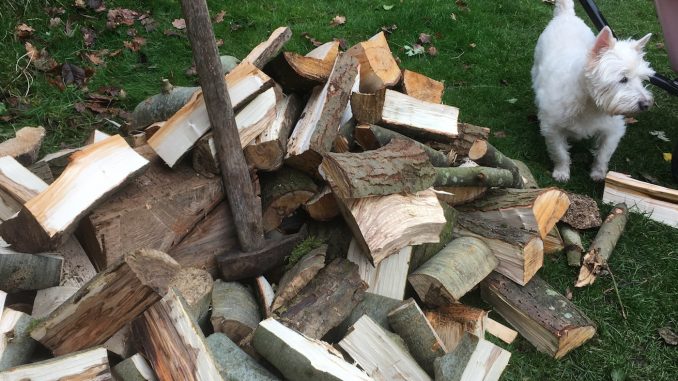
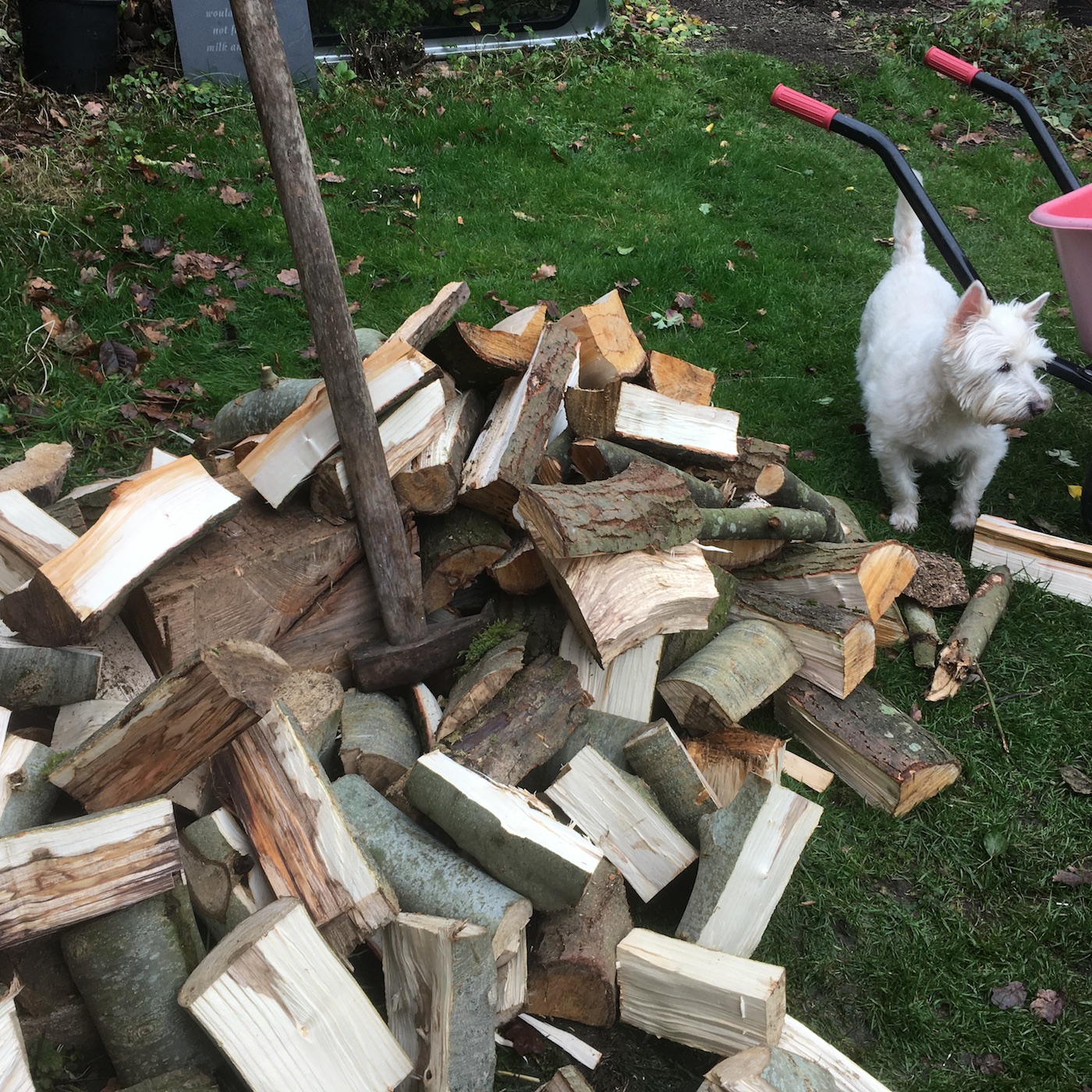 One thing the moss towers won’t replace, when they have reached the end of their life, is ‘firewood’. There was no need to visit the gym this week, as I split a load of wood from a recently fallen tree.
One of the things I love about my life is the questions and learning’s the numerous different things I do raise. I realised that one of my axes has a much narrower head than the other, and a little bit of research shows that a chopping axe is indeed different from splitting axe. The blade of a chopping axe is slimmer than a splitting axe, and sharper, as it’s designed to cut, or chop, cross-way through the fibres of the wood. A splitting axe is, as the name suggests, used for splitting wood into blocks and has a wider head on the blade. (splitting axe shown in pic).
And as well as making me think, I can tell you it made me sweat – I think splitting the wood kept me warmer than burning it will.
Tree Feeder
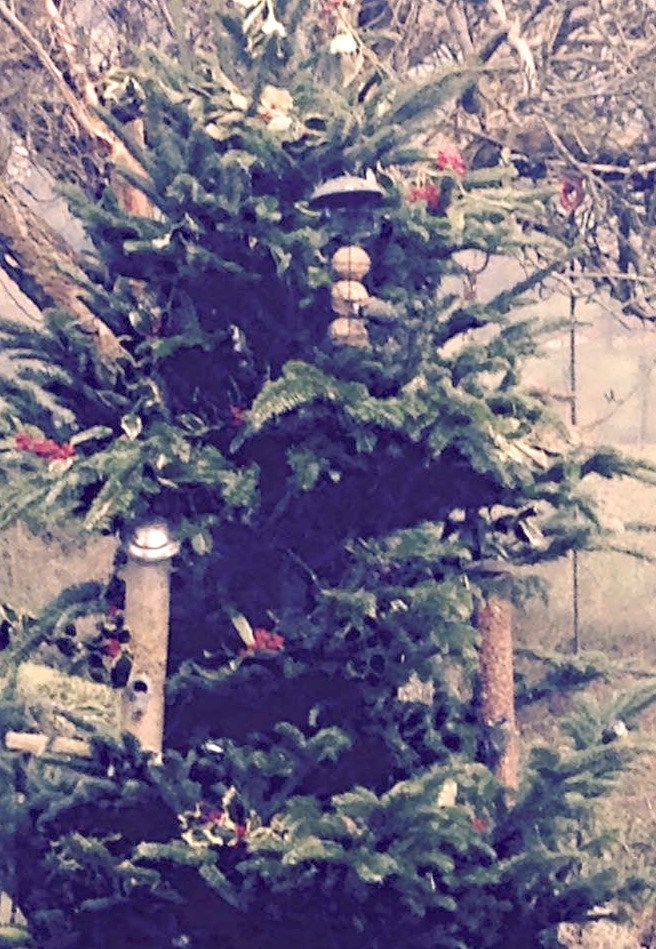 Sorry I am a bit late with this top tip, (I blame a menopausal memory) but if you still have your old cut Christmas tree loitering in the garden, do repurpose it for the birds.
I always do this and love watching them continue the enjoyment and appreciation of my redundant festive tree. Drape it with suet balls on swag, bird feeders and chopped up apples and pears.
Pop into www.rspb.org.uk for more information on what to feed – and not to feed – your garden feathered friends.
Leave a Reply