
Taken from Lynne’s weekly column ‘Green Scene’ for the Western Mail
5th November 2022

To Leaf or Not to Leave
 It’s a leafy time in the garden and there are mixed opinions about clearing up fallen leaves. I think that it is important to remove leaves from paths, steps and patios, as they will become slippery and hazardous as they start to rot.
Lawns are best kept free of thick leafy carpets too, as they will cause the grass beneath them to weaken and die back leaving bald patches in the spring. But I am all in favour of leafy layers in flowerbeds and borders where they will act as a natural mulch whilst still ensuring that you are providing the preferred habits for over-wintering wildlife. It’s all about finding the sweet spot between being safe in the garden, keeping it all tidy enough to keep you happy whilst also considering the insects and wildlife.
Leaves should be kept out of fish ponds if possible as they will rot and release gases that can be harmful to fish. A lot of rotten leaves in the bottom of ponds will also encourage duckweed which can be difficult to eradicate once it becomes established.
Black Gold
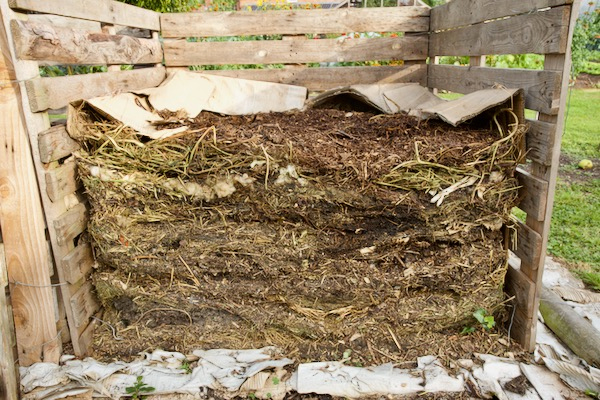 Ideally use collected fallen leaves to create a lovely nutritious leaf mold which can be put back onto beds and borders once it has rotted down. I have a lovely client who is diligent about reusing and recycling everything within her garden, including autumn leaves, weeds and prunings. Her compost heap is the heart of the garden. It is a lovely concept and when carefully managed, works beautifully yielding copious amounts of ‘black gold’.
Composting is a real art in itself and a far cry from just throwing ‘everything green’ in a heap and expecting it to organically transform into friable compost to be returned to the garden. It will need time, care and knowledge but is wonderfully rewarding and I highly recommend you have a go, even if only on a small scale.
You can even take a workshop in creating compost, and among my favourites are at www.nantybedd.com and The Kitchen Garden at Llangorse (email Rae.Gervis@lime.org.uk) both of which are run by the nicest of people in the most beautiful settings.
Leaf it Art
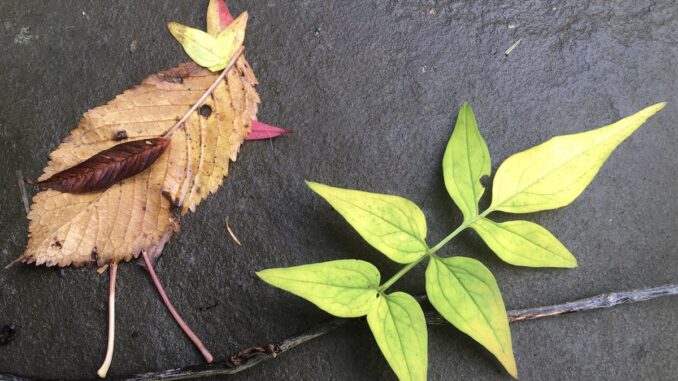
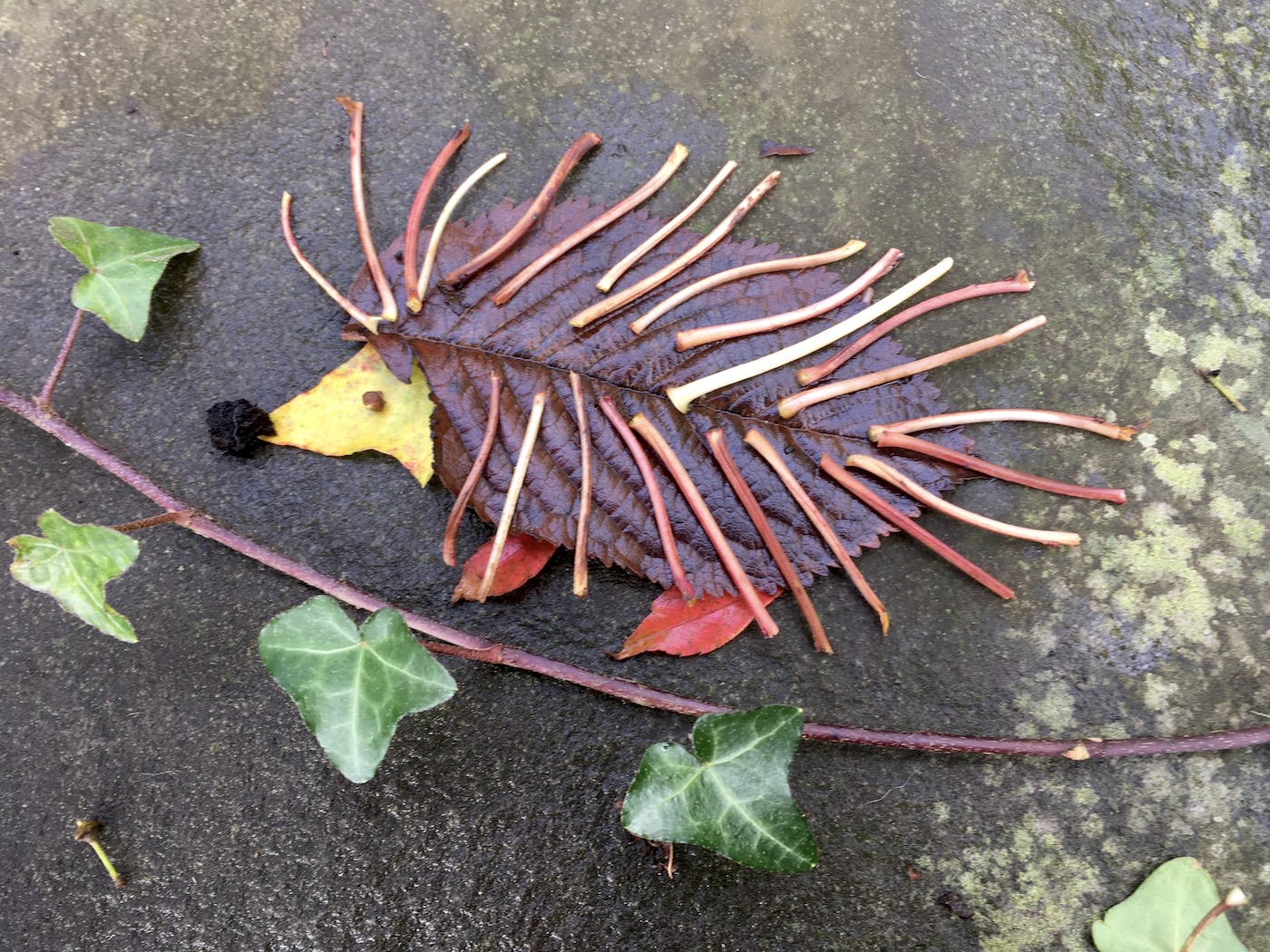 During a tea break in work, I had a little play about with some fallen leaves and created these little leaf animals.
You’ll need a still day with no wind, or take your leaves indoors, and have a go.
Autumn Checks
As the rains have returned and the rivers and reservoirs are refilling, so are all the containers I put under my outdoor pots to retain water during the summer. These are best removed now and if possible put the pots and containers up on little ‘feet’ to avoid them becoming waterlogged through the winter.
As winds are also picking up, try to take down any hanging baskets that aren’t being used for winter decoration and check structures like free standing trelliswork and even damaged or unstable fence panels. It is so much easier to just replace one or two panels (or chock them up), as if the wind does ‘win’ it will often take down more than just the damaged one – a bit like Dominoes (the game, not the pizza chain).
I Dig No Dig
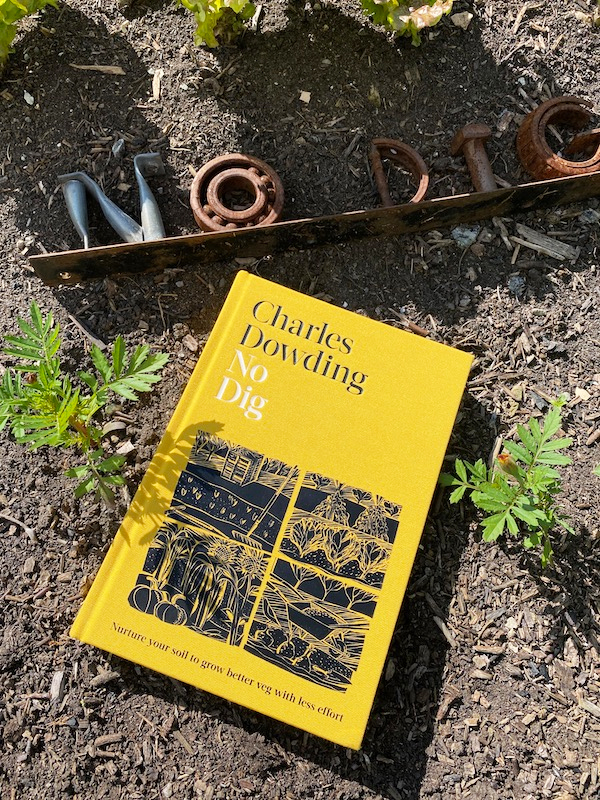 Thursday 3rd was No Dig Day but obviously the No Dig concept is a way of life not just for a day. I am a fan of the method and of Charles Dowding, who has really elevated the concept.
In 1979, as a vegetarian, Charles wanted to explore the lesser-known organic gardening options. He says, “I had come across Ruth Stout’s No-Work Garden Book. Her wisdom reinforced my instincts towards no dig. I also found out about F. C. King, a gardener who had practised no dig since the 1940s. There was already a history of no dig methods when I started out. Gardeners like Ruth Stout, F. C. King, Arthur Guest and Shewell Cooper had led the way. Yet no dig had not received much attention in the gardening world.”
Like making good compost there are a few basic steps to follow – despite Ruth Stout’s optimistic title, I would say that No Dig is not a metaphor for ‘no work’, but once you get the hang of it you will save a lot of time and energy in the veggie beds.
November is an excellent time of year to create a new bed and you can sow/plant broad beans and garlic straightaway. Celebrating No Dig Day in November also gives us all another reason to get out into our gardens at a time of year when many might be tempted to stay indoors.
Like most things, the most important step to transition to No Dig is to simply ‘get started’. Charles Dowding has lots of useful information on his website www.charlesdowding.co.uk and his YouTube channel. He has also just published a great, easy-to-follow book, called simply, ‘No Dig’, and it’s helpful companion, No Dig Cookbook is available from today (5thNov). Charles wrote the recipe book with Catherine Balaam, who often cooks for his courses at his base, Homeacres. Catherine has provided over 60 delicious plant-based recipes, inspired by Homeacres course lunches which are simple dishes bursting with flavour, from seasonal vegetables and herbs that you can grow yourself.
Charles has also included ‘Advice on growing your own’ sections throughout the book, outlining some key growing tips for many of the vegetables in the recipes and giving ideas on how you can adapt recipes to your own harvests, which may be different vegetables yet similar to cook with.
Another thought provoking piece and I love the leaf art. Never thought of that before!