
Taken from Lynne’s weekly column ‘Green Scene’ for the Western Mail
24th August 2024

Swallow Pride
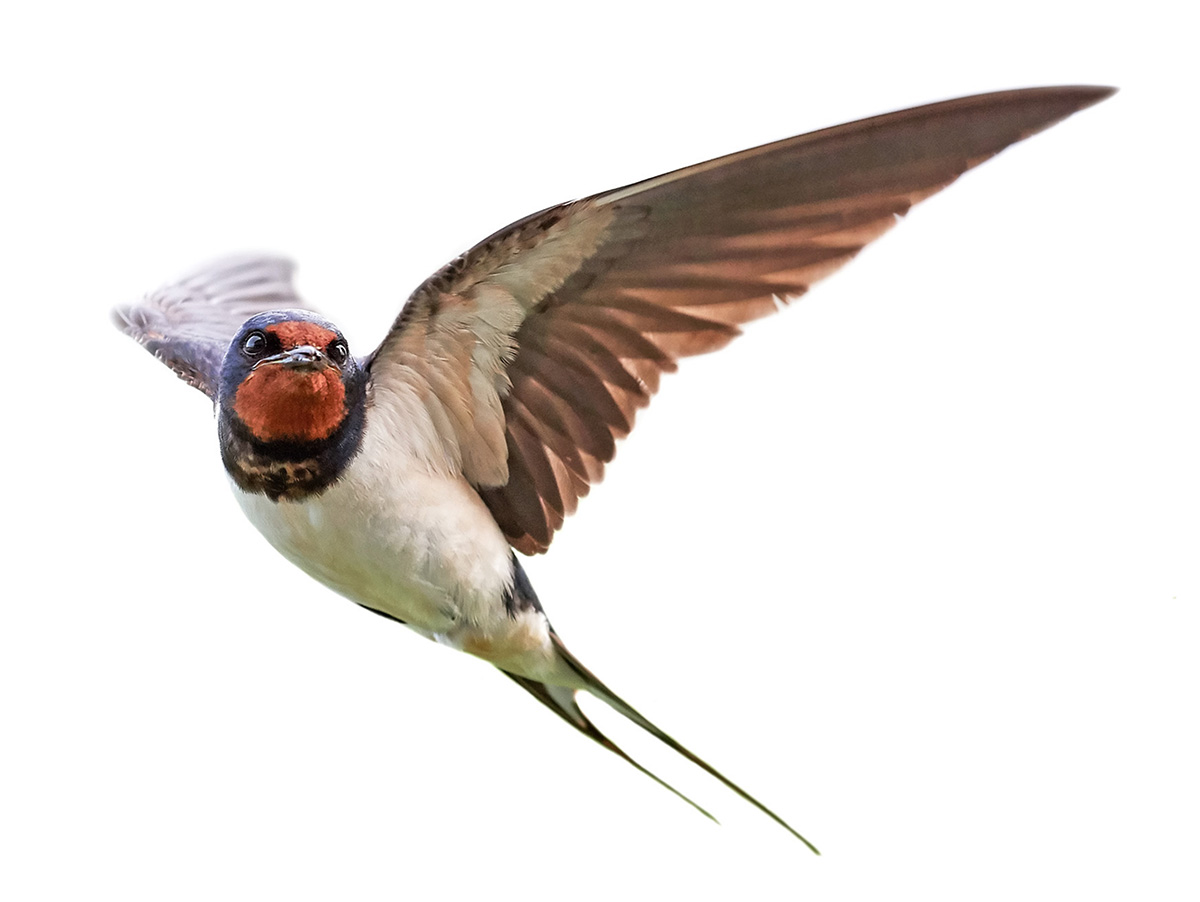 Every spring I get a surge of excitement when I spot the first swallow of the year as they set up temporary homes here from around April to September. Not surprisingly maybe, they seemed to arrive later and are planning to leave earlier this year.
And then at this time of year I get a pang of sadness as I watch them line up on the telephone wires (another endangered species, incidentally and according to all the emails I’m getting from BT) waiting to leave for South Africa – 6,000 miles away, for their second spring and summer.
It’s not difficult to see why they do it, but how? I have read several fascinating books that reveal their amazing competence and resilience but it’s still hard to actually comprehend.
The proverb, ‘one swallow doesn’t make a summer’, attributed to Aristotle, means that a single event doesn’t necessarily indicate a trend. It can also be used to say that even though something good has happened, the situation may not continue and you can’t rely on it.
Sadly swallow numbers are in decline, with unpredictable weather patterns – in Africa, here, and on their journeys in between – being blamed.
A mixture of wetter springs and short summer droughts lead to major falls in numbers of the flying insects on which they feed, and is thought to have reduced the swallow’s breeding population by almost a quarter in the past 25 years or so.
And a recent report confirms that the house martins and swifts, have suffered even greater falls in numbers over the past decade with our changing climate being blamed again. But this is also alongside modern industrial agriculture being responsible for a huge decline in the insects needed to sustain these beautiful birds. Ironic really as swallows adapted to live alongside farmers, nesting in their barns, and feeding on insects attracted by their livestock.
As the swallows prepare to leave soon, flocks will include youngsters who’ve never done the journey before. Of course, they will have heard all about it from numerous relatives over the summer, but that hardly counts as preparation. The adult swallows will lead the way, following their old, ancestral established migration routes and timings – but tragically is another thing that is being messed up by climate change. The youngsters, first-year flyers, will follow behind their parents, sometimes lagging a few days, or even weeks, behind their Elders. Ornithologists suggest this may allow for a more organized and efficient migration that will ensure the survival of the flock.
Right now, they will be trying to gorge on as many insects as possible to fuel them for their 6,000 mile trek between the UK and South Africa. The journey can take up to six weeks, with them flying up to 200 miles each day at an average speed of 20 miles per hour – occasionally hitting 35 miles an hour if the wind is in the right direction.
Storms and gales are one of the biggest enemies of the migrating bird – and have been getting stronger and more frequent in the last twenty years or so. On their mammoth journey, the swallows will stop briefly to rest and eat in their large flocks with favourite ‘take aways’ being large reed beds – home to lots of tasty, calorie-rich insects.
I just can’t resist – ‘Would you like flies with that?’
So as you watch these magnificent birds fuel up on insects and gather in lines on the overhead wires planning their incredible journey, spare a thought and maybe say a little prayer for their safe flight south – and return next year.
Dog Day
With International Dog Day on 26th of August, experts at Yell have revealed the most high-maintenance dog breeds to own in 2024. A lady called Colleen Paige founded International Dog Day back in 2004 as a tribute to her beloved Sheltie, which was adopted as an ‘oldie’ at 10 years old. Proof that a dog is never too old to be adopted.
I was surprised to learn that research identified the English Springer Spaniel as the most high-maintenance dog breed, with grooming needed every 2 weeks at an average annual cost of £1,222. I think there are many other aspects that contribute to ‘high maintenance’ but it seems they have just concentrated on grooming.
Apparently there are now over 360 different breeds of dogs, ranging from the world’s smallest – a 9.14cm (3.5 ins) Chihuahua called Pearl, to the world’s tallest ever – Zeus the Great Dane at 1.18 metres (almost 4 ft). Out of all these breeds, research shows the Labrador Retriever is the most popular dog in the UK with 44,311 registrations for pet ownership.
Legal Beagle
 Dogs have been living among us for over 15,000 years, but did you know that the very earliest ancestor of the dog was actually a cat. Or at least a cat-sized, tree-climbing, insect-eating beastie called a Miacis. Living around 55 million years ago – 10 million years after the dinosaurs died out – the Miacis is the common ancestor of all wolves and dogs. Dogs and wolves parted company on the evolutionary tree between 27000 and 40000 years ago.
Did you know that all pet owners in the UK have a legal duty to look after their pet’s welfare needs? Of course, it shouldn’t need to be law – why wouldn’t you take care of your best friend.
But just in case – section nine of the Animal Welfare Act 2006, states that all domestic animals have the legal right to:
Live in a suitable environment – a warm bed, a safe space, and protection from weather, noise and smoke.
Eat a suitable diet – suitable for their age, breed and lifestyle. You must keep your dog at a healthy weight and body condition for their sake, avoiding feeding sugary fatty human food that ruins teeth and triggers serious tummy problems in dogs.
Exhibit normal behaviour patterns. Dogs are playful, sociable animals. They need to play, sniff, fetch, dig and, yes, even bark.
Be housed with, or apart from, other animals as they prefer. Dogs need company but they also need protection from conflict and danger, and their own safe space when necessary.
Be protected from pain, suffering, injury and disease, which includes preventing the preventable illnesses by vaccinations, worming and flea-treating your dog regularly. You are legally bound to seek veterinary advice when your dog is unwell.
Ensuring their health and happiness is a small price to pay in return for a lifetime of companionship, loyalty and uncomplicated devotion. After all, we only ‘borrow them’ for several years of our own lives, but they give their whole lives to us. Thank God for dogs.
Leave a Reply