
Taken from Lynne’s weekly column ‘Green Scene’ for the Western Mail
21st November 2020

Saw Point
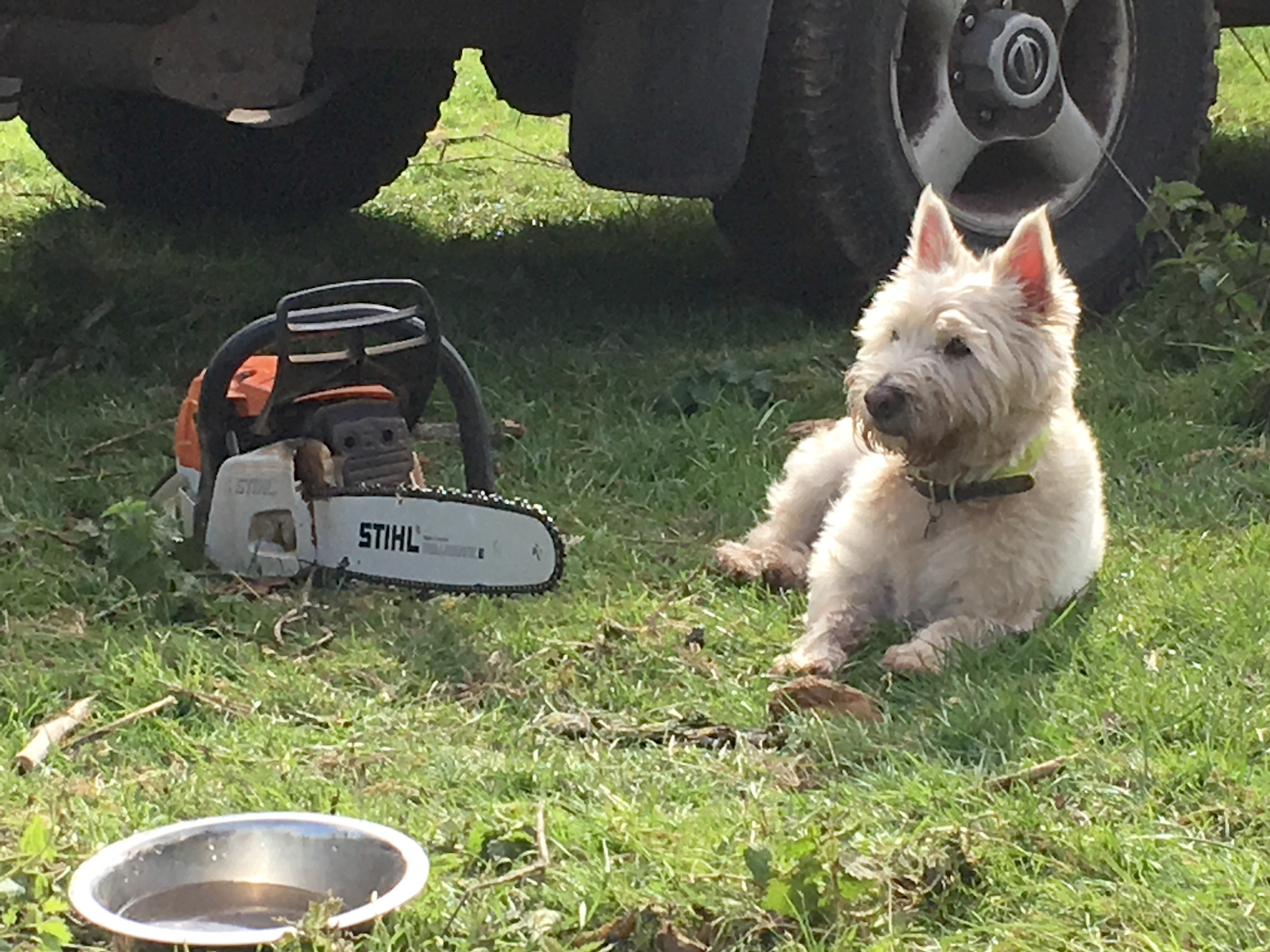
Whilst using a chainsaw in work a few weeks ago someone asked if we knew why the chainsaw had been invented. ‘To cut wood’, was the unanimous answer but they had recently read something quite different – and ‘unguessable’.
Don’t read on if you are squeamish, but apparently the chainsaw was originally invented to assist childbirth. If a baby was breech or just ‘chunky’, and before the C-section was common-place, removal of the pelvic bone and cartilage was deemed necessary in order to deliver the baby.
During the 1780s, two doctors named John Aitken and James Jeffray, invented the chainsaw in order to make the removal of the bone and cartilage easier. Bless them – so considerate!
Their invention was much smaller than the wood cutting device we are familiar with today and went on to be used for other bone cutting operations and amputations until medical advances saw it phased out.
I am proud of my City & Guilds NPTC Certificate of Competence in Chainsaw Operations but, to be honest, I have left my chainsaw in the shed throughout the menopause, as brain fog and mood swings are not an ideal combination with a chainsaw. I probably would have managed to cut myself just fuelling it up.
Bizarrely, if you use a chainsaw in your profession you have to have a Chainsaw Certificate, but a member of the public can go and buy one and use it in their own garden without any instruction at all. Personally, menopausal or not, I would highly recommend doing a course if you are going to be using a chainsaw at all. For example, the Lantra Awards Occasional User Programme is perfect for people who are not making a career with their chainsaw but want to work safely and efficiently.
Pants Present
 As always at this time of year, I have been asked to recommend Christmas presents for keen gardeners.
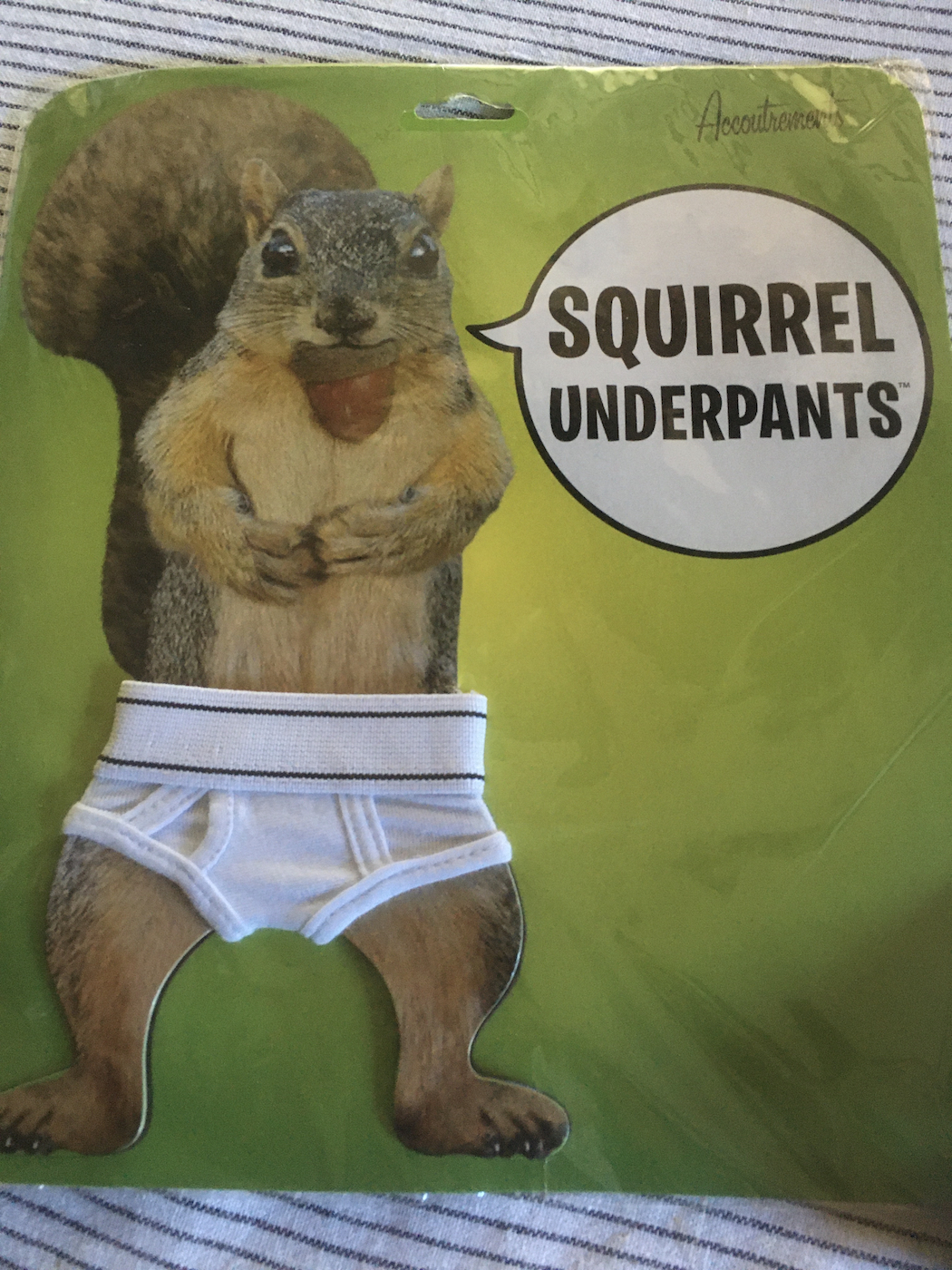
Whilst I prefer not to acknowledge Christmas until around the 20th December, I appreciate others like, or need, to plan further in advance. So I’m happy to help, and my first suggestion is for the person who has absolutely everything … but won’t have these. Squirrel underpants.
And listed on the Internet as ‘Genuine Squirrel Underpants. 9″ Waist White Cotton Jockey-Type Drawers with an Elastic Waist’. Even more bizarrely, I checked a well-known site to see if they actually existed and there are only 4 left in stock – plus the product has 54 global ratings earning it 4.8 (out of 5) 5* reviews.
This year just continues to get more and more weird.
Feathered Therapy
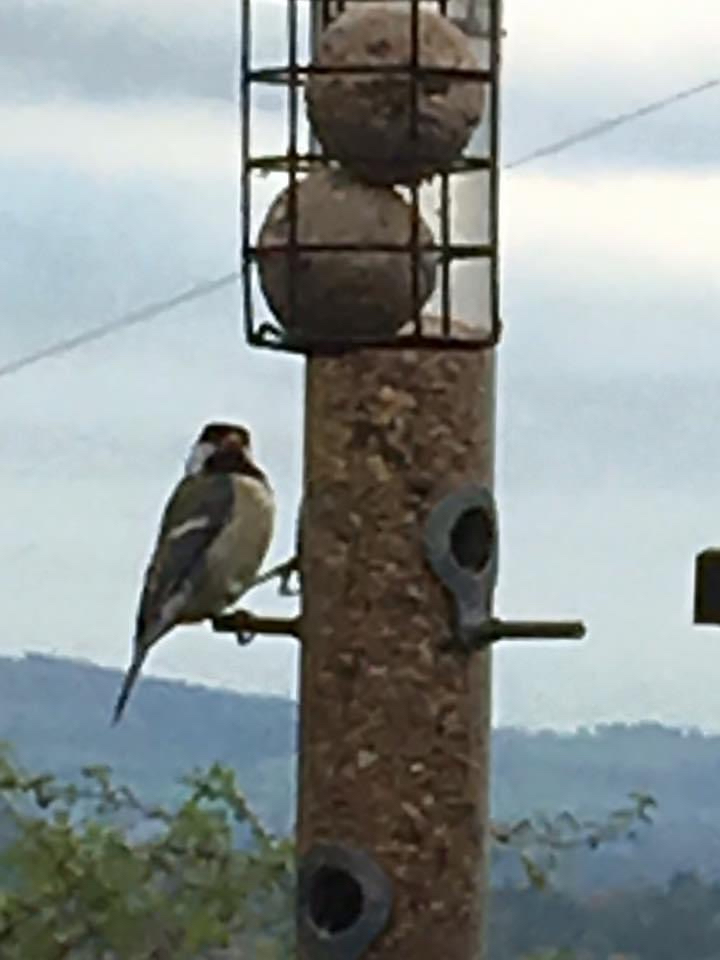 During this ‘unprecedented’ year, nature and wildlife has helped a huge amount of people cope with anxiety and uncertainty, and bird watching has increased 10-fold during the pandemic. So now is an ideal time to repay our feathered friends by providing food for them through the lean winter months.
There are a huge selection of bird feeders to choose from, with something suitable for all types of outdoor space, balconies, and even window feeders for flats. For people who have been self-isolating or shielding, I can’t think of a better present than a bird feeder for them to be able to watch the birds visit and dine. If you can, please supply the bird feed too. A neighbour of mine always asks for bird food for her birthday and Christmas as it can be expensive to buy and brings much more pleasure than a smelly candle or another pair of socks.
Different birds will appreciate different types of food, from mealworms to sunflower or Niger seeds but a good all rounder is mixed birdseed, which will cater for most feathered guests. Unfortunately cheap birdseed contains a lot of wheat, and even dog biscuits, to bulk it out and most birds will simply discard both. Whilst it is quite amusing to watch my blue tits discard the wheat in disgust, it is messy, will attract rats and squirrels and wheat will inevitably grow quicker than anything you sow deliberately.
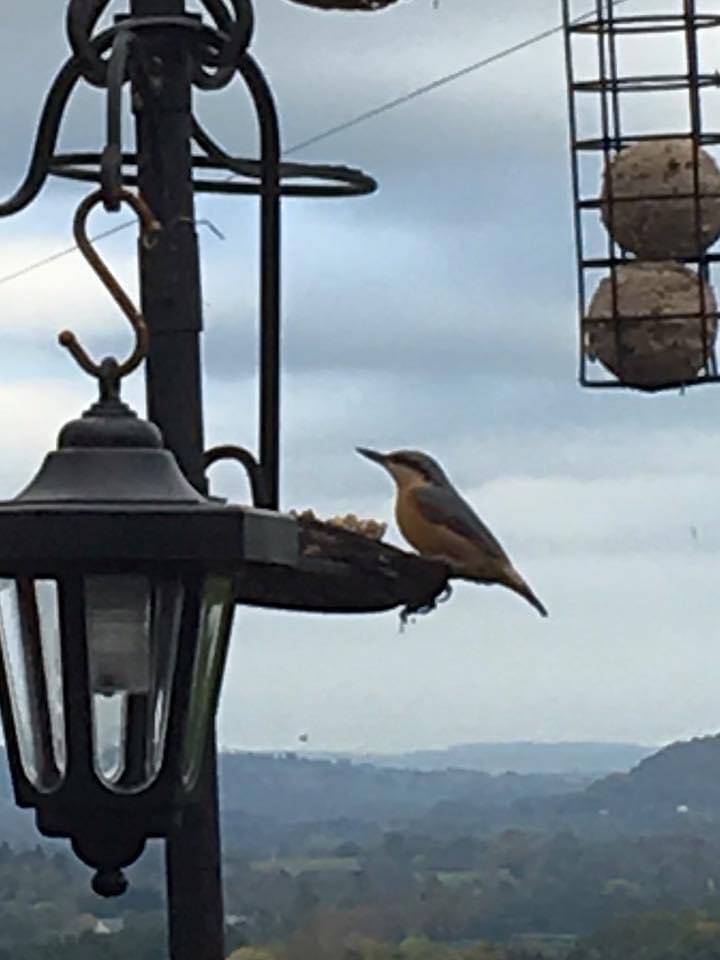 There are ‘no-mess’ bird seed mixes available, which don’t contain wheat or ‘fillers’ and which although seem more expensive initially, will be better value for money as you don’t get any waste.
Most garden birds will enjoy ‘fat balls’ which are made from suet mixed with other bird foods, such as seeds, nuts and mealworms. They vary in price, with some as low as £5 for 50 balls, and others costing almost three times as much. WHICH tested 12 different brands over the course of 12 weeks observing the birds feeding from a hide. They also tested how well each brand stood up to the weather and if they fell apart, leaving an ugly mess under the bird feeder that can attract rats. Unfortunately you can only access the results if you sign up with WHICH but I think it is common sense that the more seeds, nuts and other ‘food’ the balls contain, the better they are for the birds.
You can also make your own, mixing lard or suet with seeds or peanuts. The RSPB recommends using mixtures that include flaked maize, sunflower seeds and chopped peanuts. Take a handful of the mixture and press into balls and put in a feeder with a lid, to keep them dry. Some websites recommend filling open pine-cones with the mixture but the rain will wash the contents out quickly.
I am an avid reader, of all sorts of books, and can highly recommend Bird Therapy by Joe Harkness. ‘When Joe suffered a breakdown in 2013, he tried all the things his doctor recommended: medication helped, counselling was enlightening, and mindfulness grounded him. But nothing came close to nature, particularly birds. Soon, every avian encounter took him one step closer to accepting who he is. The positive change in Joe’s wellbeing was so profound that he started a blog to record his experience.’
With mental health being so fragile at the moment, it is a great read – and much more useful than a pair of Squirrel pants.
Leave a Reply