
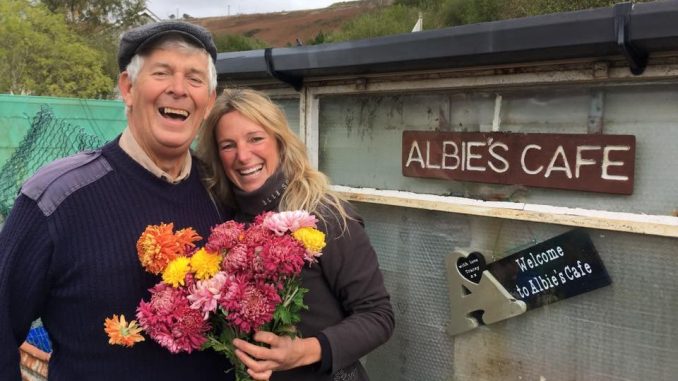
Taken from Lynne’s weekly column ‘Green Scene’ for the Western Mail
8th February 2020

Plan Ahead
 There is an unspoken challenge in our small professional gardening circle – who can manage to get the first paid grass cut of the year. It’s usually me about the end of February – and the boys say it’s because I’m the one that’s got more time to do it – but this year my brother snatches the ‘trophy’ for cutting his first ‘paying’ lawn two weeks ago.
Grass will grow unless the temperature falls below 4 or 5 degrees so it is actually still growing despite the calendar suggesting otherwise. I’m not suggesting you cut yours just yet, you’ll be glad to hear, (though you can if you want to). But it is an excellent time of year to get out in the garden as much as you can. There are always those jobs to be done which slide down the list once regular maintenance gets going and time and energy becomes of a premium.
 It’s a great time to look at design ideas and making changes, whilst the leaves are off the trees and shrubs and the space is more ‘open’. Spend time in your garden and just jot down the things you’d like to change. Put them in three groups – ‘achievable now’; ‘needs more thought’ and ‘if I win the lottery’. Just categorising them will help you to realise which ones are attainable now, instead of experiencing overwhelm and not getting anything done.
It doesn’t have to be landscaping as such, it can even be things like needing to change a leaking water butt, clear out a shed, get tools repaired (and the mower), paint the fence, repair the steps or fix the gate. Have fun with the ‘needs more thought ‘ list. Pop to the garden centres, have a look online or through magazines, watch a few gardening programmes, ask a neighbour/friend/builder for advice or to see something that you want to replicate.
 And as for ‘when I win the lottery’, assuming it won’t involve hot-footing it to the estate agents, the sky doesn’t have to be the limit.
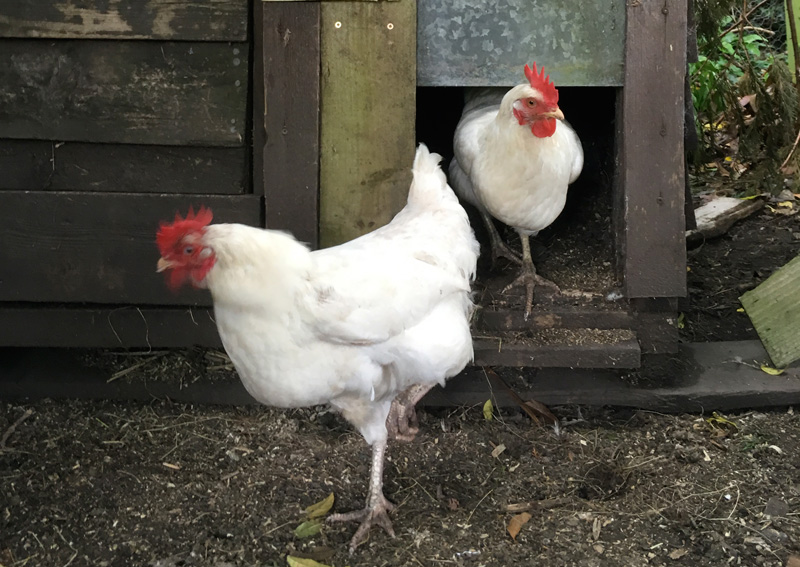
Sometimes you realise that what you think is unattainable now could be achieved, maybe on a smaller scale – start sowing those wild flowers for the wildflower meadow, get your chickens, plant a few trees to start the orchard, get a quote for the greenhouse or polytunnel, or patio.
Studies show that the more you think about something and plan for it, the more likely it is to come to fruition. So if you’ll excuse me, I’m just off to sketch, price up and visualise the new wooden barn for my pet piggies. I’ll let you know when it goes up!
If You’re Happy and You Know It
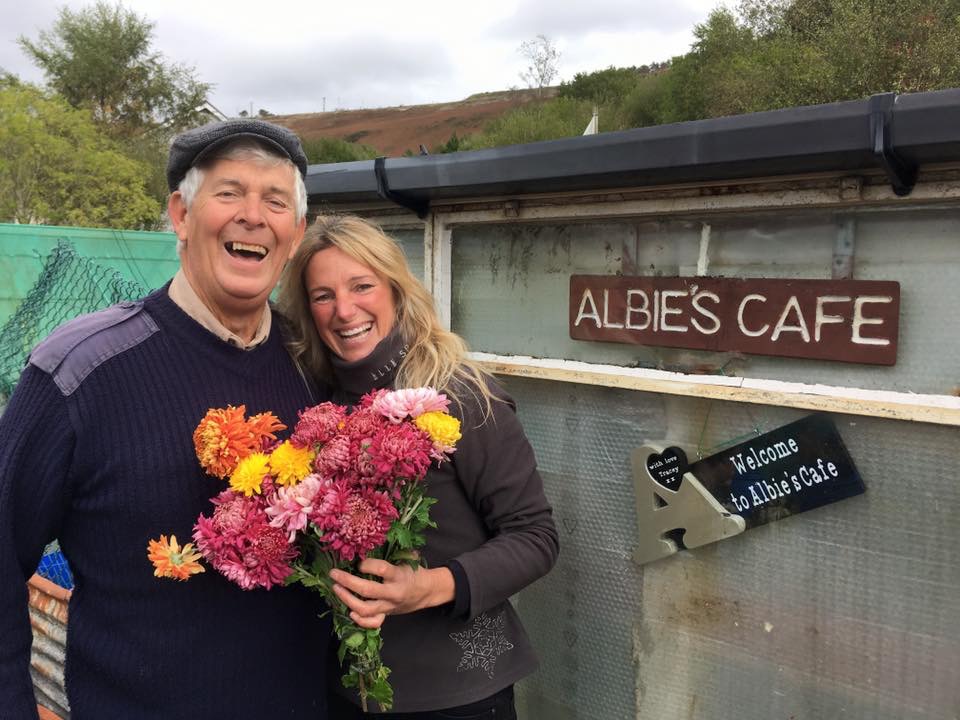 A recent global survey of what makes us happy found that 120 minutes spent in nature makes a huge positive difference to our mental and physical wellbeing.
I naturally assumed that was 120 minutes per day but it’s actually 120 minutes PER WEEK.
No wonder I am the happiest person I know!
Charlie’s Year
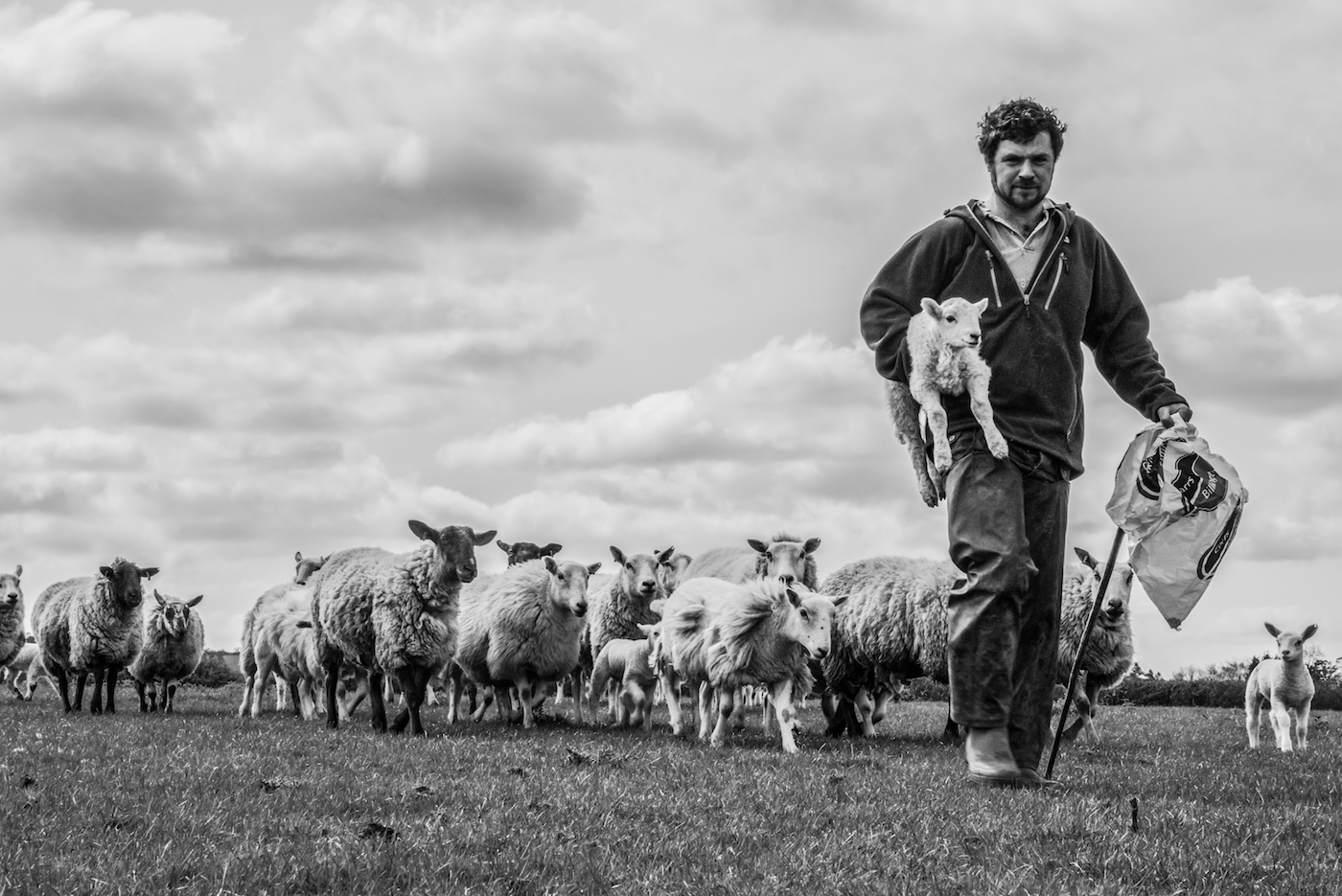 What do you get if you introduce a creative photographer to a ‘gritty’ farmer? An enlightening, endearing exhibition, encapsulating the most wonderful images of a year’s worth of Welsh hill farming with the gamut of weather, hard work, highs and lows which that involves. Armed with just ideas, waterproofs and her trusty Nikon, photographer Ann Seymour followed Charlie Parry through 12 months of life on his Welsh hill farm.
The resulting photographic exhibition at Theatr Brycheiniog‘s Andrew Lamont Gallery in Brecon, depicts the story of the young Welsh farmer, his stock, his community and the landscape he and his family work in.
Ann told me, “After the initial project proposal and planning it was all very organic; getting to know his character, his odd fashion sense in the middle of winter and also his compassion for being a good stock man. My work captured many of the things one would expect to see on a farm, but there were also many unexpected things like the lamb autopsy. The images speak for themselves.
I spoke to a farmer and his wife at the Theatre and they said, ‘no frills, just as it is, that’s what people need to see’.
Welsh poet, author and playwright, Owen Sheers added, “It’s a lovely and important collaboration between arts and agriculture.”
And I loved it too. Far more than ‘farming photos’, there is a saying that a picture paints a thousand words, but this exhibition gives the whole narrative.
It runs from 1st February – 1st March 2020. For opening times please contact the Theatre on www.brycheiniog.co.uk/en or call the Box Office 01874 611622 or for more information about Ann’s work pop into www.annseymour.co.uk
Start Medlaring
 I have recently persuaded a client to add a couple of medlar trees to their orchard. It wasn’t easy – the medlar has a very niche following.
The French call it ‘cul de chien’ which literally translates as ‘dog’s backside’; Shakespeare called their fruits ‘open-arse’, and in a poem, DH Lawrence called medlars, ‘autumnal excrementa’. And you can’t actually pick a medlar and eat it ripe from the tree, as you would an apple – it’s inedible unless ‘bletted’, which is a process of letting it ripen in a cool place until it’s squishy, soft and brown. It’s not surprising it’s not winning any popularity contests, but I’m trying to change that.
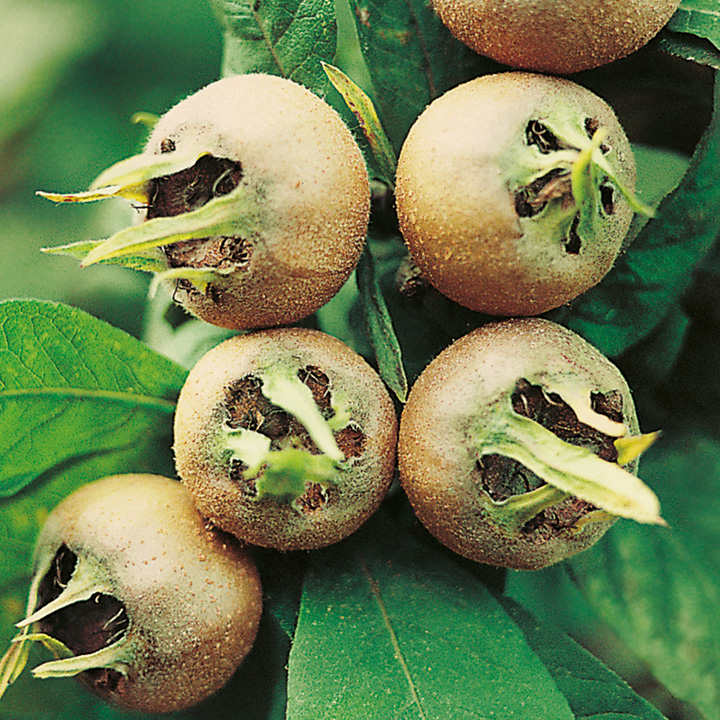 The large individual white blooms, against long glossy leaves, are very handsome. And whilst the fruit is said to be ‘an acquired taste’, they are in fact sweet, slightly citrus, with overtones of stewed apples. There is a big and important difference between rotting (which makes a fruit unpalatable) and ‘bletting’, (the softening process which turns a medlar’s tartness to sugars) where the flesh becomes a creamy, albeit brown, puree. They make amazing medlar cheese, jelly and jam.
Several cultivars exist, including ‘Royal’ which some say can be eaten before bletting. I chose “Nottingham” for my client as it is well-known, most widely available, and self-fertile with a good flavour.
Do look them up – I love them and don’t have enough space here to list their many attributes. Although referred to as a dog’s bottom, I would say they are better described as another, more complimentary, part of the dog’s anatomy!
Leave a Reply