
Taken from Lynne’s weekly column ‘Green Scene’ for the Western Mail
13th February 2021

Nuts About Hazel
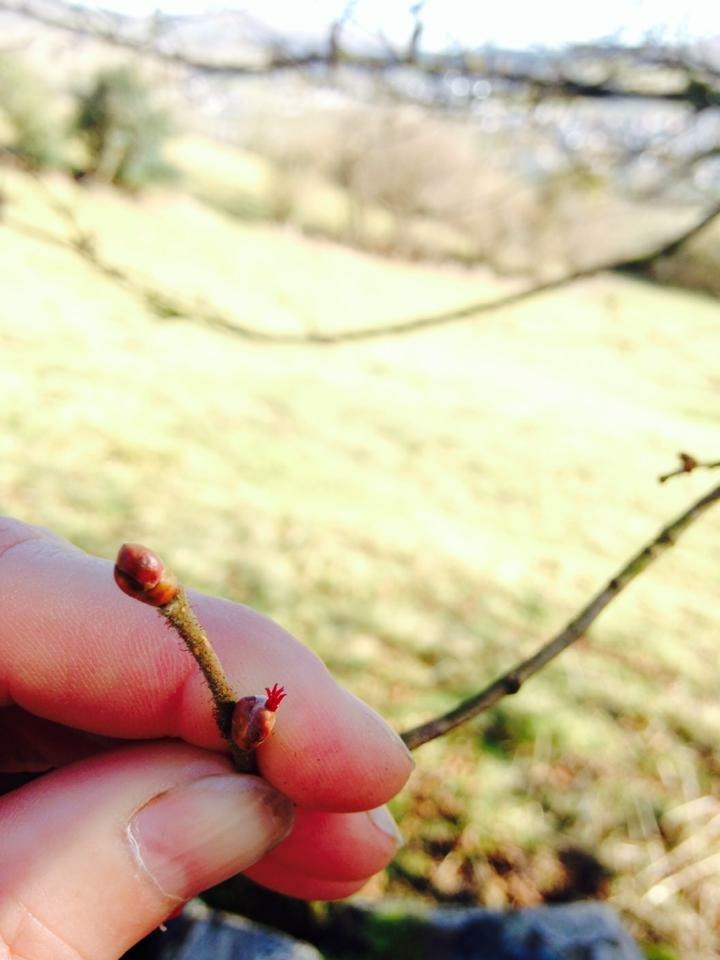 It’s the time of year for me to share one of my favourite things in nature (and there’s a lot to choose from). Drum roll please. It is … the little red flower of the hazel tree. It is absolutely beautiful, yet little known, and it is the bit that produces the hazelnut later on, so is not only beautiful but productive too. We are all familiar with the showy male catkins strutting their stuff and waggling in the wind, crediting them with heralding spring and giving them cute names like Lamb’s Tails.
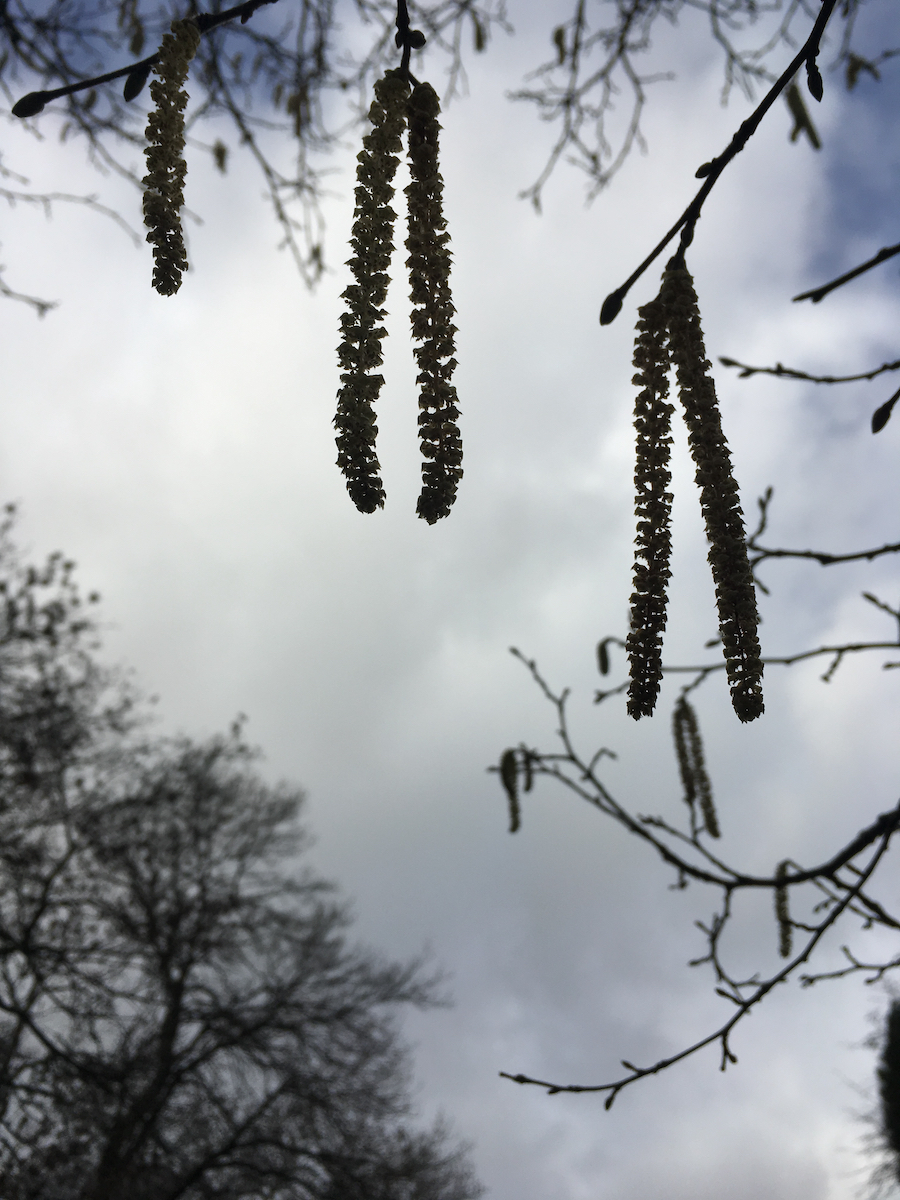
Each catkin is actually made up of lots of individual flowers which are the small green/yellow male flowers that produce the pollen. There are around 250 male flowers in each catkin and they form during the previous summer so that they are ready to open in winter and then flower through the spring.
We tend to associate catkins with the hazel, but a catkin or ‘ament’ is just a slim, cylindrical flower cluster or spike, with the flower ‘petals’ being inconspicuous or even non-existent.
Other trees that host catkins include alder, silver birch, goat willow – also known as pussy willow, where the catkins looking like cat’s paws – walnut, sweet chestnut and even the mighty oaks.
You can find out more at treeguideuk.co.uk/mini-guides/catkins/
 If you think that a catkin being a flower without petals is confusing, it gets more challenging. Each female flower of the hazel isn’t actually a flower but two red styles, which are the pollen receiving part of a flower. While each bud contains a cluster of between four and fourteen female flowers, only the styles emerge from the bud so are the bits that are seen and look like little petals.
Thankfully you don’t need to know, or remember, all this information in order to appreciate the wonder of the little red ‘flowers’. It’s far more important that you know they exist and are able to find them. It takes a while but is well worth persevering.
Hazels typically begin flowering in January and will go on into April, although I have seen open flowers in December, and February seems the easiest time to spot them. Once pollinated in the springtime, the female flowers set to work producing the hazelnuts, which will ripen in the autumn.
Bee Mine
Despite their delicate size, hazel flowers are an important source of pollen for overwintered bees out on their early forages, and when there is little alternative pollen available. It is a good source of the fats and proteins needed to ‘bee-f’ up our little friends after the tough winter months.
Red Rose Day
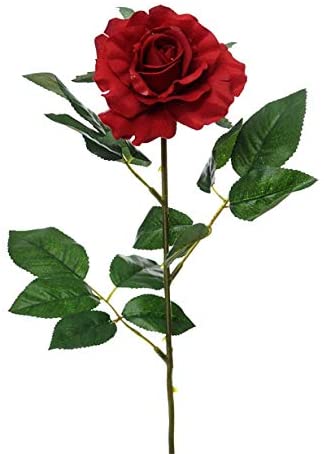 The red flower getting all the kudos this month is, of course, the red rose. Apparently over 200 million of them are cut and given as gifts on Valentine’s Day. They have come to symbolise love and romance after being associated with Aphrodite, the Goddess of Love. As long ago as the 7th century BC, the Greek poet Sappho declared the rose to be the ‘Queen of the Flowers’ and the story goes that when Aphrodite ran to the side of her wounded lover Adonis, who had been injured by a wild boar during a hunt, she pricked her foot on a white rose. Her blood turned that rose, and others on the bush, red and from then on the red rose became a symbol of undying devotion.
Another theory is that the delicate red rose petals represent the heart and its fragility, and as the flowers have a tough, thorny stem, we are reminded that love has two sides – pleasure and pain.
The good news (for your pocket, rather than for florists) is the tradition of giving a dozen red roses has simply been encouraged from a commercial perspective. It is actually considered to be more meaningful to give a single red rose. I can hear all the fellas sighing with relief – studies show that 78 percent of the people who buy flowers for Valentine’s Day are men.
A staggering £503 million is spent on chocolates, flowers, cards and other Valentine gifts in the UK alone and whilst Valentine cards and gifts were traditionally given anonymously, it is more common today for the sender to make themselves known – not surprising if you are spending that sort of money!
The tradition of sending Valentine’s cards began after Charles Duke of Orleans was imprisoned in the Tower of London after the Battle of Agincourt in 1415. He remained there for 25 years and wrote 60 love poems addressed to his wife. These are claimed to be the first formal Valentine notes or cards. I wonder if our lock downs will produce anything as poignant.
Be My Bird
 February 14th is also the date when most birds start to mate, and therefore is sometimes referred to as ‘Bird’s Wedding Day’. Apparently it is a custom to eat baked buns topped with caraway seeds, plums and raisins to celebrate this – although I wonder if that custom is for the birds or us.
Although flowers and chocolate hearts still top the traditional Valentine gifts, a recent study showed that the younger generation are more likely to give electronic gadgets or accessories as gifts, including USB sticks and heart-decorated covers for laptops and mobile phones. It appears that these days nothing says ’I love you’ quite like a dongle.
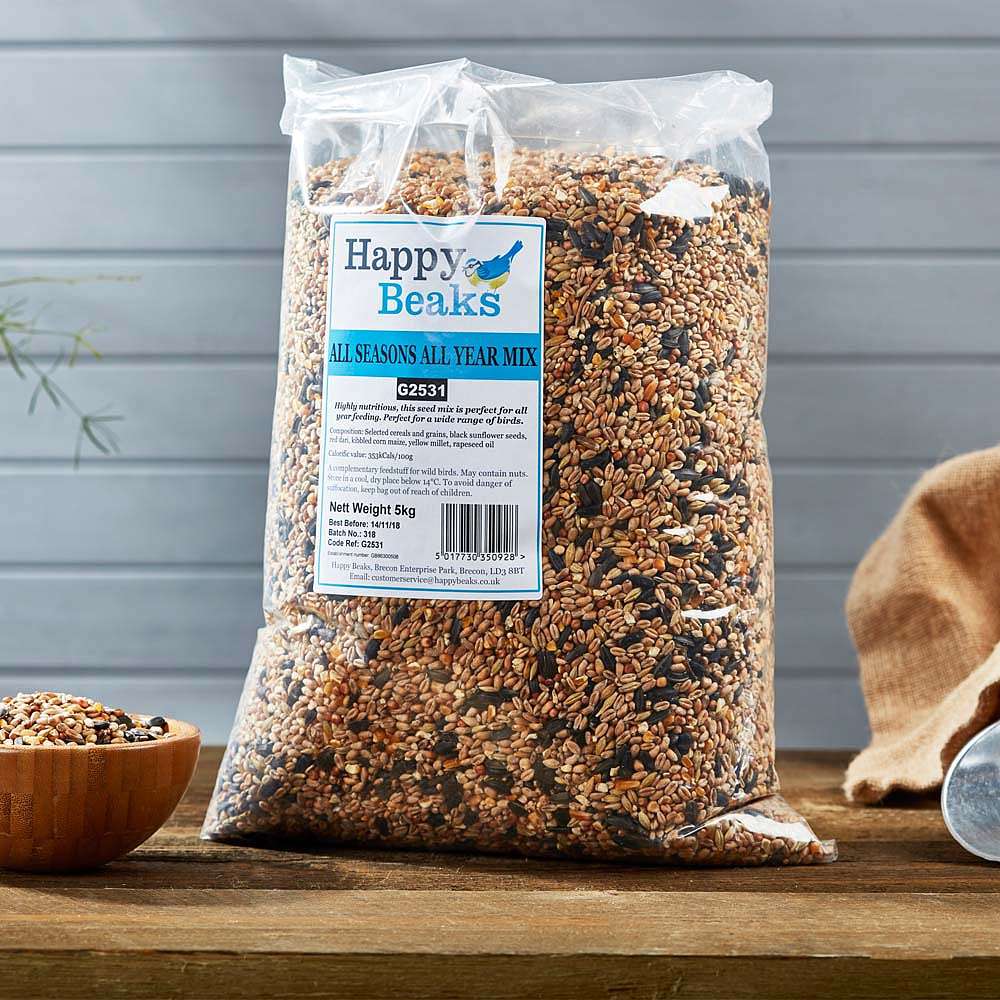
Mind you, going back to the birds – and my generation – I think I would rather receive a sack of bird food for Valentine’s Day. It’s much more practical, and would keep the garden birds – and this old bird – very happy.
Flowery Language
 If you are planning to buy the object of your affection red roses, well done, as according to the ‘Language of Flowers’, the sentiment is considered to be ‘I love you, as well as having respect and courtesy for you.’ White roses convey, ‘You’re heavenly’ or ‘I’m worthy of you’, and also refer to innocence and purity. Pink roses signify gratitude, appreciation and admiration. Coral or orange roses are a sign of enthusiasm and desire for the recipient and are more often given to men by women. But beware, as the message behind yellow roses is thought to be hidden jealousy.
In the Victorian Era every flower had a meaning, so other blooms may be an option as a gift for your Valentine. For example, tulips in general are said to symbolise ‘perfect love’ with different colours adding different aspects. Red tulips are a declaration of true love, yellow tulips mean ‘there’s sunshine in your smile’, cream tulips mean ‘I will love you forever’, white symbolize heaven, newness and purity and orange tulips represent energy, enthusiasm, desire and passion.
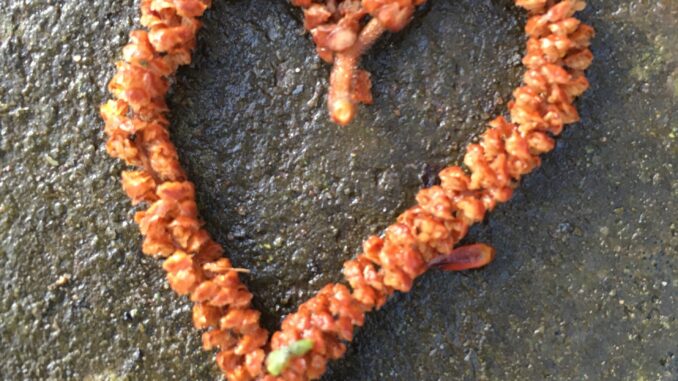
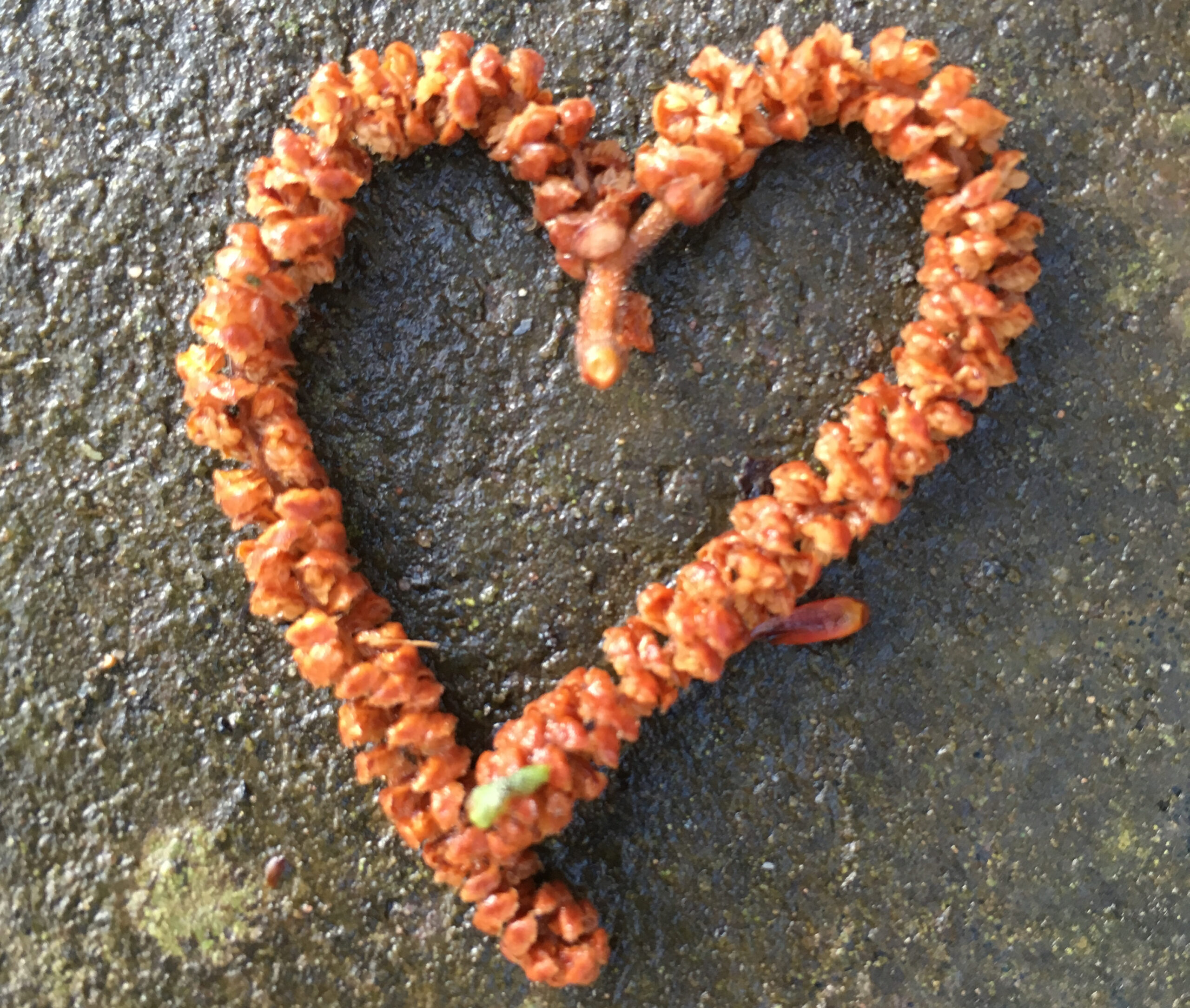
And finally, Lynne’s Flowery Language suggests that turning a catkin into a heart shape on your doorstep means you are creative and giving ‘garage flowers’ means ‘I nearly forgot Valentine’s Day.’
Ta xxx