
Taken from Lynne’s weekly column ‘Green Scene’ for the Western Mail
24th July 2021

Nature Bites Back

Thank you for lots of lovely responses from last week’s column where I mentioned a friend who insists everything in nature is ‘out to get you’. I have had so many emails concurring, with the top three ‘nature nemeses’ being nettles, which are particularly ‘hot’ or savage at the moment. As they go to seed it does seem that the sting is far stronger than it is earlier in the year. The stingy ‘hairs’ are actually hollow tubes through which chemicals flow to cause the stinging sensation and rash. Despite my theory being that they are more vicious now because they know they are about to die, it is more likely due to the ‘needles’ and chemicals being at the height of their efficacy.
Second in the ‘out to get you’ stakes are ants. Lots around at the moment, enjoying the hot weather and woe betide you if you disturb a nest whilst weeding or just sitting on your lawn. The black ants are good natured and won’t sting or bite, posing no threat other than being a bit intimidating by sheer numbers. The red ants, on the other hand, are evil and if you have ever been stung by one you will know why they are called ‘fire ants’. I knelt on a nest last week – in shorts – and looked as though I was doing a rain dance for about 20 minutes afterwards. And yes, I got stung – a lot.
Whilst ants are capable of doing a bit of damage to the root systems of some plants, they are also great predators of aphids, so I think if you can accommodate, and avoid them, it’s best to do so.
And at the number one spot of nature’s nightmares by a mile are horse flies. Years ago when living in the Caribbean, I heard about a ‘secret’ product that would repel midges and mosquitoes – and as it turned out once I came home – horse flies. I have used it ever since with great results. It is obviously much less of a secret now, especially as has become a firm favourite with SAS, fishermen and numerous other outdoors-ers over the years.
The ‘wonder-repellent’, Avon’s Skin So Soft Dry Oil (Original), cannot be sold by Avon as an insect repellent due to EU rules stating it’s not what it was manufactured for. However a quick gander at Google will reveal it is probably more widely used as such now and it is available from numerous websites as well as the famous ‘ding dong …’ one. Don’t be tempted by any other scent or formula though, it seems it is only the ‘original’ one that works.
Bulldog Bash
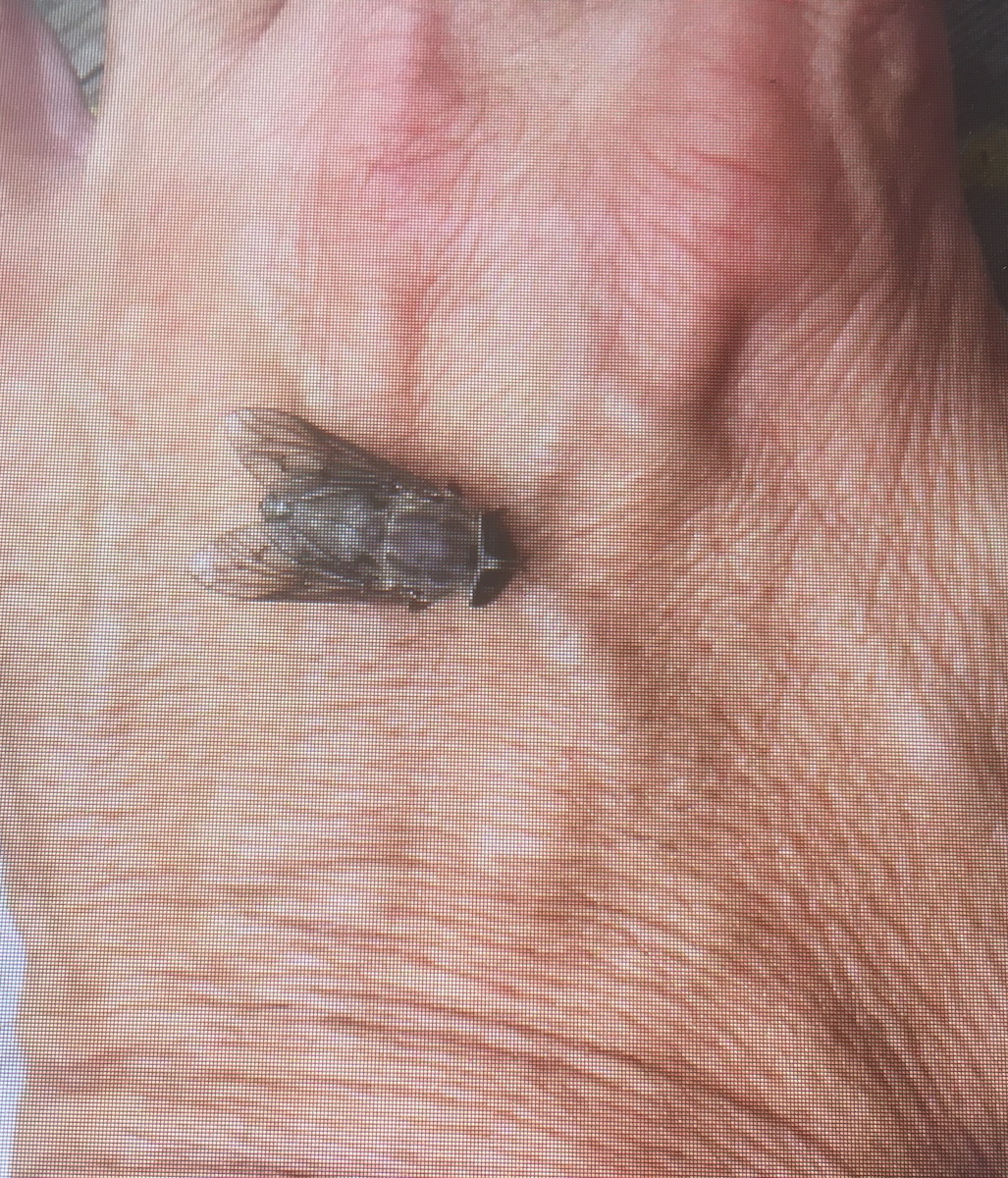 If you have ever owned a horse or ridden you’ll know how horse-flies got their name, but they have also got several others (which are printable). Often referred to as gadflies or stouts, in Canada they are known as Bulldog flies (for obvious reasons.)
Like mosquitoes, it is only the adult female horse flies that bite and feed on the blood of large animals and humans – ‘typical woman’ muttered my jaded brother. The males only drink nectar from flowers or juice from fruit – ‘bless them’ (I muttered back).
The female adults are equipped with scissor-like mandibles that tear and cut. When viewed under a microscope, the mouth parts look like jagged saw blades. The bite is painful because the females actually cut a hole into the skin in order to soak up the blood that comes out. If left uncontrolled, 20-30 horseflies can drain almost a third of a pint of blood from a victims in just 6 hours, though I think humans at least will have started swatting well before then.
Horse flies are apparently ‘good bird food’, and also excellent pollinators but for this keen gardener and avid bird lover that is still not enough to redeem the little blighters. The only good news is that whilst the larvae can take up to two years to develop in damp ground, an adult only lives for a few days – or even less if you are a good aim!
Ex-seedingly Good Presents
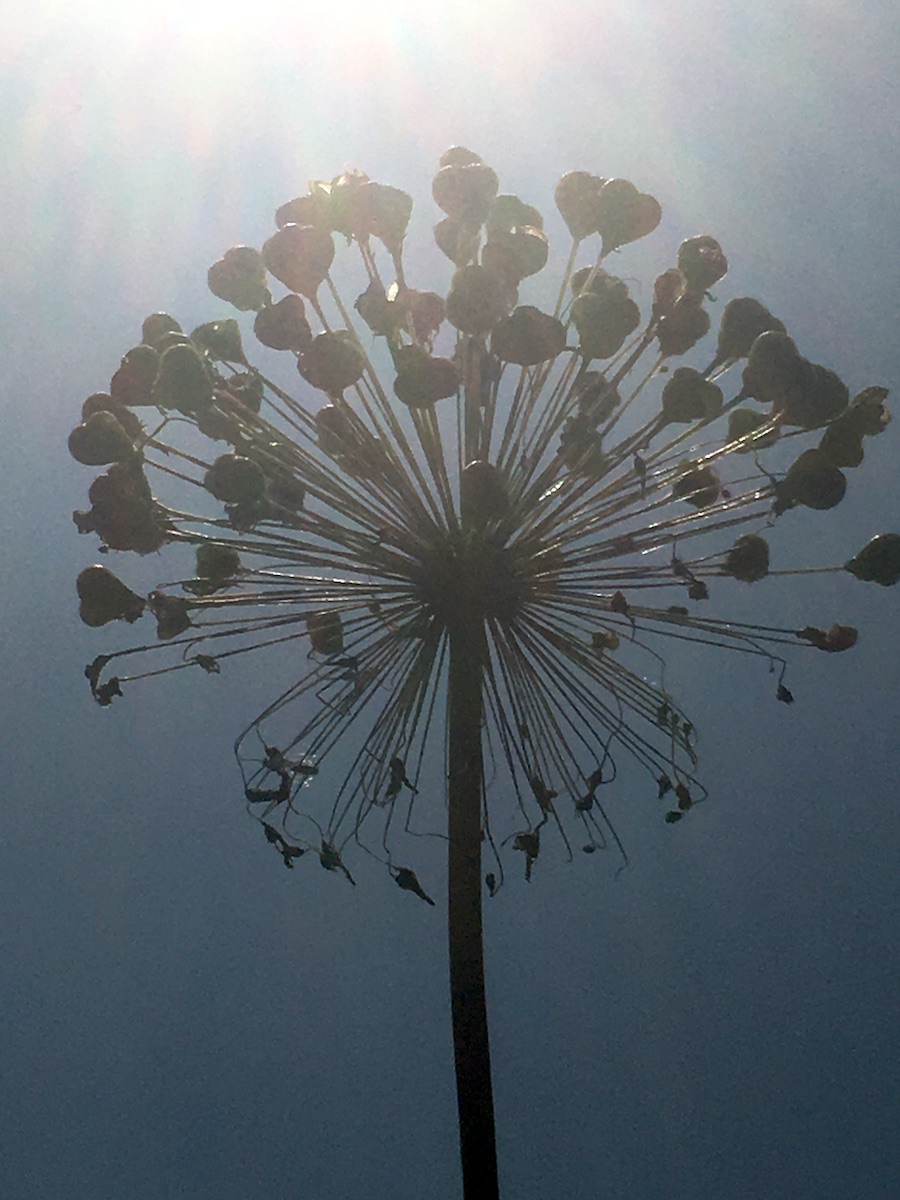 Lots of herbaceous plants are going to seed in the beds and borders now – foxgloves, Granny Bonnets, alliums and poppies are all just about to scatter their seed to ensure their survival. It’s worth being aware of just where this seed will be scattered – in flowerbeds is a great way of increasing stock, but on paths and patios will just make more work for next year.
If this is the case, remove the seed heads and simply scatter the seed where you want it to germinate.
Or shake the seed heads into a paper bag and then ‘decant’ into little envelopes and send as gifts to friends. Decorate the envelopes and don’t forget to put what the seeds are on there too. They make fab’luss gifts to go in with a card for birthdays, Christmas or just because …
Ice Idea
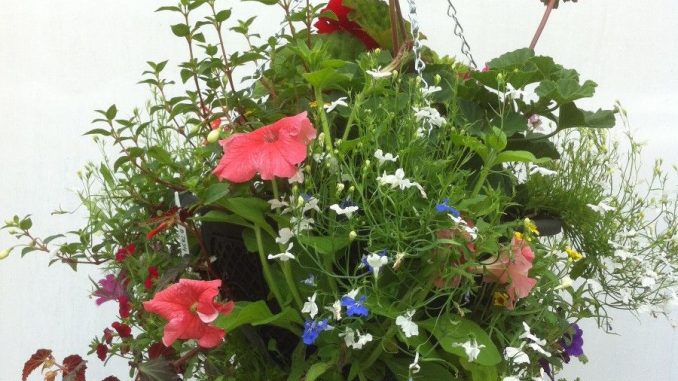
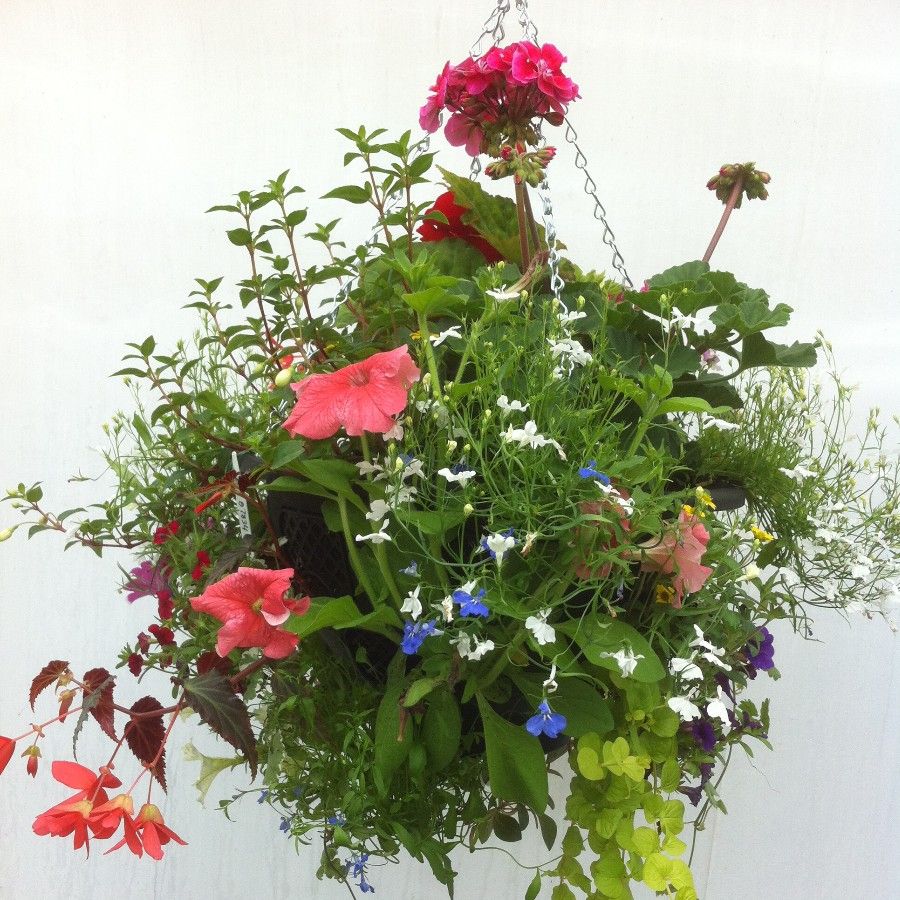 It can be really difficult to keep the compost in containers and hanging baskets damp in the extreme heat that we’ve had recently. Ideally you should be watering little and often – and definitely early morning and late evening, ideally when the sun is off the plants.
If compost is allowed to dry out then it gets all sulky and is reluctant to re-absorb water – a crust forms on the surface and the water just runs off.
If you don’t think you have managed to keep up with the watering of your containerised displays, then putting a load of ice cubes on the compost surface will help. As the ice melts slowly more water is absorbed to rehydrate the compost gently.
Just don’t forget to leave some ice for your gin and tonic!
Leave a Reply