
Taken from Lynne’s weekly column ‘Green Scene’ for the Western Mail
29th February 2020

Lynne’s Got a Leek
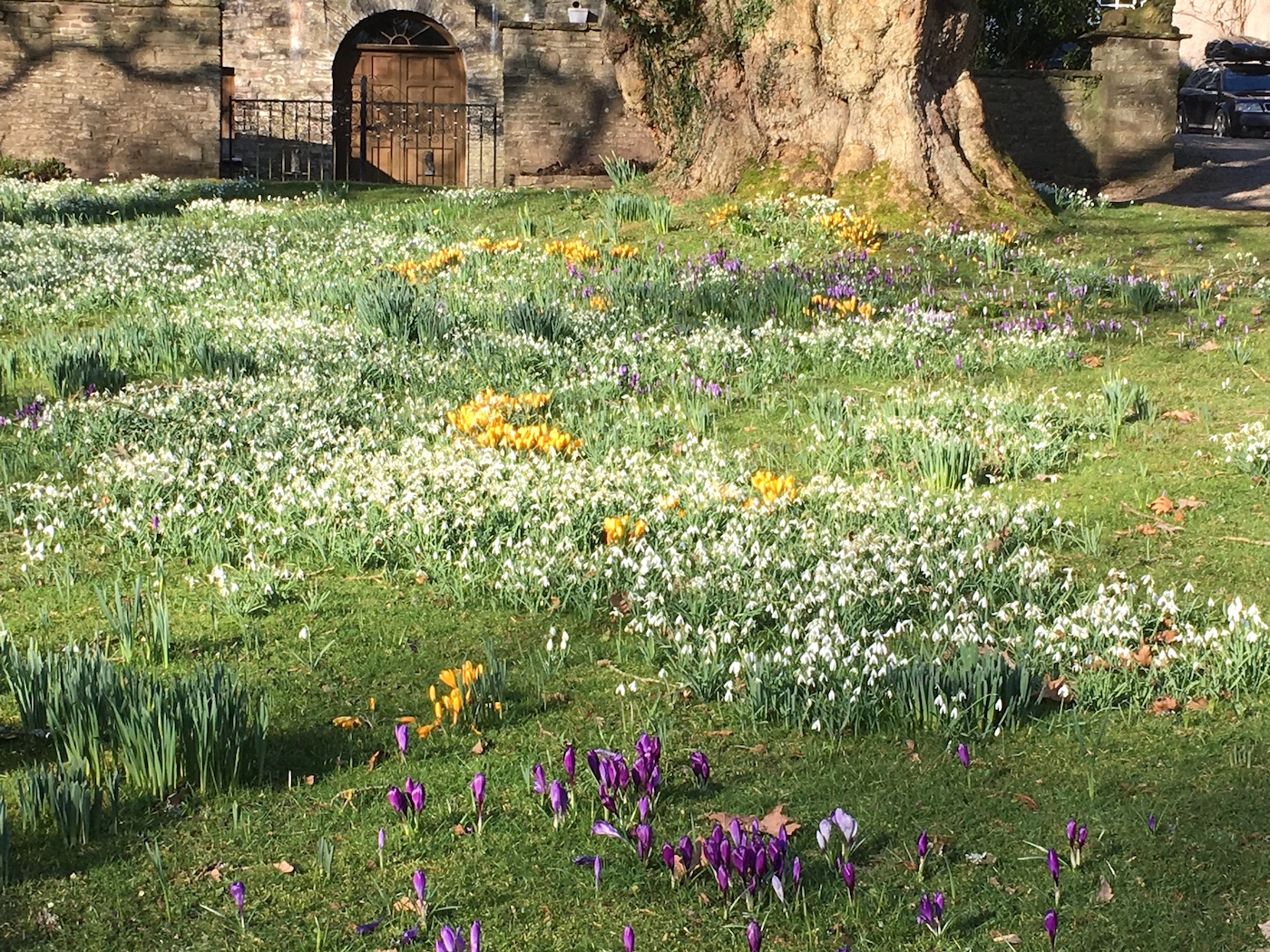
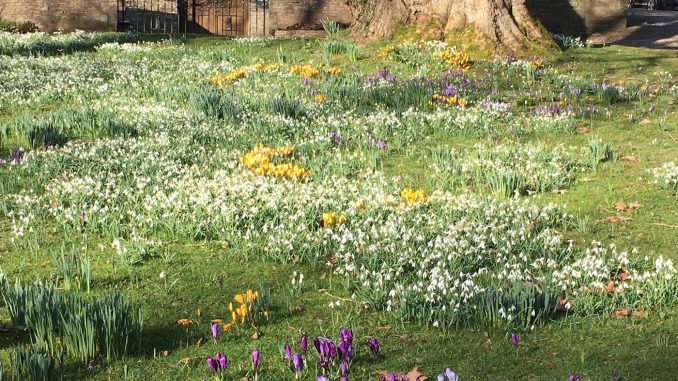
I always remember Dad telling us that he was seldom able to pick a daffodil from the garden to take to school for St David’s Day when he was a lad as they weren’t in bloom until the middle, or even end, of March. How things have changed in 50-odd years.
I also remember me and my brother always being given one of grandad’s huge, home-grown leeks (still with the mud on) to take to primary school for the 1st March, whilst all the other kids took pretty daffodils. I still remember the ‘Lynne’s got a leak’ jokes, and the one good thing about grandad’s hefty leeks is that there were very good for hitting other kids with!
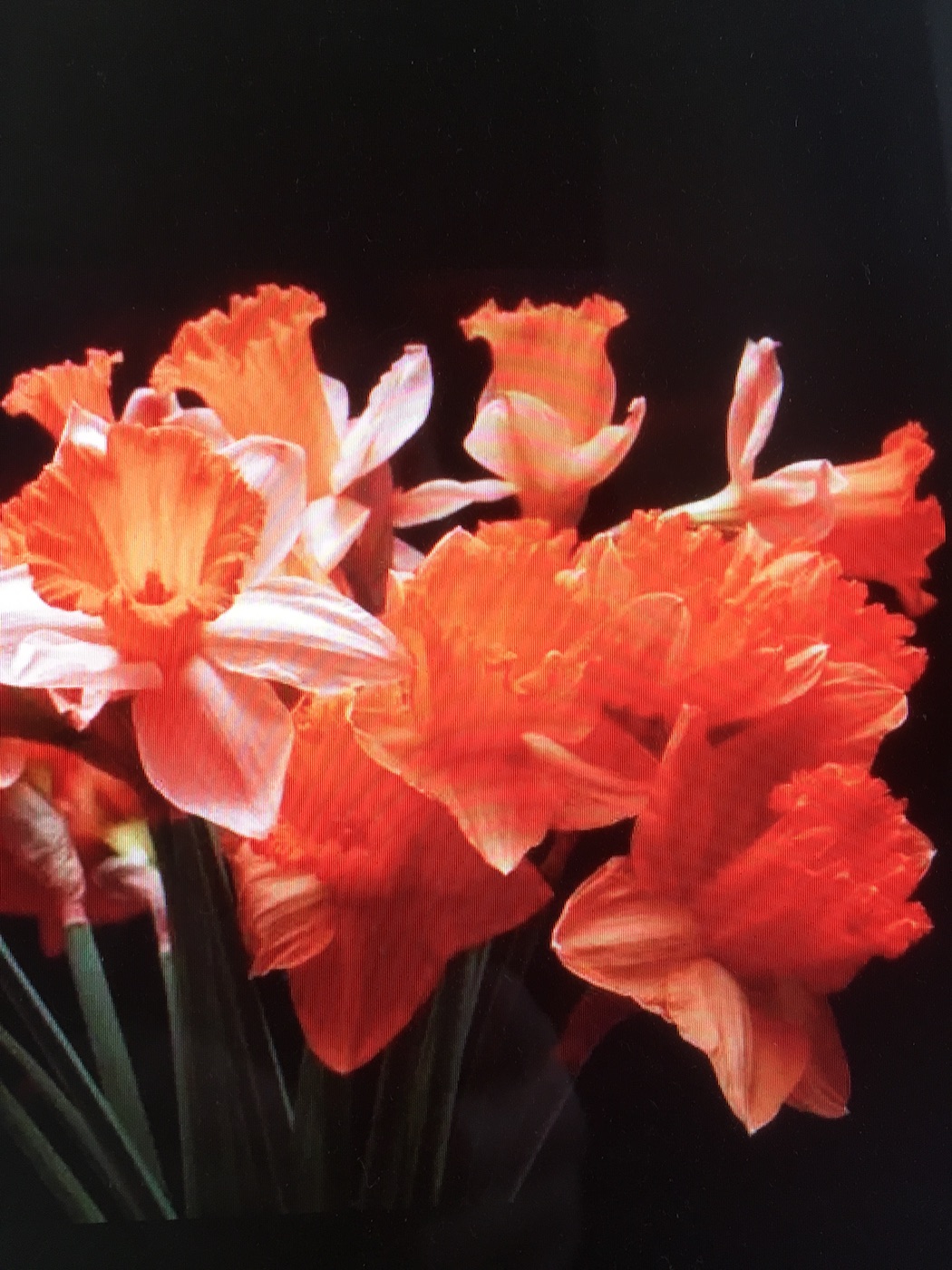
Many of us will be donning our daffodils – or leeks – for St David’s Day this weekend but did you know?
- The Welsh National bloom represents friendship in the language of flowers, and stands for regard and respect.
- There are over 50 species of daffodil and the daffodil Data Bank lists over 13,000 hybrids.
- The daffodil was brought to the UK by the Romans who thought the sap had healing properties. In actual fact, it contains crystals that can irritate the skin.
- Narcissus is the botanical or Latin name for daffodil.
- If you place cut daffodils into water containing a little food dye, the flowers will take up the dye and change colour before your eyes. Red and blue work best and it’s a great way to engage children.
Lover’s Leap?
 We also have an ‘extra’ February day today (Saturday) as it’s a leap year.
It’s easy to remember the leap years (as well as looking at the calendar, or social media reminders) as the last two digits of a leap year are divisible by four – 2016, 2020, 2024, etc.
Gardening folklore associated with a leap year includes not planting fruit trees on ‘leap day’ – if you do they will only bear fruit once every four years. And apparently broad beans planted on leap day will grow upside down – I daren’t even mention that to Terry Walton, he’d laugh me off the allotment.
A truer saying connected with ‘leap’, refers to perennials and the fact that in their first year they ‘sleep’, in their second they ‘creep’ and in their third year they ‘leap’.
A person born on leap day is known as a ‘leapling’ or ‘leaper’ and lots of leapers are deemed as having special attributes and skills.
In the UK it is a tradition that women may propose marriage only in leap years. Supposedly, a 1288 law by Queen Margaret of Scotland required that fines be levied if the man refused a marriage proposal. Compensation was deemed to be a pair of leather gloves, a single rose, £1 and a kiss.
That’s a good trade if you ask me!
In the Drink
 Leap day also has it’s very own cocktail which was invented by pioneering bartender Harry Craddock at London’s Savoy Hotel in 1928. According to the 1930 Savoy Cocktail Book, “It is said to have been responsible for more proposals than any other cocktail ever mixed.”
Don’t worry, you don’t have to be in leapling, or even looking to leap into love, to enjoy the famous drink. Here is Craddocks original recipe:
- 2 ounces London Dry gin
- 3/4 ounce orange liqueur
- 1/2 ounces sweet vermouth (try with Punt e Mes, a sweet vermouth made with bitter chinchona bark)
- About 1/8 ounce lemon juice
Add ingredients to a mixing glass. Fill the glass with ice cubes and stir for about 30 seconds. Strain contents into a chilled cocktail glass.
Flower Power
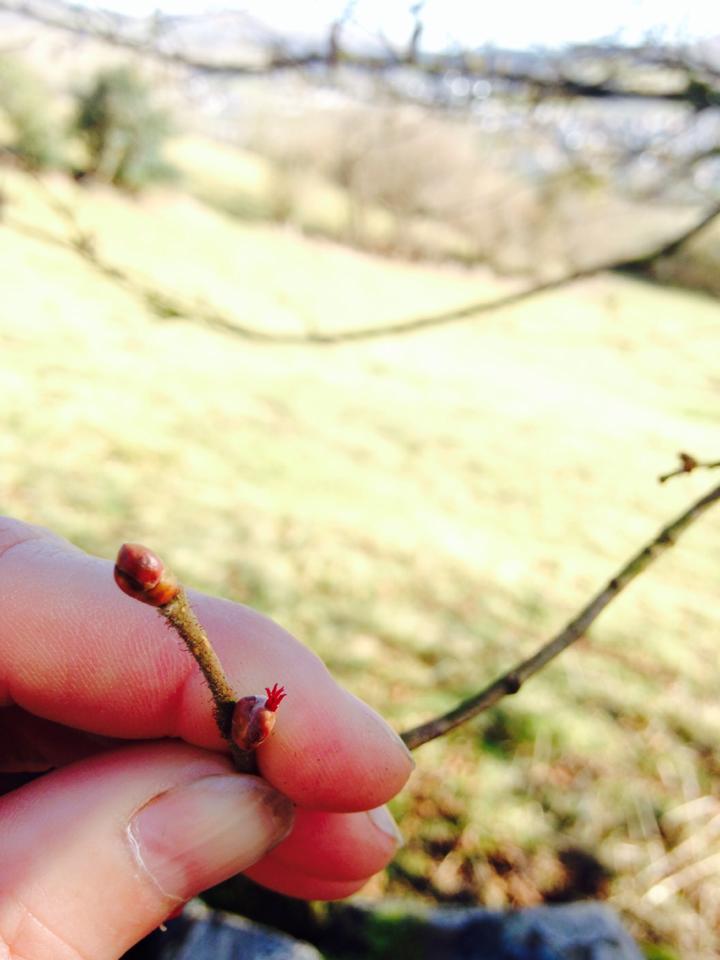 Spring flowers are in their glory now but one of the most beautiful and definitely most under-rated and unnoticed flower has to be the tiny little red, fluffy hazel (Corylus) flower. Look hard on the naked hazel branches now and you will find it. It is so worth the effort and one of my absolute favourite things in nature.
The hazel has both male and female flowers on each shrub, but the two flowers are quite different. The male flowers are gathered within the long, breeze-blown catkins and these are by far the most prominent. We all know and love the lambs-tail-like catkins as an indicator that spring will soon be pulling into the station.
Each catkin is made up of many individual flowers – these are the small green/yellow male flowers, which produce the pollen. There are around an amazing 240 male flowers in each catkin and they form during the previous summer so that they are ready to open in the dead of winter and flower through the spring. How’s that for planning ahead?
The female flowers are tiny individual flowers, visible only as red styles protruding from a green bud-like structure on the same branches as the male flowers. They are also an important source of pollen for bees.
I can never resist pointing out that the show-offy, male catkins get all the attention whilst the beautiful and hardworking little female flower just gets overlooked.
They are definitely worth taking the time and trouble to look for – and watch someone’s face light up the moment they spot one for the first time.
Hazels typically begin flowering in late January and can go on into April but they are relatively prolific at the moment. Once pollinated in the springtime, the female flowers set to work producing the hazelnuts, which ripen in the autumn.
It never ceases to impress me.
Thank you, I WILL find a way to be able to read your helpful info xx