
Taken from Lynne’s weekly column ‘Green Scene’ for the Western Mail
23rd November 2024

Hot Under The Collar
 Last week’s snowy, cold snap has reminded me I’m really not keen on being cold! I, like other outdoor workers, have been enjoying the mild winter weather – until the last few days. Despite knowing it’s forecast, I’m never quite ready for it either. I have had to dig out my ‘warm coat’, and base layers in a bit of haste – and put a ‘thick pair of laces’ in my boots, as my dad always said.
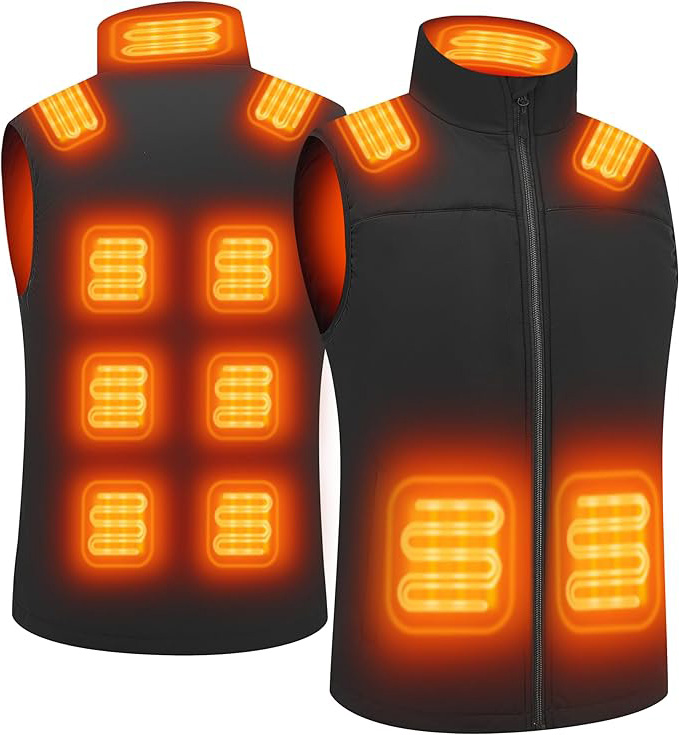
I also had to look for the heated waistcoat I bought a few weeks ago in anticipation of the weather getting colder. I have dabbled in heated clothing before, especially when I had my motorbike, but it has come on in leaps and bounds since then. My new waistcoat is well-fitting and warm – even without being switched on. But oh the luxury of the heat, when it is on, is absolutely delicious. It is like having a warm hug all day long. And to be honest I will be wearing it in the cottage when the temperatures dip a bit lower. It is so comfy – and although I’m no fashionista, it looks good too. So I’ve been told.
There are lots of heated waistcoats (and other clothing) online to choose from but the one I chose has a heated collar – the ultimate in luxury! It brings a whole new meaning to being ‘hot under the collar’ – and I can highly recommend it.
And whilst I know that ‘to get hot under the collar’ means to get angry (heat of anger) or excited about something, I had to check out the origin. Apparently it originated in the early 19th century, referring to the physical reaction of the body when experiencing heightened emotions. It symbolizes the visible signs of anger, embarrassment, or irritation, as blood vessels dilate, causing a flushed or red appearance specifically around the neck and face. It is commonly employed in situations where someone becomes heated or agitated due to a specific trigger, such as during arguments, confrontations, or when faced with a humiliating or frustrating event.
Suffice to say, it’s much less effort – and trouble – to get ‘hot under the collar’ thanks to a heated waistcoat.
50 Shades of Tulips
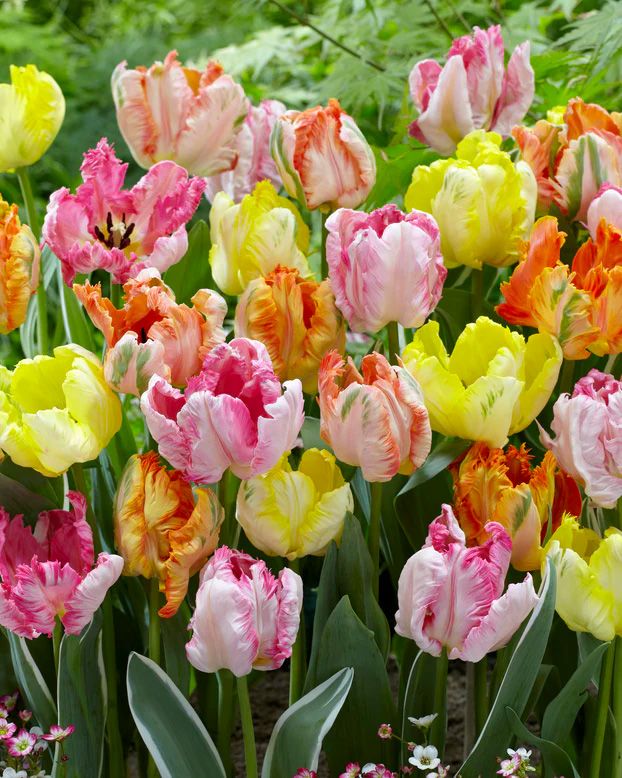 Although the weather isn’t ideal for gardening at the moment, there are still a few things that can be done, including planting tulips. I love seeing big drifts of tulips in the spring but I’m also a big fan of tulips in containers, especially as mice tend to sniff them out and eat them when planted in the ground. I recently planted a load of tulip bulbs in various containers and have covered them all with chicken wire to keep the mice out – they can become very expensive mouse food otherwise.
www.farmergracy.co.uk has a tremendous selection of tulip varieties available – with 30% off – and it is just worth a scroll through to lift your spirits and remind you spring won’t be long. There are even three varieties of black tulips, which look stunning when contrasting with other colours.
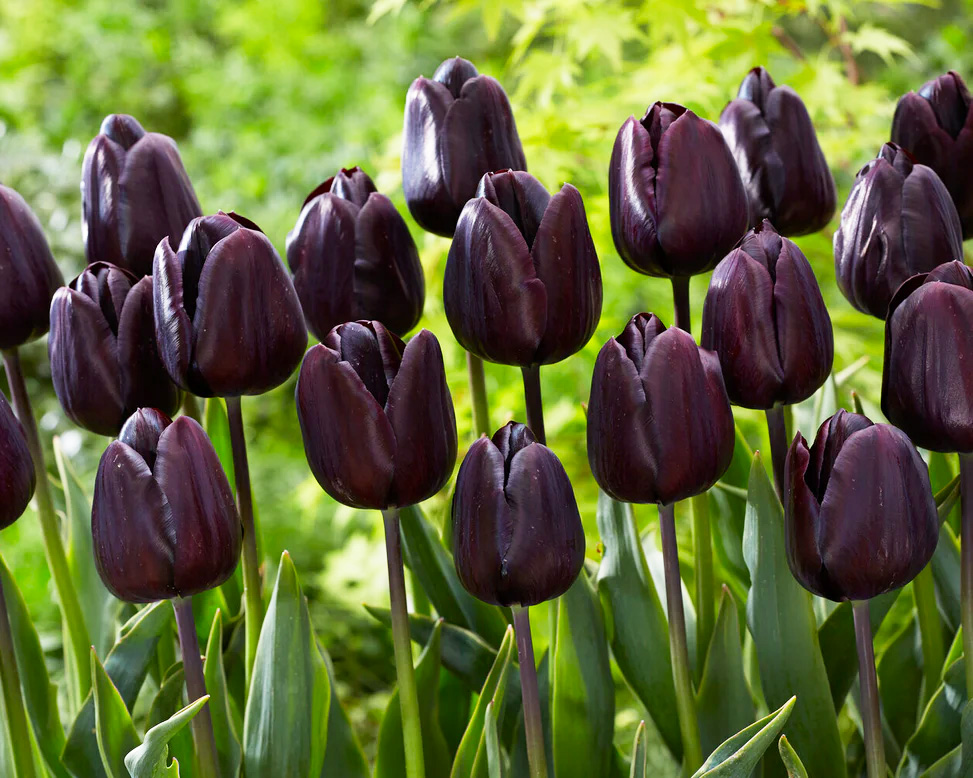 The ‘parrot’ varieties never cease to amaze me and, like roses, there are great names to choose from, making them ideal presents for some people. Choose from Peggy Wonder, Uncle Tom, Charming Lady, Lady Jane, Gracy’s Pride, Lizzy, Samantha and even Wild Romance – or the opposite, Nightmare. I challenge you to scroll through all eleven pages of stunning blooms without going ‘wow’ at least once.
Whether planted in pots or borders, tulip bulbs will need to be covered with at least twice their depth of soil or compost. Mixing varieties adds interest as does under-planting with blue carpets of grape hyacinths or forget-me-nots and if planting in containers, plant in layers so you get more bulbs in the pot and therefore more blooms in the spring.
Twitter Feed
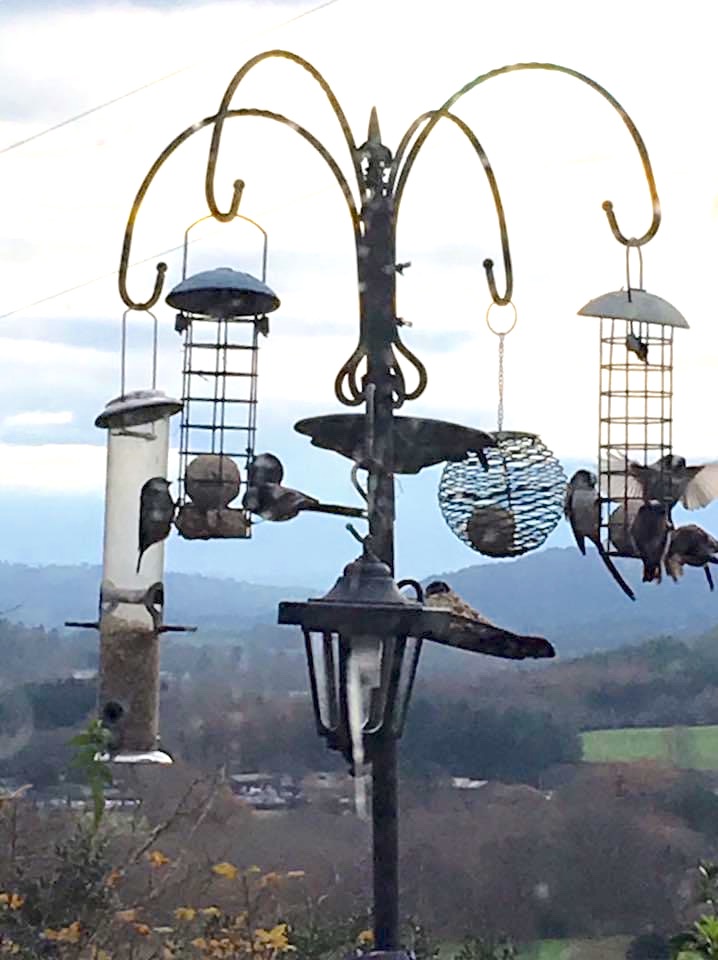 Natural food sources for our feathered friends are in short supply now and with it getting colder, they will need extra food to keep their energy levels up to stay warm.
Songbirds also need water to drink and bathe in, with how much they need and how often depending on the species. Birds lose water through their droppings, respiration, and evaporation. Passerines (songbirds) lose more water than non-passerines due to their biology, so need to replenish this water more readily.
It can be easy to forget that suitable water can be difficult for them to find in the winter months, especially when we think all it does is rain. So please provide your birds with fresh, clean water, and take care to check daily that it’s not full of leaves or frozen over.
Keeping feeders topped up in the winter months is key to helping our songbirds survive. By topping your feeders up at roughly the same time each day, birds will learn when to visit your garden for food and won’t waste energy visiting you to find there is no food. They become quite dependent quite quickly.
Supplying food that is high in protein or fat – like fat balls, bacon rind (unsmoked and chopped up), cheese and sunflower hearts – provide essential extra energy to help birds stay warm. Seeds that don’t need to be de-husked are also good for feeding, as these require less time the birds spend out in the cold to actually access the food.
Please don’t feed birds milk, desiccated coconut, white bread (although it’s popular), mouldy or salty foods, as these are not good for their health. Mouldy food, seeds and peanuts can carry aflatoxins, which can be dangerous to birds and large amounts of salt can be toxic to a bird’s nervous system. Cooked rice can develop harmful bacteria if not eaten right away and dried fruit often contains high levels of added sugars and preservatives.
And things you may consider to be ‘treats’ can be fatal – chocolate contains caffeine and theobromine, which can cause diarrhoea, seizures, vomiting, and hyperactivity. Avocados contain a fatty, acidic substance that can cause a wide range of health problems for wild birds, including heart damage and even sudden death, and table scraps which may have been cooked with oil, garlic or spices can also be harmful.
And please avoid putting out bird food in mesh bags as the mesh can trap birds’ feet and tragically cause broken or torn off feet and legs. Like most things, even if you think you are doing something helpful, it is always worth checking to be sure – www.rspb.org.uk and some other wildlife websites have good information.
Tweet Song of Success
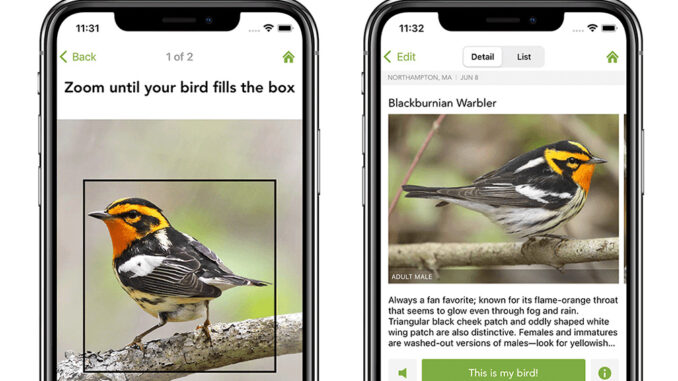
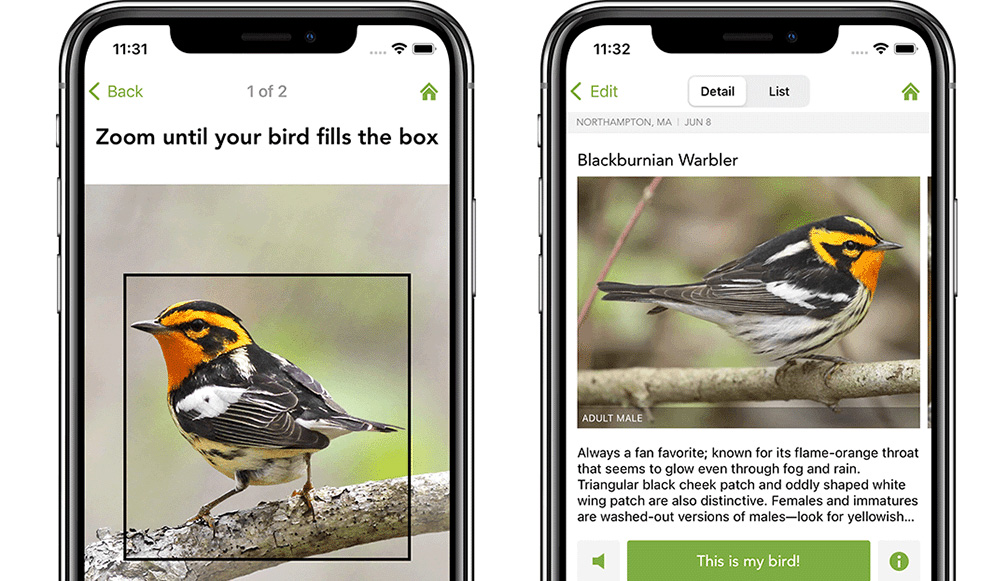 A neighbour recently told me about the Merlin Bird ID app she has on her phone. I only have five apps on my phone and am very discerning (and technically-phobic) about what I do download. But I have downloaded ‘Merlin’ to enhance my enjoyment of identifying birds visually and by their song.
Just by holding my phone in the air – technical procedure – ‘sound ID’ listens to the birds around me and shows real-time suggestions for who’s singing their little hearts out. If you’re a bit sceptical and not convinced, then you can compare your recording to the songs and then call in Merlin to confirm what you heard. The thing that suits me most is the fact that sound ID works completely offline, so you can identify birds you hear no matter where you are. There are also several different methods of identifying birds, including answering three simple questions about a bird in question and Merlin will give you a list of possible matches. That also works offline.
So now, if you do see me outside waving my phone around in the air, I won’t be trying to get a signal to speak to a two-legged friend, but will just be listening to and identifying some of my feathered friends.
Leave a Reply