
Taken from Lynne’s weekly column ‘Green Scene’ for the Western Mail. 28th July 2018 
Help the Hedgehogs
Last month was the hottest month in Wales on record, and whilst a lot of people are still droning on ‘how wonderful it is’, I am fed up with the heat now, because of the adverse affect it is having on our wildlife and animals.
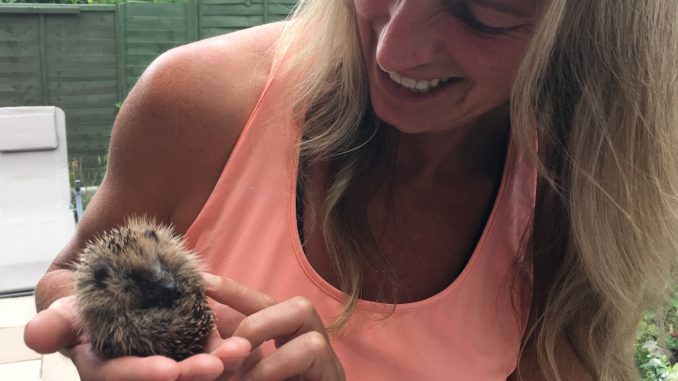
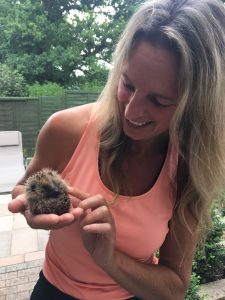
I have written and spoken a lot about the importance of putting out water for birds, bees and hedgehogs, but talking to a local Trustee of the Hedgehog Helpline and main carer, recently I was absolutely horrified at the affect the hot dry weather is having on our hedgehog population, especially in the wake of a long, hard winter.
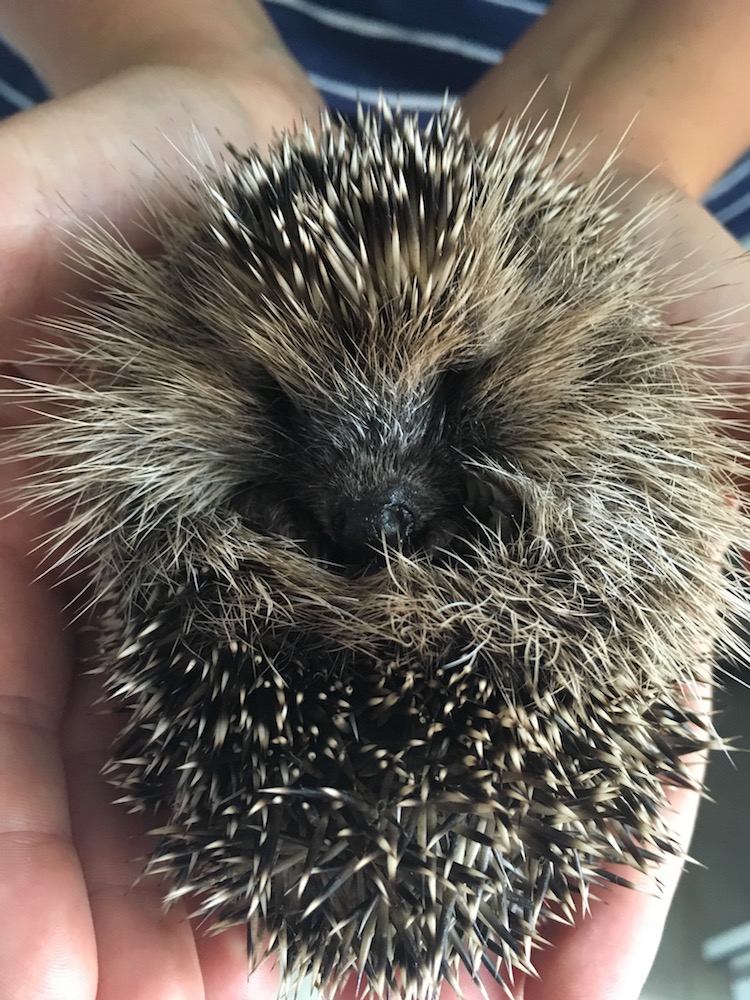
Hedgehogs have their young in June, July and August and the nursing mother’s are struggling to find food for them. They are becoming more and more dehydrated as they have to search further afield for food. Dehydration leads to weak and wobbly hedgehogs wandering around in the daylight – not their natural way. If you see a hedgehog out in the day, unless it is a mother gathering nesting material, then it is unwell.
As well as being a Trustee, Angharad is responsible for the intensive side of hedgehog rescue and is the first point of call for sick, injured and dehydrated hedgehogs in south Wales. With a utility room full of hoglets at the moment, she receives up to 30 calls a day from the 24 hour careline and 80% of those hedgehogs will need admitting for some sort of treatment.
Gardener’s Best Friends
 Apart from ‘hedgehog heatstroke’, our spiky little friends (gardener’s best friends, by the way) are suffering other injuries, including being strimmed, being caught up in gardener’s netting, being unable to get out of ponds and paddling pools and even being caught in the nets of football goals. Hedgehogs are even more vulnerable to these constant dangers as a result of being weak and hungry. A dehydrated hedgehog is also more vulnerable to inquisitive dogs, as they are unable to ball up in defence.
The best food to put out is wet cat or dog food as it contains moisture, and the young hoglets can also tackle it with their immature teeth! Please, please don’t feed bread and milk, hedgehogs are lactose intolerant and dairy products will kill them.
I have spoken and written often about the importance of gardeners being more aware of their role in the tragic hedgehog decline, but apparently a garden can still be the biggest threat to a hedgehog. Slug pellets are still being used, and gardens being kept too tidy, restricting available nesting sites and materials. And adjoining ‘fortress-style fenced’ gardens also restrict hedgehog’s natural foraging routes drastically. All you have to do is leave a few little holes under your fence, to make a big difference.
There are some fabulous tips and advice on www.hedgehogstreet.org and also www.hedgehoghelplinecymru.org.uk/hedgehog-helpline/
There are numerous ways you can help locally too; Angharad is always looking for volunteers (throughout South Wales) to collect injured hedgehogs, for old hutches and runs, for dog food, towels, newspaper, shallow dishes for food and water and of course fundraising is always welcome, as vets bills alone can reach around £1,500 a month.
You could also train to be a B&B carer, (affectionately referred to a cleaner and feeder) and train to give informative talks (all supported by the Helpline). If you are interested in finding out more, please come along to a meeting at The Horse Shoe in Llangattock, on August 1st at 6.00 pm.
Don’t be Embarrassed
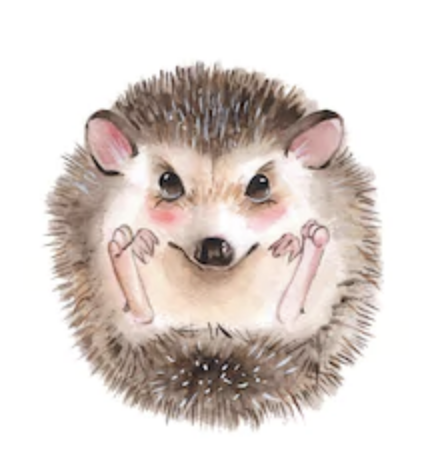 Interestingly, Angharad mentioned that one of the biggest battles she faces is people being embarrassed that they (or their dog) may have inadvertently harmed a hedgehog, which results in them giving sketchy information or being too afraid to call for help at all. This is one of the easiest things to address – please don’t be embarrassed and please just think of the hedgehog. If it needs help and medical attention, it is important that it receives it and that Angharad gets the right information to be able to make a decision that could save a life.
So please have a look at the websites to find out more and if you can offer specific help then please call 07557 646773. Thank you.
Sea What You Can See
 This year Wales is celebrating the Year of the Sea with its stunning coastline, which includes a 1,400 km coastal path, 230 beaches and 50 islands and more sea wildlife than I ever imagined! Sea Watch Foundation has monitored whales, dolphins and porpoises in British and Irish waters for over forty years and for the past 16 years this has been spearheaded through an annual national recording event, the National Whale and Dolphin Watch (NWDW). The event this year is taking place from Saturday 28th July until Sunday 5th August 2018 and Sea Watch Foundation are looking for marine mammal enthusiasts around Wales who want to help to collect records of whales, dolphins and porpoises and become involved in their marine conservation work!
Watches can be conducted from land, at some of the most beautiful look out points, so it’s a perfect excuse for a picnic and some quiet time; you will also need patience, enthusiasm, binoculars, and sightings forms and a cetacean identification guide (downloadable from the Sea Watch website). Accredited wildlife tour operators and other recommended dolphin watching companies in Wales are also taking part in the weekend, more details at www.falconboats.co.uk. Spaces on most boat trips need to be reserved first. Prices vary for these trips and you should contact the relevant operator directly.
Find out more about the event: www.seawatchfoundation.org.uk/nwdw
Leave a Reply