
Taken from Lynne’s weekly column ‘Green Scene’ for the Western Mail
12th January 2019
 Hedging My Best
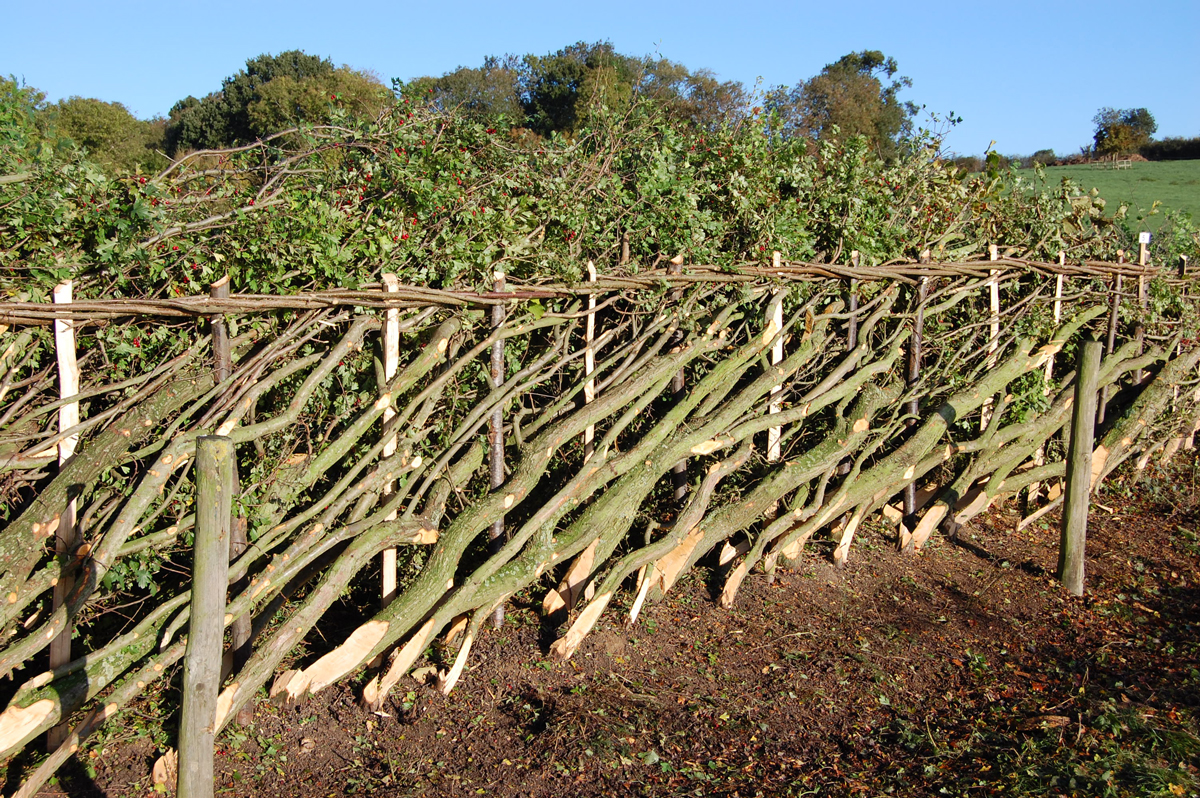 In the wake of my dry stone walling success, I have signed up for a hedge laying course in the Brecon Beacons at the end of the month. The course is for ‘complete beginners to traditional hedge-laying, and those seeking to add to woodland management or landscape gardening skills, and is a great present for garden lovers and rural skill enthusiasts’. It’s also a great present to myself.
I do wish I had paid more attention to the local craftsmen when I was younger; my granddad was competent in so many of the countryside skills but from memory, preferred not to have kids asking him endless questions while he worked. Mind you, I can totally understand that! And I am grateful to be able to learn the skills and crafts now.
Hedge laying can be conducted between late October and early March whilst the hedging plants are dormant and there are a few day courses left for this season. Whilst small group bookings are taken for a minimum of 4 people, single participants can join in on most group days.
I have enjoyed “A Good Day Out’ previously, whilst walking sheep for BBC’s Countryfile and am delighted that they are offering these ‘skilled’ courses for beginners. As well as the numerous cute animals you can still walk with, they also offer other always-wanted-to-learn experiences including sheep shearing, lambing, Ghurkha cooking, an owl experience, sheepdog shepherding and lots more. Pop into www.gooddayout.co.uk to find out more, and I’ll bet you’ll find it hard to choose just one! Good job they offer vouchers which are a great gift for those people who have everything, except experience of these fabulous things.
Another lovely synchronicity, is that with all Good Day Out experiences, a good cause benefits from you buying a voucher. In the case of the Hedgelaying Day a portion of each voucher will go towards Tools for Self-Reliance Cymru. TFSR collect old and unwanted hand tools and sewing machines. They clean repair and sharpen them, and send tool kits and sewing machines to grass roots community groups in several African countries. All of my own garden tools (and most recently a sewing machine – another project-in-waiting) are from their fabulous workshop in Crickhowell and I was rather proud to be made a Patron of TFSR Cymru two years ago. Find them at www.tfsrcymru.org.uk
What a lovely circle of ‘supposed-to-be-ness’.
Watch the Birdie
 There is still plenty of time to sign up for this year’s Big Garden Bird Watch, which is happening on the 26-28th January.
If you visit www.rspb.org.uk you can sign up for a free postal pack, or take part online and get access to Big Garden Extra, where you can access exclusive articles, downloads and celebrity interviews. Once you’ve signed up, you’ll also benefit from 20% off in the RSPB shop.
Birdwatch began in 1979 and forty years later it is the world’s largest wildlife survey, with around half a million regularly taking part. The total number of birds counted since 1979, is more than 130 million and in 2018, a staggering 8 million birds were counted during the Big Garden Birdwatch.
The results have been at best, interesting and at worst, staggering. The survey alerted us to the decline in song thrush numbers. Back in 1979 song thrushes comfortably occupied the number ten spot, but numbers in gardens have declined by around 70% over the last 40 years, and they have dropped to 27th in the rankings.
 The Birdwatch also shone a light on the declines of house sparrows and starlings. These birds have dropped by an alarming 57 and 80 per cent respectively in gardens across the UK in forty years.
But it’s not all bad news; there have been increases in some species. In 2016 long-tailed tits – or lollipop birds as I call them – flew into the Big Garden Birdwatch top 10, after the average number seen visiting gardens across the UK increased by 44 per cent.
Changes in the climate would also seem to be having an impact on sightings recorded. Over recent decades blackcaps have been increasing in gardens during the winter. Although these birds are primarily summer visitors to the UK, it seems that some are spending the milder winters in the UK rather than migrating further south in Europe.
The Birdwatch is also not without its oddities recording some unusual visitors too, including an American robin in Putney, a black-throated thrush on the Isle of Bute, and a common rose finch in Yorkshire. In 2014, a yellow-rumped warbler, which usually spends winter in South America, turned up in a garden in Durham.
 Less unusual but no less thrilling was the explosion of waxwings visiting gardens in 2017. Usually found feasting on berries in Scandinavia, these winter visitors come to the UK when there is a lack of food in their native countries. In 2017, waxwings were seen in around 11 times more gardens compared with the last couple of years.
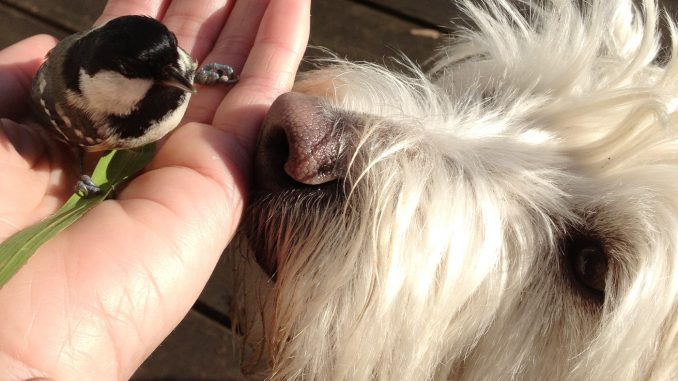
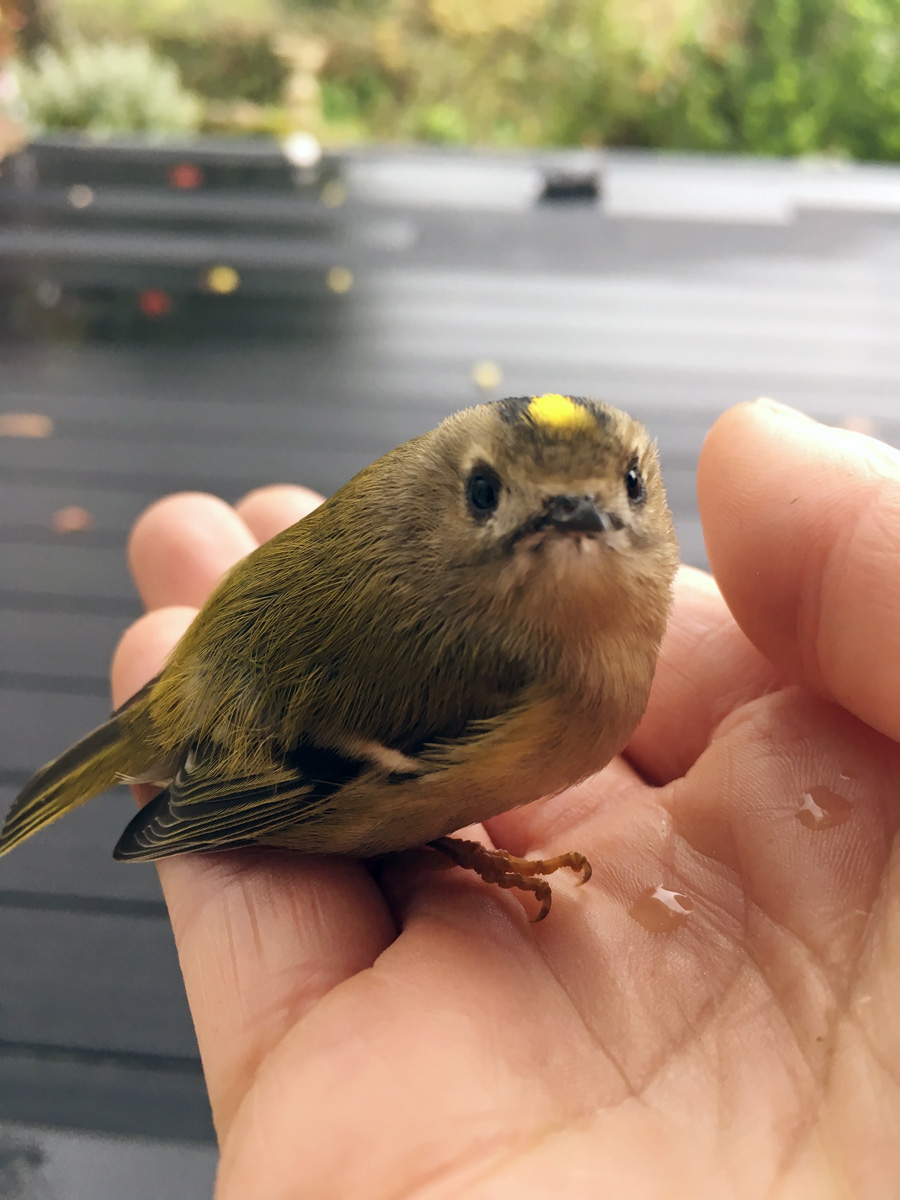
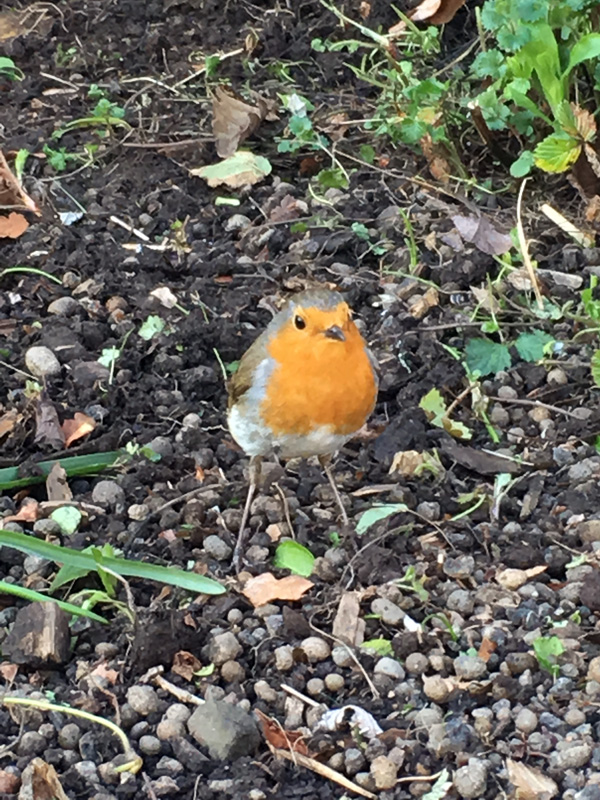
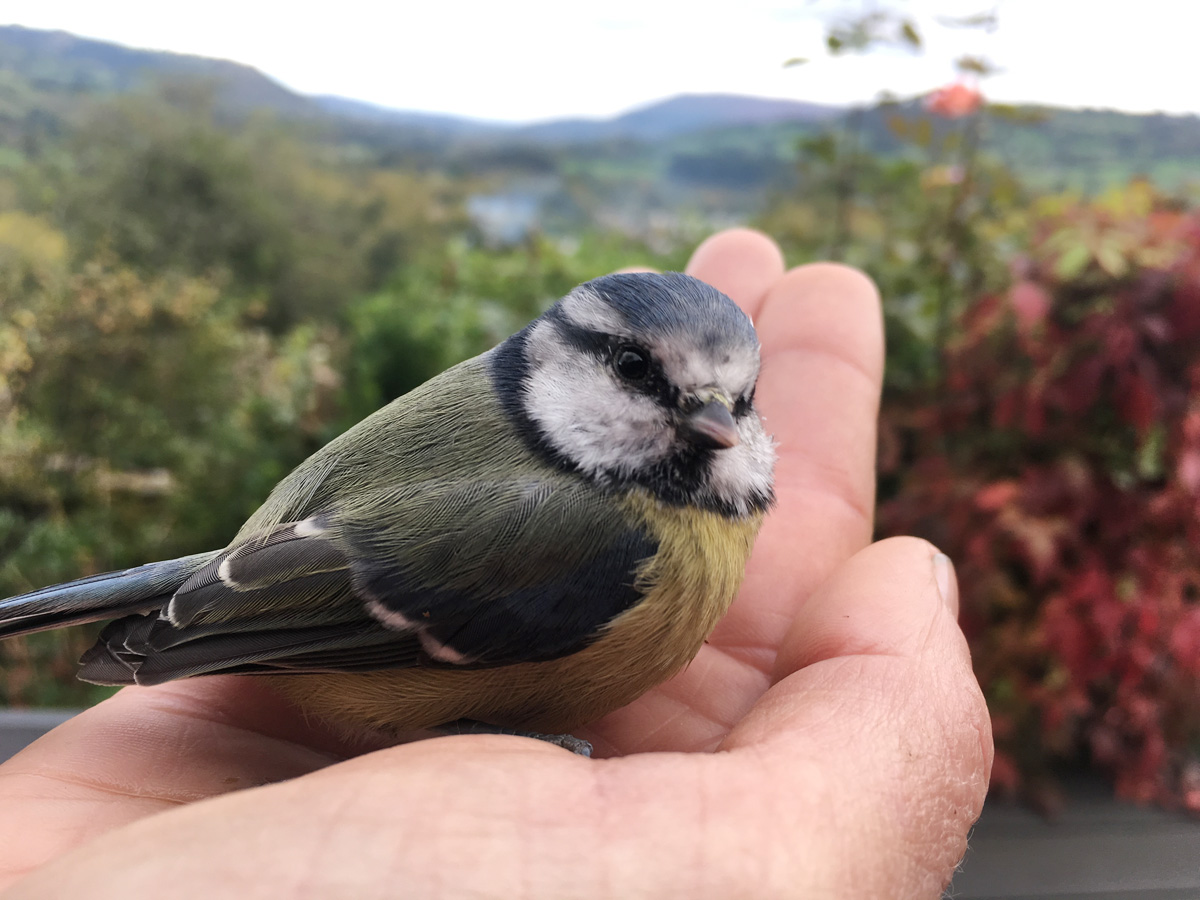
I totally adore the birds in my garden; they know they will always get a good meal there and always seem so appreciative. So much so, some became quite tame (see pics).
Chris Packham said: “There’s no doubt in my mind that the RSPB’s Big Garden Birdwatch is one of the greatest pieces of citizen science that’s done anywhere on earth – so to play a tiny role in that is always a privilege.”
So be privileged and order your pack today from www.rspb.org.uk
Leave a Reply