
Taken from Lynne’s weekly column ‘Green Scene’ for the Western Mail
27th June 2020

Grasp the Nettle
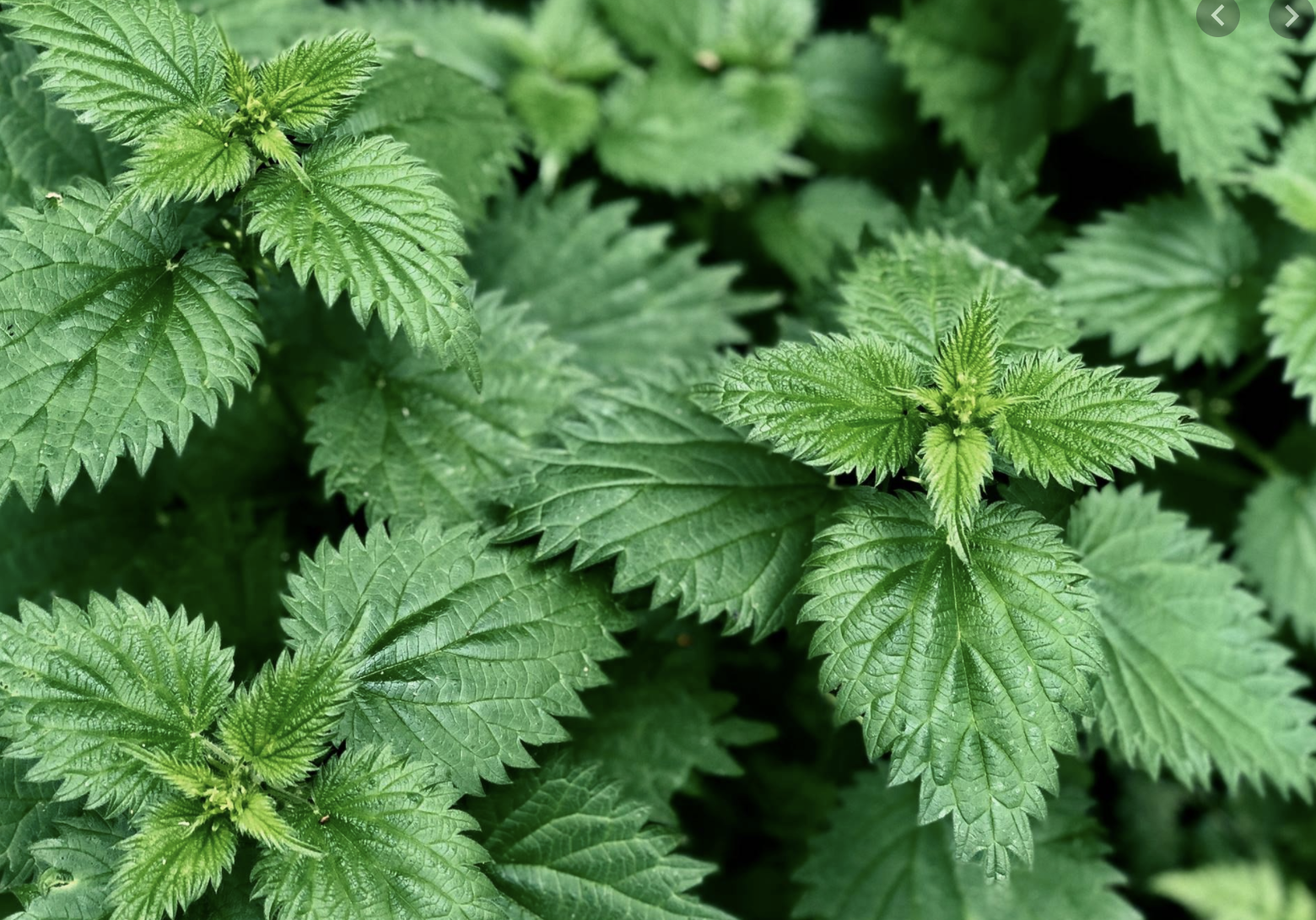
Crikey – now things are growing in the garden. The recent rains followed by this week’s heat wave have made it all positively jungle-esque. No matter what the weather, the brambles and nettles will always grow faster than anything else, and delight in poking out of hedges and borders.
I am trying to console myself with the fact that I will soon be rewarded with blackberries, and that my nettles are benefitting numerous butterflies as their larvae feed in large groups hidden in silken tents at the top of the nettle stems. And soon the huge quantity of seed produced will provide a food source for the seed eating birds.
Nettles seeds are also apparently very good for combating fatigue (their way of rewarding wilting gardeners?) and can be harvested when the little flower threads, covered in fluffy green pompoms, droops heavily towards the stem. The seeds will be fat, fluffy and vivid green. Do not harvest if the seeds are brown, when you can still see little flowers on the threads or when the threads are still sticking straight out.
Simply remove the whole string of seeds and leave to dry. Once dry, put them through a sieve to get out any leaf or bug bits. Then simply jar them up and keep them in a dark, cool place. They can last for several years.
You can take anywhere from a pinch to a tsp. of seeds – chew them really well, then swallow – as a good tonic and energy boost. Or add them to smoothies.
In my quest to learn more about biodynamic gardening, I read that if you dig a hole and bury nettles before they set seed, then leave for 12 months, the resulting ‘compost’ is fabulous. And one of the biodynamic preparations, 504, is a nettle spray that is great against aphids.
My problem is that I have just about found enough time to read about it all but not enough time to do any of it yet.
Nettles are also taking care of us gardeners in other ways, as the nettle sting is supposed to prevent arthritis – so the more you get stung the longer you will be able to garden for. And of course, the more time you spend gardening the more likely you are to get stung.
And a favourite quote: Life is like a nettle – disturb it, it stings: Grasp it firmly, it stings not.
Water Great Idea
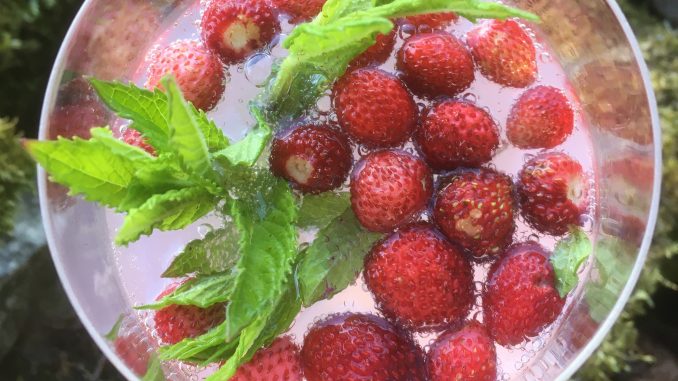
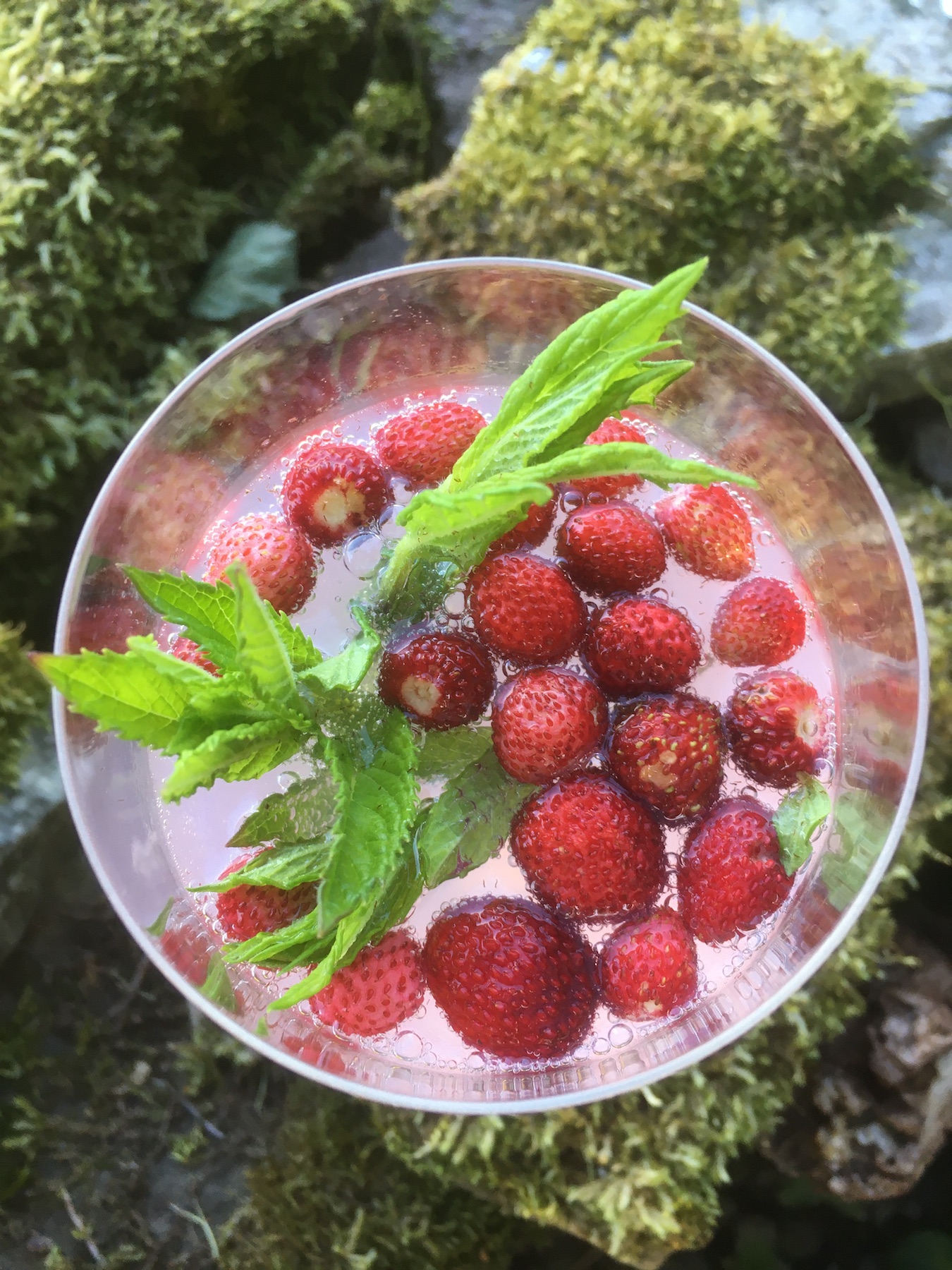 I have had a lot of readers get in touch after my reference to making elderflower cordial and who, like me, are swerving sugar. I now make flavoured waters instead. All you do is add water to fruit. Get a good sized jug, put your chosen fruit (mashing it up a bit normally helps releases the flavours), fill up with water and chill in the fridge.
Fruits that work best include strawberries, raspberries, lemons, oranges, limes, watermelon and pineapple. Adding herbs like mint and even basil add additional flavour, grated ginger adds a ‘zing’ and cucumber will add a refreshing twist.
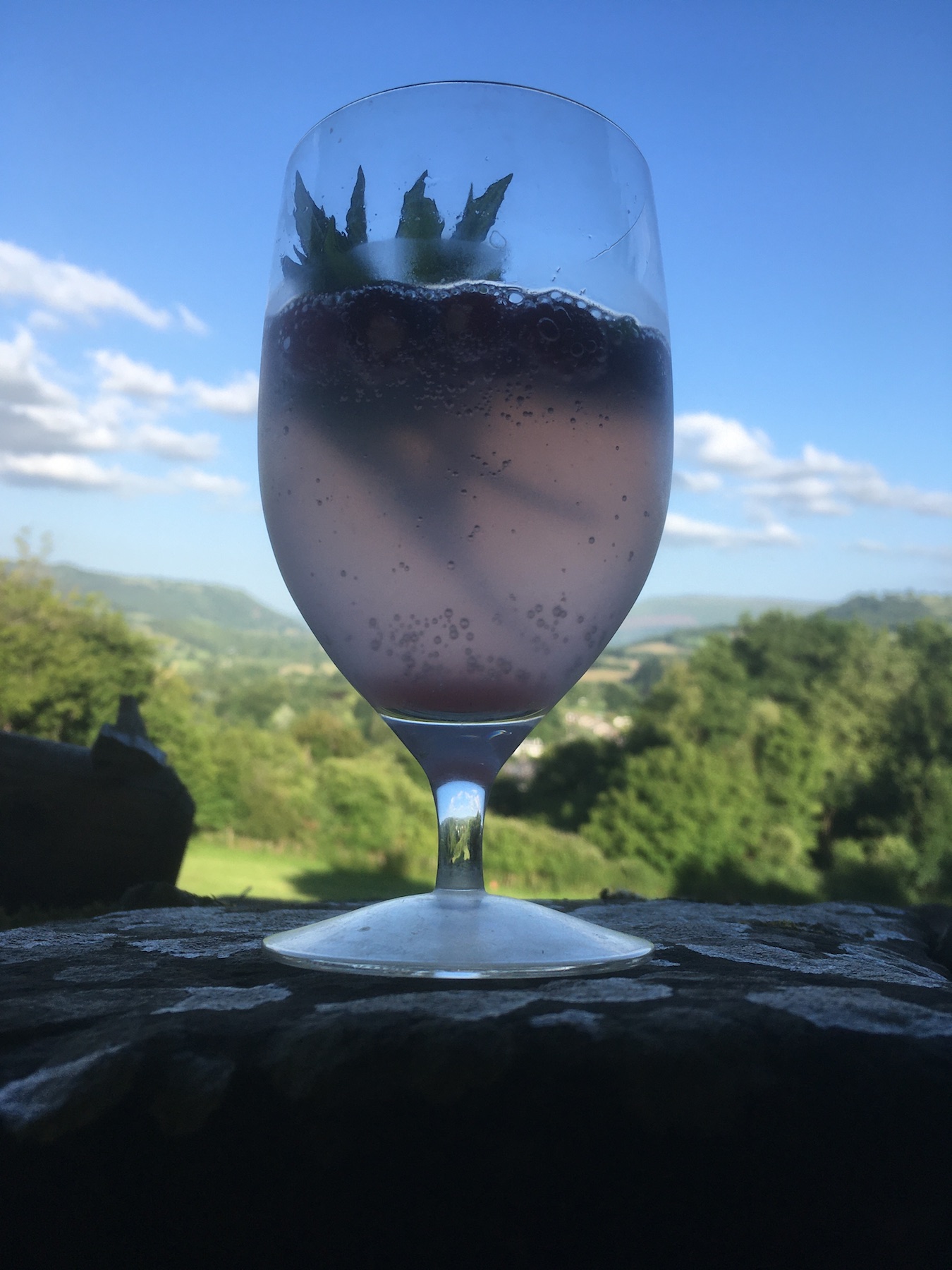 I have copious amounts wild strawberries at the cottage (weeds to many gardeners), and they make excellent flavoured water. Wild strawberries are also great on granola for breakfast.
And try creating different ‘blends’ – strawberry and basil work well together as does orange, pineapple and ginger or lemon, lime and mint. Slightly more exotic blends include Jalapeno pepper and watermelon, apple and cinnamon and peach and mint. And they are all made a bit more special when made with sparkling water. Cheers!
Bee and Butterfly Bars
 With temperatures reaching record highs again this week, please remember that wildlife will need drinking sources too – although not flavoured water! As the heat dries up natural water sources, the RSPB is asking people to leave out a fresh supply of water (rainwater if possible) in their outdoor space to help our feathered friends through the extreme conditions.
Birds need water for two reasons – drinking and bathing. Unlike mammals, birds don’t have sweat glands, but they still lose a lot of water through respiration and in their droppings in the extreme heat. So it’s crucial they have access to fresh water to rehydrate.
Bathing is essential to their daily routine, helping them to keep their feathers in good condition so they remain warm and waterproof.
And of course other wildlife will need drinking water too – even bees and butterflies. They like shallow watering holes, or even wet compost, as they can’t drink from deep water. Put a saucer of water with a couple of stones for them to stand on or a tray of wet compost and watch them come to drink. It’s lovely to watch.
Paw-fect Paddling Pools
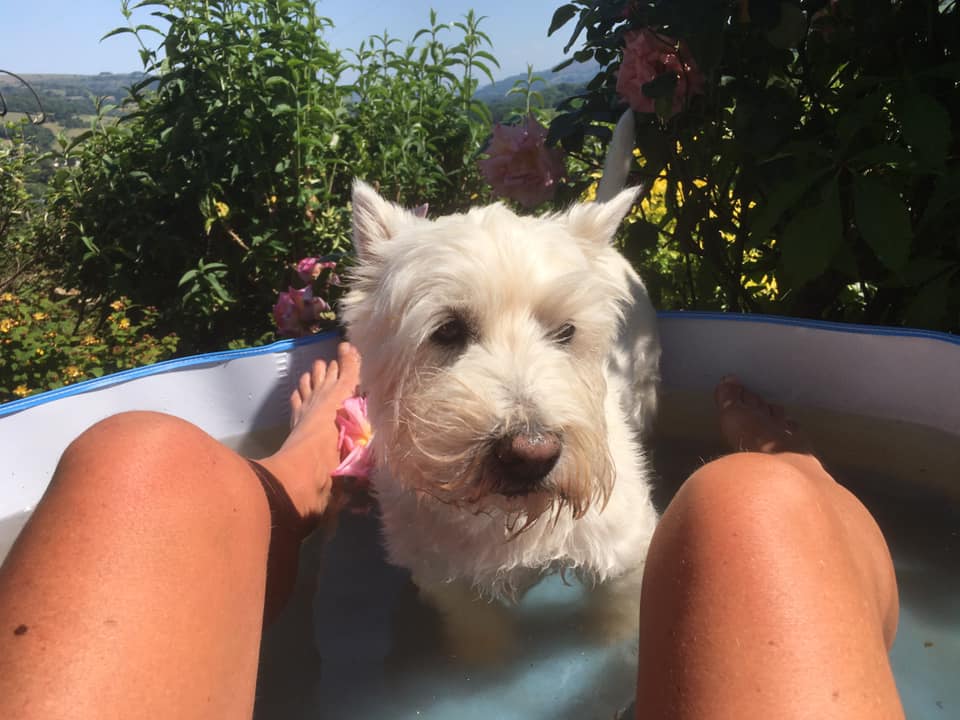 And finally – dogs love to cool off in the hot weather too.
There are lots of paddling pools on the market that are suitable for dogs.
Yogi loves hers, although she’s not so keen on sharing it – as you can see.
Leave a Reply