
Taken from Lynne’s weekly column ‘Green Scene’ for the Western Mail
10th April 2021

Give it a Chance
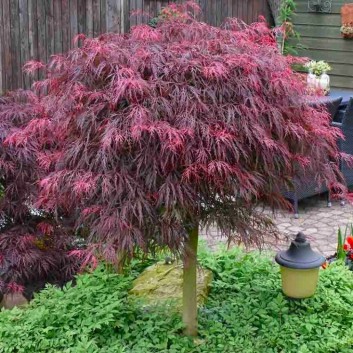 A lot of deciduous shrubs seem a little reluctant to come into leaf this season – and who can blame them. Sensibly, they are governed by the weather rather than the calendar. But to the inexperienced eye, their delayed dormancy could be mistaken for premature death. I say this as last week a friend told me he had dug up two dead shrubs in his garden and wanted to know what to put back in their place. I went to have a look and suggested he put them back, as they were very much alive and just late to leaf up.
The ‘thumbnail test’ is a good way to tell if a shrub or young tree is still alive but it is easier to do when you have seen it being done, rather than have it explained – but here goes. Just remove a small bit of the bark on the stem with your thumbnail. If it is green and sappy underneath, then the plant is alive. If it’s brown, or hard to remove that little bit of bark, then it is probably dead.
The top growth of some shrubs will often die back, especially if clobbered by a hard frost, but you will often get new shoots from lower down the shrub. So bear this in mind when and where you do your thumbnail test or just be patient and see if it does ‘leaf up’ when the weather improves.
If there is any doubt about a plant’s health, I am renowned for saying, “Let’s give it a chance.” That advice largely stems (pun intended) from being completely amazed by an established Acer when I was in my early 20’s. A client thought his beautiful Japanese Acer was dead and wanted it dug out. Despite it being June and the Acer having no foliage, I did the thumbnail test and it was very much alive. I had no idea why it hadn’t come into leaf and although I agreed that it was doing a very good impression of being dead, I was convinced it was still alive. I was the only one.
I took the inevitable teasing from the lads on site on the chin and refused to dig it out. After a lot of leg pulling, it was agreed that we would leave it in situ. We finished the landscaping, left the site and I forgot all about it, until I had a call from the client the following year to say his Acer had ‘risen from the dead’ and was in full foliage – despite not having had a leaf on it the previous year. I’ve not heard of anything like it since, but it is responsible for my ‘Let’s give it a chance’ attitude.
Humble Bumblebee
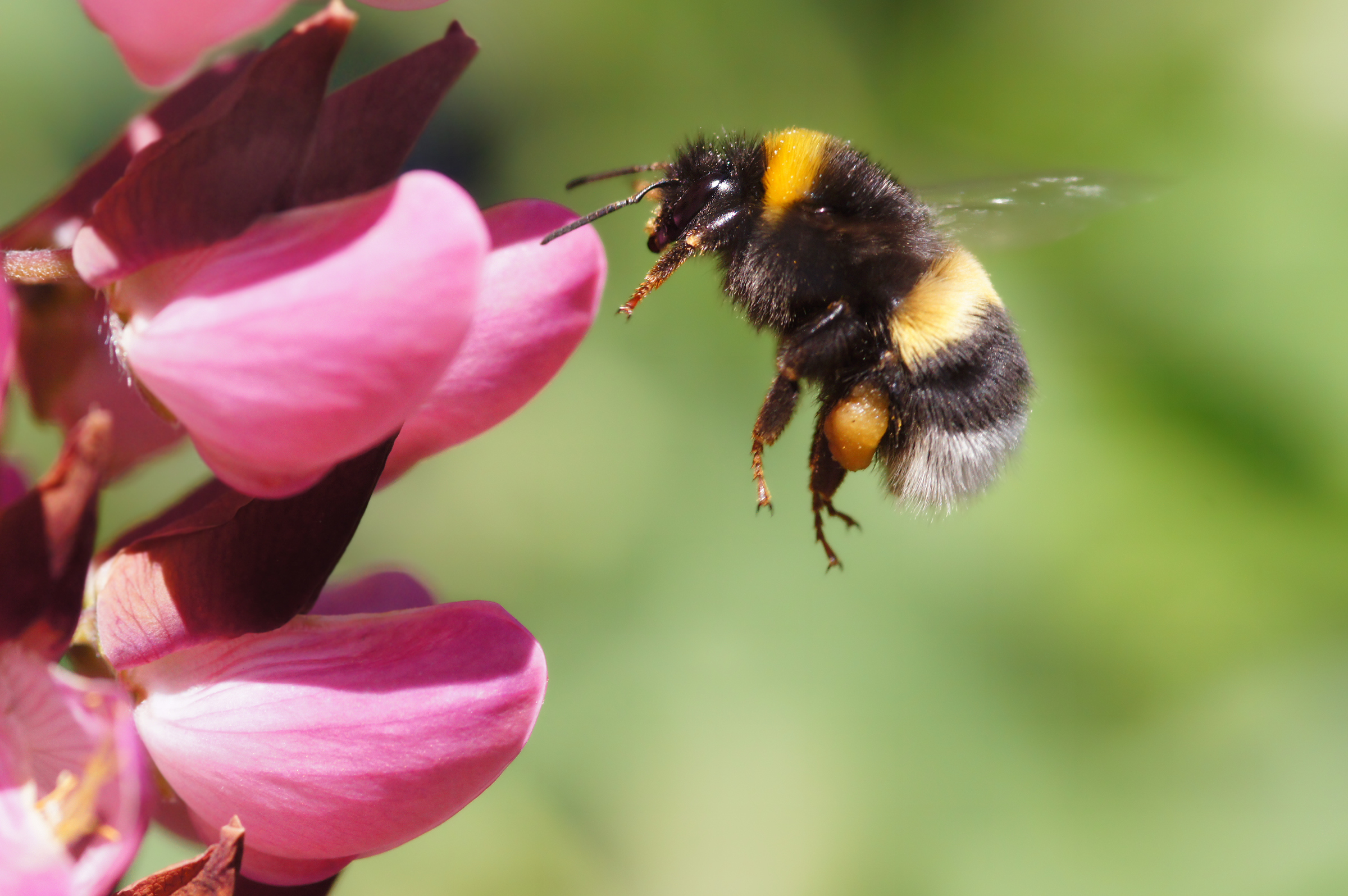
You may have noticed a bit of a buzz in your garden during the sunny spells – between the hail and snow! And having had the doors and windows open in the cottage, I have even had a bit of a buzz indoors – the low level sort of hum that indicate a busy bee – a big busy bumblebee. These large bumblebees are buzzing about slowly and deliberately, and seem to be searching for something – a bit like a Mountain Rescue helicopter.
They are indeed preoccupied with looking for a new home. These ‘founding queens’ are the sole survivors of last year’s colonies, and have spent the winter in a safe dry space. They are now looking for somewhere to build a new home.
Preferred nest sites will depend on the bumblebee species. The more common species prefer to go underground and a desirable ‘des res’ is often an old moss-lined mouse-nest at the base of a hedge or tufty grass.
Some prefer to nest above ground in dry, dark cavities and will make nests in bird boxes, in trees and even lofts and attics.
If you find a big bumblebee in your house please open a window so it can leave of it’s own accord, or remove it gently. My nan always used to say that a bumblebee in the house meant that you would have a visitor – but that was before lockdown rules of course.
Identifying bumblebees can be fairly easy, although they do vary and male bumblebees often have different markings from workers and queens.
The Bumblebee Conservation website has a comprehensive guide to identifying common species of bumblebee and lots of interesting facts and advice, especially if you find a nest later in the year. I still prefer to use books for identifying things, and I like the Bumblebee ID cards that they sell.
I love the fact that some of the bumblebees are called by the colour of their bottoms – the white-bottomed (or ‘tailed’) bumblebee and the red-bottomed bumblebee, for example. And then for identification purposes they are split into ‘social bumblebees’ and ‘cuckoo bumblebees’. The social group is self-explanatory but the cuckoo group, like the bird it is named after, lays its eggs in another bumblebee’s nest and leaves the workers of that nest to rear the young as their own.
I find it all bee-autifully fascinating.
Silence of the Lamb
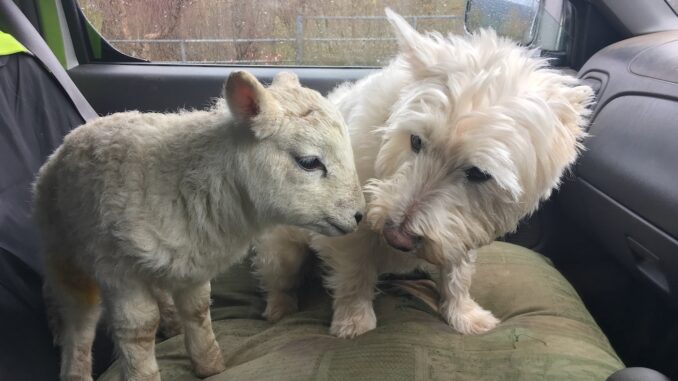
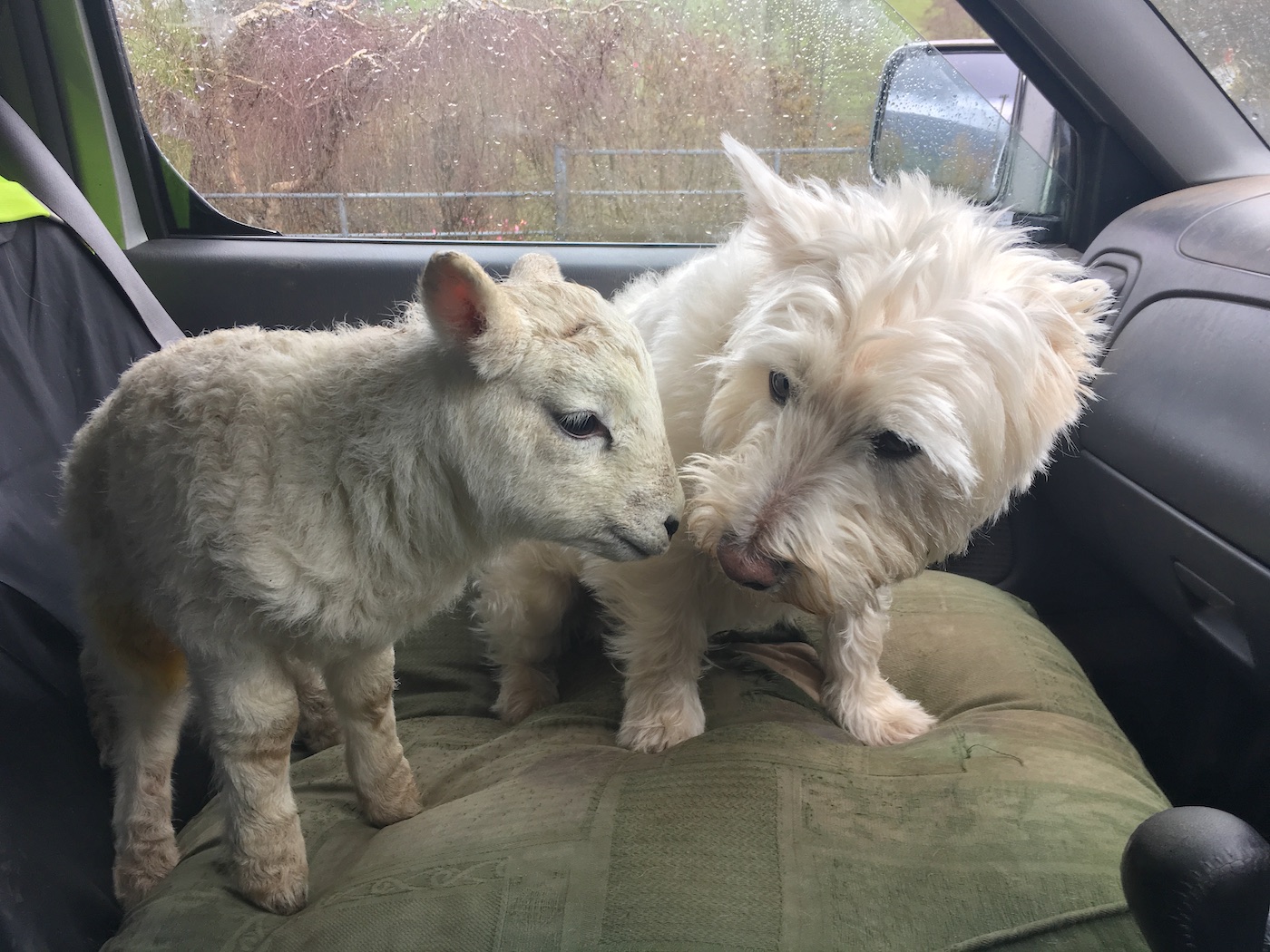 Yogi and I had a bit of an adventure last week when we spotted a little lamb that had been left behind in a field when the sheep and their lambs had been moved to another paddock. It’s hard to understand how he got left behind, as the ewes are usually so attentive to their young, but apparently if a ewe has twins, she occasionally forgets one of them.
We took this healthy little fella straight back to the farmer, and the lamb and forgetful mother were reunited successfully. Judging by the noise he made, I’m not sure she didn’t leave him behind on purpose. Yogi didn’t mind giving him a lift but was glad to see him being dropped off – I think she was a bit worried he was coming home with us.
Happy Place
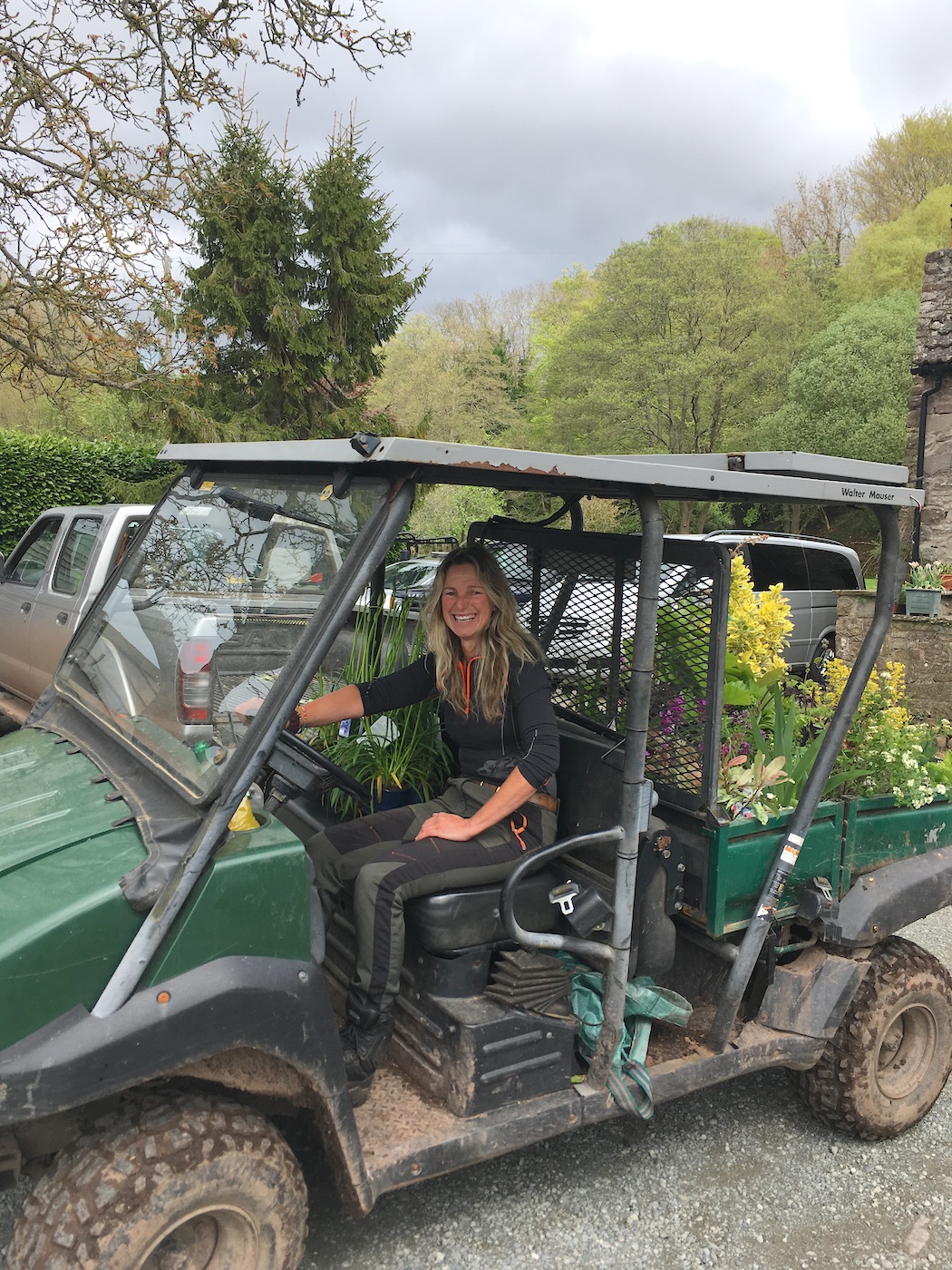 It’s lovely to have the garden centres open again.
Let’s face it, it is the best therapy ever.
Just look at the smile on my face!
Leave a Reply