
Taken from Lynne’s weekly column ‘Green Scene’ for the Western Mail
12th September 2020

Fried Green Tomatoes
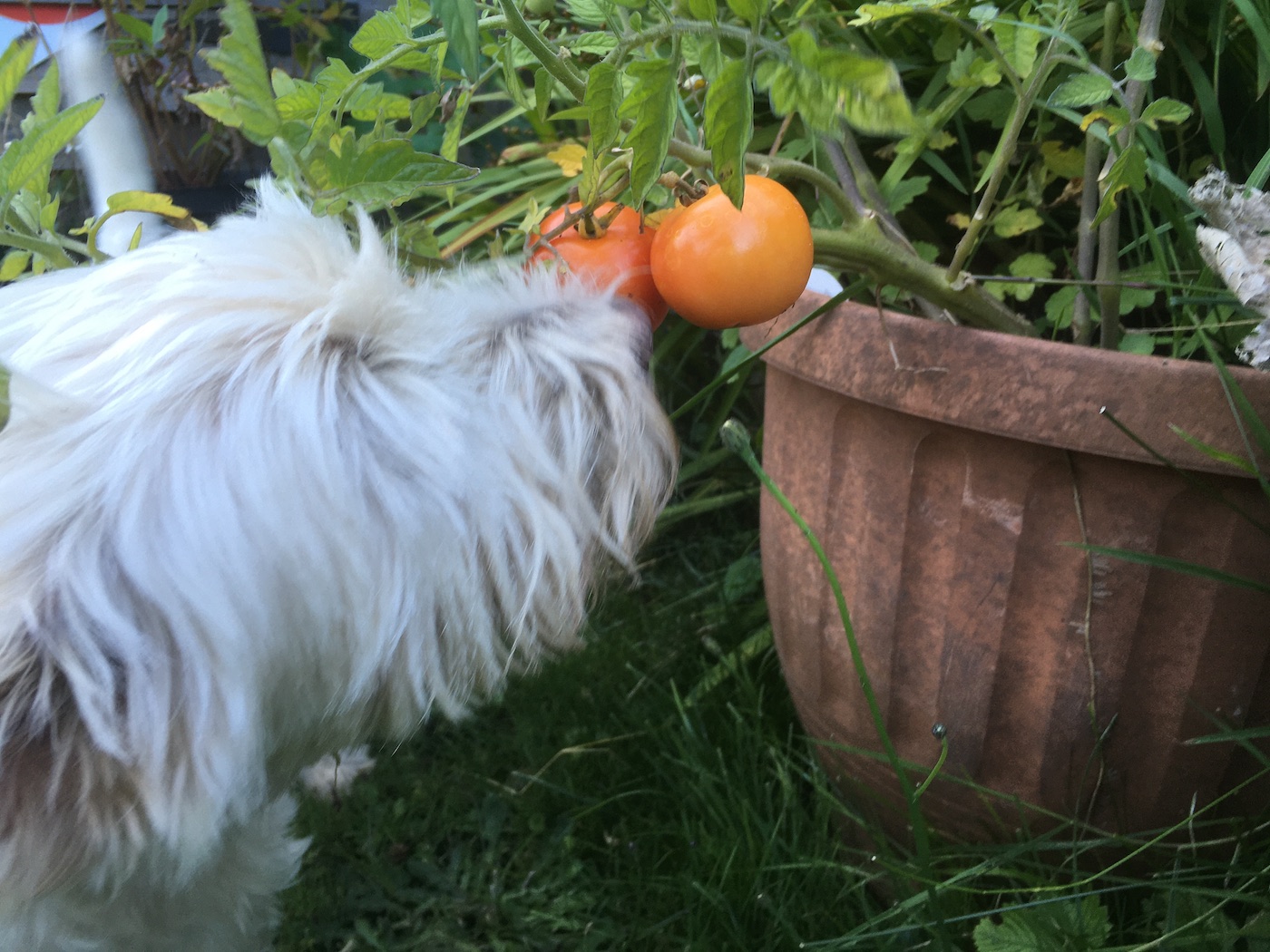 Well, I’m glad to be able to share that I am at last enjoying the fruits of my tomato plants – and beating the rabbits to the lovely, sweet, ripe toms. I do, however, have a serious amount of green ones that look a bit sulky and reluctant to ripen. There is time yet, but I have my doubts.
Some varieties will just mature (and therefore ripen) faster than others, and weirdly tomatoes won’t turn red if it’s too hot (above 85F – probably not a problem in Wales) or too cold (below 50F). Also, as tomato plants mature through the summer, they can become huge and overgrown. When that happens, they tend to spend most of their energy on growing leaves and flowers, rather than ripening tomatoes.
You can try a few ‘last ditch’ tricks to ripen your reluctant tomatoes. If your plant is huge and full of healthy green leaves, you can trim off a lot of the vigorous growth to allow it to put more energy into ripening the fruit. Although it goes against the grain, removing the really tiny tomatoes will also mean the plant can focus on ripening the larger green tomatoes, instead of trying to develop the baby green ones.
Green tomatoes are not poisonous (green potatoes are). They are actually a very good source of vitamins A and C and potassium, although they can be can be more acidic than ripe tomatoes.

I always recommend, rather than hurling the green tomatoes onto the compost heap, you recycle them into green tomato chutney or make fried green tomatoes. If you choose the latter, don’t just slice and fry them as I used to do, they are much nicer if you dust the slices in a little flour, then dip in beaten egg and then coat in polenta. I suppose you could use breadcrumbs, I haven’t tried that. Then just fry in a shallow frying pan. They’re great with garlic mayo.
This year a client shared another recipe with me, for green tomato jam. Apparently it is delicious and simple to make, so I know what I’ll be doing with my tomatoes that refuse to ripen.
You’ll need 1kg green tomatoes, 750g jam sugar and the juice of 2 lemons.
Wash the green tomatoes, remove the ‘core’, add to boiling water for 40 seconds, and peel when cool. Cut into quarters (you might want to remove the core at this stage rather than earlier). Mix them with the sugar and lemon in a large heavy bottomed saucepan and put to one side for 12 hours, or overnight.
The next day, cook the jam on low heat, stirring continuously to stop it from sticking. You can begin testing for ‘setting point’ after 6 minutes (place a teaspoon of jam onto a cold plate, leave a few seconds, push the jam with a finger, and if the surface wrinkles, setting point has been reached). Don’t panic if that doesn’t happen – it may take up to 30 minutes to reach setting point. Just test every few minutes as necessary. Fill sterilised jars with the hot jam, clean the edges of the jars and seal.
I have seen other recipes, which include ginger and/or honey, raspberries or strawberries and even hot spices. And as well as making a great ‘traditional jam’ – for toast, it is apparently also good on buttered cabbage and even in pasta.
I hope some of my tomatoes do stay green now so I can try these recipes out.
Pure Gold
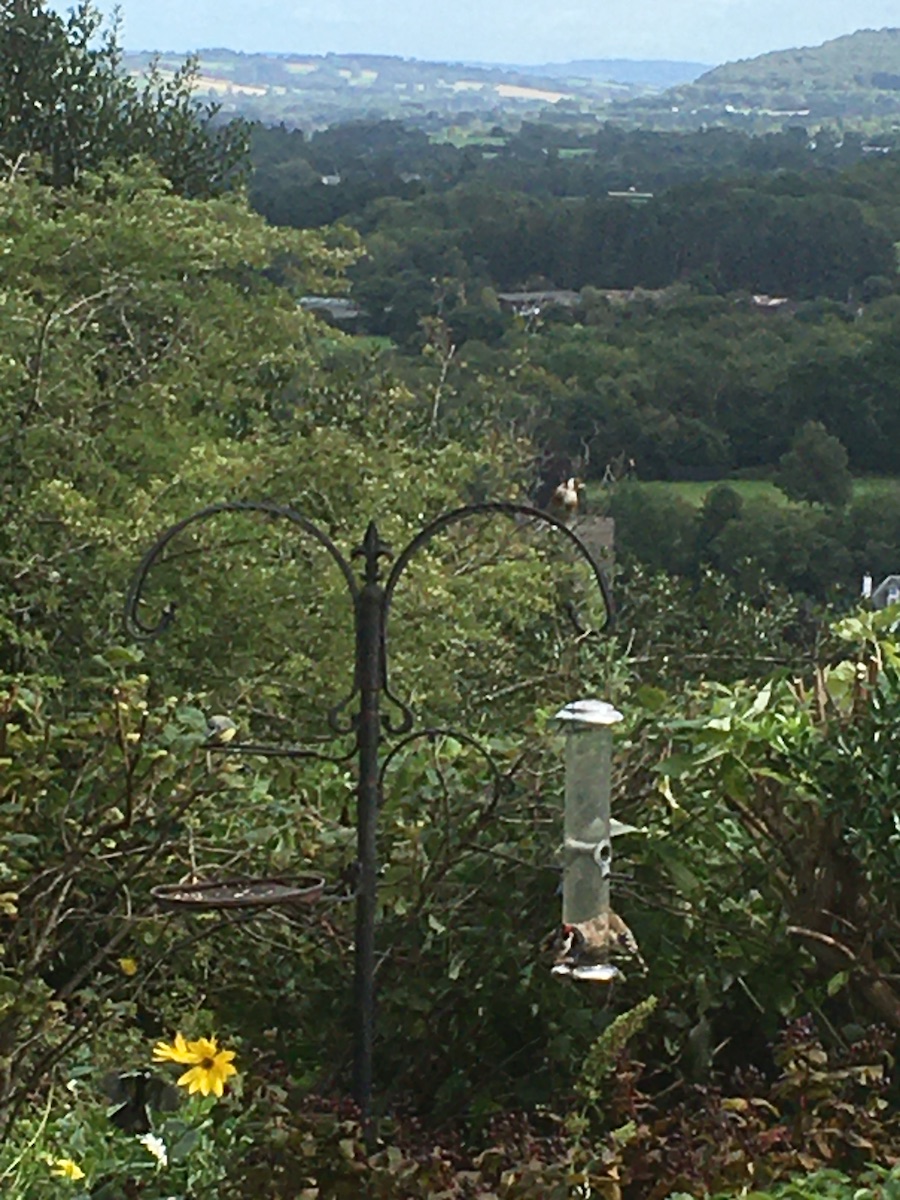 I have been lucky enough to have a flock of goldfinches visiting my garden during the last week. I have been putting sunflower hearts out for them and they are turning up in their droves. They are the most beautiful little birds, as are the blue tits, sparrows and long-tailed tits (which my brother calls Lollipop birds) which also vie for a place at the feeder.
The RSPB is asking people early to prepare for the Big Garden Birdwatch, on the weekend of 29-31 January 2021. In it’s 44th year, the world’s largest garden wildlife survey returns, encouraging people to record and submit a log of the birds they see in their garden. In 2020, nearly half a million people took part, counting almost eight million birds over a three-day period.
As the RSPB reports, ‘For many people, garden birds provide an important connection to nature and bring joy and comfort, as well as being vital for our mental health and wellbeing’.
I think they have been nature’s feathered therapists for a lot of us during this crazy year.
What a Blighter
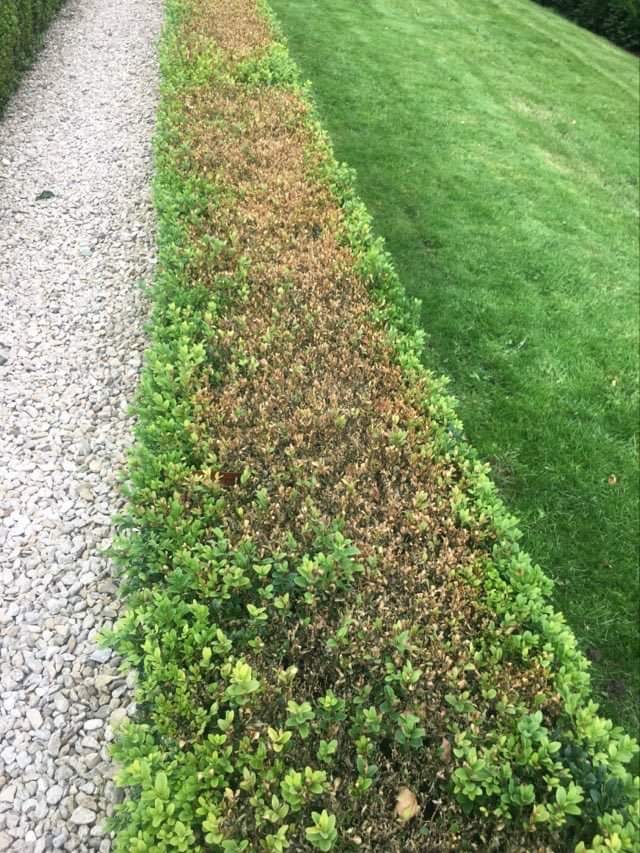 It has been a good year for box blight (that’s a bad year from the gardener’s perspective, of course), as the disease thrives in warm, damp conditions. It has also become more prevalent over the last few years, maybe as our summers have become more humid.
One of two fungal infections (with ridiculously long names) is usually responsible for turning the leaves brown or bronze (sometime greyish/pink) and causing the stems to die back. The sooner you remove and destroy all the infected plant material, the more chance you stand of saving your box hedge, balls, cones, cubes or other topiary.
Hard prune, to remove all the dead bits. If you catch the disease reasonably early it may well be possible to reduce your hedges by about half. Choose a dry day, and make sure you remove all the trimmings and fallen leaves to the bin or bonfire, (not the compost heap). It pays to cut back further than you think, as the infection can lurk in apparently healthy wood. Be brave, they will (almost definitely) grow back!
It would be best to remove a shallow layer of topsoil from immediately around the base of the hedge too, as this is where the fungal spores lay in wait. Replace with a bit of mulch and give the hedge a moderate feed to encourage regrowth.
If the blight has really got a hold (like the photo), prune back to about 6 “ or even to the stumps. Although blight wreaks havoc with the leaves and stems, it doesn’t kill the roots. Re-growth will start in just a few weeks as there is still a strong root system and the ground is warm.
Always rinse all the tools and gloves you use in a mild bleach solution or disinfectant to avoid cross contamination and try secateurs before the spade – as my clients will know, I am all in favour of giving plants a chance or ‘the benefit of the doubt’.
Leave a Reply