

Taken from Lynne’s weekly column ‘Green Scene’ for the Western Mail
8th June 2024

Etymology Dear Watson
 It has been a great year for rhododendrons and azaleas as they have bloomed their little hearts out. Considering all the rain we have had it is a little ironic that ‘borrowed’ from the Greek language, azalea literally means “dry, parched, or withered.” Apparently this flowering shrub was given its name because of its ability to thrive in a dry climate. If this spring has been anything to go by, they don’t mind a wet one either.
I have always been fascinated by the origins of plant names and spent many a happy and educational hour in work with Dad learning the descriptive Latin names from plants trees and shrubs – Magnolia stellata, for example has star like flowers – stellata meaning star-like. Whilst some are almost obvious there are of course those that aren’t. Take carnations – and have a wild guess where their name derives from … I’m sure you weren’t even close – I wasn’t. The word carnation actually comes from the Old Italian word ‘carnagione’. With carne meaning ‘flesh’, it is related to words like carnage and carnivore. You may still wonder what the connection between flesh and a fluffy carnation is – apparently it’s because of the ‘fleshy colours’ of some varieties.
Daisy comes from Old English dægesēage, from dæg meaning ‘day’ and ēage meaning ‘eye. Supposedly because the flower opens or ‘wakes’ in the morning and closes or ‘sleeps’ at night and the ray-like appearance of the daisy, as it wakes and sleeps with the sun is similar to an eye that opens in the morning and closes at night.
Fern comes from the Old English ‘fearn’, which is related to a Sanskrit word ‘parṇa’ meaning ‘wing’, probably due to the shape of its fronds.
The hydrangea gets its name not from the shape of its flowers or leaves, but from the shape of its seed pods. Taken from Greek hydr- meaning ‘water’ and angeîon meaning ‘vessel or container’, the name refers to the cup-like capsules that hold its seeds.
The pretty petunia with its trumpet shaped flowers gets its name from the Tupi word ‘petí̵ma’, which means ‘tobacco’. While petunias are popular for their blooms, and the tobacco plant is grown for its leaves, the two plants are still botanically closely related.
And whilst borrowed from Latin, the word ‘Iris’ translates to ‘rainbow’ in the Greek language and refers to the flower and the coloured part of the eye.
Take a Fence
 I know a lot of women get excited about shoes and handbags, but not me – in stark contrast, the one thing that I completely coveted this week was a cleft chestnut post and rail fence.
Two railed and with mortised posts, it is a thing of absolute both beauty and craftsmanship – as you can see in the photos.
For more details on supply and installation you can call contractor Steve Morris on 07970 481169.
Tick Tok
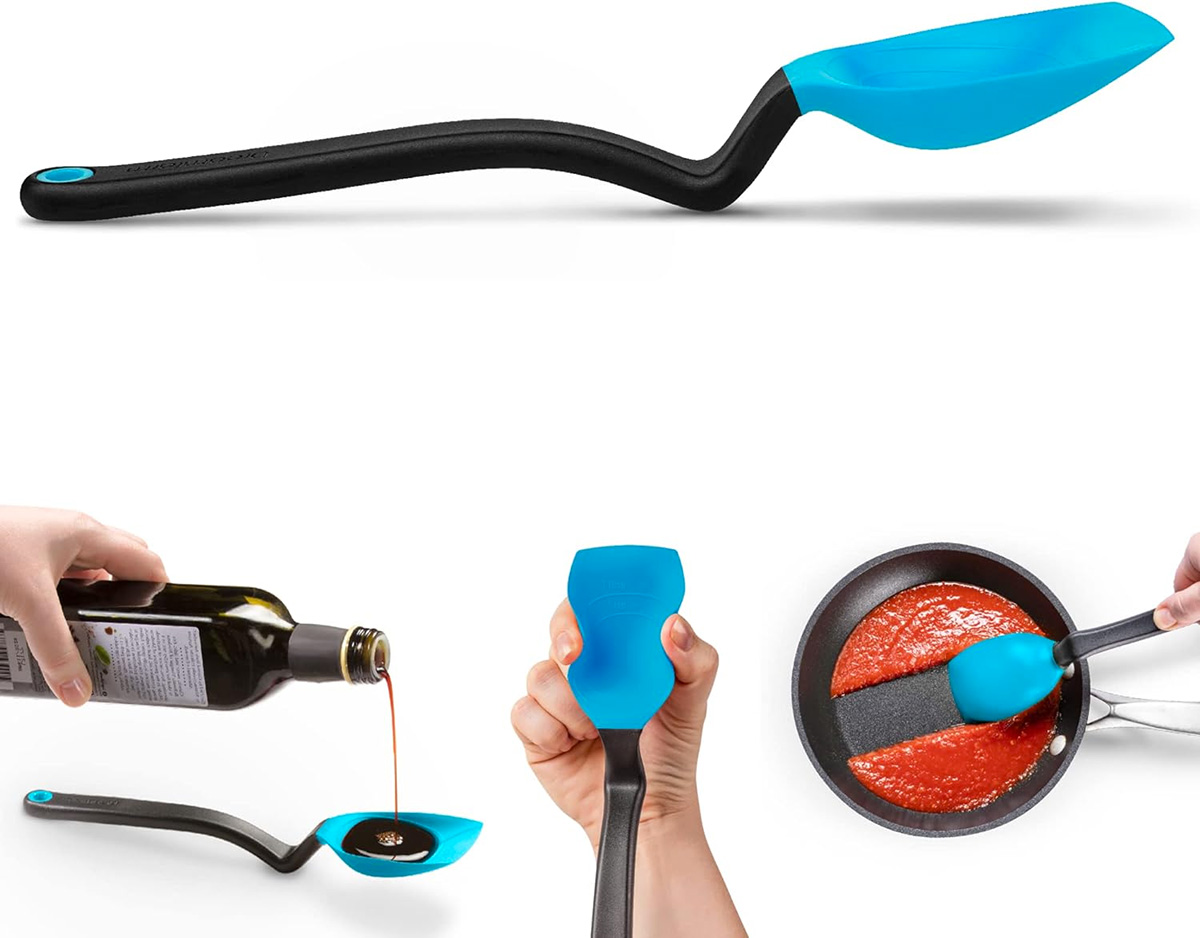 I recently read a survey listing ‘25 gadgets you can’t do without’. And whilst I can do without most of them – including a hot brush for ‘super-sleek-salon-looking hair’ and a melon baller, I do agree that a tick remover is a dog-parent’s best friend.
And gardener’s too. Having never ‘picked up a tick’ myself in over 50 years, last year I actually removed three from my arms and legs – thankfully two hadn’t yet got a foothold.
You should never just pull a tick off your own skin or your dogs because this would cause tick saliva to enter your or the dog’s body, increasing the risk of tick-induced allergies and disease. Hence a tick remover is a must if you are regularly working, or even walking, outdoors.
And I was also in agreement with the usefulness of a track or floor ‘bicycle’ pump – mainly for re-inflating wheelbarrow tyres. With a pressure gauge, they are much easier to use than the old-fashioned hand held pumps, although I must admit that even more ‘useful’ is a non-puncture wheelbarrow tyre.
And possibly the one gadget that I really wonder ‘who are the people who can’t do without it’ is the ‘supoon’. Described as ‘cross between a spoon and a spatula, but with a kink in the handle so that it ‘sits up’ and doesn’t get the counter or table dirty, supoon is short for a stand-up spoon’. I don’t think I’ll be buying one anytime soon but full marks to the person who managed to re-invent the spoon!
Weed ‘em and Weep
 Wetter than usual, warmer than usual – wet weather has resulted in huge numbers of slugs and snails. Using beer-traps, and putting planks on the ground to attract them overnight, and removing in the morning, seems to be the preferred methods of trying to keep numbers down. The best way I have ever witnessed was Duck Patrol at an organic nursery. Four characterful Indian Runner ducks were let into the veggie plot early every morning where they would have ‘slugs for breakfast’ before going back to their pen, full and contented.
Charles Dowding explains in his latest newsletter how No-Dig has been particularly useful in the recent months as the surface compost keeps the surface warmer by absorbing more infrared radiation – which it another good reason for heavily mulching beds and borders as well as veggie beds. He explains that weather stats can be misleading. Despite a grey May and rainfall 60% above average, the mean temperature was also above average because of warmer nights. But days were cooler and darker – with common cumulus clouds being darker than normal – and a definite lack of sunshine. Records show that in 10 years of recording radiation, or light levels, this spring has been the lowest by far.
As the soil has been continually damp (since last July more-or-less), it means that weeds can also germinate continually. So ‘keep weeding’ whatever your method – Charles is a fan of the hoe but I like to hand pull as much as I can. In a lot of the gardens I look after at the moment all I can do is ‘fire-fight’ as nature races into the lead. I am pulling nettles and bramble from shrubs, keeping the lawn edges neatly trimmed, staking and tying in and of course keeping the lawns mown – even if it is just mown paths. These few priorities will stop your plot looking neglected until nature ‘goes to seed’ and you can catch up.
Leave a Reply