
Taken from Lynne’s weekly column ‘Green Scene’ for the Western Mail. 11th February 2017

Doggy Day Out
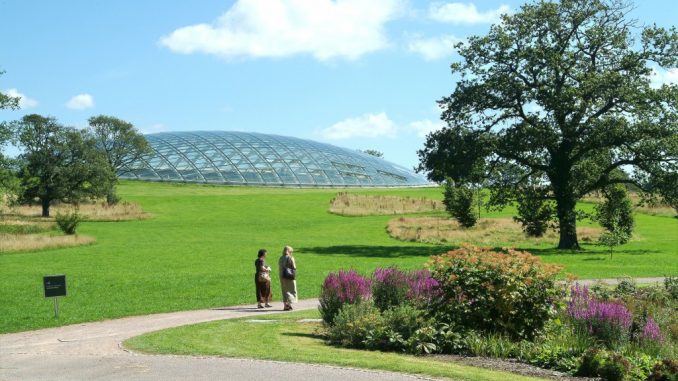
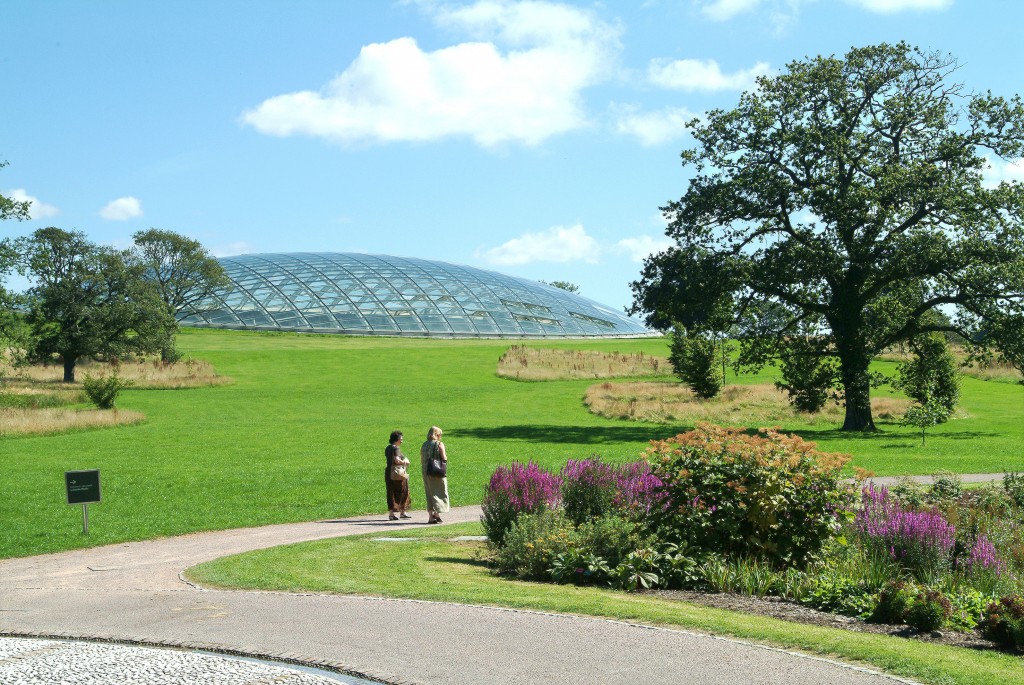 The National Botanical Garden of Wales have earmarked some special dates in their diary to allow devoted dog owners to take their four-legged friends around the wonderful Welsh gardens. Not surprisingly, it was a huge success last year and the beautiful grounds lend themselves to being accompanied by a canine companion.
So, on February 11 and 12, visitors will be able to bring their dogs with them to enjoy the whopping 568 acres – that’s a lot of sniffs!
In addition, every Monday is Doggy Day at the Garden, too. So, make a date in the ‘dog’s diary’ for February 6th, 13th, 20th and 27th.
Admission to the Garden is £9.75 (including Gift Aid) for adults and £4.95 for children over five. Entry is FREE for Garden members and parking is free for all. The Garden is open 10am to 4.30pm and last entry is at 3.30pm.
For more information about this or other events, visit their website call 01558 667149 or email info@gardenofwales.org.uk
Language of Flowers
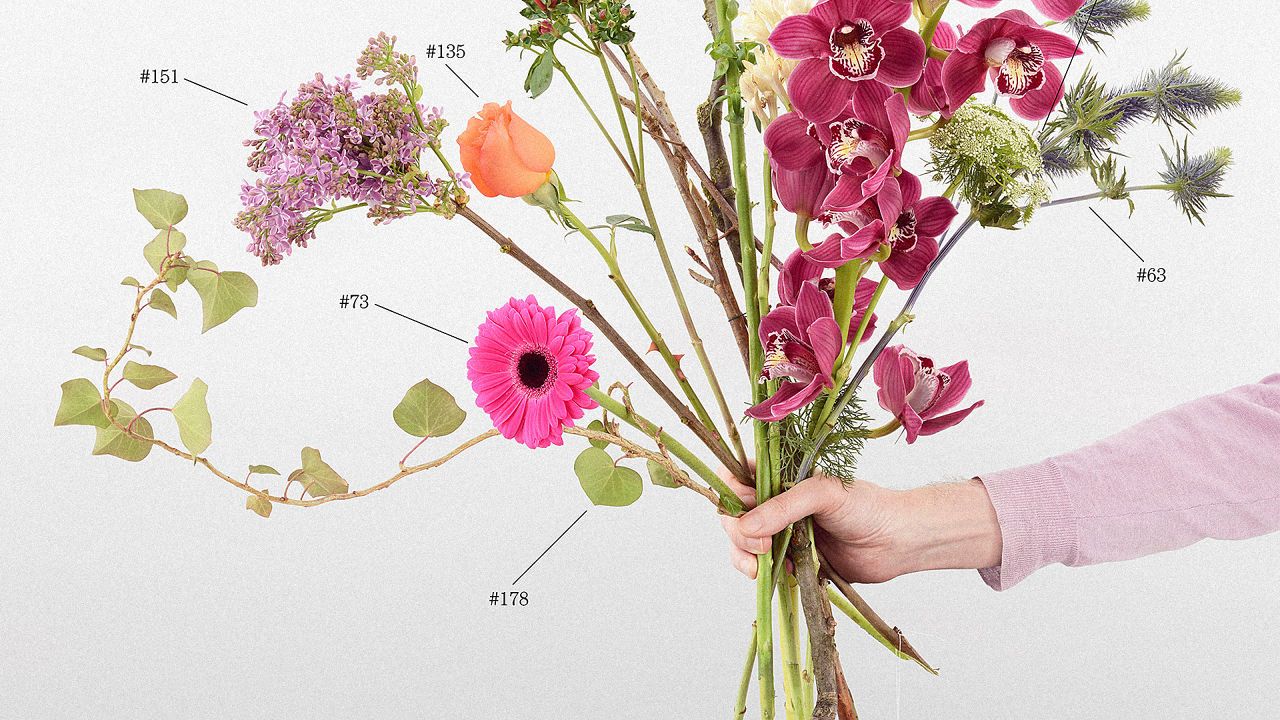 Meaning has been attributed to flowers for thousands of years, known as the ‘language of flowers’ floriography, and was (and still is – Kate Middleton chose her wedding flowers for their meaning) a means of cryptological communication through the use or arrangement of flowers.
It’s origin goes way back through the traditional cultures throughout Europe, Asia, and the Middle East but interest in floriography soared in Victorian England and in the United States during the 19th century. Gifts of blooms, plants, and specific floral arrangements were used to send a coded message to the recipient, allowing the sender to express feelings, which could not be spoken aloud in Victorian society.
Women studied floriology and more than 400 floral dictionaries flooded the market – the first “Language of Flowers’ was used in print in 1809 – as they were used to create and decipher, small “talking bouquets,” called nosegays or tussie-mussies, which could be worn or carried. Not only did flowers themselves have meaning, but their position was crucial too. Wearing a marigold in the hair expressed mental anguish while the same flower pinned to the bosom conveyed indifference.
We all recognise red roses as a demonstration of ‘I Love You’ but there are an amazing 650 additional flower meanings catalogued.
So if you are buying a special person flowers this Valentine’s Day, consider a few of the following:
- Daffodils – new beginnings.
- Freesia – friendship
- Gladioli – passion
- Iris – faith and wisdom
- Pink Lily – wealth and prosperity.
- Sunflower – happiness
- Red tulip – I love you
Some of the quirkier messages include:
- Cactus – endurance
- Grass – submission
- Fern – magic
And maybe think twice if you receive one of the following:
- Cyclamen – goodbye.
- Begonia – beware
- Orange lily – hatred
And not surprisingly, apparently a bunch of wilted flowers conveys the message, ‘rejected love’ – although, personally, I think it says a bit more than that!
Feed the Bees
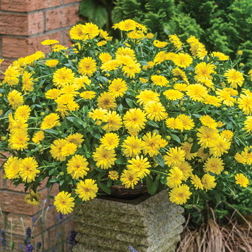 After noticing that I had a rather beautiful yellow daisy courageously continuing to flower throughout the winter, I was interested to read a press release form Thompson & Morgan which claimed the ‘Power Daisy’, could help bees survive the winter months. On the horticultural mail order company’s website, it states that the Power Daisy flowers from June through to October. However, other gardener’s have noticed the daisy flowering constantly since July and were noticing, in the milder winter days, bees were visiting the flowers.
In harsh winters very few honey bees venture out of the hive and only to relieve themselves but the recent winter has definitely been milder, which has resulted in honey bees being out and about on the warmer days. As well as the ‘Power Daisy’, there are other plants that will provide food for early foragers and well as winter interest in the garden.
- Power Daisy (obviously!)
- Mahonia
- Winter-flowering clematis
- Perennial wallflower, such as Erysimum ‘Bowles Mauve’
And of course early-flowering spring varieties such as primrose, crocus and snowdrops, give bees and other pollinators a much-needed source of food before spring really gets going. One of my favourite early spring sights is watching my honey bees reversing out of a pure white snowdrop head with their pollen baskets full of bright orange pollen!
It’s food for them but also food for my soul!
Leave a Reply