
Taken from Lynne’s weekly column ‘Green Scene’ for the Western Mail
15th August 2020

Chinese Give Away
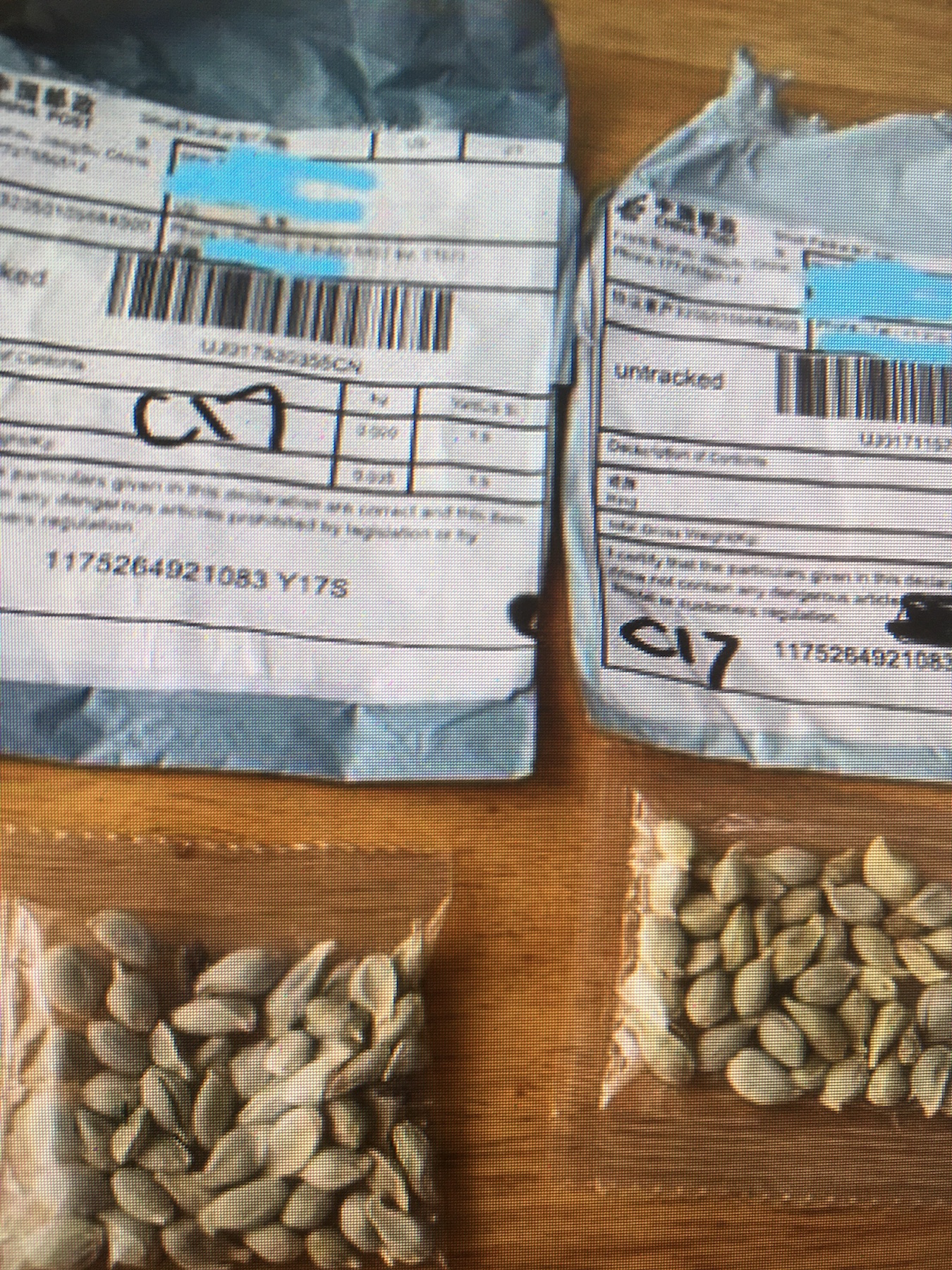
A few readers have contacted me to tell me they have received seeds from China, which they haven’t ordered and are not sure what to do with. Don’t worry – you are not alone!
It seems that half of America have received free seeds from the Far East, and they are also turning up throughout Europe. Reports of UK deliveries are relatively conservative – it is thought about 100 homes have received them – but judging by the emails I’ve had, I think it is far more common than is being reported.
The packages often have Chinese writing on them and are labelled as containing earrings or jewellery, which probably means that they avoid biosecurity checks or charges. The seeds are both unexpected and unordered.
One theory is that the packages might be related to a ‘brushing scam’ – a ruse sometimes used by online sellers as a way of boosting their own business. The scam involves people sending unsolicited items to people via fake customer accounts, thus generating a transaction, which allows them to leave a positive review on their websites, potentially boosting their business.
The United States Department of Agriculture has said that following investigations on some of the seeds received, they included seeds for mint, sage, cabbage, mustard, rosemary and lavender as well as hibiscus and roses. One recipient sowed theirs to see what they were, and reported squash like fruits.
But before you get excited by your freebie seeds, it is important that the unsolicited seeds aren’t sown, as some could well belong to invasive species, which could threaten our native plant life. Similarly, it is also important not to compost the seeds, or throw them away, as they may be carrying plant pests or diseases that are a risk to home-grown crops or the environment.
In the UK, the Animal and Plant Health Agency (Apha) of the Department for Environment, Food and Rural Affairs has issued the following advice. “Biosecurity is of vital importance and we have robust checks in place to protect our plants and wildlife, including for online plant sales. We are currently investigating packages of seeds marked as ‘ear studs’ sent to people in the UK. Anyone who has received such seeds should email PlantHealth.Info@apha.gov.uk.”
One reader told me that her very savvy young grandchild had told her, “You mustn’t sow them Nanny – you might be growing c’rona.”
Out of the mouths of babes …
Collect Your Own
 Collecting seeds from your own herbaceous plants is a great way of increasing stock and spreading your favourite plants around your garden. Whenever I cut back the tall foxglove spikes, I always shake the seed out into another part of the garden where I want to encourage them to grow.
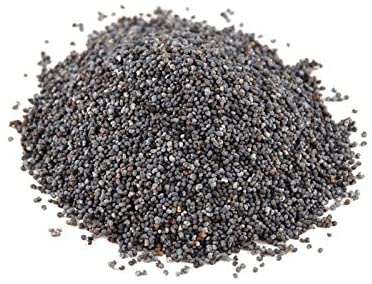
Similarly with granny bonnets and poppy seedheads – just shake them, like little pepper pots, into beds or borders that you want to fill up. Or you can shake the seedheads into paper bags and transfer to little envelopes to give as gifts. I love adding a little envelope of my cottage garden seeds to a birthday or Christmas card.
Last week I collected allium seed and will do the same with the phlox and rudbeckia as they go to seed too. Collect on a dry day, when you see the pods or seedheads are ready. You can also cut the whole seedhead and leave to dry on a drying rack before shaking into a bag.
Some seed heads will be much appreciated by the birds too. Sunflowers are the obvious ones but I always grow teasels in my own garden too, for the little goldcrests, which adore them.
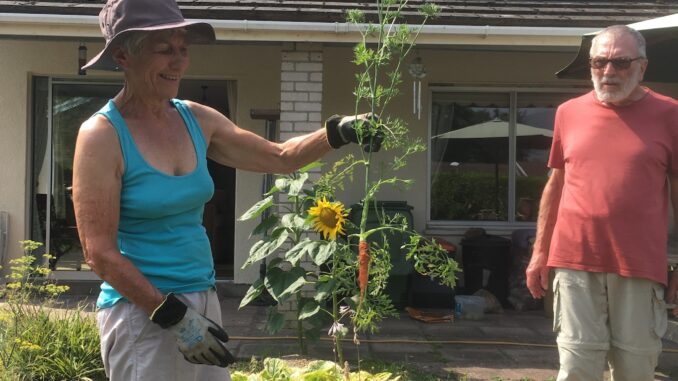
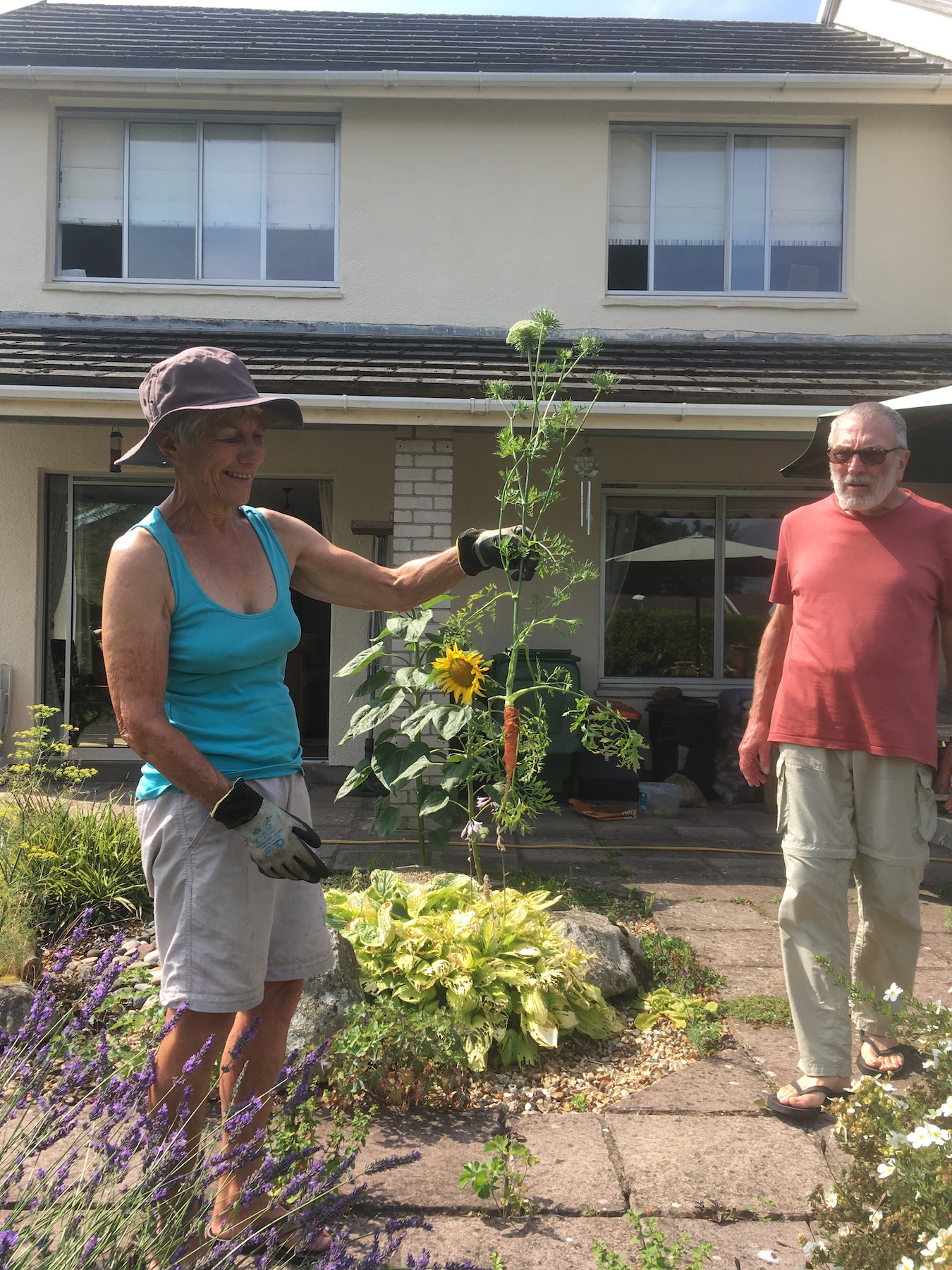
And don’t be afraid to experiment – it’s all free seed and you might be surprised what you get. Mici and Tony found this rather lovely and unexpected seedhead on top of a carrot in their veggie bed and the sunflowers behind them grew from bird seed discarded from the bird table. As Mici said, “I watched a bee pollinating the sunflower that grew from seed I had put out for the birds and will in turn become more food for them, and thought that really is the circle of life.”
It is a beautiful circle. Nature will never cease to amaze, teach – and impress – me.
Hardy Advice
 I have been working for a new client recently and I am impressed by her ruthlessness in the garden. She puts it down to her age – a young 78 – and says that she has learned that you have to be in charge of the garden and what is allowed to grow and where.
Last week I watched nervously as she showed no mercy to a patch of lambs ears (Stachys) that had begun to creep beyond it’s boundaries, and she is quick to remove fading flower heads to stop them self seeding. It does make for neater more orderly flowerbeds and also helps the plant to conserve the energy it would normally put into producing seed.
She laughed as she explained, “I used to be much more sympathetic in the garden and would let plants do their own thing a bit more. Perhaps it’s my age, but now I hate to see things flagging. We tend to think plants will take care of themselves, and of course they will, but why let them when you can help them do better?”
Words of wisdom from the opposite end of the age spectrum to my friend’s grandchild.
Dai the Dragon
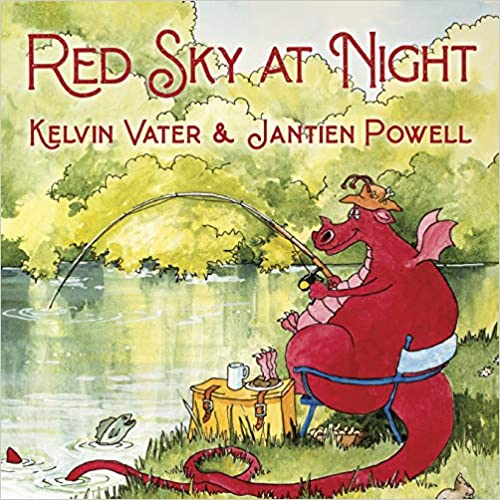 I love ‘good news lock down stories’ and was so chuffed to hear that my art teacher (that sounds very grand, but if you remember, I absolutely loved my evening art courses last year) has collaborated with a fellow creative and compiled a children’s book called Red Sky at Night Dragon Tales.
Jantien Powell teaches a wide variety of art classes at Chapel Cottage Studio near Abergavenny, and with fellow ‘Abergavennyian’, Kelvin Vater, they have made their first foray into illustrating and writing respectively.
Red Sky at Night Dragon Tales tell of Dai the friendly dragon, who flies around Wales telling of his adventures in dragon rhyming tales. For example, he shares with us that:
Dragons like to go to work
Especially where it’s hot
What they enjoy the most
Is the local baker’s shop
They work next to the ovens
And it will come as no surprise
That when they breathe their fiery breath
It helps the dough to rise.
Available from all good bookstores and online, and priced at just £7.99. (Ooh I’m a poet and I didn’t know it).
Leave a Reply