
Taken from Lynne’s weekly column ‘Green Scene’ for the Western Mail
15th January 2022
 Best Bud-dies
I always use the winter months to brush up my skills in identifying trees and shrubs without the help of their easily identifiable green ‘costumes’. There are obviously less clues ‘sans leaves’, but all trees have a certain ‘outline’ when naked and their bark, branches and buds will always give away their identity – if you know what to look for.
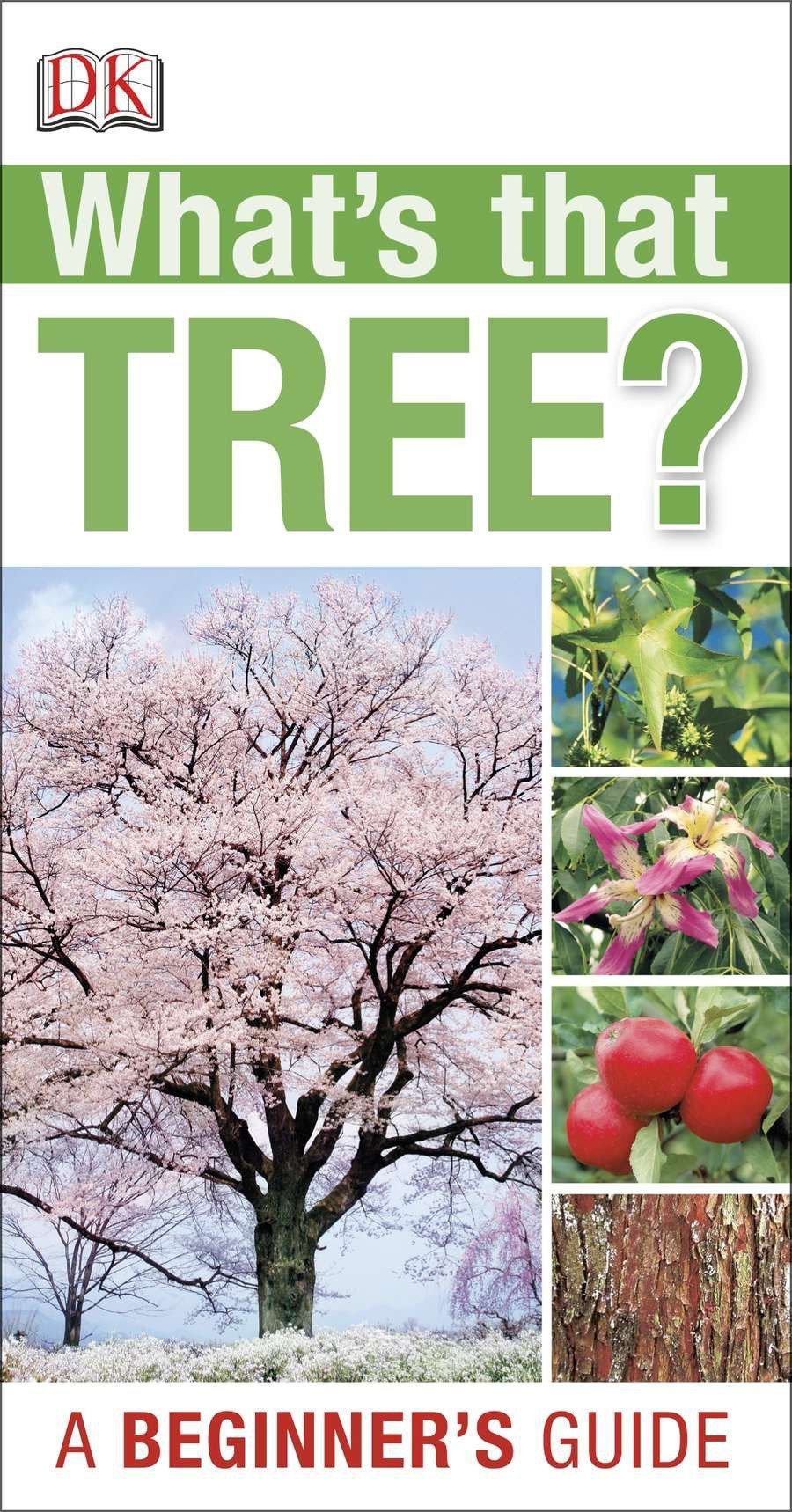
There are some great little ID books available to help you out, small enough to fit in your pocket or a rucksack, and I encourage people to carry one with them on a walk. ‘What’s That Tree’ is one of a lovely series of pocket guides claiming to be ‘The simplest ID books ever.‘ Other books in the DK series include ‘What’s That Flower?’, ‘What’s that Butterfly?’ and ‘What’s That Bird?’ They are very easy to use.
Taking more notice of the buds at this time of year, I am reminded how many of the terminal buds look like dogs paws (have a look at the Walnut terminal buds). The very tip of an Ash branch often looks like a paw or hoof and the end of a Fig twig looks like a rabbits foot.
Maybe nature took her inspiration from animal’s feet – or maybe I just want her to have.
Nuts About Wildlife
 Recently I just managed to save a sparrow literally from the clutches of a ‘hangry’ (hungry and angry) sparrow hawk. It reluctantly dropped the sparrow, which fell to the ground looking very dead. I picked it up and sort of rearranged its floppy body in my hand, smoothed its feathers, and it shook itself and flew away. It was actually on New Year’s Day and a lovely, and hopefully auspicious, start to the 2022.
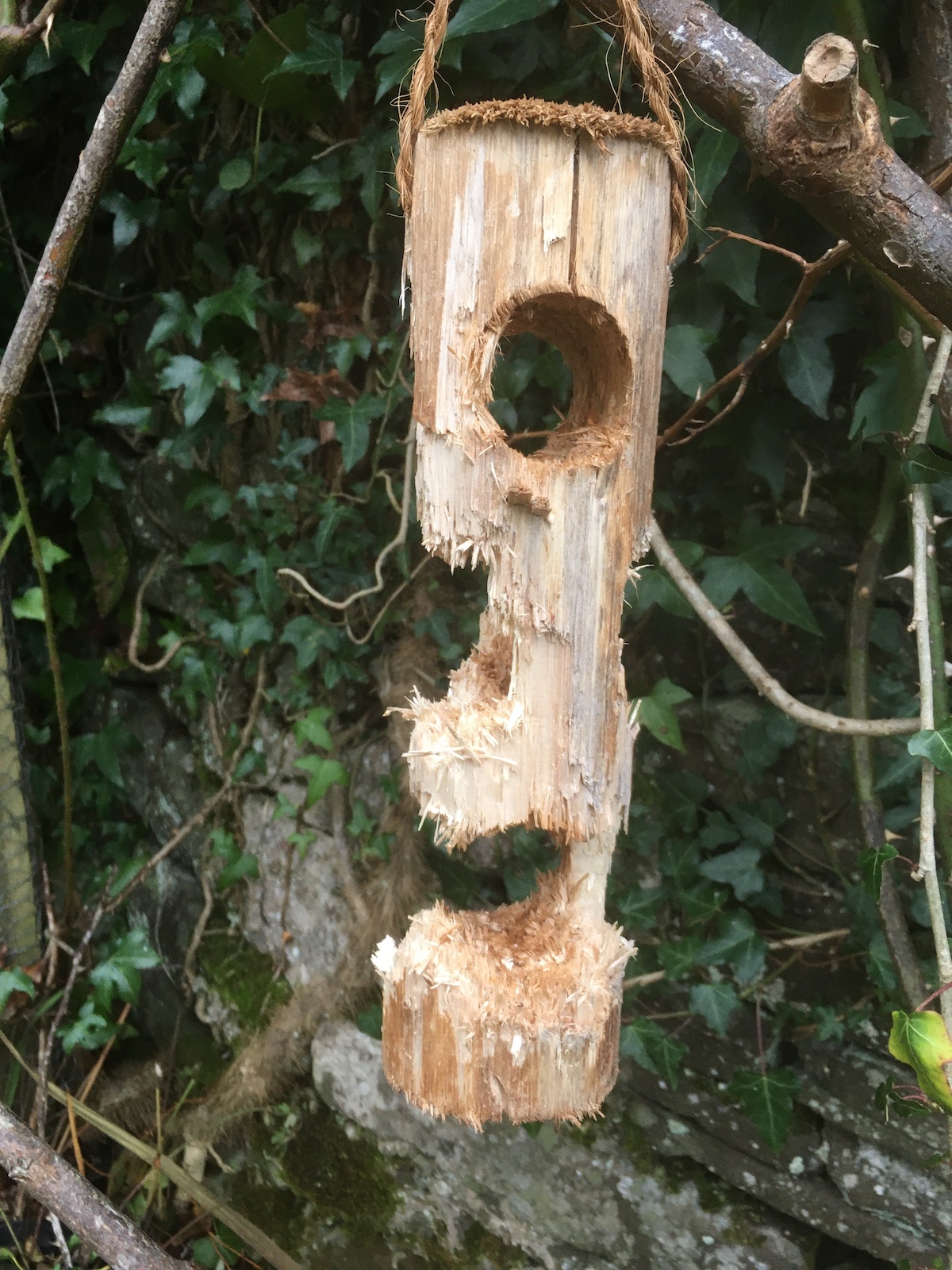
As a result of that rescue, I moved the bird feeder to a sheltered spot where the sparrow hawk couldn’t access it, only to find the next day that it had been totally trashed. I had drilled some large holes into an old piece of wood and squished it full of suet and seeds, so admittedly it was fairly rustic. But it was still a bit disconcerting to see that the perpetrator had not only trashed it but left it looking ominously like a skull – it felt like some sort of feathered Mafia warning.
It was obviously not the work of my appreciative little song birds but instead a big, fat, belligerent resident squirrel – I wonder if he is the sparrow hawk’s henchman (yes, this is how my mind works). It is a constant juggling act between caring for and saving wildlife whilst also trying to avoid wanton acts of destruction or murder happening on my watch. Obviously I intend to keep feeding my little feathered friends but I don’t want to be luring them to ‘death by sparrow hawk’.
These multi-taloned, hunting machines need a good clear entry and exit path as they swoop in at alarming speeds, so having the feeders out in the open left the song birds vulnerable. Yet having the feeders in a safer, spot with more cover meant that Cyril the Squirrel was eating more than the birds. I have used the squirrel-proof feeders – successfully – for the last few months but it seems that ‘Cyril’ has worked out how to get food out of those now too.
I can’t tell you how much thinking time was dedicated to this conundrum but finally I think I have remedied it.
I have put the nut feeders back on to a metal feeding station in a area that the sparrow hawk can’t access and wiped the whole metal stand with Jeyes Fluid to deter Cyril. I was going to use WD40 but couldn’t find it – apparently squirrels don’t like the smell of that either.
So far – one week in – no squirrel issues. He’s still about – I can hear him giving Yogi verbal abuse from the safety of an old apple tree but so far, he seems to be repulsed by the Jeyes Fluid. Obviously I will have to repeat the applications regularly, but just for a little while, I might actually be ‘ahead of the game’.
Lost (for) Words

I recall reading a few years ago that a survey had revealed most young children can identify big brand logos more successfully than birds, trees and flowers. Chatting to Bill Bailey, he was adamant that if people know the name of something they are more likely to treat it with respect – there is subconscious connection. It’s an interesting concept.
I was lucky when growing up, Dad always referred to trees specifically – it would never be ‘that tree’ but that Oak, chestnut, mountain ash or whatever it was, and then he would get me to tell him the Latin name for it. Great fun and by far the best way to learn. Apart from the fact that for years he let me think that Poplars were Populars. The funny thing is that for years I didn’t know any different, then I was mortified and ridiculously embarrassed when corrected by a.n. other adult and now I fondly refer to them as Populars deliberately, with a grin, a nod to Dad and the emphasis on the ‘u’.
In 2007 during revisions to a new edition of the Oxford Junior Dictionary, someone, or perhaps a ‘committee’, thought it would be a good idea to drop 50 everyday nature words like acorn, bluebell and kingfisher, moss, and conker. Interestingly, and ironically, probably because of the increased reach of social media, it has been far more widely reported of late than at the time. Apparently these words were no longer used enough by children to merit inclusion. Instead they were replaced by words used more often, like cut and paste, broadband, voicemail and celebrity.
Fascinated and concerned by these changes, author and mountain climber Dr Robert Macfarlane began to wonder about the relationship between childhood and the living world. The result was a compilation of a beautiful book, ‘Lost Words’, which reminds us of the magic of nature and aims to help children reconnect with the natural world. It works for adults too.
 Lost Words is stunningly illustrated by author and artist Jackie Morris, who lives and works in a small cottage on the Welsh coast. Her own website has the introduction, “ The balance of life as an artist and writer living and working in Wales: or, how to ignore housework.”
Enticingly described as a ‘book of spells’, Lost Words aims to revive the near-lost magic of the nature that surrounds us and was shortlisted in 2017 as one of Britain’s favourite books of all time on the natural world.
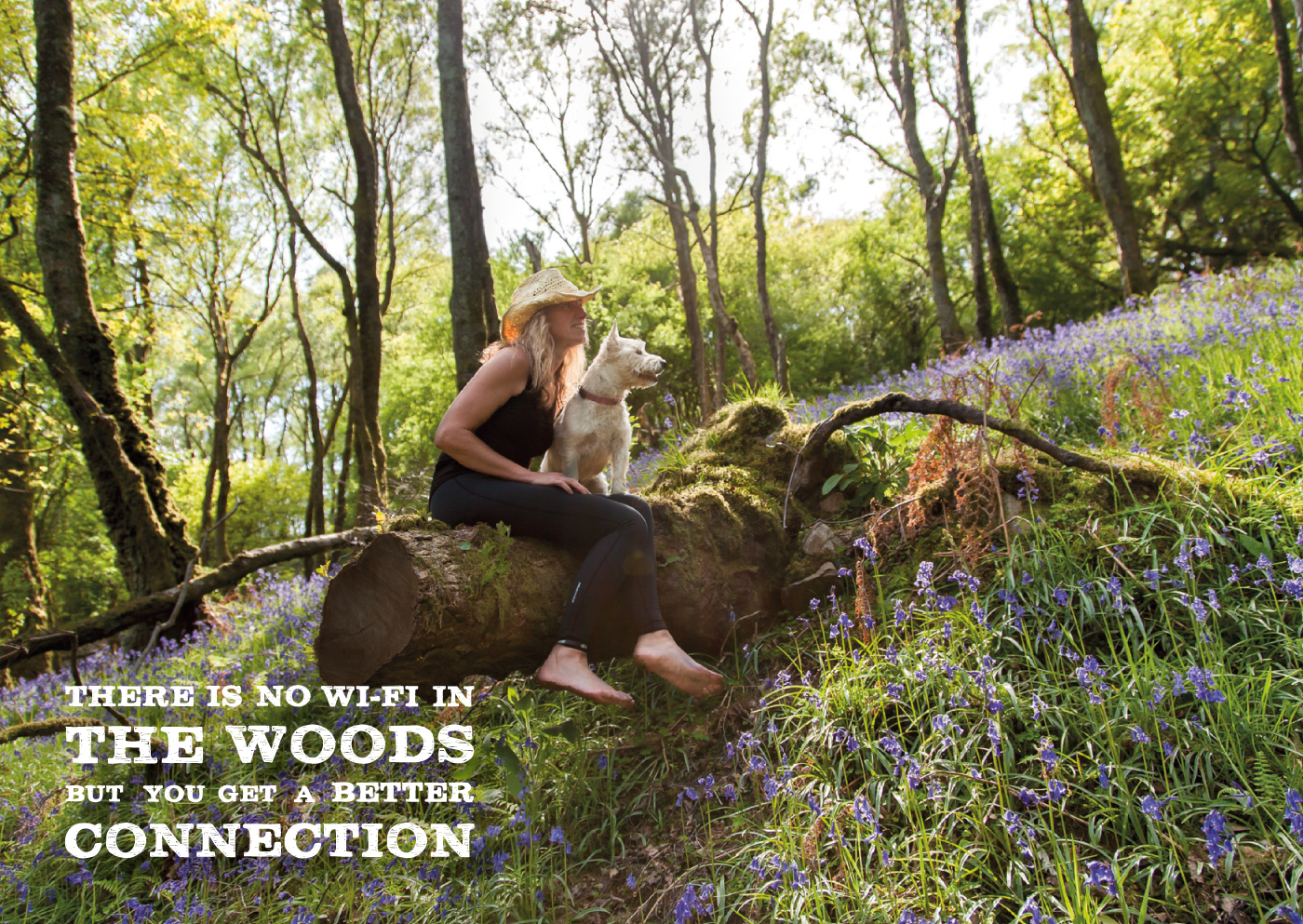
It is simply beautiful and the whole thing reminds me of the saying, “There’s no WIFI in the woods, but you get a better connection.”
My Mums favourite word when we were growing up was “look” and we learned about what was around us, I’ve since taught my children and grandsons to do just that.. if you see, you can appreciate and learn.. I shall look for the books you mentioned..