
Taken from Lynne’s weekly column ‘Green Scene’ for the Western Mail
26th September 2020

Wilde Weather
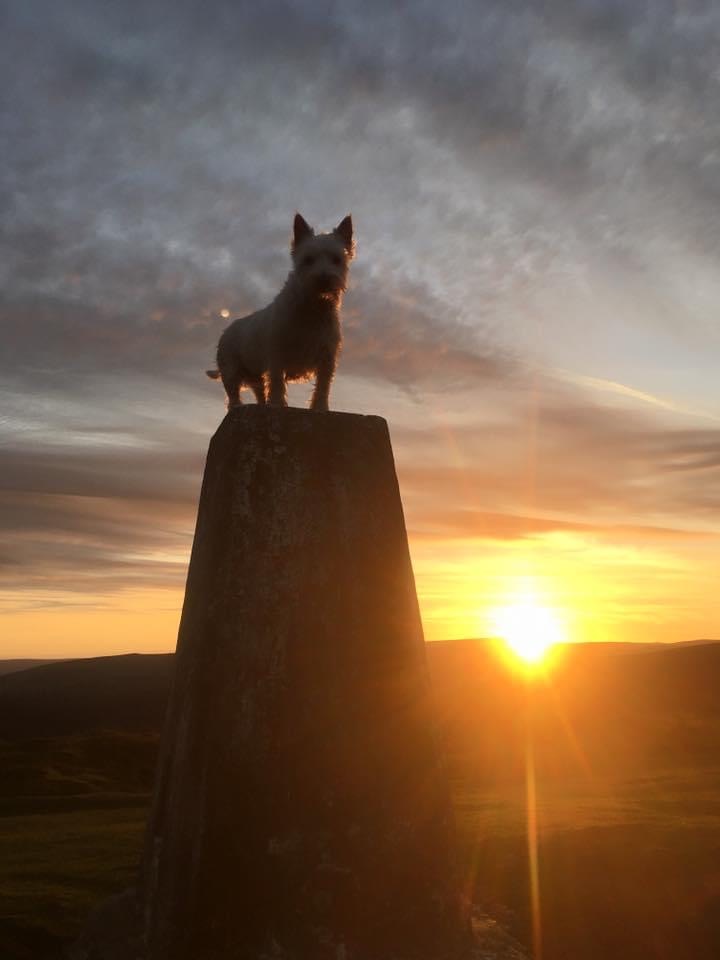 I absolutely loved those last few sunny September days. The glorious autumnal days are beautifully framed by stunning sunrises and spectacular sunsets and dry, warm days are much easier to work in. I know we needed the rain but Wednesday’s wet, wintery morning came as a bit of a shock to the system and the waterproofs proved to be not-quite-waterproof.
Interestingly, the 21st, 23rd and 24th of September are supposed to give a good indication of the weather we can expect for October, November and December respectively. I’m not sure why the 22nd isn’t included, but judging by the 21st, October should be a nice dry, warm (ish) month. The 23rd indicates that early November will be wet but the latter half dry and Thursday’s weather (24th) predicts a mostly dry December.
The long-term forecasts are predicting a mainly cold and dry winter and I am convinced that we are due for an icy cold one. But thankfully, that does normally mean mainly dry.
Over 100 years ago Oscar Wilde said, “Conversations about the weather is the last refuge for the unimaginative” and yet the weather has changed far more in that time than our love of talking about it has.
A Rose Between Two Thorns
One thing for sure is that the weather is getting more extreme, be it hot, wet, cold or windy, and the wind in particular can do a lot of damage in the garden.
We will start putting gardens ‘to bed’ for the winter next month and I will be ensuring that we spend more time checking that fences, trellis-work, arbours and other ‘vulnerable’ structures are secure too. It’s far easier to strengthen and repair them now than have to replace them after a storm.
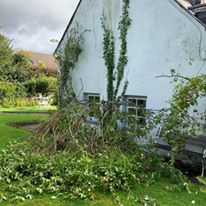
I have just repaired a rotting fence post and gate going into the chicken run at home, and will do another garden gate next weekend, as one of the bottom hinges has snapped. It has been chocked up for a month or two but if you’ve got animals, it’s even more important to make sure your garden is secure during stormy weather, to keep them safe. Check hinges and latches on gates and give your fence a little shake to check for loose or rotting fence posts. Replacing or repairing one dodgy post or panel now could save you having to repair the whole fence later on.
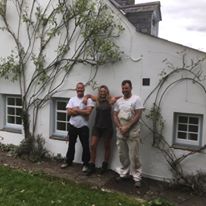
Established climbing plants will need pruning and/or tying in properly too. There is a lot of weight in a climbing rose, for example, and if the winds bring it down it can be pretty tricky to get it back in situ – as I found a few weeks ago when high winds brought down a lovely old rambling rose from the pine end of a clients cottage. The main stems were incredibly brittle, and the rose was of sentimental value, which always ‘ups the ante’. Thankfully, after a good ‘haircut’, and with the help of two ladder-savvy painters, we managed to save it and secure it back to the cottage wall.
Insider Spiders
The arrival of cold, wet weather will not only see gardener’s wanting to spend more time indoors but also spiders. They are nearing the end of their annual mating season (spiders not gardeners) and will now be looking for somewhere warm and dry, like sheds, garages and homes, to live and overwinter.
‘Spider season’ usually starts around the first two weeks of September and finishes by the first week of October, although experts say this year, like last, the season is starting earlier.
I think the increase in reported sightings might be due to the fact that more people are at home due to the covid 19 and/or spending more time in garages and sheds doing DIY, so are just seeing more spiders than they would normally.
The ones you will see in your home, garage or shed now will probably be the ‘house spider’ which is one of Britain’s biggest spiders. Recent reports are describing them as being ‘as big as your hand’, which is obviously not good news for arachnophobes.
After mating, the female will look for somewhere warm and dry to lay her eggs and the male usually dies. It reminds me of the honey bees, as all the drones (males) will be kicked out of hives and colonies now and left to die whilst the females cosy up together for the winter. I’m going to refrain from writing any inflammatory comments!
 I was fascinated to read that what I have always thought were damaged or incomplete webs in woodland and gardens are often homes to the ‘missing sector spider’, so-called because they deliberately have a slight section of their web missing. Apparently this spider creates what is called ‘a signal line’ – a long single strand of silk – and sits on it until there is a vibration in the grass or on the tree. It then strikes, pulling the insect into its web.
I used to be terrified of spiders as a child, but once I started working on site I quickly learned that any phobia made you very vulnerable to mischievous workmates. After a few weeks of having to deal with spiders being put in my lunch box, I decided it was either a case of getting over my phobia, or getting a new job.
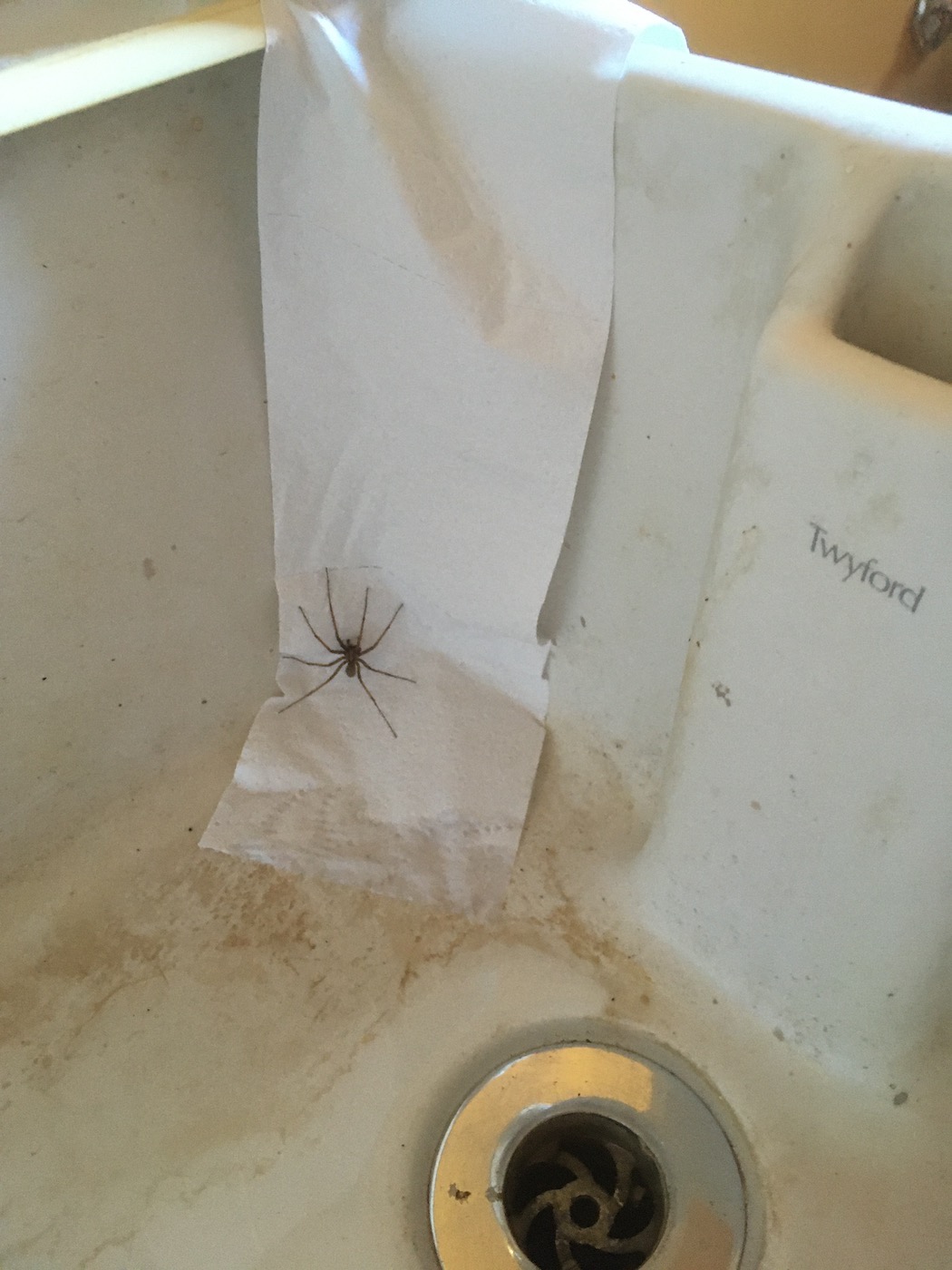
Now I am even a spider-saver. As they often get stuck in sinks and baths, I always drape a bit of toilet paper over the edge (see pic) so they can get out. Although it did take a bit of explaining to a particular client who came home to find a super-soft, quilted ‘spider ladder’ installed in her Belfast sink.
Leave a Reply