
Taken from Lynne’s weekly column ‘Green Scene’ for the Western Mail
2nd March 2019
 Step into Spring

Since becoming the first (and still the only) person to run across Wales – barefoot, I seemed to have earned a reputation for either being barefoot or booted. I hate ‘normal’ shoes; I love boots and love being barefoot even more, although it is not always practical.
I have managed to find the perfect work boot – lightweight, steel toe capped, and comfortable – but struggled to find walking boots that had the same credentials, without the steel toe caps. Even the most expensive walking boots have incredibly thick, rigid soles and I just couldn’t get on with them. It’s like walking with concrete blocks on your feet.
But I am also known for being persistent, and I have finally found the perfect pair of lightweight, comfy and, dare I say it, ‘these boots are made for walking …’
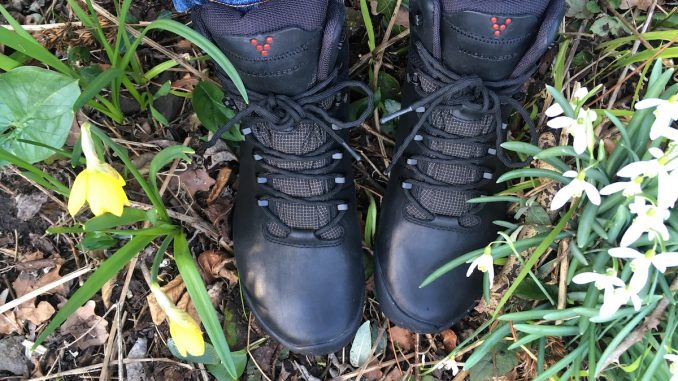
They are Vivobarefoot FG Trackers.
I already knew Vivobarefoot for their minimalist running shoe range, but for some reason had missed that they also did walking boots, and other stuff.
I have been using my trusty Trackers for a month now – in snow, rain, record-breaking sunshine, and over every possible terrain. They are fully waterproof, and have a removable thermal insole, which I haven’t removed yet.
They are flexible, comfy and ‘eager to please’, somehow. I now have all the biodynamic benefits of walking barefoot but obviously with protection, which is exactly what I was looking for. I absolutely love them. So much so, that they are quickly becoming my ‘go to boot’, I can wear them everywhere, not just for walking. I am even running in them, as they are just so comfy and the minimalist sole mimics being barefoot, which is what I have adapted to – and reduces injury noticeably. As well as active, outdoor and everyday ranges, Vivobarefoot also offer a great range for kids, with tips on how to transition to a ‘barefoot shoe’, and even a vegan option. How ‘on trend’ and ethical is that?
Not surprisingly Vivobarefoot are so confident in their products that they generously offer a no-quibbles test run for 100 days. Even if you are not a ‘barefoot believer’ already, they know ‘that after 100 days of au natural foot freedom (you need to give them a proper outing) your feet will love being feet.’
They’re not wrong. More details at www.vivobarefoot.com
Thinking on my Feet
 And talking of walking, I have the pleasure of interviewing Kate Humble as part of the Crickhowell Walking Festival, on Saturday 9th March. We will be talking about Kate’s latest book, Thinking on my Feet, which tells the story of Kate’s walking year, and shining a light on the benefits of this simple activity.
 Kate’s inspiring narrative not only records her walks (and runs) throughout a single year, but also charts her feelings and impressions throughout and shares the outcomes: a problem solved, a mood lifted, an idea or opportunity born. As she explores the reasons why we walk, whether for creative energy, challenge and pleasure, or therapeutic benefits, Kate’s reflections and insights will encourage, motivate and spur you into action.
We will be in conversation at The Clarence Hall at 7.30 and tickets can be bought here.
Save a Wild Life
 So, we have broken the highest temperature record for February – I’m not surprised. I caught the sun in work last week – I don’t think I have ever had vest marks in February in over thirty five years of gardening!
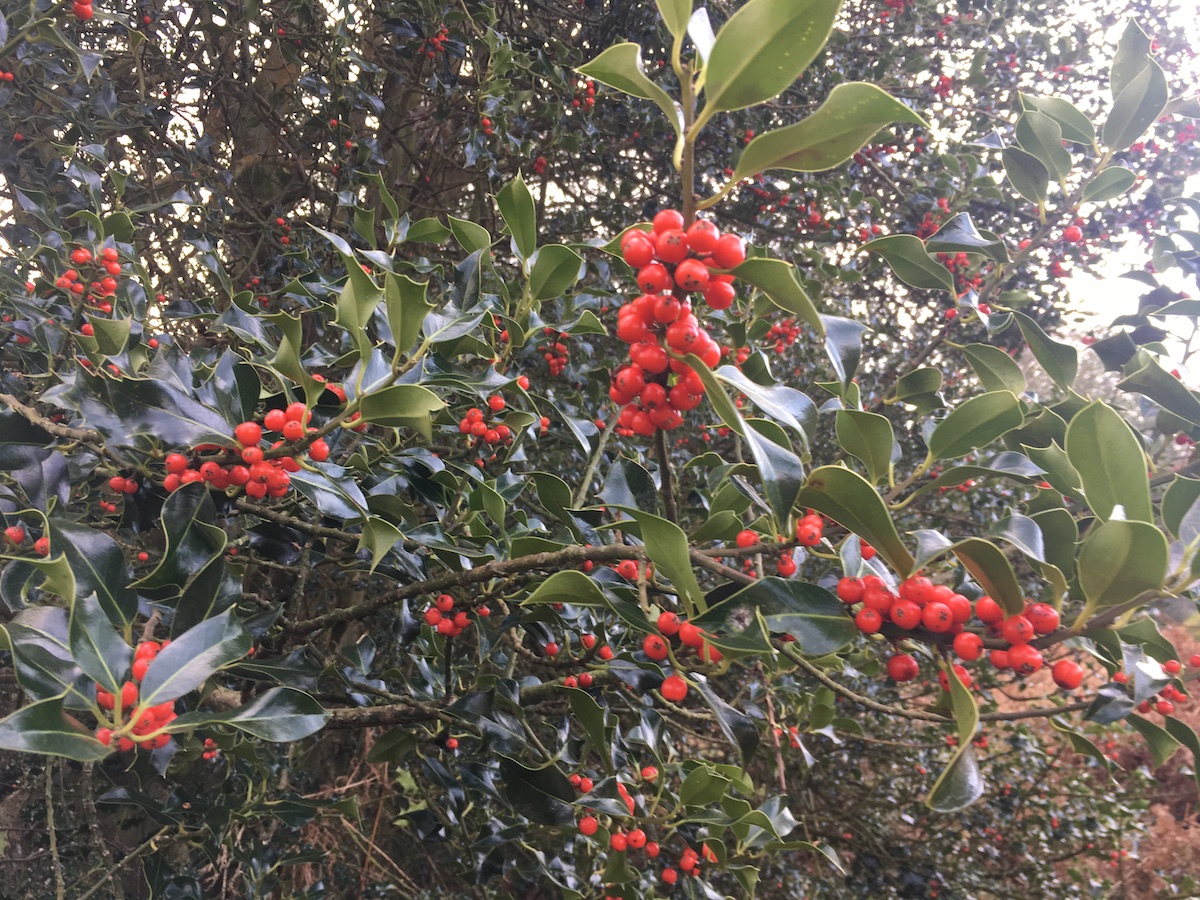
And yet, despite temperatures hitting the 20’s, bizarrely, I spotted this holly tree on a local walk last week, laden with scarlet berries. (see pic). It could easily have been late November judging by that!
The early sunshine may have cheered us all up, but if the weather turns cold again, we need to spare a thought for our vulnerable wildlife.
The warm weather has encouraged some birds to start nesting, butterflies have started to emerge and other animals like hedgehogs are coming out of hibernation too soon. Swallows and house martins have even been spotted arriving back in south Wales more than a month early. The RSPB is warning that the unseasonably warm weather could lead to a crisis for nature, especially if it turns cold again as it did last year, as they could struggle to find food.
I remember our own Derek the Weatherman telling me years ago that the weather patterns were going to change, with extremes of temperatures and weather conditions becoming the norm. He wasn’t wrong (of course).
Only last week Carol from Caerphilly Bird rescue told me that my little rescued blue tit died because they are struggling with the extreme changes in the weather conditions, and failing to adapt.
While there isn’t a lot we can do to change the weather, there are things we can do to help the wildlife in our gardens survive a cold snap, including putting out energy-rich foods like meal worms and fat balls, making sure there’s a supply of fresh water for drinking and bathing, providing nest boxes, and by planting pollen-rich flowers.
And as the mowing season begins, remember that just by raising the lawnmower blades slightly, you can leave daisies and dandelion flower heads intact for the bees and other insects They are a great source of early food and whilst you may think they look unsightly, they will save lives!
Leave a Reply