
Taken from Lynne’s weekly column ‘Green Scene’ for the Western Mail
2nd May 2020

On the Wild(life) Side
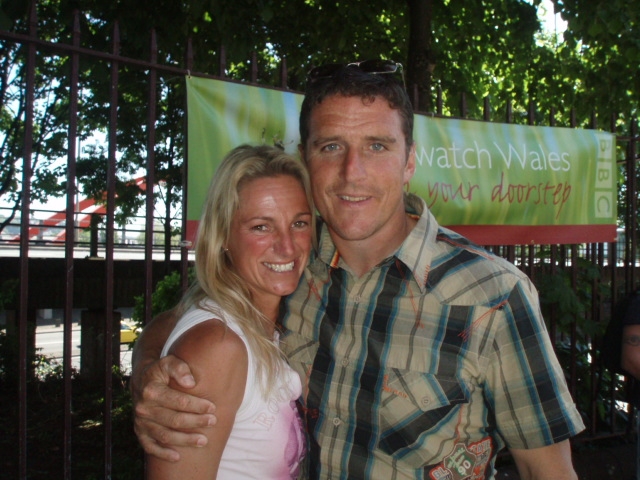 I caught up with Welsh ‘wildlife wizard’, Iolo Williams last week and asked him how he was coping with the lock down situation.
“To be honest, the first three weeks were lovely. I was able to take more notice of the wildlife but the last week has been hard. I’m not a sitting-on-my-backside man and it’s wearing a bit thin now. My big escape, or comfort, is wildlife. It’s brilliant to see people taking more notice of what’s around them, wondering what birds they can hear. And I love the fact the local councils are not cutting the verges. You can see the succession of spring flowers from the lesser celandine, garlic mustard, and dandelions. They are all such an important spring source of food for insects and birds. I‘m really enjoying that – I feel like a child again, just having time to watch it all.
“I’ve really got really into bees. I’ve been identifying them all, with the help of experts. The Queen bumble bees, red tailed bumble bees, the solitary bees – they are all great.”
I asked him if he thinks there are more bees around at the moment.
“People are thinking there are more bees and birds because of the lock down but if there are more bees it will be because of the previous winter conditions, not lock down and I don’t think there are more birds, people are just noticing the bird song as it’s so quiet everywhere. I think people are just noticing wildlife more. Up until this week, the weather has been brilliant too, of course.
“I think there is less road kill because there are less cars on the road and the other big difference is that public places aren’t being mowed so there are more areas for wildlife to feed on and exist in.
“People have asked if there will be long-term benefits but sadly I think six months after all this is over, we will be back to the same. People don’t learn. But one big benefit long-term just might be that people have been noticing nature more, so hopefully that experience will stay with them. That seed will be sown and they’ll say ‘remember the lock down year when we saw so and so and listened to so and so bird’.
“This odd time has been the first contact with nature for many. They will have learned something, maybe seen tadpoles for the first time. Knowledge is especially good for kids. I didn’t enjoy school but I always loved wildlife and was happy to be able to share my knowledge. It felt good knowing something.
“One thing I would ask of people is to do just one thing in your garden to make it better for wildlife. Leave a bit of lawn, maybe 2 metres by 2 metres for example, don’t mow it and see how it develops. If you like it, keep it that way.
“Build a pond. Use an old sink or upturned dustbin lid. Fill with water – rainwater is best – and you’ll soon have whirly gig beetles, newts and all sorts. And a camera trap is a great investment, so you can watch what goes on in your garden at night. You’ll probably get mostly cats but you might get a hedgehog, a fox or badger – a friend even saw a muntjac deer on their camera. You’ll be amazed what goes on in your garden at night!”
For a great escape from these challenging times, you can listen to Iolo and Lizzie Daly chatting live from Skomer, every Wednesday at midday on www.youtube.com/watch?v=NvPZnUWOwlM.
The Birdie Song
 Tomorrow, 3rd May, is International Dawn Chorus Day, so why not make a special effort to get up early and listen to the wonderful bird song.
Our feathered friends will start about an hour before sunrise (around 4:30am now) singing at full throttle to attract a mate or warn off rivals.
They will often continue singing until about 7am – for those not-so-early risers.
Even if you don’t have a garden, just open your window and you will still be able to enjoy the wonder of this natural alarm clock, especially with the current reduction in noise pollution.
Listen out for the individual calls, which the RSPB describe below:
Dunnock – fast and squeaky bursts
Robin – short, laid-back verses with a ‘liquid’ quality
Song thrush – rich and confident calls
Willow warbler – a soft, gentle whistle
Wren – packed, bold and loud
Chiffchaff – helpfully sounds like ‘chiff chaff’
Skylark – a pleasant burble sometimes minutes long
Great tit – a two-note ‘tee-cher tee-cher’ call
Cuckoo – the males’ recognisable ‘cuck-oo’
Beccy Speight, CEO of the RSPB, says, “While the impact of the current lockdown means that many of us are hearing birdsong more loudly than ever before, we must remember that 40 million birds have been lost from UK skies in just 50 years – and we all have a part to play in saving this wonder for future generations. Let’s look after our birds as much as they are helping us.”
There’s a whole list of ways you can help on the RSPB website, including putting out suitable food scraps, hanging bird boxes or even making a bird bath from an upturned bin lid.
Get the Bug
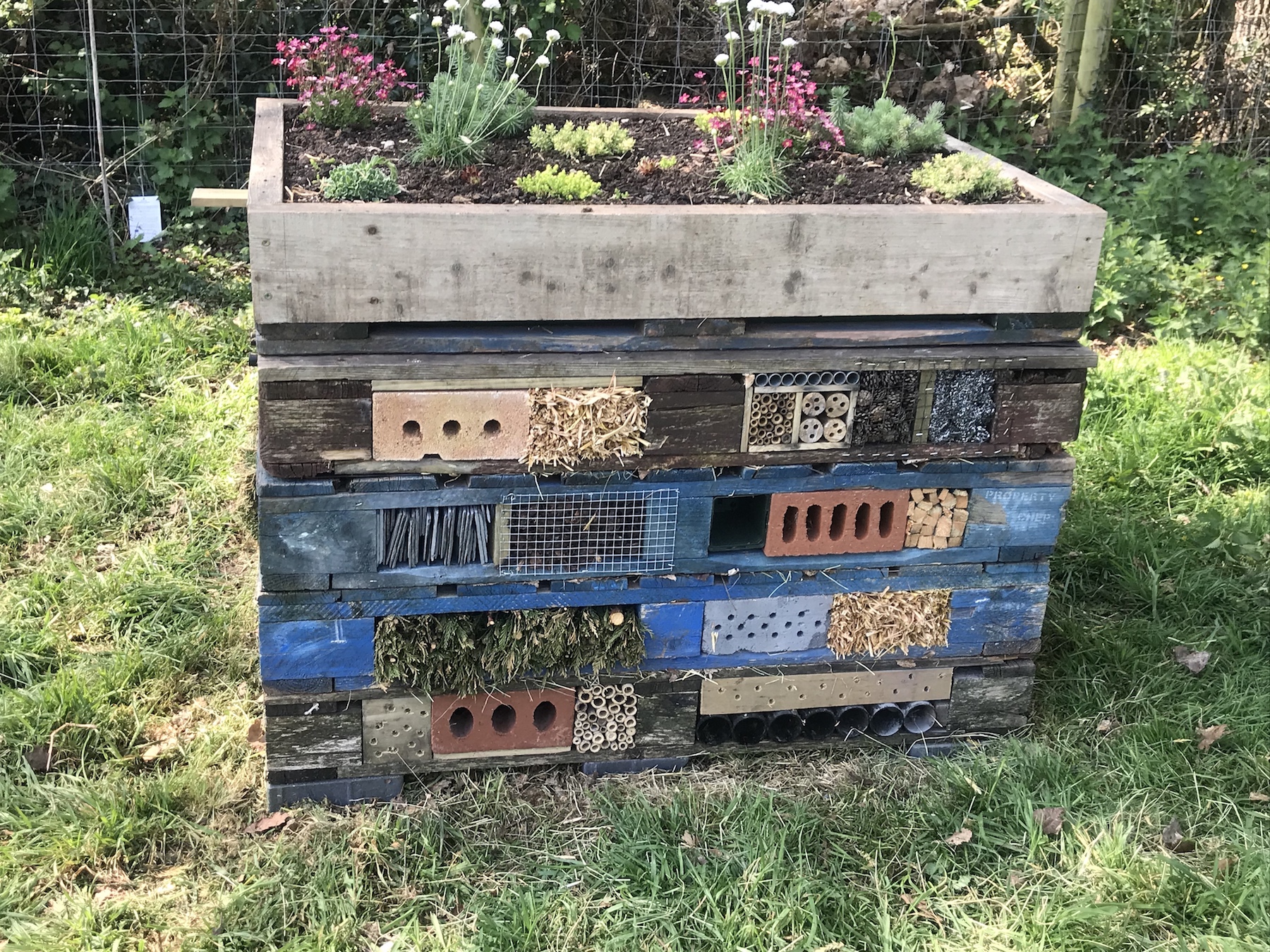
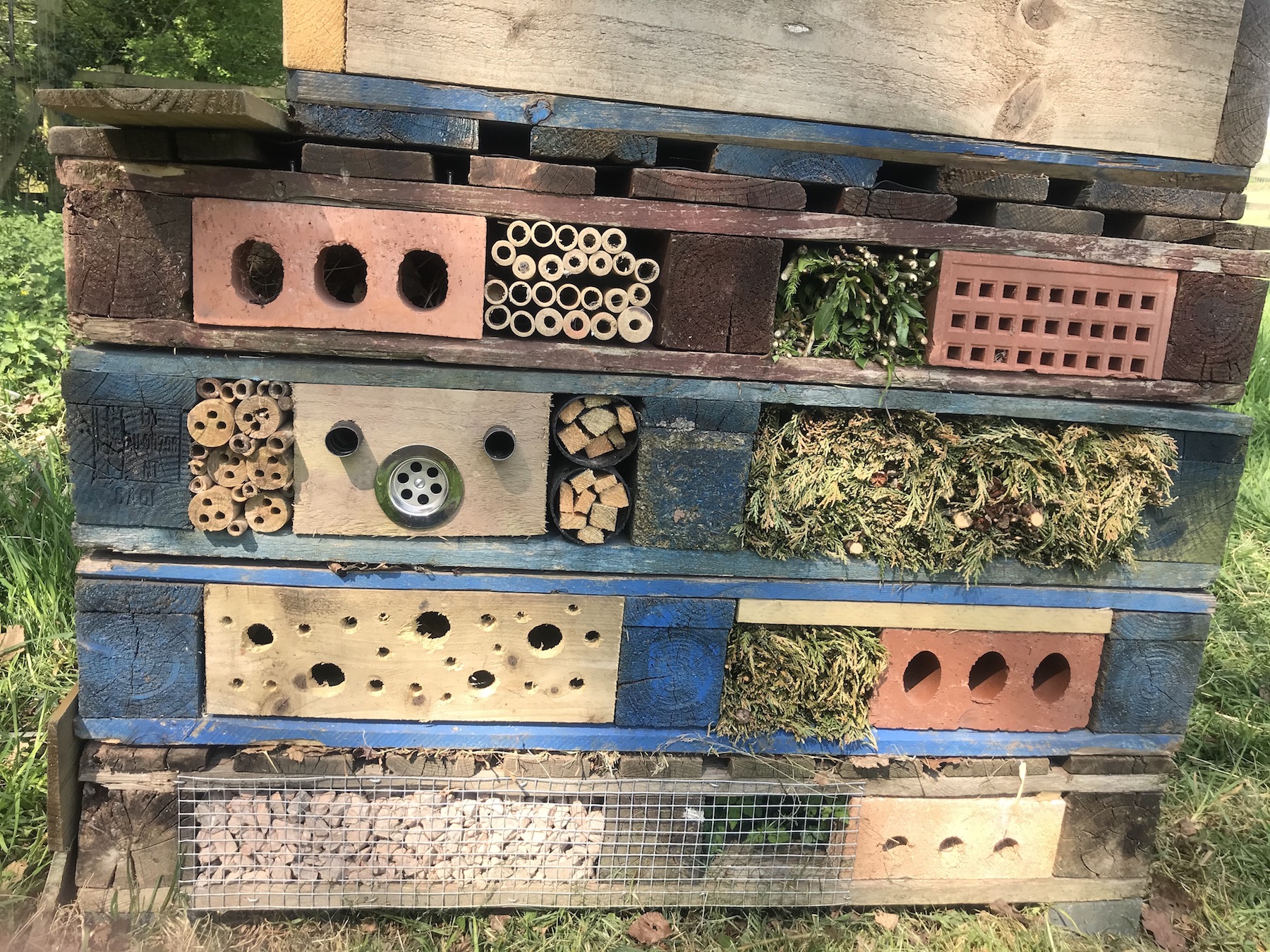 As Iolo advises to make one difference in your garden, I too have been recommending creative ideas for your outdoor space. So I was thrilled to receive photos of a friend’s effort.
Gardener Patrick Love has built this palatial 5* Bug Hotel.
Don’t worry though, bugs will enjoy a little B&B too.
If you haven’t got pallets or much room, just stack old wood, twigs and even fresh clippings from pruning. Make a pile in a quiet corner of the garden, near water if possible, and watch the bug’s book in.
Leave a Reply