
Taken from Lynne’s weekly column ‘Green Scene’ for the Western Mail. 23rd June 2018 
Midge Misery
 I have had a lot of emails lately asking if I have any secrets or miraculous methods to deter midges and mosquitoes, and then I saw that even the England football team were suffering with them, although they didn’t email me.
They are at their worst at the moment (the bugs not the football team) as water sources are low and shallow, providing perfect breeding grounds for the pesky little critters.
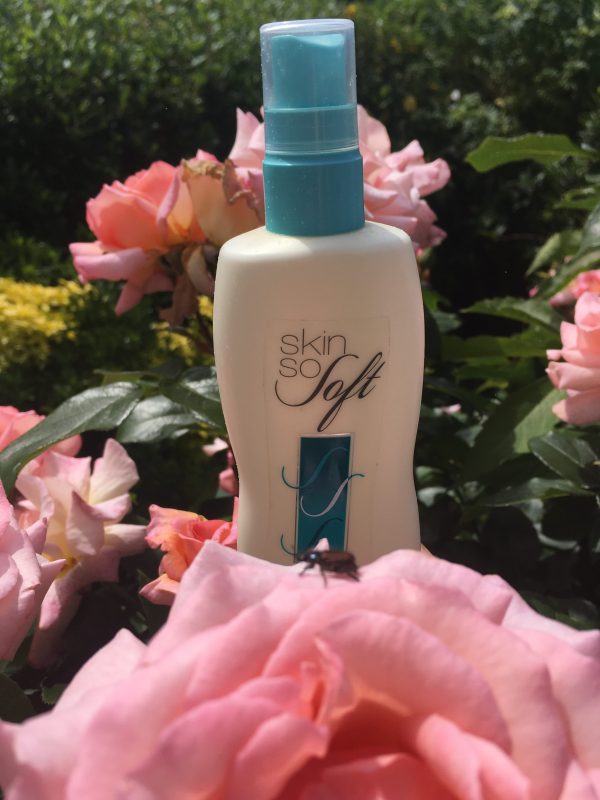
I have always used, and sworn by, a skin-so-soft spray made by a well known cosmetic company that I’m not allowed to mention in my column (ding dong …) but make sure you choose the original formula, not the scented one.
I was told it was a well known secret about 6 years ago and since then have found out that it wasn’t that much of a secret as fishermen, campers and even the SAS also swear by it. And to be honest, since I found about it, it’s more of a talking point than a secret!
But apparently it doesn’t work for everyone. It failed a friend who was still struggling with evening dog walks, and also horse flies making both her and her horse’s life a misery. So I set about testing a few homemade essential oil mixes. The most successful was a mix of equal drops of Citronella, Eucalyptus, Lavender and Peppermint. Dab the mix onto yourself neat, but dilute it to use on horses.
I have also been told that Bounce Fabric Conditioner sheets work – if you rub them over your skin, that will deter midges and mosquitoes and often horse flies. Another friend uses the sheets tucked into various parts of the bridle and headcollar to repel the horse flies. And burning rosemary on the BBQ is also supposed to keep them at bay – as well as making everything smell sweet.
Brotherly Love
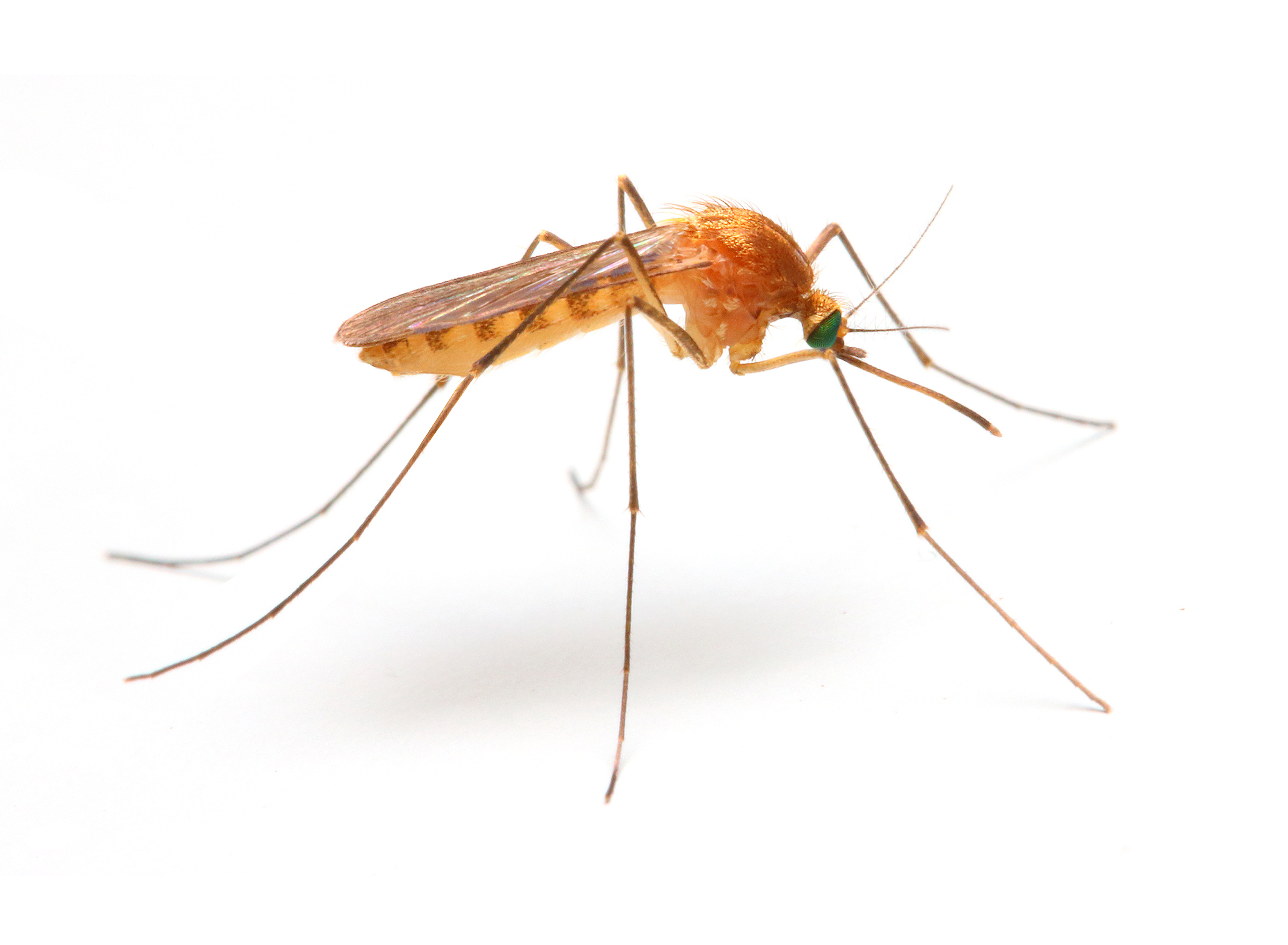 Apparently the more carbon dioxide and lactic acid you produce, the more likely you are to attract a mosquito. Overweight people and very active or fidgety people are more likely to produce both. Some people recommend eating garlic or taking Brewer’s Yeast tablets to keep the biting beggars at bay, as they don’t like the odour that is exuded from the skin.
Interestingly, mosquitoes prefer to bite women over men – funny really when you realise that all blood meal biting insects known as vectors, including midges, mosquitoes, horseflies and sand flies are female.
“What a surprise”, said my brother, sarcastically. When I told him smugly that I don’t get bitten much anyway, he quickly retorted, “That’s because you’re bitter!”
Midge Magnet
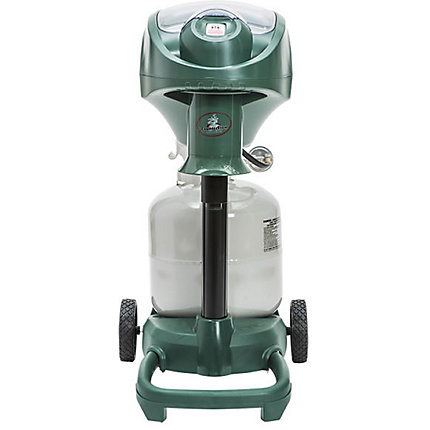 And if you are really ready to wage war, and invest your wages, check out the Mosquito Magnet anti-midge machine, the original world leading proven solution for the control of all vectors. I love their strap line – ‘Giving blood should be voluntary’. And they are based in Scotland, so they should know their midges!
The traps convert bottled propane gas into CO2 via a precise catalytic process with exactly the right heat and moisture content. Biting insects are attracted to the machine and then vacuumed into a net.
More details at www.midgetech.com There are also several tutorials on the internet showing how to make a simple midge trap with a plastic bottle and some brewer’s yeast.
Duck the Weed
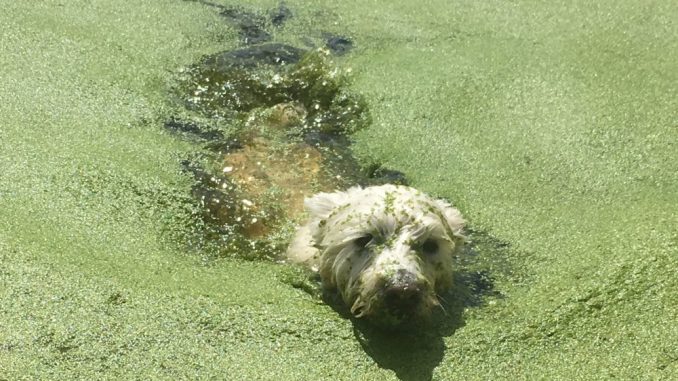
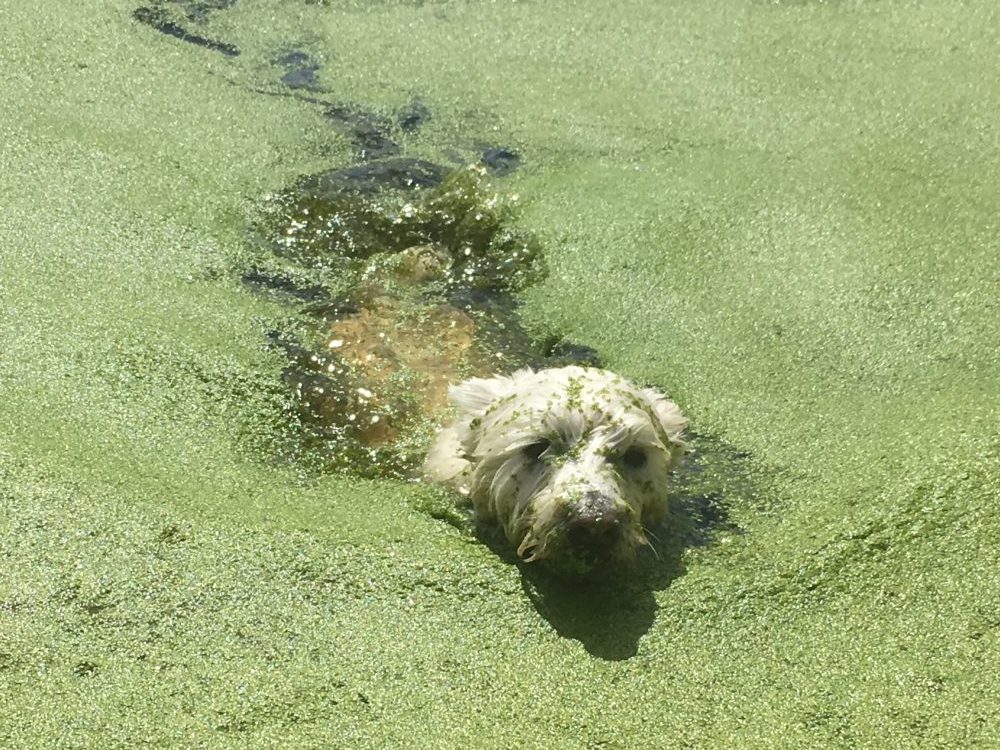 Slightly easier to deal with has been the duck weed on a client’s pond. Common duckweed (Lemna minor) is a rapidly spreading aquatic plant that deprives ponds of oxygen and leads to the death of fish and beneficial algae in still waters. It also turns your dog into a bog monster (see pic). It is important to get rid of duckweed for the health of your pond and existing aquatic life, and to have a clean dog to put in the truck at the end of the day.
The last couple of years I have regularly removed the weed with a long-handled net but then I read that water mint can clear it. So I wound handfuls of water mint into little bunches and simply floated them on the surface of the pond. I also introduced a few potted plants to grow in the pond, which should work as a prevention rather than cure.
Mentha aquatica is a member of the Mint family and roots readily either in wet ground or in water. It can raft across the water some distance from its original basket and can be cut back at any time. As a British Native Mentha aquatica is good for colonizing areas to encourage wildlife and gives plenty of habitat opportunities for newts. As a rafting plant that is allowed to grow freely it will use plenty of surplus nutrients so help to keep pond or container water free from algae. The flowerheads are also loved by bees, hoverflies and butterflies.
After a week or so, the pond was clear – and Yogi was clean.
Leave a Reply