
Taken from Lynne’s weekly column ‘Green Scene’ for the Western Mail. 6th August 2016

Hot Beds
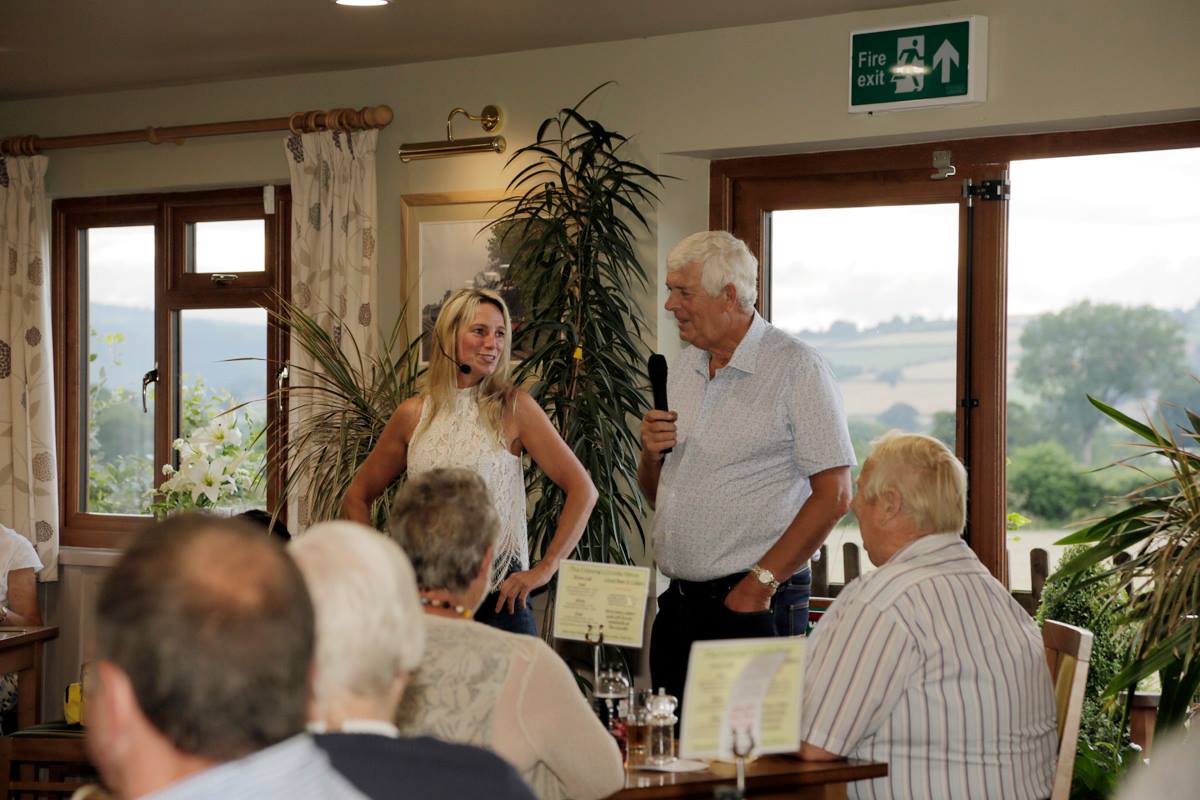 I recently did an ‘Evening with Terry and Lynne’ for the Railway Line Nursery in Three Cocks, near Brecon where Terry Walton, BBC Radio 2’s allotment gardener and I talk a little bit about well, what ever we want to, to be honest followed by a gardening Q&A session from the audience (and a great audience they were too.) One of the questions was ‘What is the best wood to use for making raised beds?’
I have used tanalised 4×2 boards for my own beds and of course, traditionally old railway sleepers were popular to use (though now they have to be ‘new’, not the old ones as they contain tar).
But a member of the audience, and ex secretary of Brecon gardening Club, Bryn, shared that in his role as a vegetable judge, the most successful veg he had seen that year was grown in raised beds made from composite wood. Apparently they retain the heat incredibly well, which encourages growth. He said that the veg in the composite beds was a good couple of weeks ahead of other veggies he saw and was far superior. And he should know!
Collared!
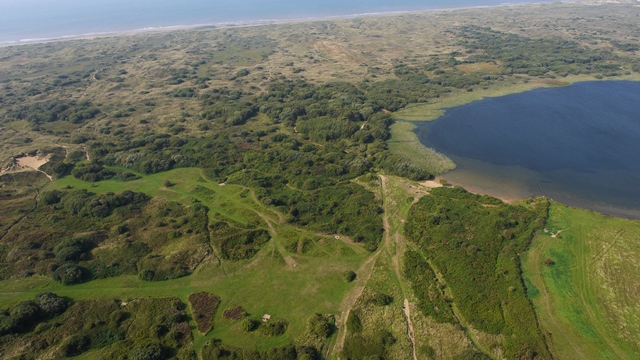 I spent a lovely day at Kenfig National Nature Reserve last week but somewhere in the dunes, as we made our way to the beach, Yogi managed to lose her collar.
It wasn’t expensive or sentimental but it was hers, which makes it special! And of course, it had her name and telephone number on it. So I was delighted to receive a text later that evening to say the collar had been found and had been hung on a peg at the Visitor Centre. And a phone call the next morning resulted in the Reserve Manager, Dave Carrington, cheerfully agreeing to send it back to me.
As well as the lovely people it attracts, Kenfig Nature Reserve is a fabulous place to see rare and unusual flora and fauna; I spotted some lovely orchids and it was great to see Sea Holly growing wild – I am usually incorporating that into a garden design for it’s beautiful steely blue foliage.
The beach was quiet and the sea was surprisingly warm, and another lovely aspect of the Reserve is rather than being charged for parking, you are simply asked to make a donation. This reminded me, a little randomly, of the marvellous TED Talk by Amanda Palmer (of Dresden Dolls fame) in which she talks about the power of ‘asking’. It is well worth watching.
And the last, but by no means the least enthusiastic, recommendation is lunch in the haunted – and dog friendly – Prince of Wales pub where you will be able to enjoy a warm welcome, great food and learn about the history of the area over a pint of Gower Power!
Plan Ahead
 During my ‘Garden Advice Hour’ on Radio Wales last week, I suggested several ways of making plans for improving your garden. Whether you are making small changes or re-landscaping the whole garden I think money spent on expert professional advice is well spent. I try to deter clients from having me draw up actual plans as that is costly but I think the site visits are essential – and I always end up saving the client far more money than they spend on my visit! But before a visit it helps if you have 3 lists – one list for all the things you NEED from your garden, so that could be a washing line, secure boundaries to keep a dog safe, a shed for storage or even a herb bed if you are a keen cook. Then the second list is things you WOULD LIKE and are ‘attainable’ – a wild flower area, an area to grow veggies and maybe even a hot tub. The third list is probably the most fun and should have all the things that you would like – EVENTUALLY. That could include a polytunnel or big greenhouse, or an orchard or a conservatory on the house. As well as helping you decide and define your priorities, this will give the designer an idea of your lifestyle and also how to stage the landscaping and changes to accommodate your wishes. Of course, different people and families will prioritise items differently. I always find it’s helpful to identify what you really don’t like too – that can help avoid disasters!
If you want to draw up your own plans for your plot, a good place to start is the bedroom window or an upstairs window that looks over the garden. Draw out a rough outline, make several copies and get creative! Involve the family and friends too – it can be great fun coming up with different ideas as everyone will see different potential with your plot.
And do take photos, lots of photos. Take them throughout the year because the garden is always changing as things grow and bloom and whenever you start to implement the changes, you may have forgotten something that was in flower previously. A lot of alterations can also be made in the winter and things look a lot different with the leaves off the trees, so it is always handy to have photos to refer to.
Leave a Reply