
Taken from Lynne’s weekly column ‘Green Scene’ for the Western Mail. 3rd September 2016

Gaping Gill Thrill!
Having been described in the media as an ‘Ambassador for Mother Nature’ and an ‘Outdoorist’, it will come as no surprise that I absolutely adored a rather exaggerated experience of both last week.
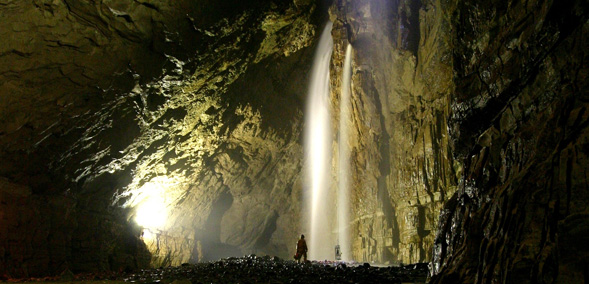
I was winched 320 ft deep into the heart of the Yorkshire Dales into a cave fondly referred to as Gaping Gill, alongside a crashing waterfall twice the height of Niagara Falls.
For a couple of weeks every year this amazing opportunity is offered to the public by Craven Pot Hole Club who construct a sophisticated winch system to enable the general public to experience the magical environment that only mad, muddy, mole-esque pot-holers and cavers get to explore.
It is quite simply nature at her most theatrical and the privilege of being present in such power and which is usually so private, is just amazing.
Gaping Gill retains the records for the highest unbroken waterfall in England and the largest underground chamber naturally open to the surface and which it is said could house St Paul’s Cathedral.
Recognition has to go to all of the caving-mad volunteers who which make this event happen each year and take it in turns to do shifts at the various posts – even Max the terrier took a turn in collecting wristbands. And special ‘Hello’ to Tom, whose daughter has just moved to Cardiff and whom he said he would tell to read the Western Mail!
As my enthusiasm far exceeds my word count for this column you can read more about my Gaping Gill experience on my blog or visit http://tinyurl.com/j9r7wmn and put it in your diary for next year.
Snap It Now, Cut It Later.
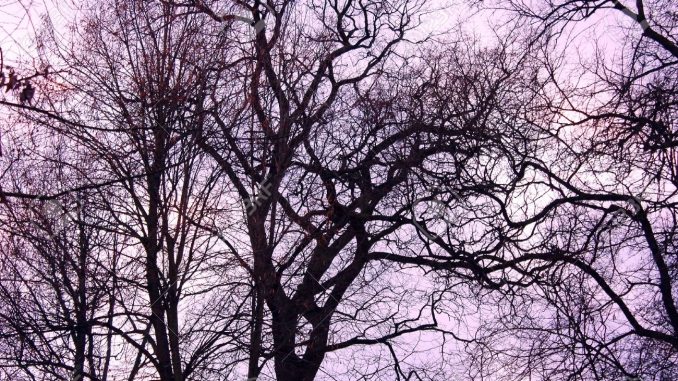
 My garden resembles a Brazilian Rainforest at the moment – not so much the laughing Kookaburras or acrobatic apes but just the sheer amount of vegetation. As tempted as I am (or was, over a Bank Holiday at home) to cut things hard back now, the hazel that is taking all the light from the front door is laden with nuts, the Buddleias that are blocking various views are full of bees and butterflies and the brambles that are engulfing the outside loo (I have an inside one too, I hasten to add) are laden with blackberries so they are all earning a stay of execution.
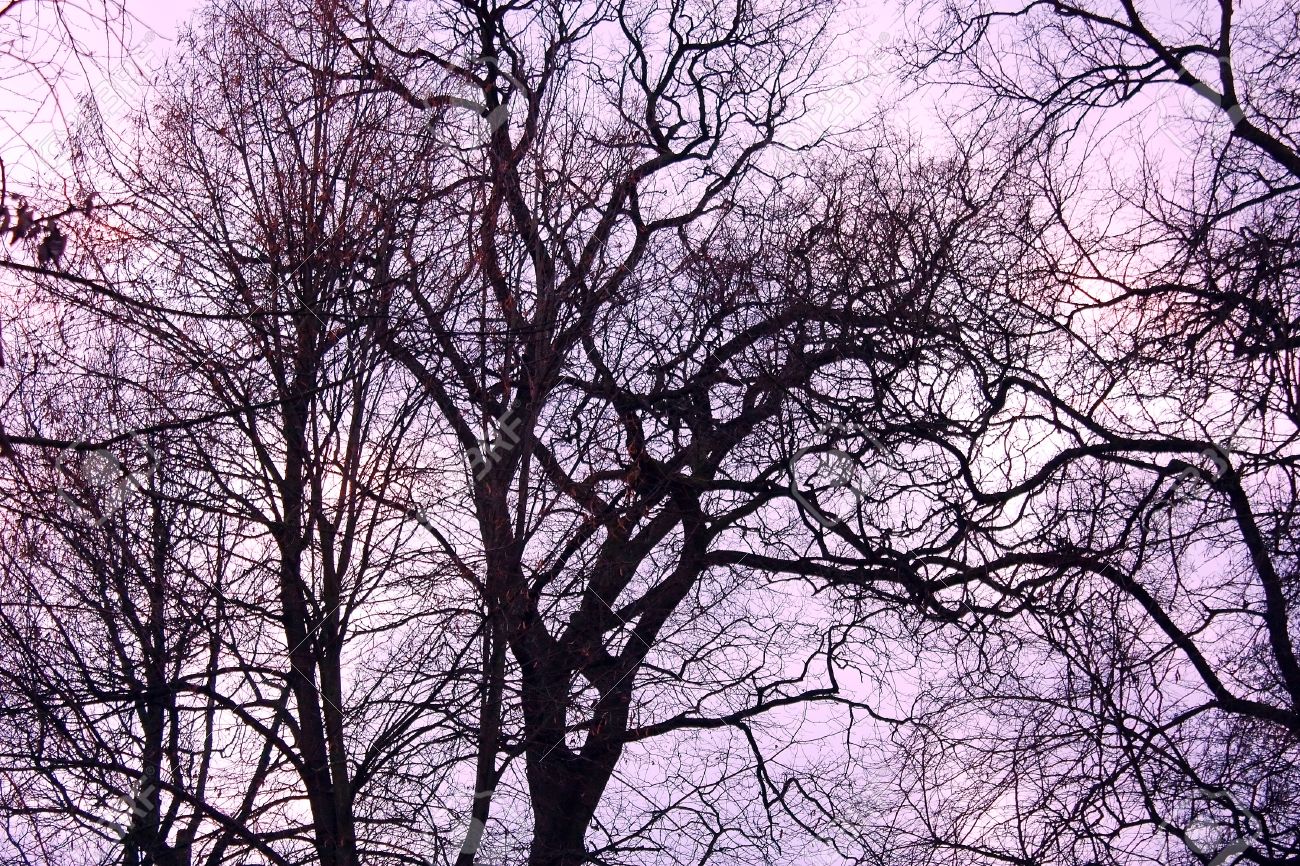
However, I know from experience that once the leaves are off the trees it won’t seem so bad and I am always a little too easy on the saw during the winter months. This winter has to be different, so I have taken photos of the trees and shrubs which have got too big for their boots in order to remind myself of their intimidation in a couple of months time.
I highly recommend it. It is difficult making changes in the garden in the winter and naked and dormant shrubs and plants will result in a very different landscape. Take photos now – lots of them – and you’ll be more inclined to be more effective with your winter tasks.
Give a Fig!
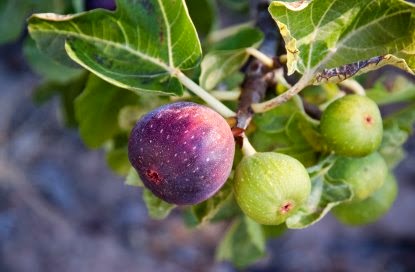 Whilst helping myself to a delicious ripe fig straight off the tree in work last week I was reminded just how impressed I am with this particular tree. It is situated high on a mountain above Cwmdu, near the Brecon Beacons, in a punishingly exposed spot. It is not trained against a brick or stone wall, as is recommended, not sheltered from harsh conditions, as is recommended, nor is it protected in any way during the hard Welsh winter months, as is recommended. And yet it thrives and flourishes, providing an impressive haul of delicious figs each year. In fact, too many to eat and therefore providing numerous pots of jams and chutneys.
The reason for sharing this is to emphasise the advice I always give with regard to using plants that people regard as ‘tricky’ or ‘difficult’ – have a go anyway!
There are of course always those plants which won’t tolerate certain conditions, but in the main I always encourage people to try to grow a plant that they have a fondness for, despite ‘what the books say’.
I remember one of the very first talks I gave to a gardening club, probably about 25 years ago, in which I said, very confidently, that if you cut back into the old wood of Broom, it will die. A member of the audience put up his hand and asked if that was the case, could I explain how a Broom in his garden which had been flattened by a falling tree, had put out new growth and had indeed survived from it’s ‘old wood’?
All I could come up with was, “Well, I guess plants can’t read and don’t know that they’re supposed and not supposed to do.” It was a good lesson.
Our climate is changing, plants can’t read, and every plant has an innate desire to survive – all of which increases your chances of success simply by having a go!
Leave a Reply