
Taken from Lynne’s weekly column ‘Green Scene’ for the Western Mail
19th August 2023

Buddleia Buddies

On the (one) sunny day we had last week, I counted a staggering 35 butterflies on the white buddleia davidii in my garden. It was a beautiful sight. The common name for Buddleia (sometimes spelled Buddleja) is the Butterfly Bush because it is such a rich source of nectar, but even so, I don’t ever recall seeing so many butterflies on a single shrub.
I like buddleias. Most gardeners seem to condemn then as a weed and even the RSPB warns, “It has become increasingly clear that Buddleia davidii can be highly invasive. It produces lots of small, light seeds, which spread extremely easily. It can grow in many places, even in cracks in buildings several floors up. Buddleia davidii can form thickets in places like disused industrial sites and railway sidings, and natural habitats like chalk grassland. These places support a large number of invertebrate species, some of which are rare and endangered. B. davidii can quickly cover open ground – which means those special species can no longer live there.”
I am not so derogatory about them. I think if you manage them properly then they are hard working, amiable shrubs that are great for bees, butterflies and moths. They are ‘determined’ and will self seed shamelessly, but if you cut back the flowerheads once they fade, or simply pull up seedlings as they appear, then you are in charge. Cutting back flower stems that have bloomed, to a strong pair of shoots will often result in a second flush of blooms as well.
A lot of the ‘Buddleia bad press’ stems from neglect by gardeners. It’s an enthusiastic shrub that can quickly become untidy and unruly if not pruned and cared for. Annual pruning will keep it in shape and ensure that flowers are produced lower down the shrub.
Prune Buddleia davidii in early spring when new growth starts appearing and the risk of a hard frost has passed. It is very forgiving and you can cut it to whatever sized framework works for your garden. Prune all the stems leaving two or three sets of good buds which will give it a chance against any late frosts. Also remove any weak or damaged stems – they can be quite brittle and are easily broken and snapped. Neglected shrubs can be rejuvenated by cutting back hard – Buddleia davidii thrives on tough love.
However, Buddleia alternifolia and Buddleia globosa are a little different. Both produce flowers on old wood, so cutting them back in spring would mean no blooms the following year. Therefore Buddleia alternifolia should be pruned as it finishes flowering in midsummer and Buddleia globosa should be pruned just to maintain a good shape or remove dead and damaged shoots before the start of new growth.
There are also a few new breeds of ‘true’ dwarf Buddleias that will only grow to 2-3ft (60-90cm) so choose one of these for a small space or even a pot. The butterflies love this size too!
Admiring the Admirals
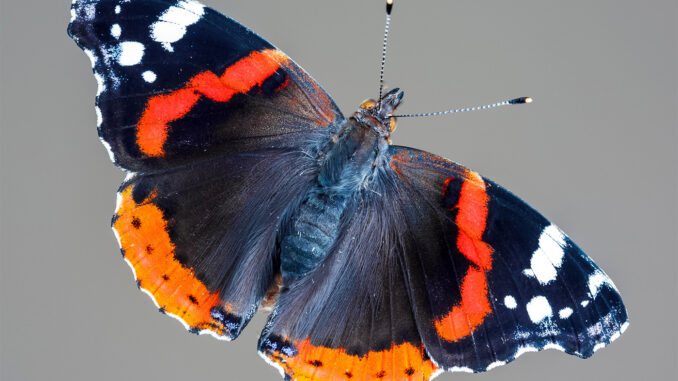
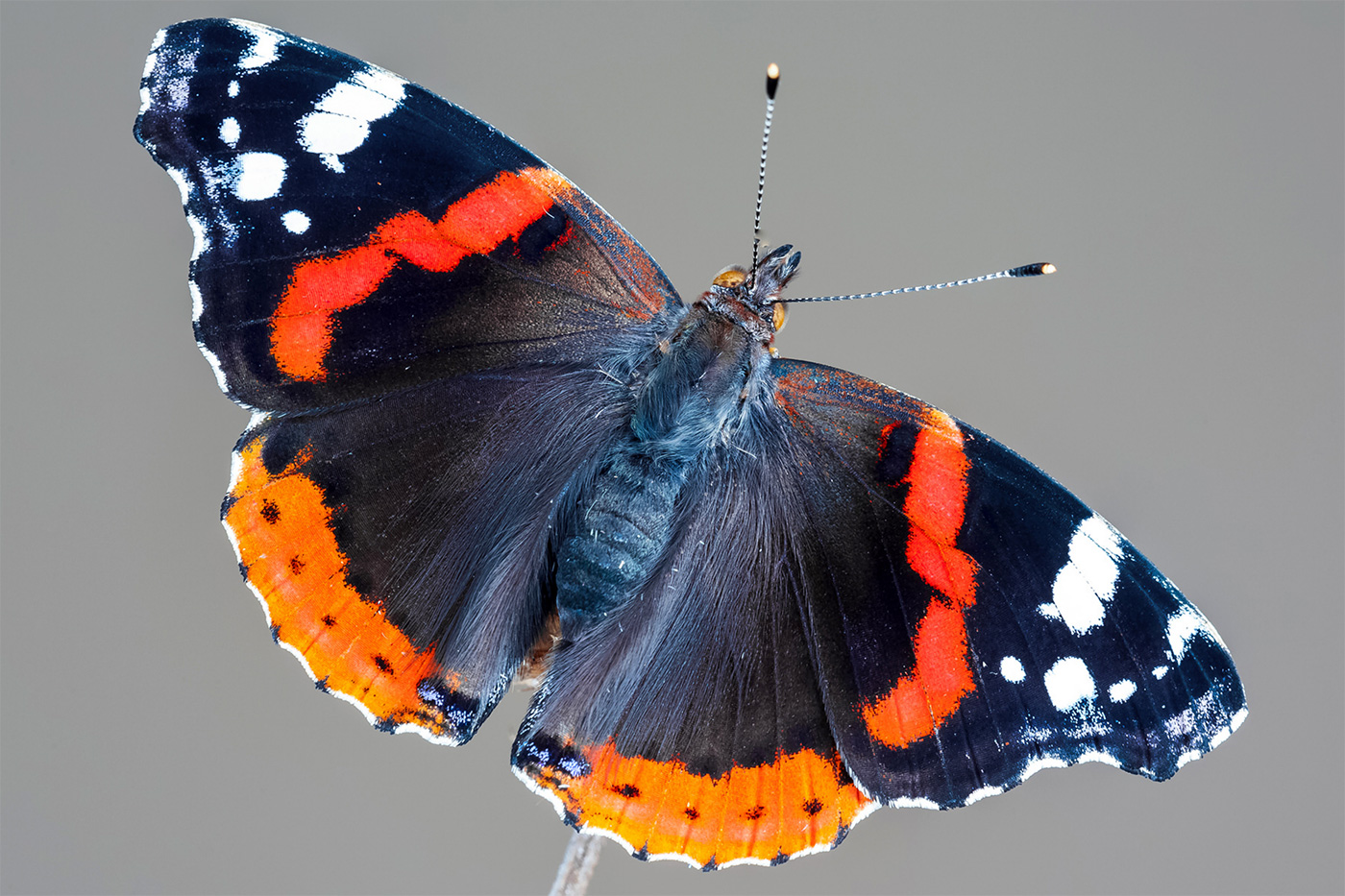 Most of the butterflies on my Buddleia were Red Admirals, whose numbers have soared by a whopping 400% this year, according to new data from Butterfly Conservation. Despite the previous extreme summer droughts in 1976 and 1995 which took a heavy toll on butterflies, the wildlife charity say they have tallied up 170,000 sightings so far, an enormous increase on last year.
Traditionally, each spring and into summer the Red Admiral would usually travel from North Africa and continental Europe to the UK to lay eggs, hence the boom in fresh butterflies from July onwards. Scientists say that the increased numbers indicate that the species is now overwintering in the UK, particularly in the south.
Maddening Moths
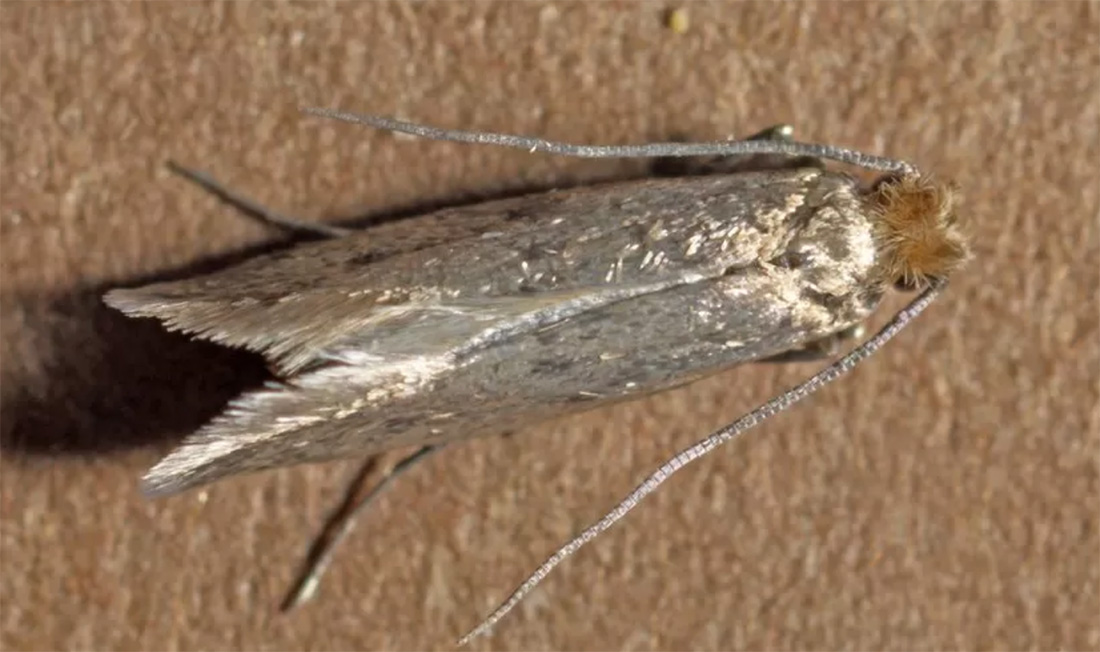 Whilst I love watching the butterflies on my Buddleia, the little moths in my cottage drive me to distraction. Google tells me they are clothes moths – also called carpet moths. These adult moths don’t actually eat your clothing, however, it’s their larvae that do the damage. The tiny caterpillars chomp on your clothes – or carpets – over the course of the week-and-a-half period they’re in that stage of their life. The overall life cycle of clothing moths lasts between 2-3 months, so by the time I see a little moth spinning around my living room, it means something has already been munched.
Apparently more and more people are Googling these little moths as the trend for vintage and second hand clothing increases. The recommendation is that these clothes should always be dry cleaned or put in the freezer before being introduced to your wardrobe, as they are often the source of infestations.
Keeping a natural oil diffuser in your wardrobe at all times will wards off moths – and smell good www.totalwardrobecare.co.uk. Moths also hate cedar wood hangers and although they seem expensive they could be more cost effective than having to buy new clothes.
Dry cleaning will kill moth eggs and larvae, and is an excellent option for bulky items like coats. A friend was worried about her cashmere clothes last year and splashed out on a chest freezer and plastic clothes bags to ‘store’ the cashmere in during the summer, as sub-zero temperatures also kill larvae.
A bit of research shows that there is actually a natural and biological control of clothes moths. Visit www.dragonfli.co.uk/collections/clothes-moths who recommend, “Introduce our Clothes Moth egg parasite: Trichogramma evanescens. These brilliant parasitic wasps will seek out Clothes Moth eggs, parasitising them and laying their own eggs inside, killing the unborn Clothes Moth larvae. They are harmless to humans and animals and remain only for as long as there are Clothes Moth eggs present. These tiny wasps are supplied inside a sachet which releases approximately 2000 wasps each week. Simply place the sachet within your wardrobes, cupboards, or drawers, or on top of clothing or infested carpets. Each sachet contains a readymade release hole so does not require opening.”
If you do go for that option please let me know how it goes – it’s slightly more appealing than a chest freezer!
Thank you Tim
Sadly we lost a fabulous friend and work colleague this week. We went through primary and secondary school together and have worked together off and on ever since. A multi skilled builder, carpenter and roofer with the driest wit and kindest of hearts, he will already be checking the hinges on those big Pearly Gates. Rest well Tim, thank you for everything.
Leave a Reply