
Taken from Lynne’s weekly column ‘Green Scene’ for the Western Mail
16th March 2024

Bloomin’ Early
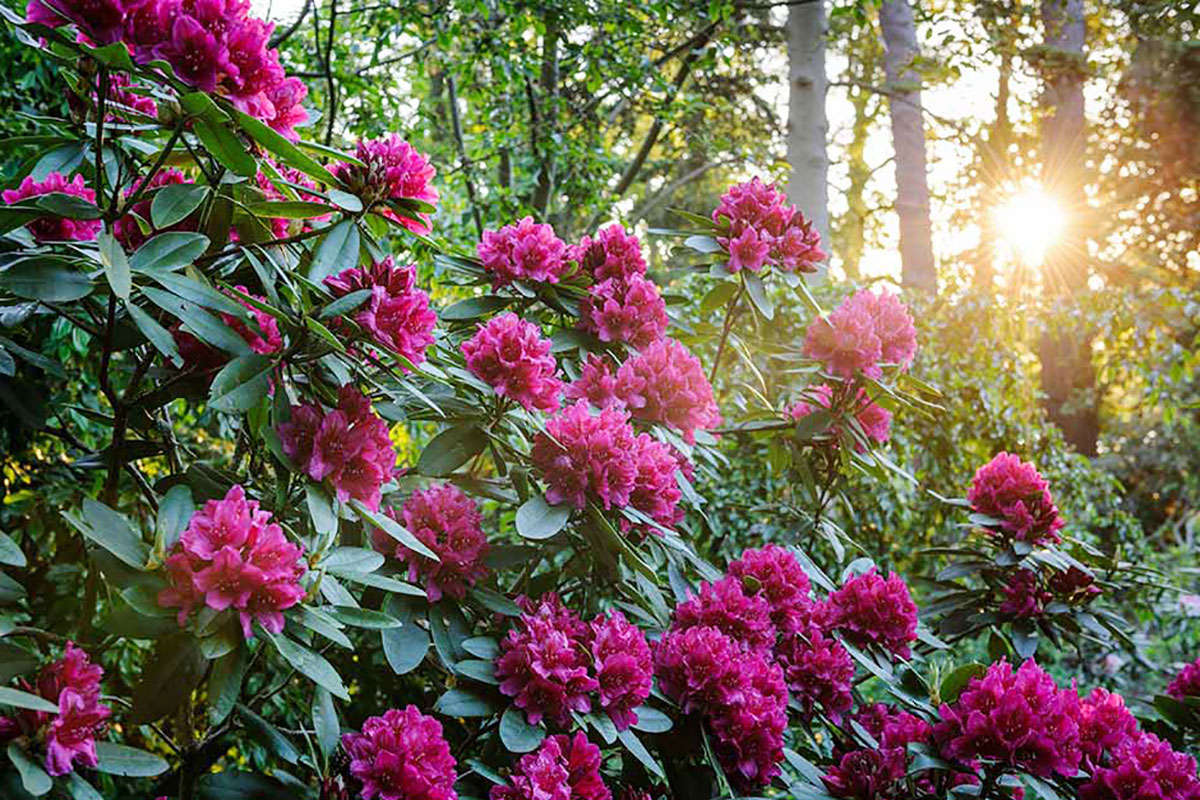
Having just had the mildest February on record, it’s no surprise that spring blossom is daring to bloom early, but the National Trust are reporting that magnolias in England and Wales are in bloom as much as four weeks ahead of their normal flowering period.
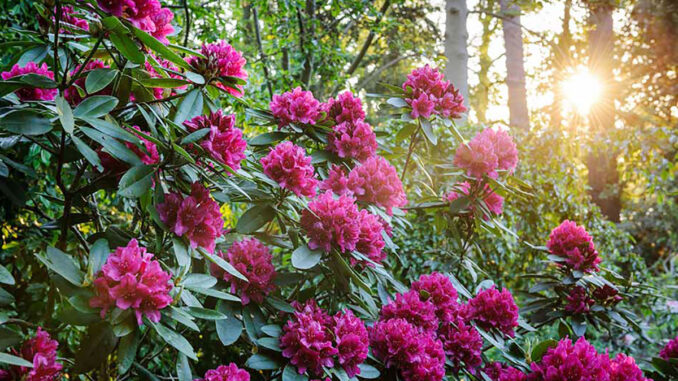
Camellias and rhododendrons are also flowering earlier than usual with England’s largest rhododendron blooming a month earlier than last year. Affectionately referred to as ‘Shrubzilla’, the rhododendron was planted 120 years ago in the grounds of the South Lodge hotel in Horsham, West Sussex, and measures at least 30ft high and 40ft wide – big enough to hide a double-decker bus in.

I have also noticed the birds are looking for nesting sites early this year and building has actually begun in some gardens.
Reader Trevor Witt sent me some photos of the new bird boxes he has built and which have already been snapped up by broody blue tits.
Trevor also ordered some nesting material online to help his feathered friends furnish their new pads, and which is a great way to help them set up home.
 Similarly, I gave Yogi a trim last week and put her hair out in an old peanut feeder for the birds to help themselves to.
It’s recycling at it’s most natural.
24 Carrot Gold
 One of the orange coloured ‘rays of sunshine’ in my life at the moment are the organic carrots on June and Steve’s veggie stall in Abergavenny Market. Throughout the winter I’ve been buying them as often as I can – for both me and Yogi. Yogi has always been very partial to a raw carrot and also has them chopped up in her daily chicken broth, which incidentally, has done wonders for her general health. I am simply a huge fan of carrots that smell and taste of carrot.
Although cleverly disguised in dried mud, these organic carrots are things of absolute beauty. The first spark of joy is when you see them all muddy and ‘real’ on the stall, the second carroty pleasure is from the smell when they are sliced or grated – reminds me so much of my nan and granddad – and the third burst of joy is of course from the taste.
It always reminds me of a friend’s young son when they visited me years ago and he ate a home grown carrot for the first time. Despite having vegetables on his plate with most meals and certainly being no stranger to carrots, he pulled a face and declared that it ‘tasted funny’.
“That funny taste”, reassured his mum, “is carrot flavour.”
Rosy Result
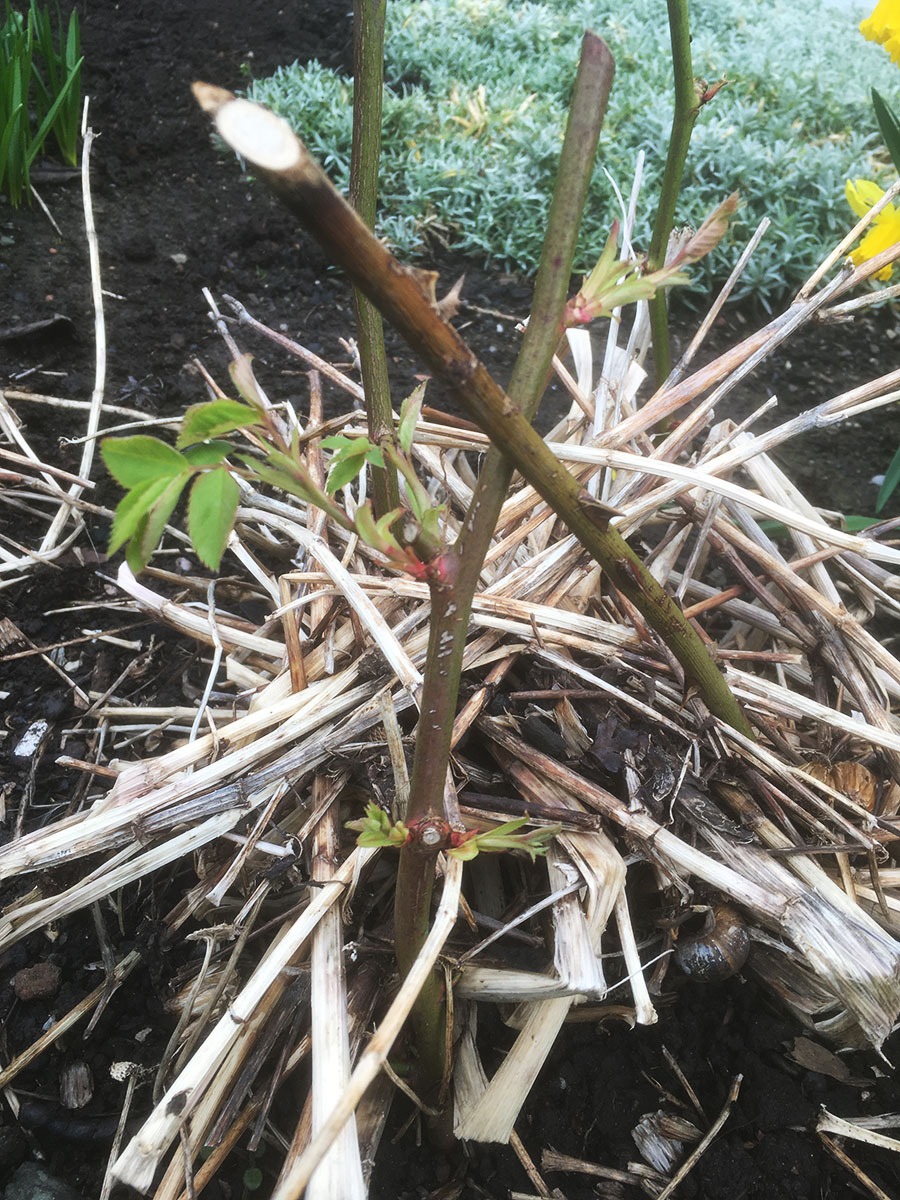 Last October, whilst putting one of my client’s gardens to bed for the winter, I was covering the dahlias with old bracken to protect them throughout the colder months. I couldn’t find any bamboo canes to use to keep their ‘winter blanket’ in place, but I had just cut back some large hybrid T roses – to prevent them from being damaged and ‘rocked’ in the winter winds. I decided to cut some of the sturdier pieces of the rose I had removed and use those to pin down the bracken over the dahlias. Remembering my nan being able to take cuttings from anything, I decided to push them in the ground ‘the right way up’ to see if they would ‘strike’, or grow, during the winter.
Returning to the garden last week to resume the maintenance, I was absolutely thrilled – and a little surprised – to see that every single piece of rose I had used has ‘taken’ and is growing with healthy brand new buds. I now have to find homes for 20 new little roses – what a fantastic challenge to have.
The Self Sufficiency Garden
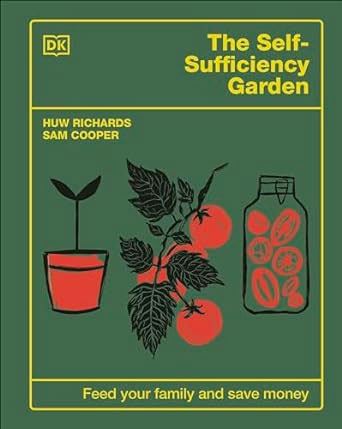 Full of enthusiasm and plans for my veggie plot this year, I have recently been reading The Self Sufficiency Garden by Welsh YouTube Gardener Huw Richards and Instagram’s favourite fermenter and chef, Sam Cooper.
The book was inspired by a project the social media savvy pair undertook to see if they could grow six portions of vegetables per day per person in a plot half the size of a standard allotment (125 sq metres). That’s an impressive 586 kg of food in total – or just over 92 stone. The experiment actually worked far better than they thought and the whole garden was maintained on just 4 hours a week.
It’s an inspiring read with lots of detail, from setting out beds and watering systems to recipes for simple, nutritious meals and preserving your harvest. There are monthly sowing plans, design and building instructions for hot beds and raised beds, compost bins and watering stations and lots of clever tips to get the most out of a small plot. There is no doubt that it’s an invaluable guide for those wanting to lean toward self-sufficiency but it does strike me that as well as learning gardening skills you will have to be prepared to learn some DIY skills too – or know someone who already has them!
And preparation is definitely key – it is essential to spend time setting out the plot properly to get the most from it – which may take most people a significant amount of time. But having said all that, I am a firm believer in ‘just getting started’. I think if you wait for everything to be ‘perfect’ you’ll never get anything done. So maybe just adopt some of the ideas for this growing season and then use next winter to develop your plot with some of the construction projects. I will definitely be constructing some ‘hoop houses’ or mini polytunnels, to go on top of my raised beds as soon as I can.
I love some of the tips – like using the metal cage of an IBC water tank (intermediate bulk container) to grow runner beans over and making ‘plant tea’ to feed your crops with. The ‘plant tea’ is one of the four ‘amendments’ – natural non-invasive preparation to boost the health of your plants and soil – that Huw recommends and shares the recipe for. It’s a great reminder that no matter how many books you read or how much construction you do, your harvests will only really be as good as your soil.
Hi Lynne. It’s lovely to see your articles in my Inbox again! I haven’t seen any for ages, and now here you are again!