
Taken from Lynne’s weekly column ‘Ask Lynne’ for the Western Mail. 25th June 2016

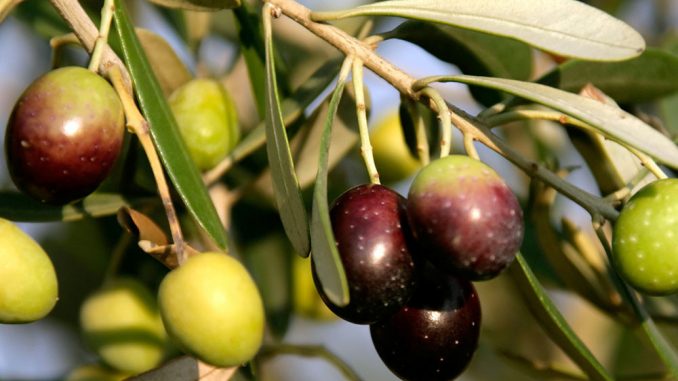
Awesome Olives
 I have just returned from a short but super working trip to Italy where part of my design brief included an established olive grove. It was a far cry from our orchards of apples and pears but olive trees are hardier than most people realise, and olive trees have become popular here in the UK in the last ten years or so. An Italian gardener told me, “It’s pretty cold on the Italian or Greek hills, but the water runs away. We sell trees all the way to Glasgow. Plant them in a sheltered spot and you’ll get away with it. Older trees will still fruit, but not enough for commercial purposes.”
Obviously, the smaller the plant, the more protection it needs. For anyone wishing to make a big investment in their garden, you can buy trees that are 200 or 300 years old and have beautiful gnarled, swirling bark but be prepared to pay a hefty price too. They transfer well, because olive trees are shallow-rooted.
Did You Know?
- Olive trees are harvested for the first time after 15 years.
- The largest type of olive is called a ‘donkey olive’. The smallest is known as a ‘bullet’.
- The average life of an olive tree is between 300 and 600 years.
- Olives are rich in Vitamin E and ‘good fat’, but it’s the leaf has the most benefits. Olive leaf extract can fight fatigue and boost your energy levels naturally and safely.
- Your five daily portions of fruit can include 16 olives, which make one portion.
Great Garlic
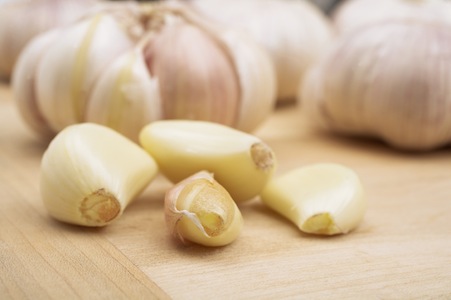
A lot of readers are asking how to get rid of greenfly, blackfly and whitefly at the moment and most want to do it organically. The Queen is the same – not that she has written in to me – by insisting that her gardeners use an organic method help keep pests off plants by using a spritzer bottle of garlic water to douse plants before or during an infestation.
Standard garlic water recipe:
- 6 cloves of garlic peeled and sliced finely.
- 4 pints of water.
- 1 tbsn natural liquid soap (Castile is a good brand)
Simmer the garlic slices in water for 20 minutes. Cool and remove garlic from water. Add soap to spritzer bottle and top up with garlic water. Leave enough room to be able to shake the contents before using. Spray plants early in the morning or in the evening time after the hottest part of the day has past. Several applications may be needed. Avoid using the spray on hot days as the liquid and sunlight may burn the plants. Surplus garlic water can be stored in the fridge for up to two weeks.
Hanging a nut feeder close to the plants that are affected will also help, as the blue tits that are waiting their turn on the feeder will pick off the aphids.
ARS v Cordless
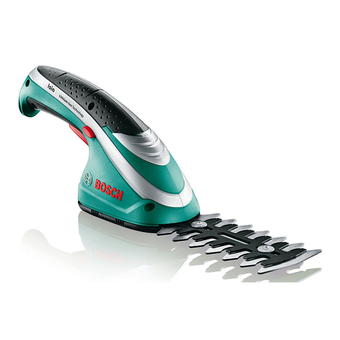
Last week I wrote about my fabulous ARS garden shears and talk about sibling rivalry – it turns out that my brother had just invested in a Bosch Isio Cordless Grass Shear, which are cheaper and even easier to use. I’m not sure they would suit me as I can’t be bothered with the faff of recharging and would probably misplace the blades etc. but if you are the organised type, they are very effective and cut even long grass really well. Stihl also do a similar shears but with two batteries so one can be on charge whilst the other is in use.
And thank you to the reader who sent me the following quote: “ Marriage resembles a pair of shears, so joined that they cannot be separated; often moving in opposite directions, yet always punishing anyone who comes between them.”
Leave a Reply