
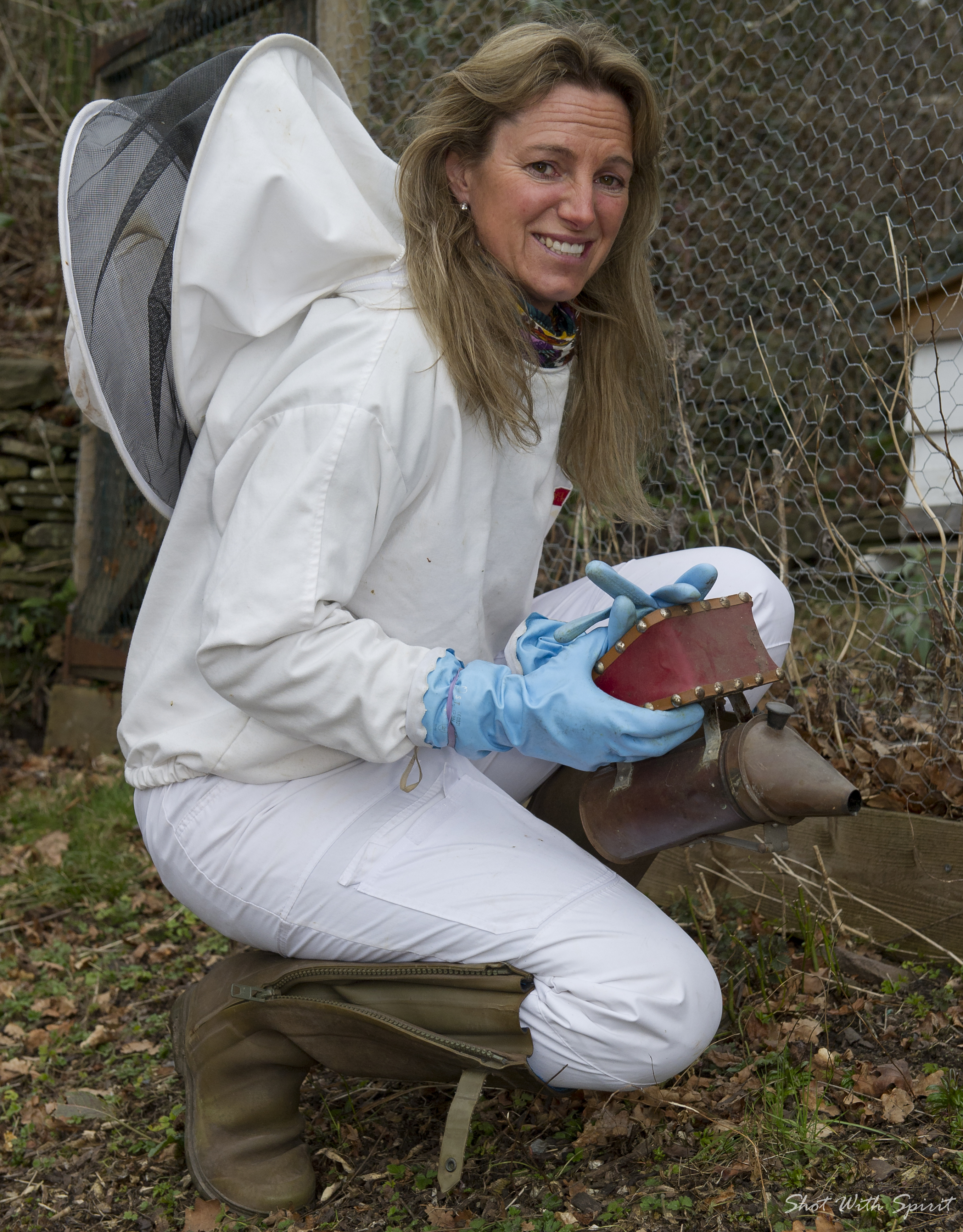
I tiptoed tentatively into the world of bee keeping three years ago. I was very honoured and a little humbled to be mentored for the first year by a wonderfully wise bee keeper who had not only kept bees for over 50 years but who also had the most wonderful attitude to life.
I quickly grew to adore the discipline and company bee keeping offered. Managing to get three hives through two winters was a great thrill and despite many frustrations and a few disappointments, it’s fair to say I am well and truly hooked. (Many new bee keepers give up in the first two years).
 The last two years have seen me negotiating my way around many steep learning curves and I have started to do things a little differently to how my marvellous mentor had suggested. Nothing radical, just checking the hives a little less often, exploring the option of letting them make their own comb instead of providing them with frames of foundation. Whilst retaining utmost respect for the experienced bee keepers around me, I could not for the life of me, understand their obsessions with preventing swarming. Surely a natural survival method which there were more bees in the wild couldn’t be a bad thing. It seemed to be a battle for most – all about ownership and/or pride.
I had already accepted I wasn’t really a bee keeper but a bee landlady; I was never going to be able to ‘keep’ my bees and I really didn’t mind if they wanted to move on to pastures new. Neither had I removed any honey in the last two years, choosing to leave it for my bees to use as food through the winter. I had been teased often; one member of an audience I spoke to asked what it was like having 15,000 pets and had I named them all. It’s great and no, I haven’t.
I was also struggling with the whole aspect of treating them with chemicals for various diseases; I didn’t want to but felt that was maybe being irresponsible and even disloyal to other bee keepers I was always hugely aware that I was very ‘new’ to be making these sorts of decisions. Funnily enough, last year’s bad weather meant that I couldn’t treat for varroa as it was simply too wet to open the hives. It had felt like Nature’s reassuring arm around my shoulders.
Slowly I began to struggle with the fact that maybe I was just a bad bee keeper. It wasn’t a good feeling.
It’s Valentines Night and GBKA are hosting Nicola Bradbear as their guest speaker. Nicola had founded Bees for Development 20 years ago and was speaking on natural bee keeping. Bearing in mind my love for these small, dark, crazily clever little creatures, the talk was easily prioritised over an overpriced dinner out.
Nicola is one of those fabulously soft-steely women. Soft and cordial on the outside but she also harbours a steely resolve that is averse to nonsense. Perfect!
50 of Gwent Beekeeper’s Associations finest settled down, and folded their arms, in a front of Nicola and her presentation.
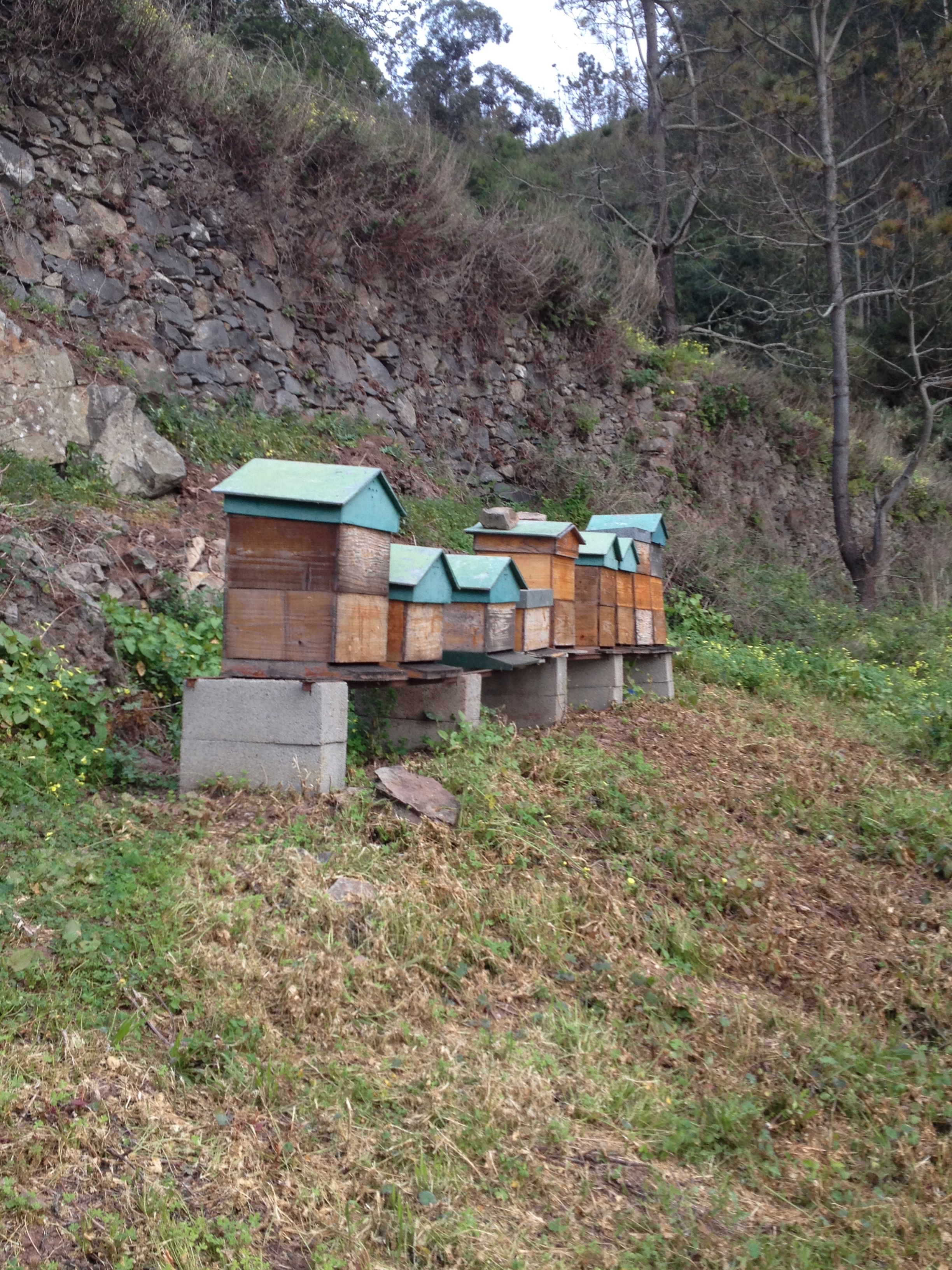 In anticipation of controversy, she started by explain that the phrase ‘natural beekeeping’ itself evoked strong emotions for many, with some claiming all bee keeping is unnatural. For this reason she preferred to call it Bee Friendly Bee Keeping, Sustainable Bee Keeping or Extensive Bee Keeping – as opposed to Intensive. Extensive bee keeping was more akin to how bees would exist in the wild whilst intensive bee keeping suggested a more industrial approach.
Keeping 100’s of hives in one place (as one of her photographs of a bee keeper in China showed) were unnatural. Hollowed out logs in trees in Africa were natural. Of course both of these examples showed extremes unlikely to be seen in Gwent.
Extensive bee keepers were focussed on the welfare and well being of the bees, intensive bee keepers were focussed on the production elements and manipulation of the hive.
With regard to management, natural bee keepers considered the colony as a whole organism, a super organism. Nicola recommended ‘The Buzz about Bees’ by Jurgen Tautz in which he likens a honey bee colony to a small mammal. There was a ripple of opinion through the audience but she continued to explain that Jurgen also described the five main elements of the colony being workers, queens, drones and comb, which we were all familiar with, but the crucial and interesting fifth element is ‘scent and heat’. To maintain the integrity of the hive, it is essential to retain the nest scent and heat.
I have recently read a lot about the Jacobson’s Organ in mammals and it is a key component to the Zoopharmacognosy that I practise. It seems scent is something we are underestimating in many aspects of life.
But back to the bees and Nicola shared a few more aspects that would define a natural bee keeper; Hives are opened and checked less frequently, the bees are respectfully left to get on with their lives. It has been show that they suffer a lot of stress when the hives are checked and frames disturbed. Ultra violet light kills brood, the temperature drops, it is extremely disruptive for the colony. Extensive bee keepers will observe more from outside the hive, particularly watching the entrance for information on the colony. They don’t translocate the hives or introduce genetic material. As a general rule of thumb, they don’t put anything in the hive which hasn’t come from the bees and they don’t take anything out which the bees can’t afford to lose.
Nicola also went on to explain that during the 20th century bee keeping has changed from focussing on the ‘population level’ to ‘box level’ activity. To me that’s another way of saying we are thinking smaller, closer, short term. It reminded me of talking to Bill Bailey last year; we agreed that people seem to be taking their eyes off the horizon and staring at the potholes in front of them instead. If you ride a motorbike you will know you need to look further afield than the tarmac in front of the handle bars. It’s the same principle, it’s all linked. Despite technology enticing us into a bigger, endless World, we are becoming more and more short sighted in our day to day lives.
Working on a box level activity has led from extensive beekeeping to intensive beekeeping and now we have more stress and more disease amongst our bees. Bees are breeding on old, dirty, reused comb instead of being able to make their own. Nicola recalled a powerful statement from a talk she had been to, “Bee keepers are allowing their bees to breed in the liver rather than the uterus.’ Ironically, experience and research has shown that where human have done the least, bees are evolving to tolerate varroa. Varroa exists in Africa, for example but it is not considered a problem, the bees have evolved naturally to tolerate it. The more extensive the methods of bee keeping, the more likely natural selection is to take place, which has to be infinitely better than administering medicine. Not surprisingly this ‘stirred up a hornet’s nest’ amongst most of the bee keepers in the audience.
More coughing and shuffling could be heard as Nicola also explained that the real committed extensive bee keepers only removed honey from the hives in the spring, allowing the normal autumn harvest to be left for food for the bees through the winter. It was all sounding reassuringly familiar and easing my own conscience comfortably.
For me, her next reference to swarming sealed the deal; extensive bee keepers are less intent on preventing their bees from swarming. I had been really alarmed recently whilst working in Madeira, to learn that if seen, swarms are most likely to be destroyed through ignorance and fear. One beekeeper I spoke to kept 150 hive 8 years ago and is now down to just 8 as a result of diseases. The entire honey bee population has been wiped out on neighbouring island of Porto Santa. Even more alarming, when you realise Madeira is also known as the Floating Garden’ because of its rich, year round flora.
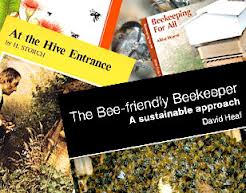 Anyway back to Nicola, who had moved onto talk about hives. Not surprisingly it transpires that Extensive bee keeping is not about the hives themselves but with what was going on inside. Warre hives are often associated with natural bee keeping but were not essential for it, neither were top bar hives or any other hive that claimed to be specifically for ‘natural beekeeping’; your commercial, WBC and other types can all be used to keep bees ‘naturally’ just buy supplying them with the Top Bars they need to suspend their own comb from.
I have included a few of Nicolas recommend links below and encourage you to read more than I have been able to share here. The sun is shining, pleading with me to ‘do’ rather than write but just to sum up it seems to be a natural or extensive bee keeper, you simply allow bees to make their own comb and allowing them to eat their own honey …… and don’t interfere too much. And for me that’s hugely reassuring.
You can find out more from the contacts below:
David Heaf http://www.dheaf.plus.com/warrebeekeeping/sus_beefriendly_beekeeping_abj89.pdf
Phil Chandler (Bio Bees and/or the Barefoot Bee keeper) http://www.biobees.com/
Natural Bee Keeping Trust http://www.naturalbeekeepingtrust.org/
And of course you can contact Nicola through http://www.beesfordevelopment.org/

Leave a Reply