
Taken from Lynne’s weekly column ‘Green Scene’ for the Western Mail
31st October 2026
Clock Off
 Is there anyone who actually thinks that putting the clocks back in this day and age is a good thing? Certainly no one I have spoken to. Not even the farmers, who seem to be put forward as a reason to continue the outdated tradition by the Government. We certainly don’t need to save candle wax any longer – although the way we are going, that might be the case soon.
The clocks may have ‘fallen back’ but the weather seems to have taken a huge leap forward – toward winter, with two named storms having rattled their way through over the weekend. I have already mentioned making sure your garden is as storm-proof as possible – honestly, prevention is better than cure. And also make sure you have everything you need to make power outages more comfortable.
I am lucky that I have a good selection of head torches at the ready (and a woodburner) but a simple little battery lantern is also a favourite of mine, as is my old fashioned battery-powered radio – batteries included, of course!
Musto v Pesto
 Talking of ‘rattling through’, there seems to be a horrid bug/cold/virus doing the rounds now, which reminded me to get my cauldron of ‘winter warmer’ on the stove. I simply grate a load of fresh ginger and garlic, chop a chilli, break up some cinnamon sticks, crush some cloves, roughly chop a lemon and add it all to a saucepan (cauldron sounds better) and let it simmer for a while. Then I have a cup of the spicy concoction each morning with a spoonful of honey. A client who I shared the ‘recipe’ with, has hers with a tot of whisky each night. It kept me (and her) healthy last year and I’m hoping it does the same this year.
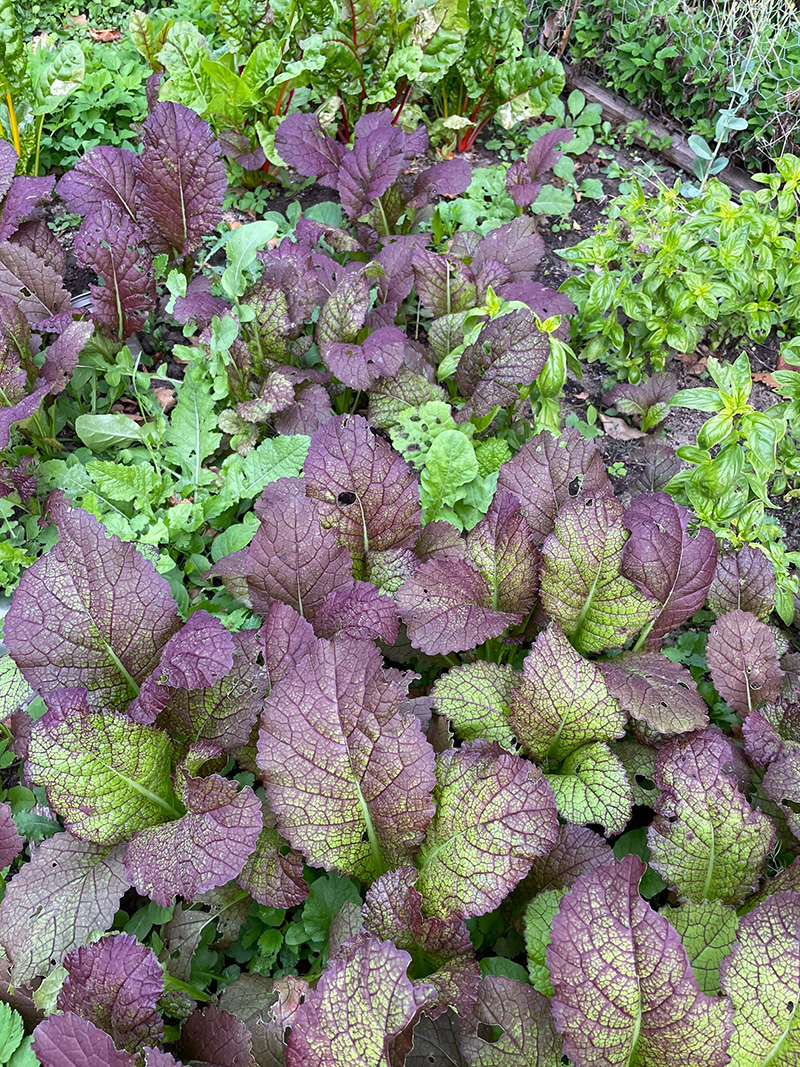
I have also been making pesto. I have used an abundance of basil, which flourished after the hot weather, to make traditional pesto but also had a huge glut of self seeded red mustard leaves – even after using them chopped up in soups, stews and salads – so I thought I’d try the same(ish) with the mustard leaves. More a ‘musto’ than a pesto. The quantities are ‘flexible’ but it worked well and I just add more olive oil to the mix to make a nice dressing for salads and bean dishes.
I used a small handful of walnuts, and of pumpkin seeds, 6 cloves crushed garlic (it is the best medicine), a big handful of chopped mustard greens, a big pinch of sea salt, a couple of good glugs of extra virgin olive oil, and half a medium lemon. I could have added Parmesan cheese, as in a traditional pesto, but I didn’t have any. And it’s always worth experimenting, anyway.
Put the walnuts and pumpkin seeds into your food processor with garlic, mustard greens, and salt. Pulse until uniformly chopped and well combined. Then put on high speed while slowly adding the olive oil and lemon juice. It’ll keep in the fridge for about a week and you can freeze it.
Happy Hens
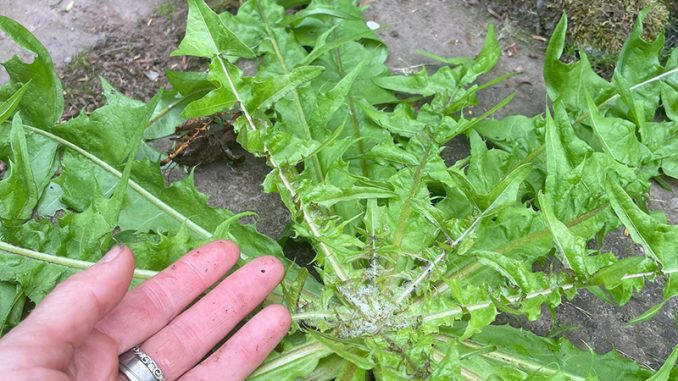
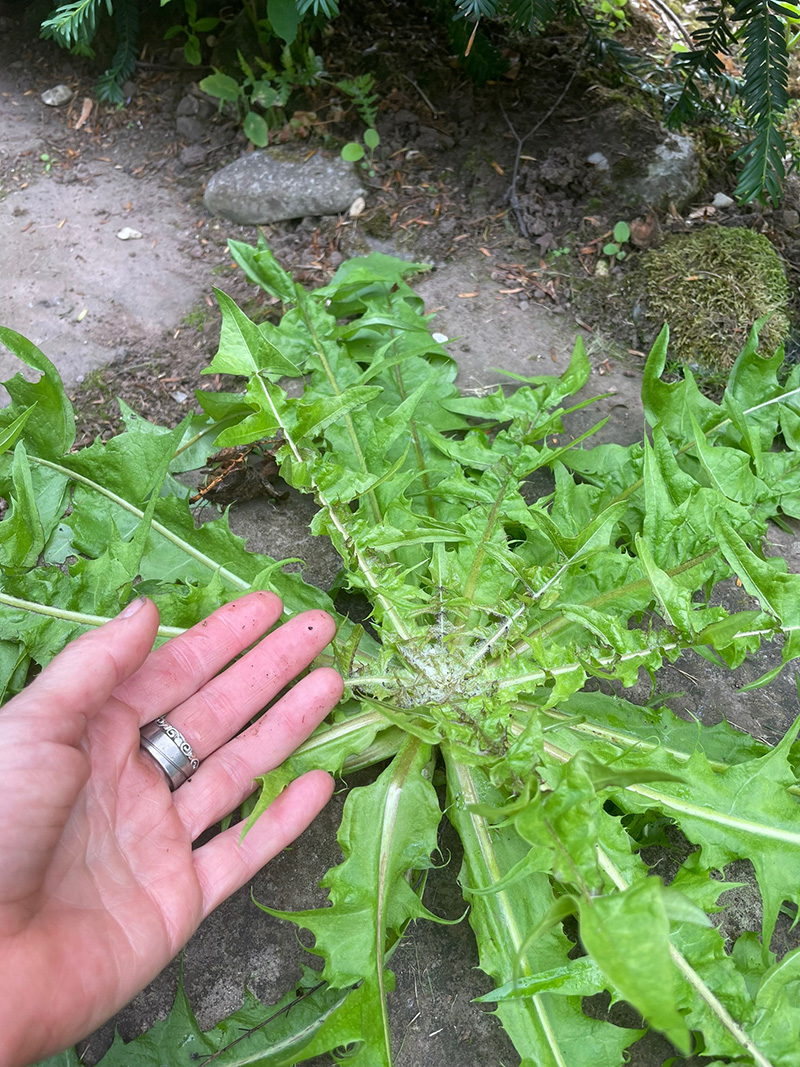 As well as having a glut of certain leafy crops (and a second crop of courgettes), I have also noticed some huge ‘weeds’ in beds and borders recently. This dandelion rosette was the largest I’ve ever seen and, according to many ‘hedgerow cookbooks’, you can also make ‘pesto’ with dandelion leaves. But as I have ‘ample sufficiency’, I gave this one to my chickens who ‘hen’joyed it immensely.
I often take a bucket of ‘weeds’ home from work for my ‘girls’, who love the additional greens. There are not surprisingly spoilt rotten with food, thanks to the extensive bird and wildlife menu at brinvale.com but they also really enjoy their additional treats of carrot tops, ‘weeds’ and other leafy greens.
Depending which report you read, chickens are now somewhere between the third and fifth most popular ‘pets’ kept in the UK. I’m not at all surprised. Having kept hens for most of my life, I can vouch for their incredible intelligence, characterfulness, and entertainment value – and that’s without the delicious fresh eggs they reliably contribute. I have more chicken stories than you could shake a tail feather at, but two of my favourites are when one of my ‘new’ hens kept getting out of their extensive pen and into the neighbouring field – but would always be back in the pen to go to bed. Confounded by how she was getting out of what I thought was an escape proof pen, I lay in an adjacent flowerbed, like a sniper, at different times of day, and just watched. It transpired that she took the most complex route out – like an SAS assault course – but most impressively, she used the exact same route in reverse to get back in time for bed. So henpressive.
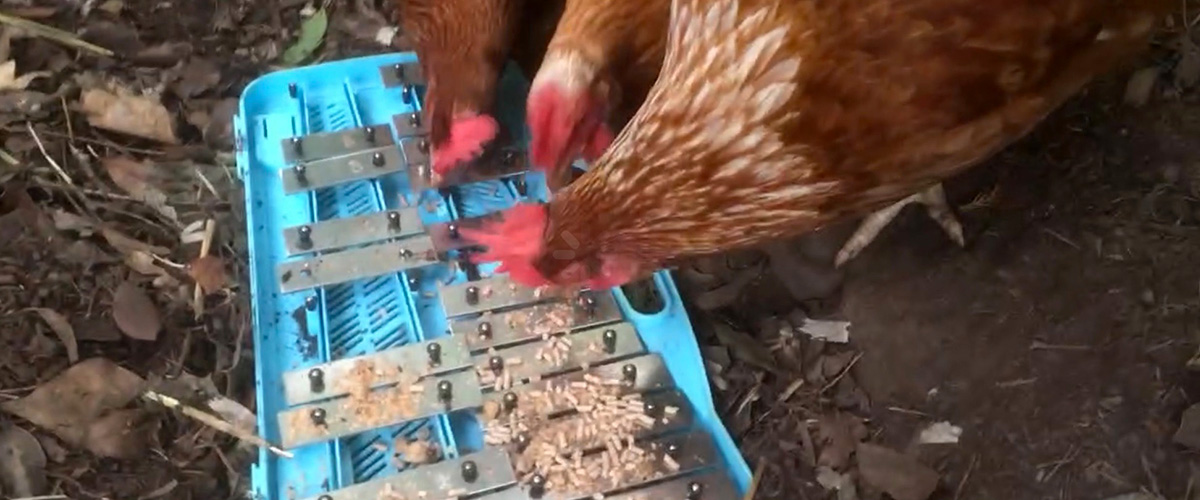
And another favourite hen memory is of putting a handful of food on a child’s glockenspiel in their run and listening to the hens make the most fantastic music as they ate their breakfast. Simple pleasures.
I am currently reading ‘Under the Henfluence’ by Tove Danovich, who is a real ‘champion of chickens’. It is a great, and revealing read. Sadly, far too many people still associate the word ‘chicken’ with their favourite meal or takeway, and I’ll just say that this book will hopefully do a lot to address that.
The British Hen Welfare Trust are also doing their bit to readdress the balance by re-homing over 40, 000 hens this year alone. Their website bhwt.org.uk is worth popping into too.
And whilst my current (small) flock of hens are insisting on roosting high in a tree at night, I am still a huge advocate for ChickenGuard, the best way to keep your (better behaved) hens safe at night. Gaining noterity for inventing the world’s best automatic chicken coop door, they now offer even more products to keep your girls safe at night. ChickenGuard has protected chickens in Britain since 2013, by keeping your flock safe at night, and now offer a hen house totally engineered for extra protection.
Made from sustainable materials, the Barn is easy to set up and clean, is red mite resistant, weather proof and has essential-but-often-overlooked drainage and ventilation systems.
More detail at www. chickenguard.co.uk
Apey ‘Hog’oween
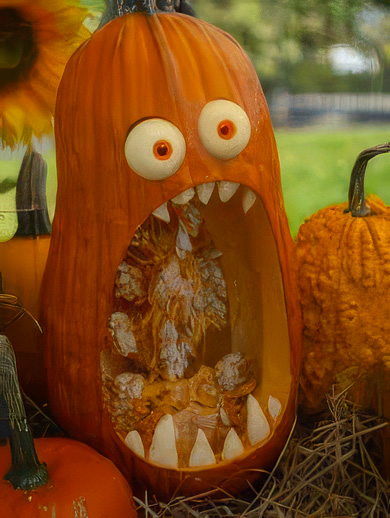 With Halloween on the horizon, if you are carving and displaying a pumpkin, please remember that they can be harmful to hedgehogs. Keeping them up off the ground will ensure hungry hogs can’t ingest them. Pumpkins are high in moisture, fibre and carbohydrates, which hedgehogs’ digestive systems are not designed to process in large quantities. Eating large quantities of pumpkin can cause severe diarrhoea, and prior to hibernation, the resulting rapid weight loss and dehydration can prove lethal. For the same reason, please don’t just ‘dump your pumpkin’ after Halloween either.
And if you have pumpkins that you didn’t get around to carving, or you have a shop/outlet and didn’t sell them all prior to Halloween, then many of the gorgeous residents of Wales Ape and Monkey Sanctuary in Abercrave will appreciate them. But ONLY whole pumpkins in good nick please, not carved or rotten ones. Thank you.

Leave a Reply